 CrossBinge
Album: Toxicity →
CrossBinge
Album: Toxicity →
More like Toxicity
Cross-media recommendations across film, TV, games, books & music — picked by taste.
Toxicity is System of a Down's second album, expanding on their debut with more melody, harmonies, and singing while incorporating folk, progressive rock, jazz, and Armenian and Greek music — sitar, banjo, piano all surface across its tracks. Its themes are wide and pointed: mass incarceration, police brutality, environmental damage, drug addiction, the CIA. The music refuses any single genre, and the darkness underneath its surface is rarely hidden.
About Toxicity
Toxicity is the second studio album by the American heavy metal band System of a Down, released on September 4, 2001, by American Recordings and Columbia Records. Expanding on their 1998 eponymous debut album, Toxicity incorporates more melody, harmonies, and singing than the band's first album. Categorized primarily as alternative metal and nu metal, the album features elements of multiple genres, including folk, progressive rock, jazz, and Armenian and Greek music, including prominent use of instruments like the sitar, banjo, keyboards, and piano. It contains a wide array of political and non-political themes, such as mass incarceration, the CIA, the environment, police brutality, drug addiction, scientific reductionism, and groupies.
From the Wikipedia article Toxicity_(album), available under CC BY-SA.
Films like Toxicity
 Film
Toxic
Film
Toxic
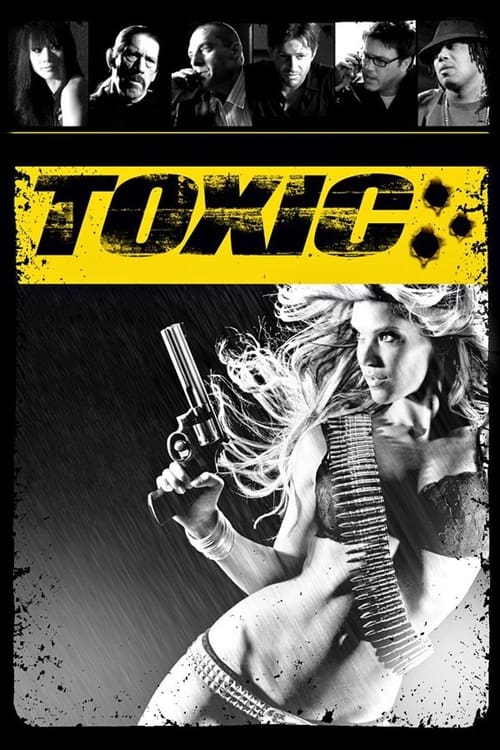
Chaos from an unhinged outsider spirals through interconnected lives, mirroring the album's sense of systemic madness.
 Film
Toxic
Film
Toxic
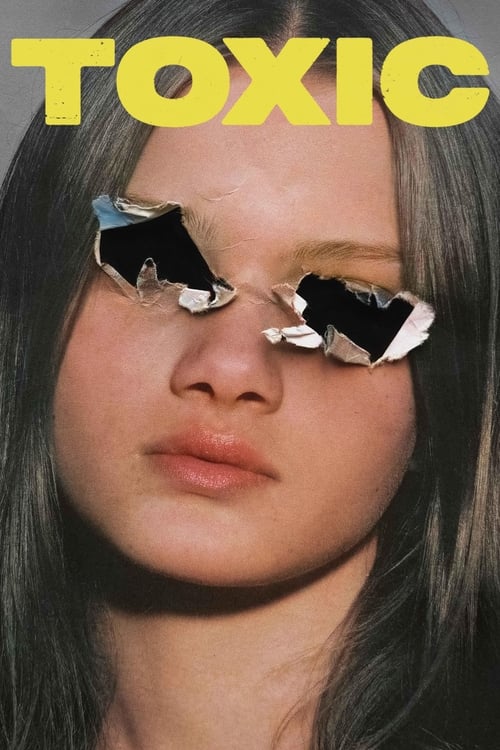
Two teens are lured toward self-destruction by false promises, echoing the album's critique of exploitation and control.
 Film
Crash
Film
Crash
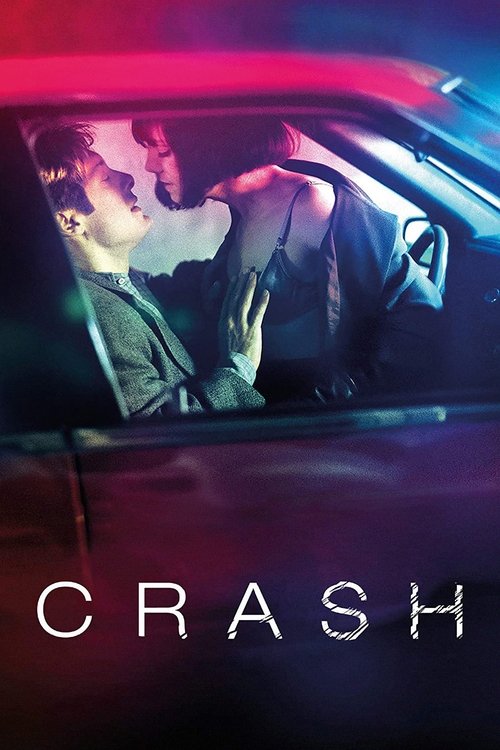
An underground subculture built around compulsion and bodily transgression shares the album's obsessive, destabilising energy.
 Film
A Dark Song
Film
A Dark Song
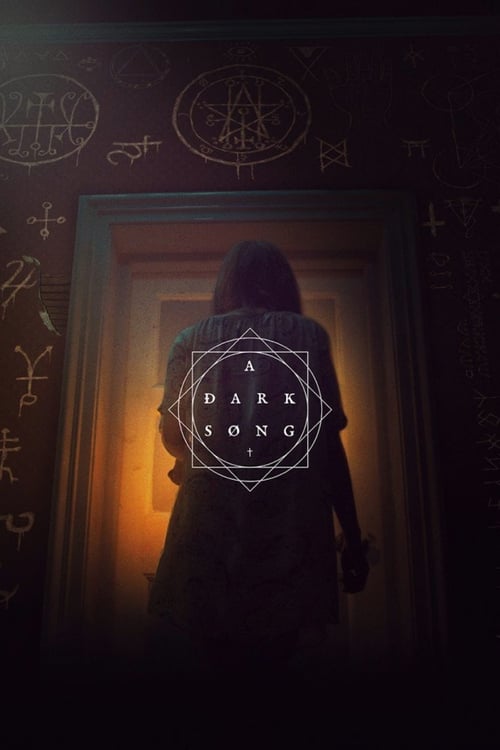
Two people risk everything on a dangerous ritual, channelling the same desperate intensity that runs through the album.
 Film
Toxic
Film
Toxic
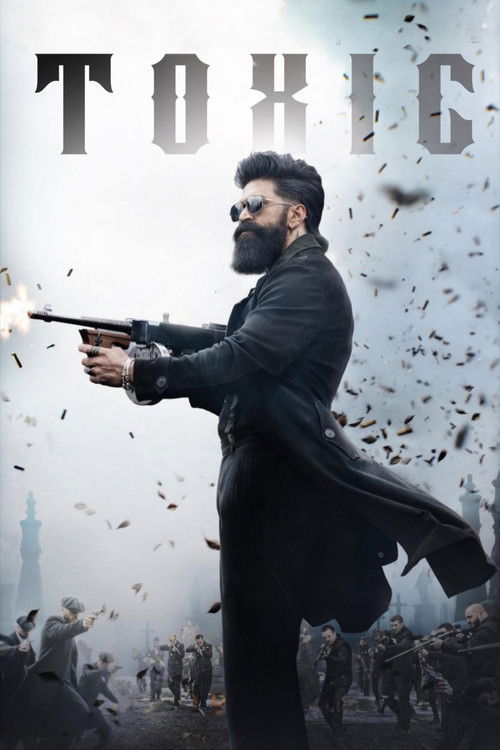
A drug cartel operating beneath a sun-soaked surface parallels the album's theme of corruption hidden behind appealing facades.
 Film
Heavy Metal
Film
Heavy Metal
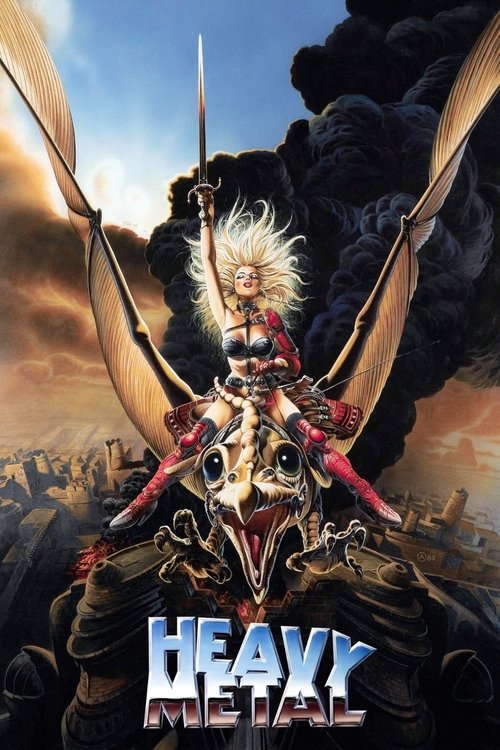
A glowing embodiment of evil terrorises a girl through dark fantasy, eroticism, and horror — fitting company for this album.
Series like Toxicity
Frequently asked
What should I watch after listening to Toxicity?
Heavy Metal (1981) captures a similar collision of genre, darkness, and music-driven energy. For something more grounded, Toxic (2025) shares the album's discomfort with systems that exploit the vulnerable.
What TV shows have the same intense, unsettling feel as Toxicity?
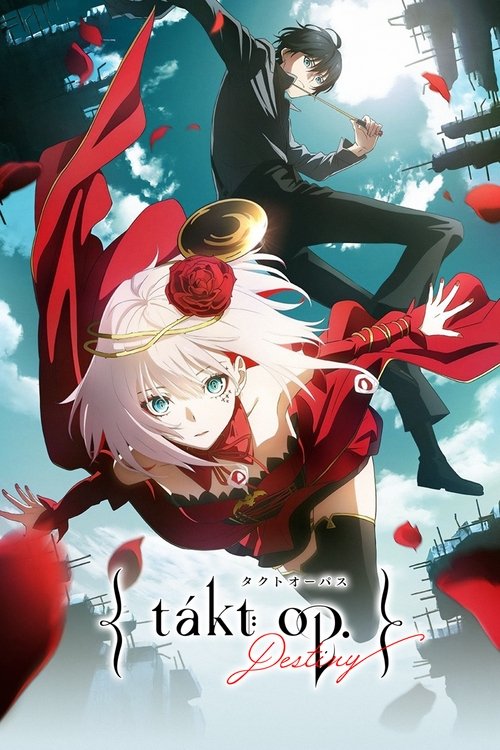
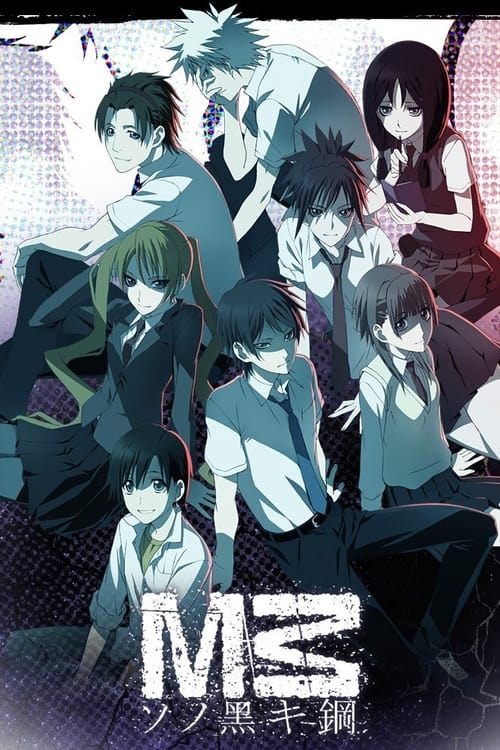
takt op.Destiny and M3: The Dark Metal both place characters in worlds shaped by overwhelming, destructive forces — matching the album's atmosphere of pressure and chaos.
Why does Toxicity resonate with so many people who aren't usually heavy metal fans?
The album blends melody, folk textures, and political specificity with its heavier elements, making it feel more like a collage of ideas than a single genre — accessible from multiple angles.