 CrossBinge
Album: Ummagumma →
CrossBinge
Album: Ummagumma →
More like Ummagumma
Cross-media recommendations across film, TV, games, books & music — picked by taste.
Ummagumma is a 1969 double album by Pink Floyd, released on 7 November via Harvest Records. The first disc documents live performances from concerts in Birmingham and Manchester; the second gives each band member a separate studio section to compose alone, making it simultaneously a live record and a collection of four individual works. The sleeve artwork, designed by Hipgnosis, combines photographs of the band to produce a Droste effect — an image that contains itself, repeating inward.
About Ummagumma
Ummagumma is a part-studio, part-live album by the English rock band Pink Floyd. It is a double album and was released on 7 November 1969 by Harvest Records. The first disc consists of live recordings from concerts at Mothers Club in Birmingham and the College of Commerce in Manchester that contained part of their normal set list of the time, while the second contains solo compositions by each member of the band recorded at EMI Studios, counting as Pink Floyd's fourth studio album. The artwork was designed by regular Pink Floyd collaborators Hipgnosis and features a number of pictures of the band combined to give a Droste effect.
From the Wikipedia article Ummagumma, available under CC BY-SA.
Films like Ummagumma
 Film
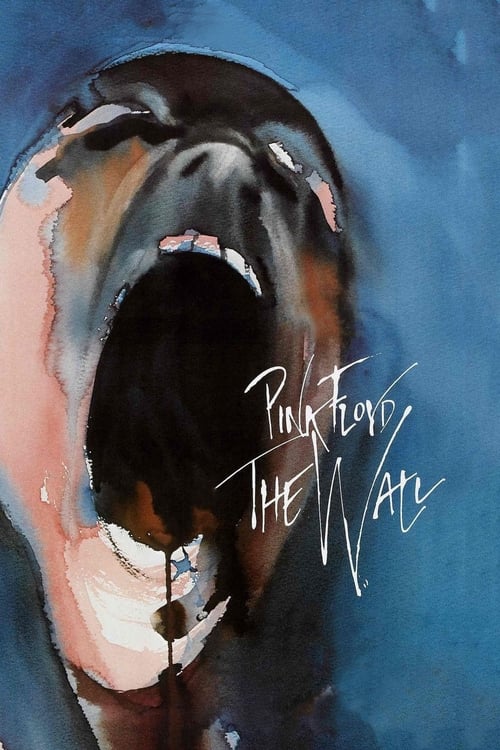
Pink Floyd: The Wall
Film
Pink Floyd: The Wall
A troubled rock star descends into madness amid deep physical and social isolation from everyone around him.
 Film
Leto
Film
Leto
An underground Leningrad rock scene smuggling Lou Reed and Bowie LPs brews ahead of the Perestroika.
 Film
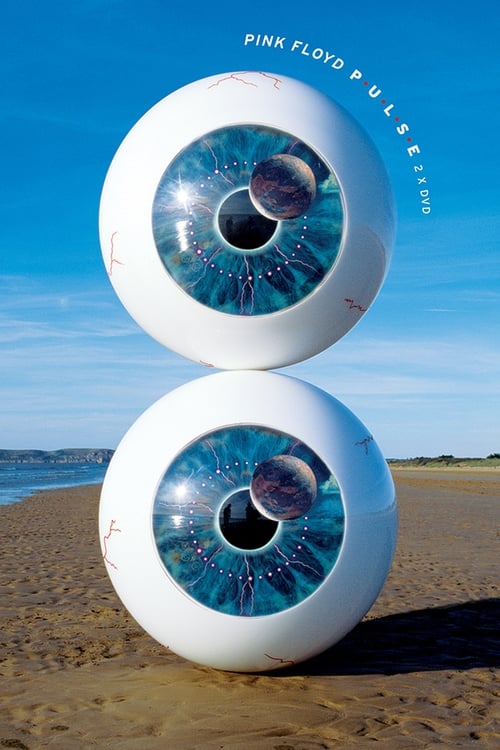
Pink Floyd: Pulse
Film
Pink Floyd: Pulse
A full live concert document from the same band, recorded at Earls Court during the Division Bell tour.
 Film
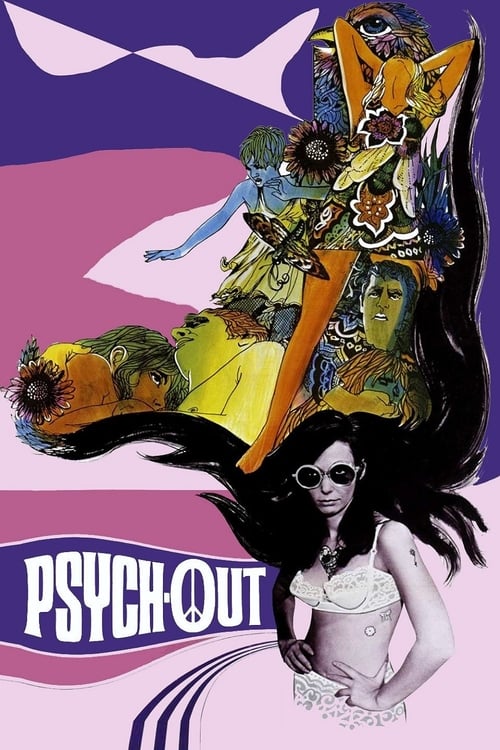
Psych-Out
Film
Psych-Out
A deaf runaway falls in with a psychedelic band in San Francisco's Haight-Ashbury district searching for her brother.
 Film
Pink Floyd: Live at Pompeii
Film
Pink Floyd: Live at Pompeii
Pink Floyd perform inside the ancient Roman amphitheatre at Pompeii with no audience beyond the film crew.
 Film
Rock & Rule
Film
Rock & Rule
A malevolent rock star kidnaps a singer to summon a demon; her bandmates must stop him.
Books to read after Ummagumma
 Book
Echoes
Book
Echoes
A comprehensive account of Pink Floyd's collective and individual careers, including stage, TV, and radio performances.
 Book
Psychotic Reactions and Carburettor Dung
Book
Psychotic Reactions and Carburettor Dung
Essays on rock performers and bands including Bowie, Lou Reed, the Clash, Iggy Pop, and others.
 Book
Saucerful of secrets
Book
Saucerful of secrets
A biography of a British progressive and psychedelic rock band — the genre *Ummagumma* helped define.
Frequently asked
What should I listen to after Ummagumma?
If the live disc drew you in, Pink Floyd: Pulse documents a later full performance at Earls Court. If the experimental solo pieces are what hooked you, the band's individual and collective arc is traced in full in Echoes, the comprehensive career chronicle.
What films are like Ummagumma?
Pink Floyd: Live at Pompeii shares the same audience-free atmosphere — the band playing inside ancient ruins for the camera alone. Pink Floyd: The Wall extends the band's psychological edge into a feature film about a rock star's mental collapse.
Why is Ummagumma considered such an unusual album?
Its double-disc structure is split in two genuinely different things: one disc is live concert recordings; the other is four entirely separate solo compositions, one per band member. That refusal to be a single unified record is what makes it distinctive among rock releases of its era.