 CrossBinge
Book: V for Vendetta →
CrossBinge
Book: V for Vendetta →
More like V for Vendetta
Cross-media recommendations across film, TV, games, books & music — picked by taste.
V for Vendetta is a graphic novel set in a near-future England ruled by the neo-fascist Norsefire party — a police state that has eliminated political opposition and personal freedom. A mysterious masked figure wages a campaign of terrorism and disruption against this regime, raising an uncomfortable question the story refuses to answer cleanly: can violent resistance against tyranny be morally distinguished from the oppression it fights? The taste it signals: moral ambiguity, state control, hidden identities, and storytelling that withholds easy heroes.
About V for Vendetta
V for Vendetta is a British graphic novel written by Alan Moore and illustrated by David Lloyd. Initially published between 1982 and 1985 in black and white as an ongoing serial in the British anthology Warrior, its serialisation was completed in 1988–89 in a ten-issue colour limited series published by DC Comics in the United States. Subsequent collected editions were typically published under DC's specialised imprint, Vertigo, until that label was shut down in 2018. Since then it has been transferred to DC Black Label. The story depicts a dystopian and post-apocalyptic near-future history version of the United Kingdom in the 1990s, preceded by a nuclear war in the 1980s that devastated most of the rest of the world. The Nordic supremacist, neo-fascist, outwardly Christofascistic, and homophobic fictional Norsefire political party has exterminated its opponents in concentration camps, and it now rules the country as a police state.
From the Wikipedia article V_for_Vendetta, available under CC BY-SA.
Films like V for Vendetta
 Film
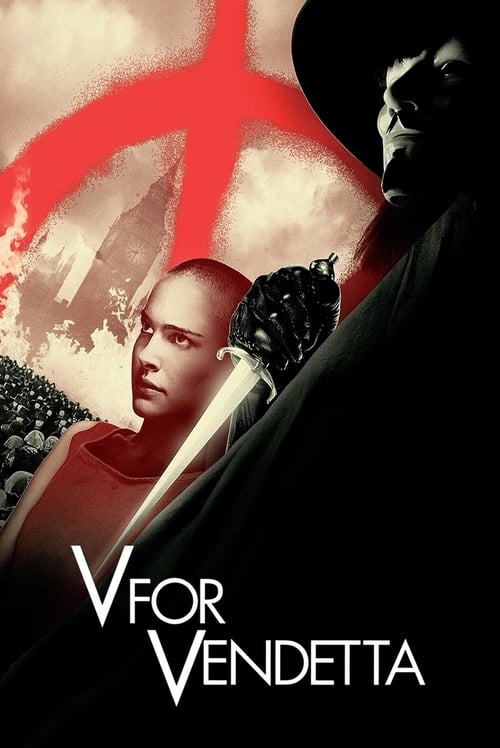
V for Vendetta
Film
V for Vendetta
The direct adaptation — a masked vigilante wages guerrilla warfare against a fascist British government.
 Film
Vendetta
Film
Vendetta
A special ops officer hunts the gang who killed his parents while evading his old unit and the cops.
 Film
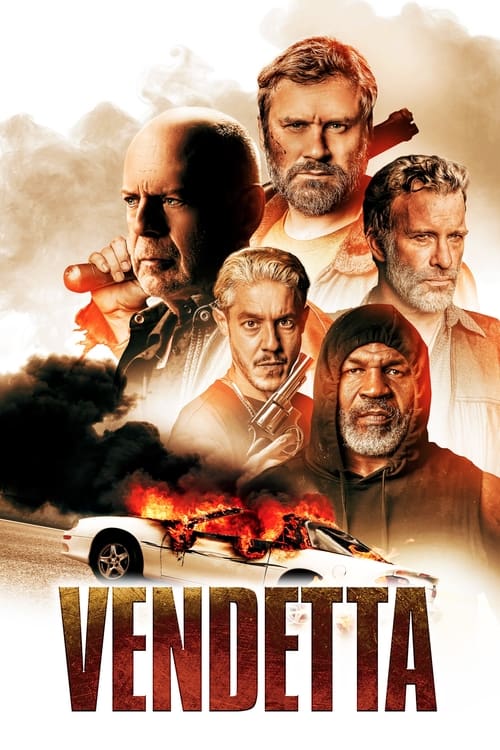
Vendetta
Film
Vendetta
A grieving father takes violent retribution into his own hands, blurring law and vengeance.
 Film
Vendetta
Film
Vendetta
A cop shoots two siblings; their birthmarks mirror the wounds — fate binds the families across time.
 Film
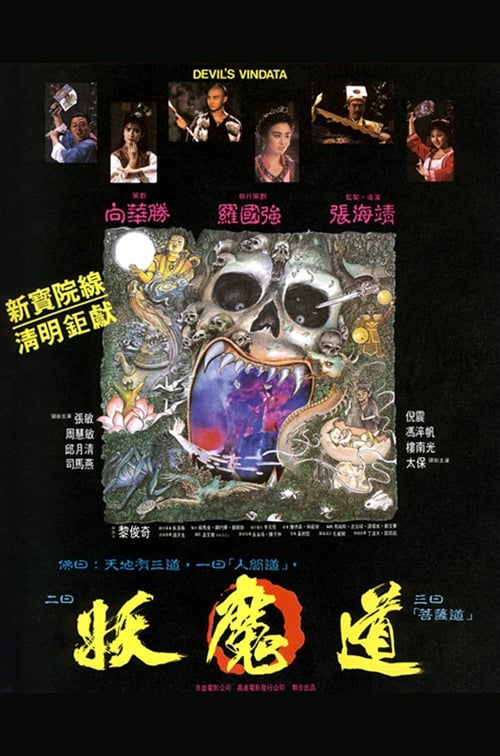
Devil's Vendetta
Film
Devil's Vendetta
Rival Taoist schools — one all-female, one all-male — must ally to fight a demon threatening them both.
 Film
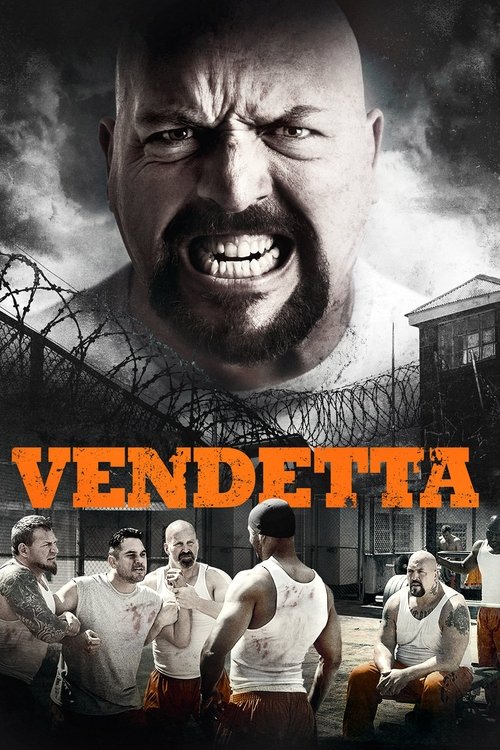
Vendetta
Film
Vendetta
A detective deliberately commits a crime to enter prison and pursue vengeance on his wife's killer.
Series like V for Vendetta
 Series
V: The Final Battle
Series
V: The Final Battle
A small resistance cell fights a desperate guerrilla war against an overwhelming occupying power.
 Series
V
Series
V
Alien occupiers hiding behind a human facade tighten their grip on a captive Earth.
 Series
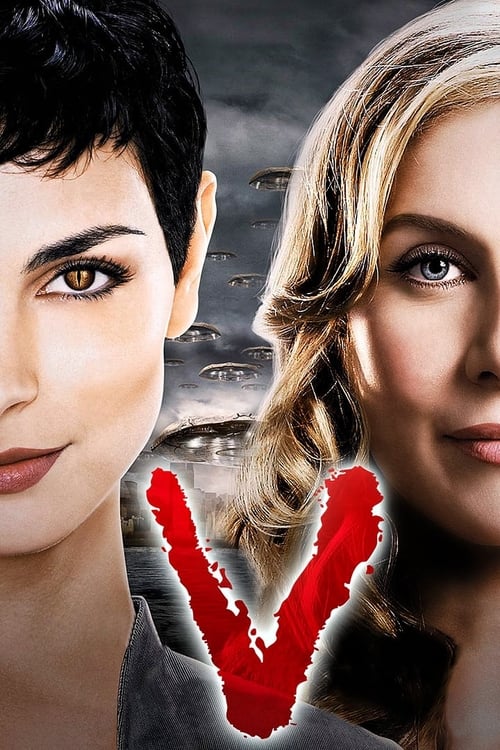
V
Series
V
Visitors arrive with a seemingly benevolent agenda that may conceal something far more malevolent.
 Series
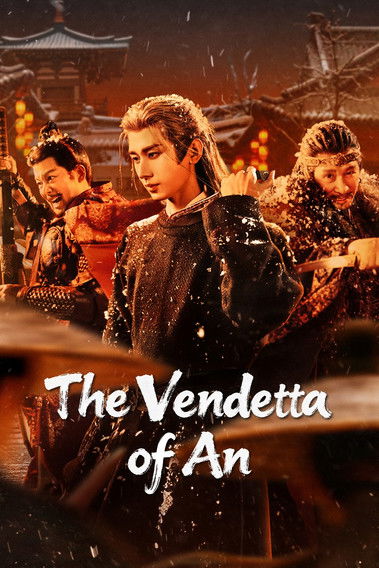
The Vendetta of An
Series
The Vendetta of An
A survivor returns in disguise to dismantle those who destroyed his family, moving through palace power plays.
More books like V for Vendetta
 Book
Graphic witness
Book
Graphic witness
Four wordless graphic novels used as vehicles for social commentary — the roots of a visual tradition.
 Book
Faces of the Enemy
Book
Faces of the Enemy
A study of the psychology of enmity — how enemies are made and sustained.
 Book
Such a Lovely Little War
Book
Such a Lovely Little War
A memoir in graphic novel form recounting the early Vietnam War through a young Vietnamese boy's eyes.
 Book
Terrorist
Book
Terrorist
On June 28, 1914, a single pistol shot in Sarajevo killed an archduke and triggered a world war.
 Book
Under Occupation
Book
Under Occupation
Under Nazi occupation, a French writer passes intelligence to resistance fighters at mortal risk.
 Book
Superman
Book
Superman
Alan Moore writes a possible final chapter for Superman — another masked icon, same author.
Frequently asked
What should I read after V for Vendetta?
Under Occupation follows a French writer embedded in wartime resistance — the same moral weight of collaboration versus defiance. Graphic Witness traces the wordless graphic novel tradition that shaped V for Vendetta's stark visual roots.
What should I watch after V for Vendetta?
Start with the 2006 V for Vendetta film, which adapts the graphic novel directly. For resistance against an overwhelming occupier in a sci-fi key, V: The Final Battle (1984) covers similar ground.
What makes V for Vendetta different from other superhero stories?
The masked figure here is a terrorist as much as a liberator — the story refuses to resolve that tension cleanly. Freedom is won through acts the reader is never fully allowed to cheer, which is precisely the point.