Nobody Believes Young Washington's $20 Million.
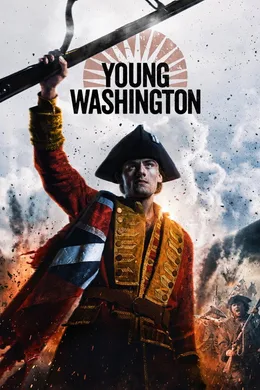
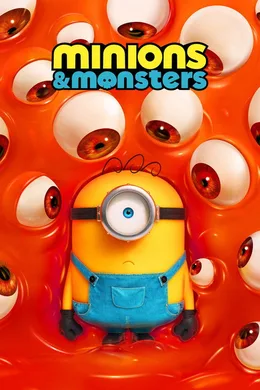
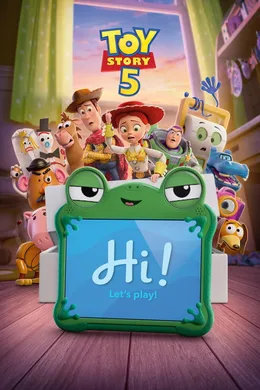
Hollywood's tracking models looked at Young Washington and saw a $15 million opening. The audience looked at America's 250th birthday and bought $20.8 million in tickets across 2,700 theaters. That gap of nearly six million dollars landed on one of the softest post-pandemic July 4th frames on record: roughly $121 million industry-wide from Friday to Sunday, with Minions & Monsters stumbling to a franchise-low $36.4 million three-day start and Toy Story 5 coasting on $31 million in weekend three. In a marketplace that flat, a faith-and-flag drama about a young George Washington became the only surprise in theaters.
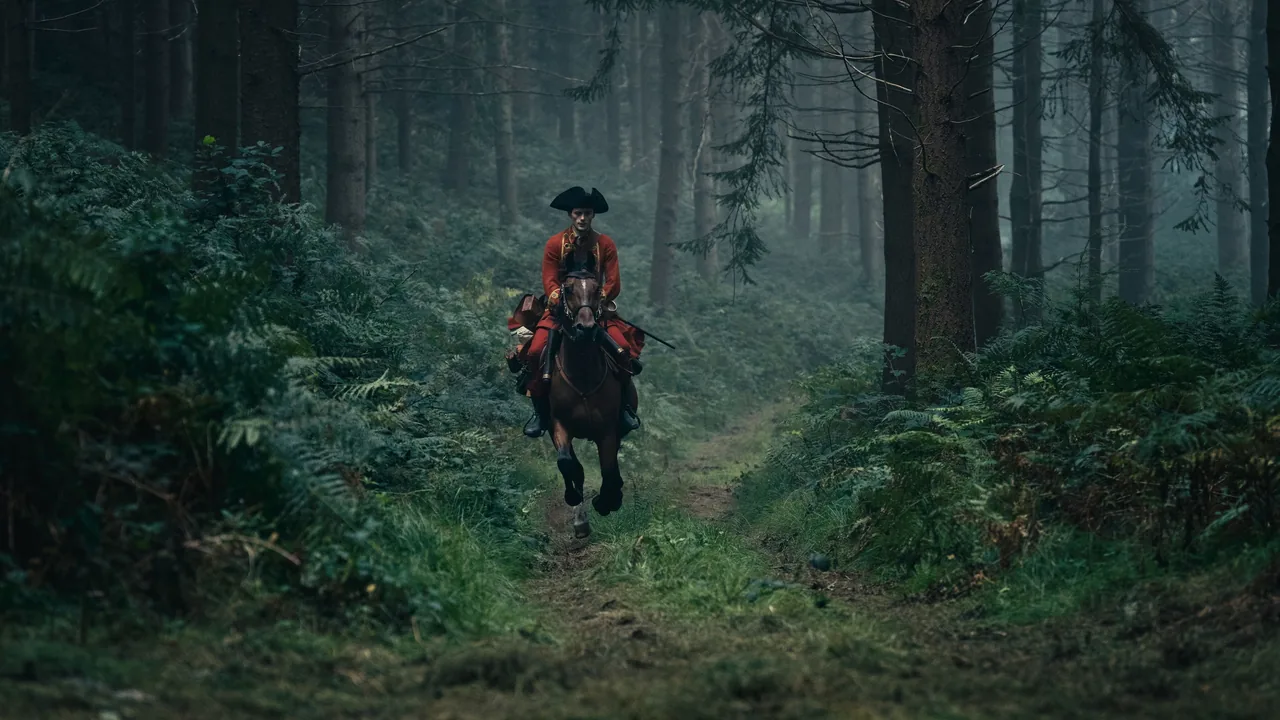
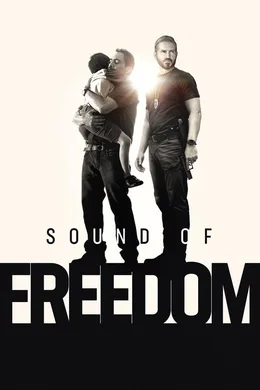
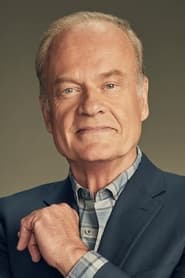
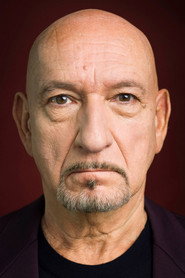
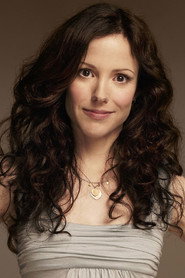
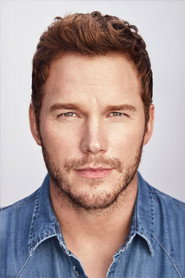
Angel Studios has done this before, which makes the industry's shock its own story. This is the studio's second-best opening ever, behind last year's David at $22 million, and it tracks with Sound of Freedom, which opened to $19.7 million and finished at $250.6 million worldwide. Jon Erwin directed and co-wrote, cast William Franklyn-Miller as the young Washington, and surrounded him with Ben Kingsley, Andy Serkis, Mary-Louise Parker and Kelsey Grammer. Chris Pratt endorsed it. Audiences gave it an A CinemaScore and an 81 percent definite recommend on PostTrak. Erwin announced a sequel, 1776, covering the Revolutionary War years, before the weekend even ended. That is a repeatable business, and the press keeps grading it as a fluke.
Then comes the asterisk, and Angel earned it. At TheWrap, William Bibbiani zeroed in on the film's end-credits appeal, in which Grammer urges viewers to buy extra tickets for people who have not seen it. Bibbiani likened the effect on the grosses to voter fraud. The comparison runs hot, but the complaint under it holds: when a studio's own credits solicit ticket purchases beyond attendance, its opening number stops meaning what every other studio's number means.


His second charge cuts deeper. Washington enslaved ten people. The film never puts them onscreen, and it describes enslaved people as recipients of 'his family's charity.' A movie can choose a heroic register for a founding father. It cannot recast the people he owned as beneficiaries and still ask to be read as history.
Both camps hold a real grievance. The movement is right that critics greet each of these openings like a meteor strike and forget it by the next one. Beating tracking by six million on a holiday weekend when the biggest animated franchise in the business hit a series low is demand, and 81 percent of an audience telling PostTrak they would recommend the film is more demand. The critics are right that Angel garnishes that demand with a thumb on the scale, and that erasing ten enslaved people from a Washington biography is a substantive failure of the film's own stated subject, not a culture-war talking point.
The two refusals are the same disease. Hollywood's trackers will not build a model for an audience that keeps beating them, so every Angel opening arrives as a shock instead of a forecast. And Angel, holding an A CinemaScore and a sequel already in the works, still ends its movie with a sales pitch, as if the studio itself suspects the demand will not stand on its own. The industry should count these viewers. Angel should believe they exist. Until both happen, every $20.8 million comes with a footnote, and each side keeps the argument it walked in with.