If You Only Know the Landon Version, You Don't Know Little House
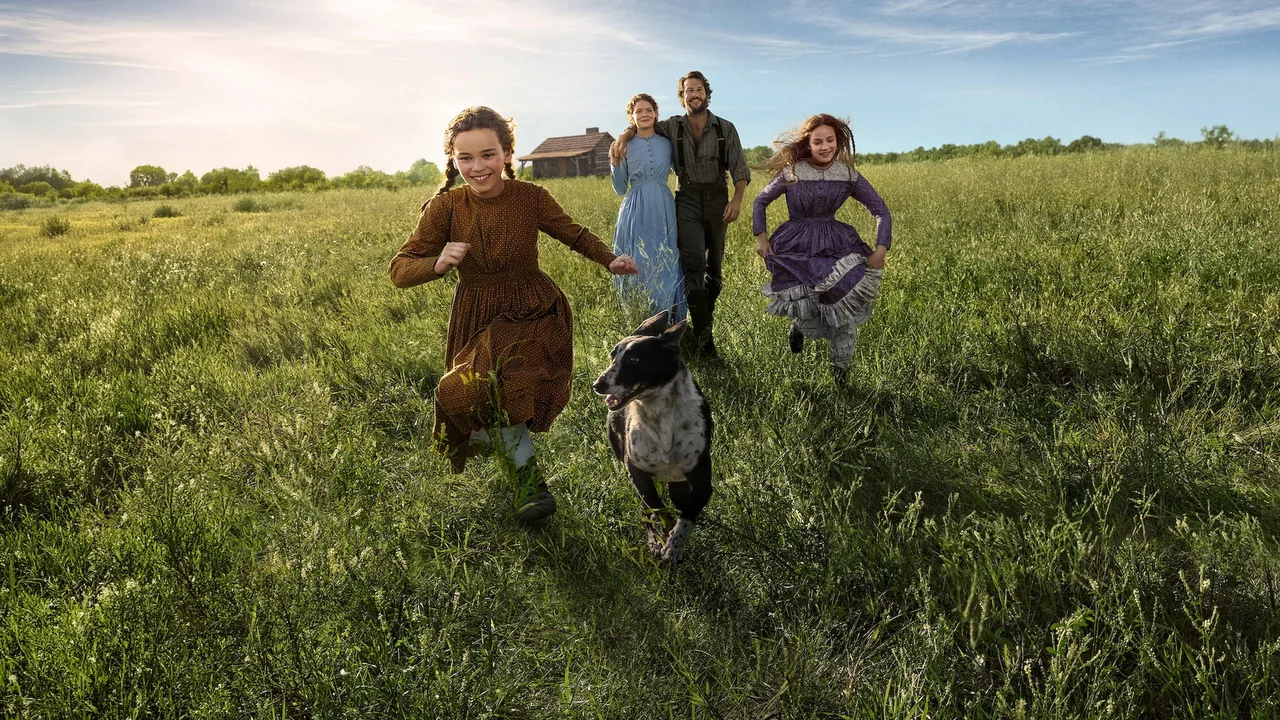
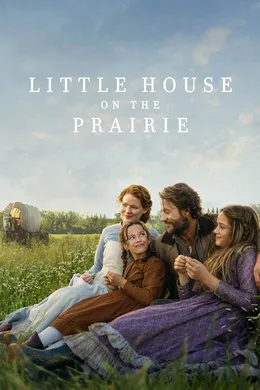
The most-watched show on Netflix in America right now is about a family in the 1870s trying not to starve. The new Little House on the Prairie premiered July 9, pulled 6.4 million views in its first four days, and climbed from third place to No. 1 on the US chart in its second week. Netflix renewed it for a second season back in March, months before anyone outside the company had seen a frame. The surprise is not that the title still sells. It is which Little House this show decided to be.
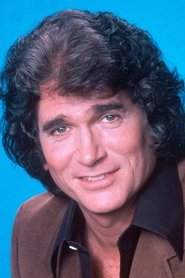
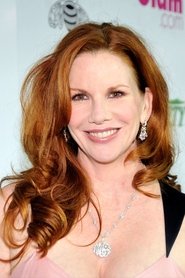
For two generations, Little House on the Prairie has meant the NBC series that ran from 1974 to 1983: Michael Landon's saintly Charles Ingalls, Melissa Gilbert's Laura, a moral warmly resolved before the credits. That show was comfort food, and it barely resembled the books it was named after. Rebecca Sonnenshine's version goes back to Laura Ingalls Wilder's novels instead, and it keeps what the old show sanded off. Critics have described it as harsher and less idealistic about the frontier than any previous adaptation. Caroline Ingalls (Crosby Fitzgerald) gets an inner life and a vote instead of a bonnet. The Osage, on whose land the Ingalls family is squatting, appear as characters with names, White Sun and Good Eagle among them, rather than as scenery. Dr. George Tann (Jocko Sims), the Black physician who treats the family, was a real person the books mention. Reviewers have mostly taken the point: the series sits at 78 percent on Rotten Tomatoes across 60 reviews, with young Alice Halsey's Laura and Luke Bracey's Charles drawing much of the praise.
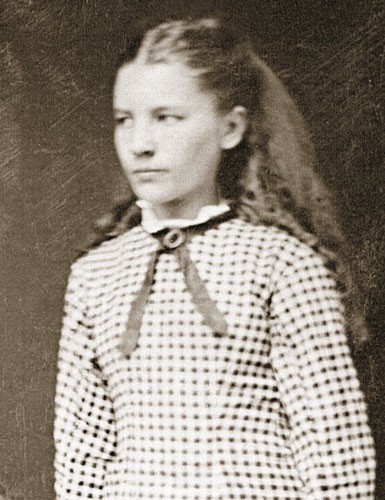


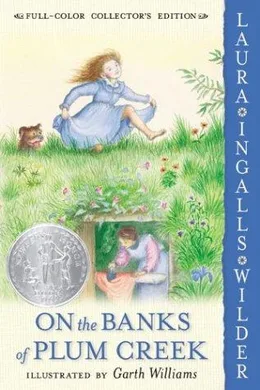
So here is the stance: the show's best decision is honoring how strange and hard the books actually are, and if the Landon series is all you know, you do not actually know Little House. Wilder's novels are a survival chronicle wearing a children's classic's clothes. Little House in the Big Woods opens with meat being smoked and a pig's bladder turned into a toy, because winter is coming and nothing is wasted. In On the Banks of Plum Creek, grasshoppers arrive like weather and eat a wheat crop that was already spent, since Pa built the house on credit against it; he walks east on foot to find harvest work. And The Long Winter is the masterpiece, a claim I will defend to anyone: months of back-to-back blizzards in Dakota Territory, the trains stopped, a town quietly starving, the family twisting hay into sticks for fuel and grinding seed wheat in a coffee mill for bread, while homesteader Almanzo Wilder and a friend ride out between storms to buy wheat from a farmer who may not exist. It reads less like nostalgia than like a disaster log kept by a teenager.
The reading path is short and worth doing in order. Start with Little House in the Big Woods (1932), the Wisconsin book, to learn the family and the rhythm of a year lived against the weather. Then Little House on the Prairie (1935), the Kansas year the new season adapts. Jump to The Long Winter (1940) for the hard peak. Finish with These Happy Golden Years (1943), in which fifteen-year-old Laura boards with a miserable family to teach school twelve miles from home, and her hostess takes up a butcher knife in the night. Strange and hard, as promised, and all four are an afternoon each.
One honest caveat belongs here: in 2018 the American Library Association removed Wilder's name from its children's literature award, citing the anti-Native and anti-Black sentiments that scholarship keeps surfacing in her work, and the new show's decision to give the Osage real presence on screen reads as a direct answer to that record. Read the books with that in view; they are documents of a settler family's perspective, not a neutral history. Then run the experiment the moment invites: watch the Netflix season, read the four books, and put on an episode of the 1974 series afterward. The old show will feel like a beloved theme park built next to a real place. The new one, whatever its flaws, at least gives you directions to the place itself.