It All Goes Back to Louis
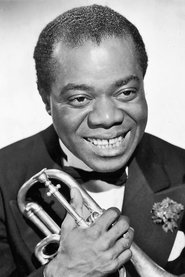
The records say Louis Armstrong was born in New Orleans on August 4, 1901, which makes this Tuesday his 125th birthday. He preferred a better story: for most of his life he claimed July 4, 1900, quietly awarding himself America's birthday, and honestly, the man had earned the fib. If you know him only as the gravel-voiced grandpa of "What a Wonderful World," this is the week to fix that. Armstrong is not a museum piece to be respectfully dusted once a century. He invented the vocabulary every singer and every trumpet player still uses, he was a genuine movie star, and the records remain, above everything else, fun.
The man who gave jazz a voice
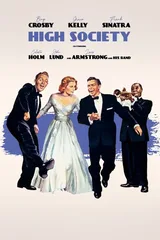
Between 1925 and 1928, with his Hot Five and Hot Seven bands in Chicago, Armstrong cut the sides where the jazz solo, as an idea, gets its birth certificate. "West End Blues." "Potato Head Blues." "Struttin' With Some Barbecue." Before those records, jazz was mostly ensembles improvising together; after them, it was an art of individual voices, and the warmest voice in the room was his. The singing arrived by accident. During a 1926 session, as Armstrong told the story, the sheet music for "Heebie Jeebies" hit the floor mid-take, so he filled the gap with nonsense syllables instead of stopping. The take became a hit, scat singing became a craze, and a young Bing Crosby started paying very close attention. Trace any relaxed, behind-the-beat pop vocal far enough back and you arrive at the same grinning trumpet player with a handkerchief in his hand.
The oldest No. 1 there ever was
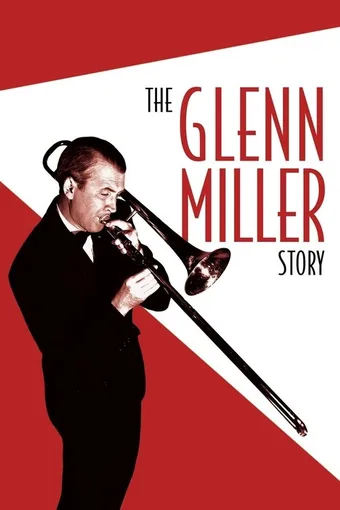
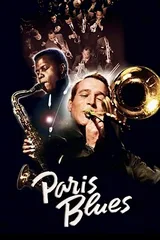
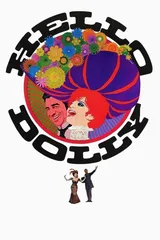
Here is the loveliest fact in chart history. In 1964, at the absolute peak of Beatlemania, the record that finally knocked The Beatles off the top of the American charts after 14 straight weeks was "Hello, Dolly!" by a 62-year-old Louis Armstrong. It stayed on the Hot 100 for 22 weeks and made him the oldest artist ever to reach No. 1. Hollywood had figured out his magnetism long before the charts confirmed it: he had already lit up The Glenn Miller Story opposite James Stewart in 1954, one of more than 30 films where directors found an excuse to point a camera at him, because whenever Armstrong plays, the movie around him gets better. And late in the 1960s came "What a Wonderful World," which topped the UK charts and, decades on, became the song everyone knows him by.
Where it goes from here
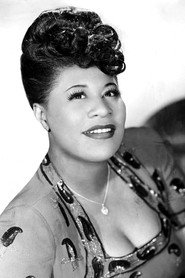
When these five doors stop being enough, the 1920s Hot Five and Hot Seven recordings are waiting, and a century later they still sound like someone kicking a door open. But none of this is homework. Armstrong spent five decades making the most demanding music in America feel like a party you were personally invited to. So this Tuesday, August 4, pour something nice, put on Ella Fitzgerald and Louis trading verses, and wish Pops a happy 125th. He would have preferred the party to the plaque.