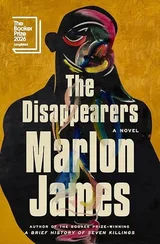
Is The Disappearers Really the Novel of the Century?
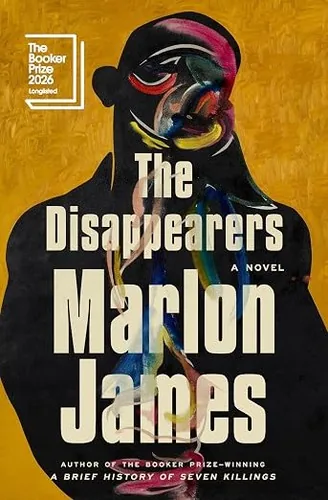
Eight gay men in Kingston in 1988, rehearsing John Herbert's prison play Fortune and Men's Eyes, until a mob arrives. One is killed, two vanish, and the rest carry that night for the rest of their lives. That is the whole engine of The Disappearers, the new novel from Marlon James, published last Tuesday, September 1 in the US (Riverhead, 640 pages) and last Thursday, September 3 in the UK, and already on the Booker longlist.
You have probably heard about it because of one sentence. Dwight Garner, in The New York Times, wrote that "James has written a masterpiece, the novel of the decade and possibly of the century thus far." He added: "It sank knives deep into my heart. I'm still in recovery from it." Publishers put lines like that on jackets. Readers file them under reasons for suspicion.
So, for anyone with a limited number of reading weeks this autumn: is a 640-page, brutally violent Jamaican revenge epic worth a month of them? And if you have never read James, do you start here?
The case against, honestly
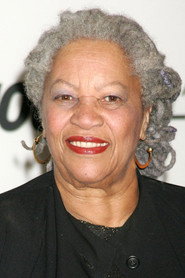
The dissent is real and it is specific. Yagnishsing Dawoor in The Guardian: "The overlong narrative sags in places, tarrying where it should speed along." He "struggled with the fact that a significant chunk of the action is reported rather than dramatised." The revenge plot's debt to Toni Morrison's Song of Solomon "can veer into self-conscious pastiche." Sam Sacks in The Wall Street Journal thought Eddy's early chapters were the strongest and that the ending "seems merely tacked on." Ron Charles wrote the warning label: "This is one of the most graphic and disturbing novels I've ever read."
None of that is a bad review. The Guardian, in the same piece, calls the prose "a consistent triumph: bitter and hilarious, lyrical, bawdy, pugnacious and scorchingly, ravishingly queer." Charles thinks Jordan Brown's section is "the best thing James has ever written." Bookmarks has counted seventeen reviews and not one pan. Kirkus, no gusher, lands on: "Even when it stress-tests your senses, this sprawling depiction of gay life in Jamaica is galvanizing."
Nobody disputes the sentences. The argument is about the middle: whether five parts, each from a different perspective, built from interview fragments, journal entries and letters, earn their length, or whether the book Kirkus calls "equal parts detective story and sociocultural history" lets the history win too many chapters.
The verdict
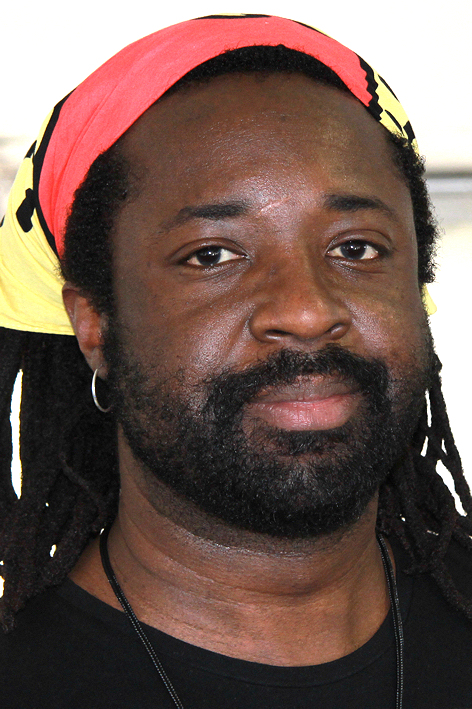
Worth it, though not casually. The attack is the premise rather than the finale, so it arrives early and the novel lives in the aftermath. If you are reading for the mystery of Orrin Turner and Matt Chin, the two who vanish, you get it, plus the survivors, Jordan Brown and Eddy Porteous, chasing it six years later as the AIDS crisis closes in. But the detective shape is only the handle. What it is attached to is a country James left ("Whether it was in a plane or a coffin, I knew I had to get out of Jamaica," he wrote in 2015) and a gay community he grew up closeted beside and never got to belong to. He told The New York Times the book grew out of an attack on a group of gay men in his own youth: "I always remember that because of who I am, it could have been me." He researched it like a reporter: interviews, the Schomburg Center in New York, a trip to London for one 1940s flashback. The length is the cost of that.
So: yes, if you can take the violence. Charles is not exaggerating.
Which James do you open first
Five earlier novels, none interchangeable. John Crow's Devil (2005), rejected seventy times before it sold, is set in a remote Jamaican village in 1957. The Book of Night Women (2009) is a Jamaican plantation in the early 1800s. A Brief History of Seven Killings (2014) won the Booker in 2015, is told by a crowd of narrators across several decades of Jamaican history, and is the book Kirkus reaches for when it compares The Disappearers to anything. Black Leopard, Red Wolf (2019) and Moon Witch, Spider King (2022) are the two finished books of his Dark Star fantasy trilogy, the first of them announced under a Gizmodo headline calling it an "African Game of Thrones." He also wrote Get Millie Black, the 2024 HBO detective series.
Our crown goes to The Disappearers itself, and not because it is new. James calls it "the first novel where I'm drawing so much from my life. I know that's usually a debut novel for people. I had to wait six novels to do it." It is also the one with a mystery spine, which is exactly what gets a newcomer through a James middle. Seven Killings has the prize and the reputation; it also has the crowd of voices that hooks you by page fifty or loses you for good. The new one gives you two missing men and two men looking for them.
The fantasy reader should ignore all of this, start with Black Leopard, Red Wolf, and come back. Everyone else: the new one first, Seven Killings second.
The Booker shortlist lands Tuesday, September 22. If James makes it, the argument starts over, louder, and you want your own opinion by then, not a jacket quote. So open The Disappearers this week and give it until Jordan Brown's section, past the attack, the part Charles calls the best thing James has written. If it has you there, it has you for all 640. Then pick up Morrison's Song of Solomon, because the pastiche charge is the one part of this argument you can settle yourself.