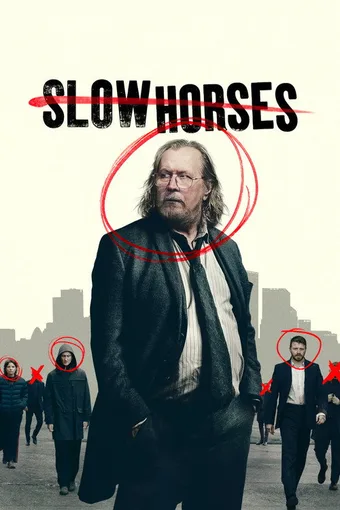
Is Slow Horses Better Than the Books?
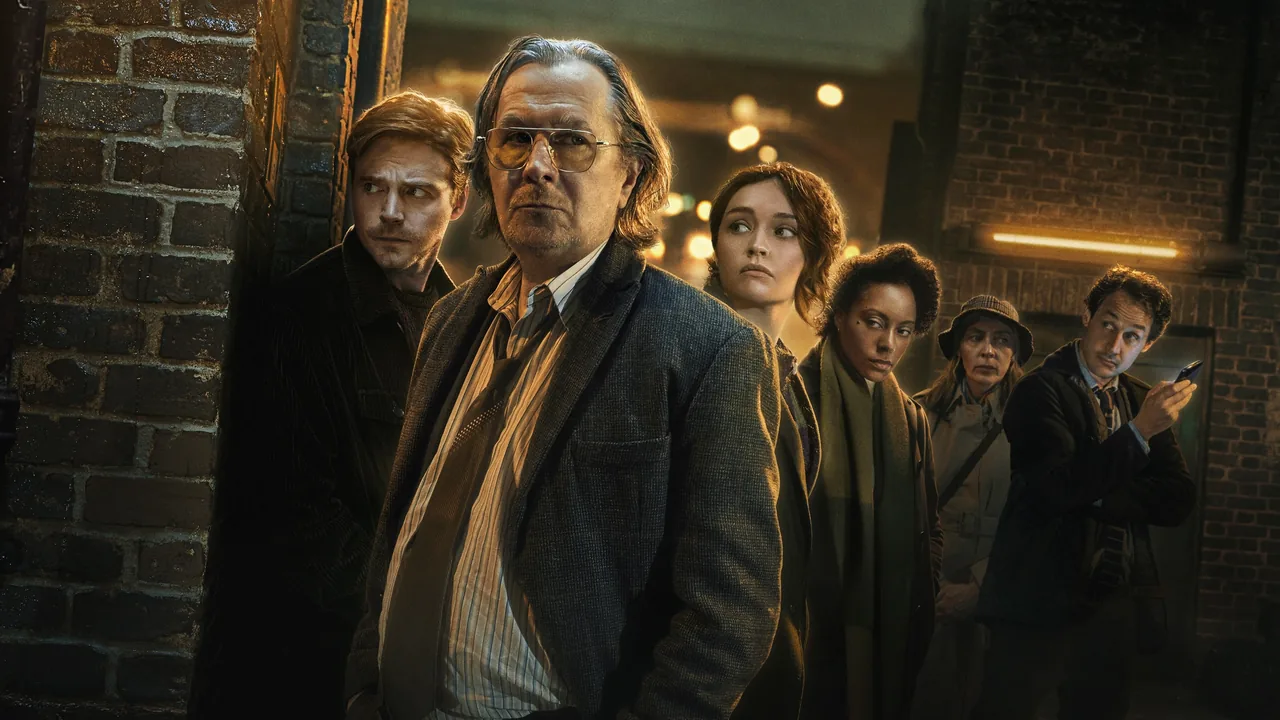
This Wednesday, September 16, Slow Horses returns to Apple TV for its sixth season: one episode on premiere night, then one a week until the finale on Wednesday, October 21. Two nights before the premiere, on Monday, September 14, it is up for Outstanding Drama Series at the Emmys, with Gary Oldman nominated for lead actor, Jack Lowden for supporting actor, and further nominations for directing and for Will Smith's writing. Whatever the envelopes say, the new season arrives in rude health. The first reviews landed last week, and by last Friday, September 11, Rotten Tomatoes had it at 100 percent from its first ten. In the Daily Telegraph, Ed Power wrote: "Where Slow Horses goes above and beyond is combining that withering view of government institutions with fantastically convoluted plotting." At RogerEbert.com, Brian Tallerico admitted a wobble and a recovery: "After season five, I was a little concerned ‘Slow Horses’ was losing its cadence; now, I’m ready to watch it for another decade."
So the old argument is back, the one that follows this show wherever Mick Herron's readers gather: is the show better than the books?
No. The books are better. Watch the show first anyway.
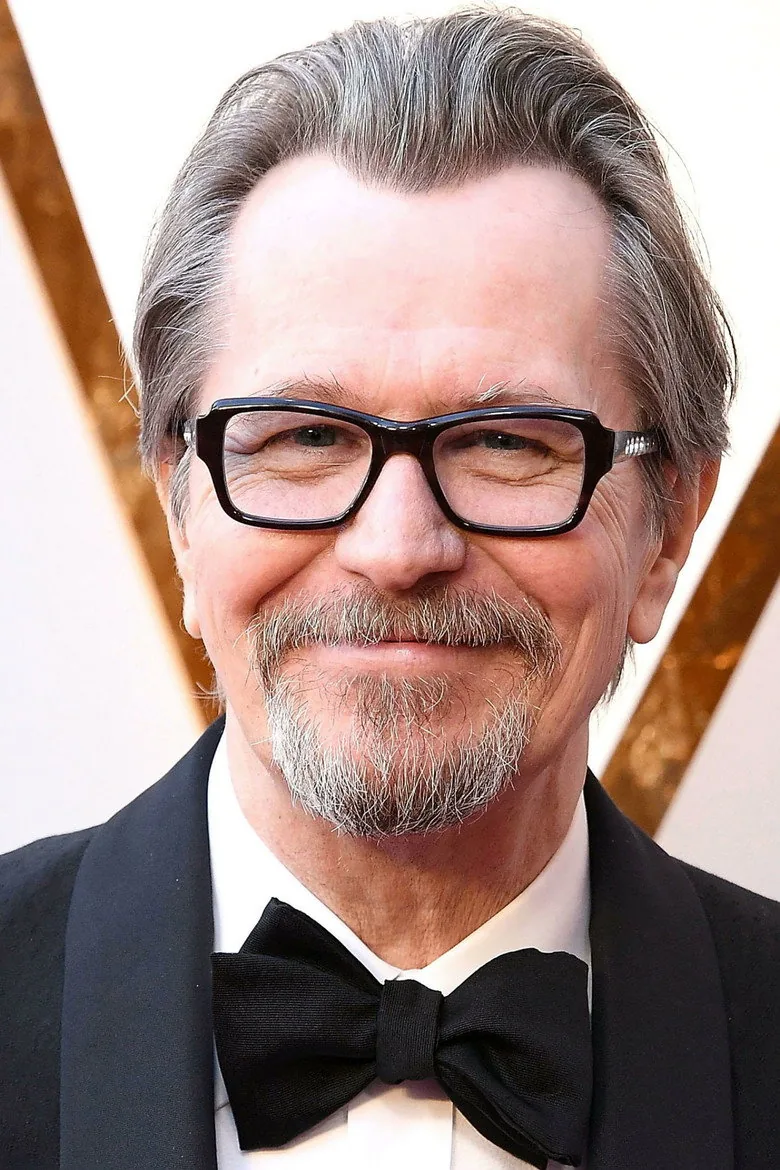
What the page has that the screen can't
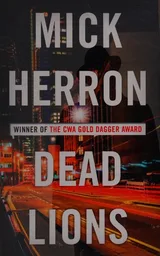
Start with where the books came from, because it explains how they read. Herron wrote Slow Horses while working as a subeditor on an employment law journal, commuting from Oxford to London and writing for an hour each evening once he got home. Constable published it in 2010, it didn't do well, and the publisher turned down the next book. The sequel, Dead Lions, first came out only in the United States, through Soho Press, and still won the Crime Writers' Association Gold Dagger in 2013. When John Murray reissued the early books in Britain in 2015, they sank again, and Herron told The Guardian that the editor behind the reissue "decided the reading public had got it wrong and he was going to keep reprinting these books until people noticed." People noticed. Herron calls himself "a rescue author", and what got rescued was the writing.
That is the part a television show cannot adapt. Herron's plots travel beautifully: the "fantastically convoluted plotting" Power praises on screen was on the page first. What stays behind is the narration, the voice that lives between the lines of dialogue. It is why Publishers Weekly singled out Dead Lions for "its often lyrical prose", and why an early Booklist review called Slow Horses "a wonderfully funny, farcical, deeply cynical skewering of politics, bureaucrats, turf wars, and the Great Game." On screen, a joke has to be said out loud by somebody. On the page, half of Herron's jokes live in how a sentence ends.
Jackson Lamb is the clearest case. Interviewing Herron for The Guardian, Charlotte Higgins called Lamb "the Falstaff of the spying world: obese in body; revolting in personal habits; gratuitously insulting in manner." He is foul enough to startle the man who invented him.
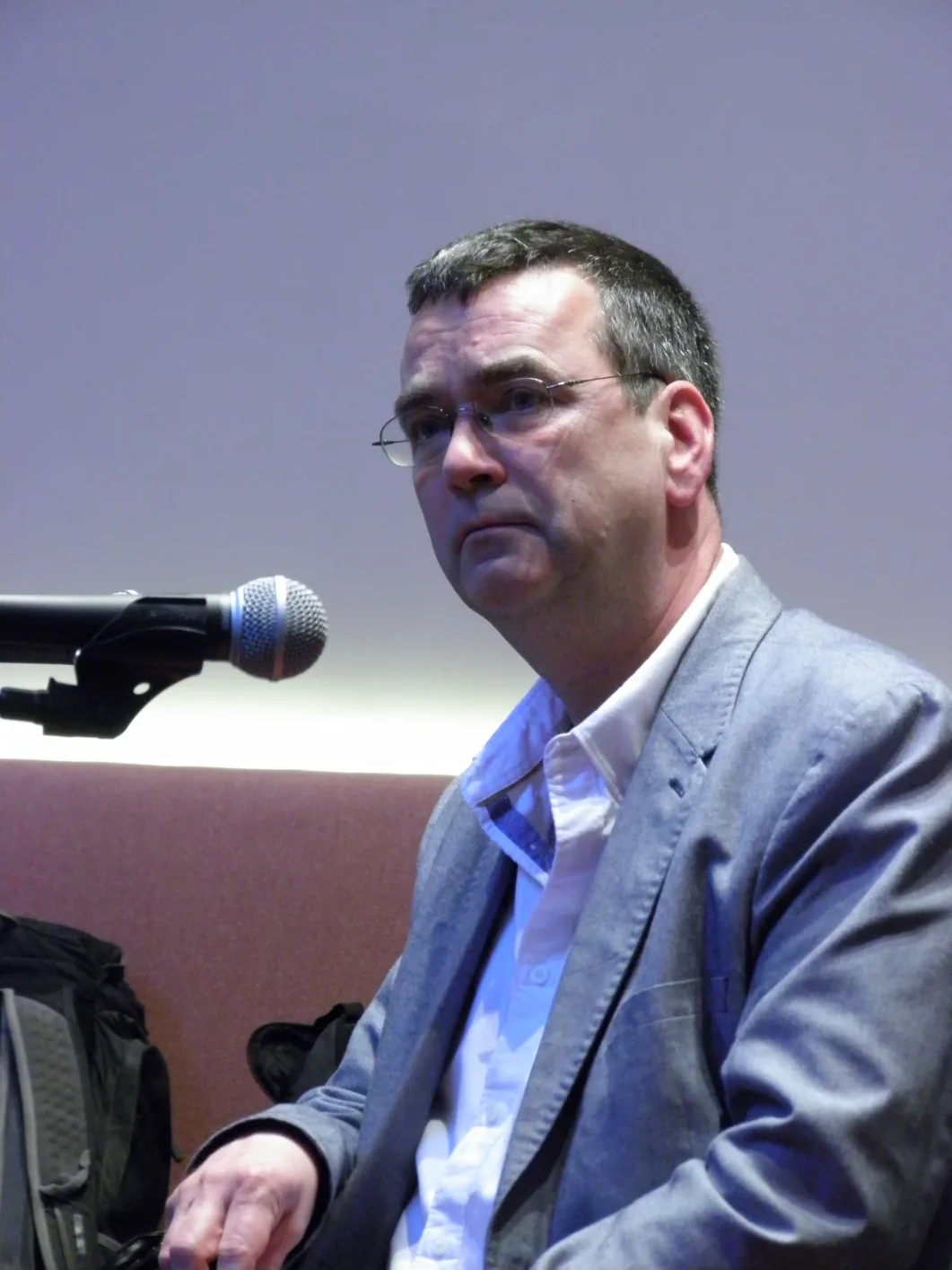
Why the show still goes first
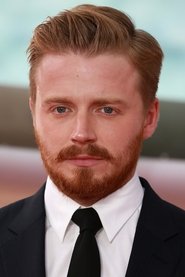
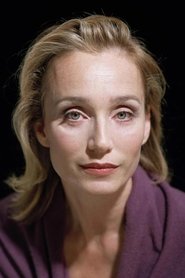
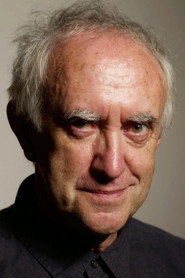
Because Oldman got there. The Rotten Tomatoes critics' consensus on season one credited him with "a masterclass in frumpy authority", and five seasons on, his Lamb is still the best argument the series has. The show has also done something prestige television almost never does: a new season every year since it premiered in April 2022, six seasons covering seven novels by the time this one ends. Watch first and you get the machinery at full speed, with Kristin Scott Thomas's Diana Taverner scheming at Regent's Park, Jonathan Pryce as River's grandfather David Cartwright, and Lowden's River Cartwright running headfirst into every wall MI5 can build.
Then read the books, and the twists you already know stop mattering. What is left is the writing, and it holds. A thriller that still works after you know the ending was never really selling you the ending.
Season six: two novels, six episodes
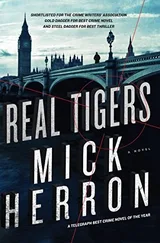
The new season is the biggest test of that deal yet. The first five seasons took one novel apiece: Slow Horses, Dead Lions, Real Tigers, Spook Street, London Rules. Season six takes two, Joe Country (2019) and Slough House (2021), the sixth and seventh novels, and fits them into six episodes. Soho Press sells Joe Country with the line "If Spook Street is where spies live, Joe Country is where they go to die." Apple's logline has the slow horses on the run as Taverner throws them all into a "fatally high-stakes game of retaliation and revenge". Ann Cleeves called the novel Slough House "a darker, scarier Herron", adding: "The gags are still there but the satire's more biting."
It is also the first season without Will Smith as showrunner, and it follows the one season critics rated below the show's usual standard: the Rotten Tomatoes consensus on season five said it "doesn't quite measure up to the series' high bar". Gaby Chiappe takes over as head writer, and Adam Randall directs. The early word says the handover worked. In the Irish Independent, Pat Stacey wrote: "I’m tempted to say that, despite the departure of Will Smith, this might be the best Slow Horses yet." Awards Buzz called it the "best one yet" outright. Two books in one season is the most ambitious thing this show has tried, and I would rather it overreach like this than coast.
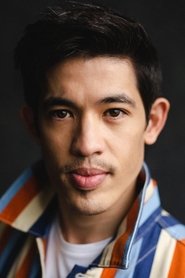
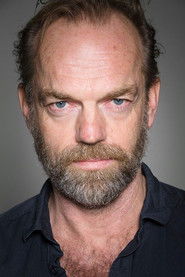
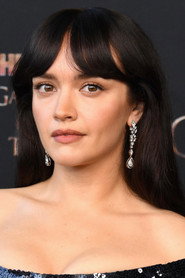
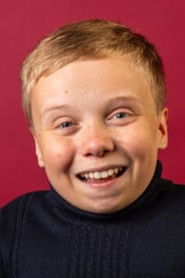
Oldman, Lowden and Scott Thomas are back, with Saskia Reeves as Catherine Standish, Christopher Chung as Roddy Ho, Hugo Weaving as Frank Harkness, and Olivia Cooke as Sidonie "Sid" Baker, her first return since season one. The newcomer is BAFTA TV Award winner Lenny Rush, playing Reece Nesmith, a child witness.
Where to start
- New to all of it? Start at season one, not season six. The new season is the payoff for five seasons of grudges, and it moves at two books' speed. Thirty episodes stand between you and the premiere, and season six will wait for you.
- Caught up? Watch season six week by week through Wednesday, October 21, then read Joe Country and Slough House to see what six episodes had no room for.
- Books first or after? After, and from the beginning: start with the 2010 novel, not with whichever book the show has reached, and follow the reading order below. You will already know the twists, which is exactly the test the books pass.
- Want to get ahead of the show? Season seven will be based on Bad Actors (2022), and the newest novel, Clown Town, came out in 2025. Once season six ends, they are the only two Slough House novels the show has not reached.



The shelf Slough House came from
When the slow horses run out, go back to where Herron started. He began reading John le Carré at 14, and told The Guardian that le Carré "gave me permission to become a writer … He showed me you could invent an entire world, invent its language too." Val McDermid calls Herron "the John le Carré of our generation." Oldman has stood on both sides of that comparison: in 2011 he played George Smiley in Tomas Alfredson's Tinker Tailor Soldier Spy, a performance that earned him a Best Actor Oscar nomination.
The le Carré order I would hand a Lamb fan: start with The Spy Who Came in from the Cold, le Carré's third novel, in which a British agent is sent into East Germany as a fake defector. It won the Gold Dagger in 1963, fifty years before Dead Lions won the same prize. Then read the 1974 novel Tinker Tailor Soldier Spy, watch the BBC's seven-part 1979 series with Alec Guinness as Smiley (the adaptation le Carré named his favourite), and save Alfredson's film for last, so you meet Oldman's Smiley after his Lamb. For something glossier between seasons, The Night Manager (2016), with Tom Hiddleston, Hugh Laurie and Olivia Colman, sends a former British soldier working as a hotel night manager into an arms dealer's inner circle.