Every New Beatles Fan Should Start With Rubber Soul
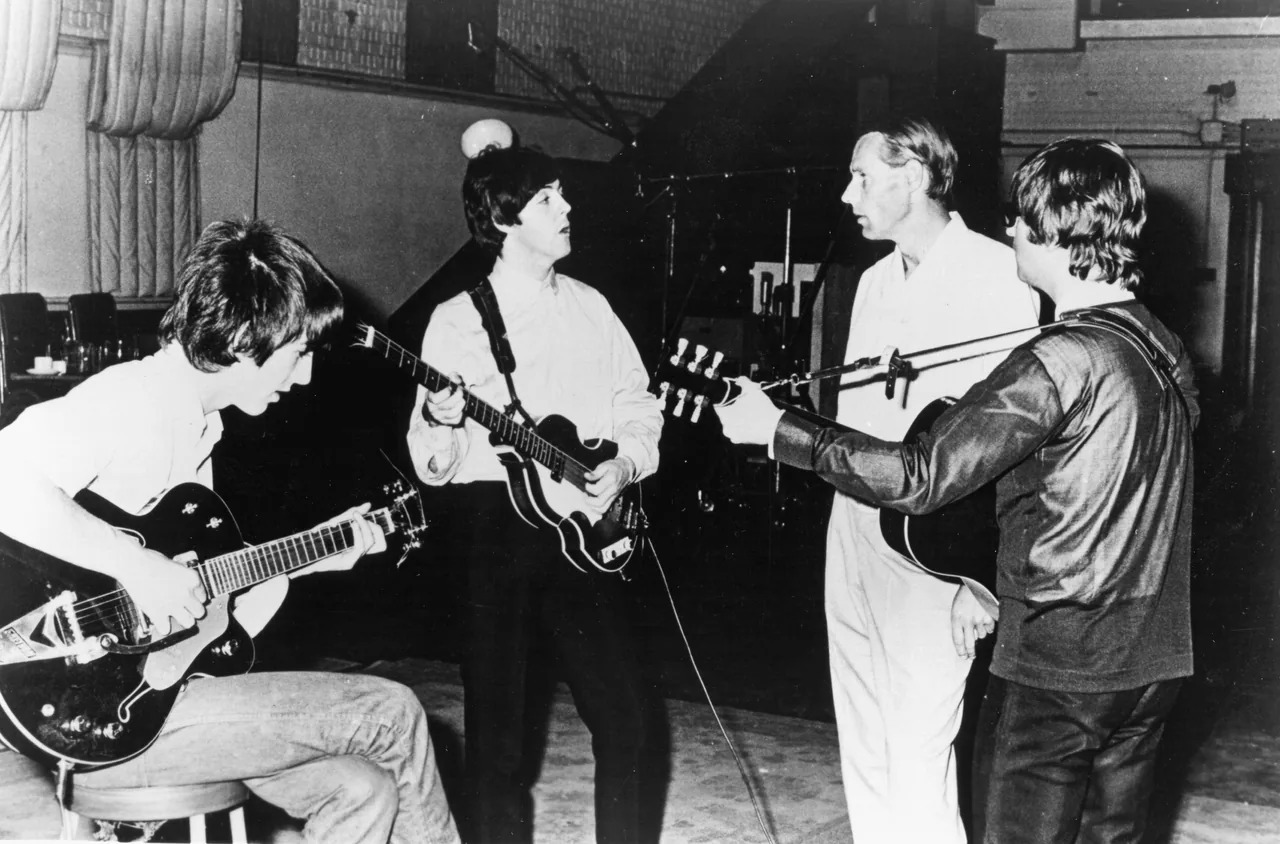
This Friday, October 2, Rubber Soul comes back as a special edition, sixty years and ten months after it first landed in British shops on December 3, 1965. Giles Martin and Sam Okell have built a new stereo mix from the original four-track tapes, with help from the de-mixing technology Emile de la Rey's team at WingNut Films developed for Peter Jackson's The Beatles: Get Back. It is the same treatment Revolver got in 2022, and it arrives with a question every reissue should prompt: if someone asked you where to start with the Beatles, what would you hand them?
We would hand them this one, ahead of Abbey Road and ahead of Revolver.
Why here, and not the famous ones
John Lennon made the case himself, not long after it came out.
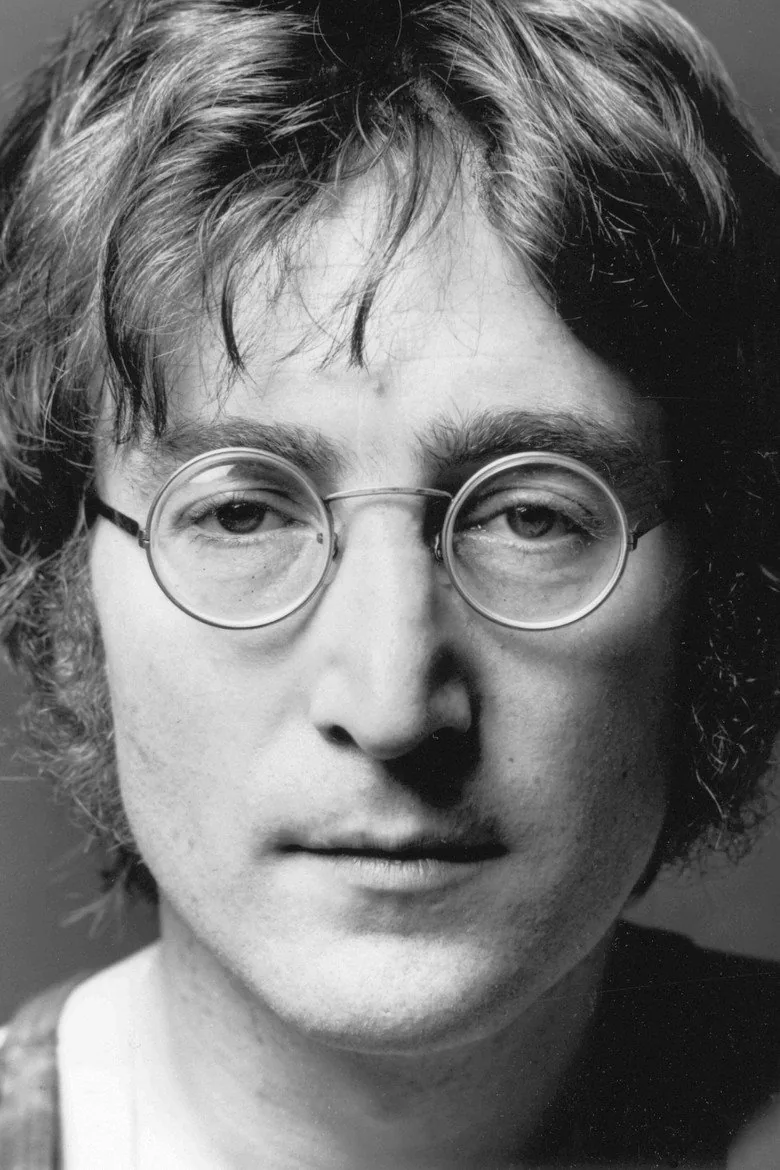
He had a point, and Paul McCartney felt the same, saying in an interview after its release: "Rubber Soul for me is the beginning of my adult life." This is the record where the Beatles stop sounding like a singles machine and start sounding like a band with a point of view, and it does it without asking a newcomer to swallow the studio experiments that came next. Their producer, George Martin, later put it plainly: "For the first time we began to think of albums as art on their own, as complete entities."
Listen to what is packed into fourteen songs. "Norwegian Wood" is the first time George Harrison brought a sitar onto a Beatles record. "Nowhere Man" is the first Beatles song that is not about romance at all. "In My Life" carries George Martin's piano solo, recorded at half speed so it comes back sounding like a harpsichord. "Drive My Car" opens the whole thing on a guitar and bass riff that owes a debt to Otis Redding's "Respect", and "Michelle" became one of the most covered songs they ever wrote.
Revolver is the bolder album and Abbey Road the more polished one. Both make more sense once you have heard the turn happen, and Rubber Soul is where it happens. Rolling Stone ranked it fifth on its 2012 list of the 500 greatest albums, and it is the most welcoming record in that top five.

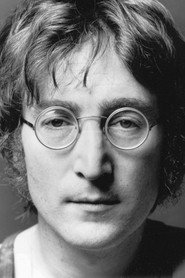
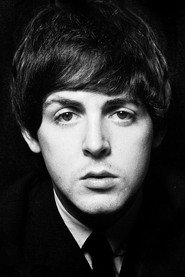
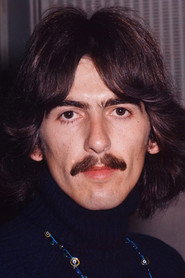


What is new in the box
The headline find is "Little Girl", which the official announcement calls "a previously unheard John Lennon song outline never before released or even rumoured." Giles Martin told Rolling Stone that it came from the Lennon estate, one of those moments where they say, "Oh, and then there's this."
Around it sit 20 previously unreleased takes and three home demos, including Paul McCartney's demo of "We Can Work It Out", plus work on the "Day Tripper" and "We Can Work It Out" double A-side that was released alongside the album in 1965. Martin keeps the studio chatter in on purpose. "I try and put as much dialogue on there as possible, because I think it's really important to hear them as people," he said. The big sets also carry an 88-page book with a new introduction by McCartney and a foreword compiled from Lennon's own words.
Which edition to buy
The question is whether you already love this record. The single CD and single LP give you the new stereo mix and nothing else. That is enough for a first listen, and it is the version we would hand a newcomer.
If you already love this record, go straight to the 4CD super deluxe (or the 5LP box). The outtakes are fun, but the real reason is two other discs: the original 1965 mono mix and the Capitol US album. A double CD and double LP sit in between, and a Blu-ray carries the new Dolby Atmos mix for anyone with the speakers to use it.
A listening plan for the weekend
- Friday: the new stereo mix of Rubber Soul, in order, from "Drive My Car" to "Run for Your Life." No shuffle.
- Saturday: the original 1965 mono mix, straight through, to hear the record as it was first mixed.
- Sunday: the Capitol disc. It opens on "I've Just Seen a Face", drops "Drive My Car", "Nowhere Man", "What Goes On" and "If I Needed Someone", and adds "It's Only Love." Both newcomers were lifted from Help!, and the four cuts turned up on Yesterday and Today the following June. Capitol sequenced it as a softer, acoustic folk-rock record, and it is worth one spin to hear how different the same sessions feel. Then go back to the UK running order, which is the real album.
After that, you are ready for Revolver, and then Abbey Road.