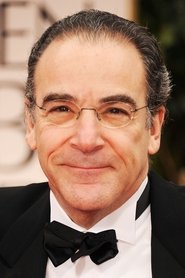
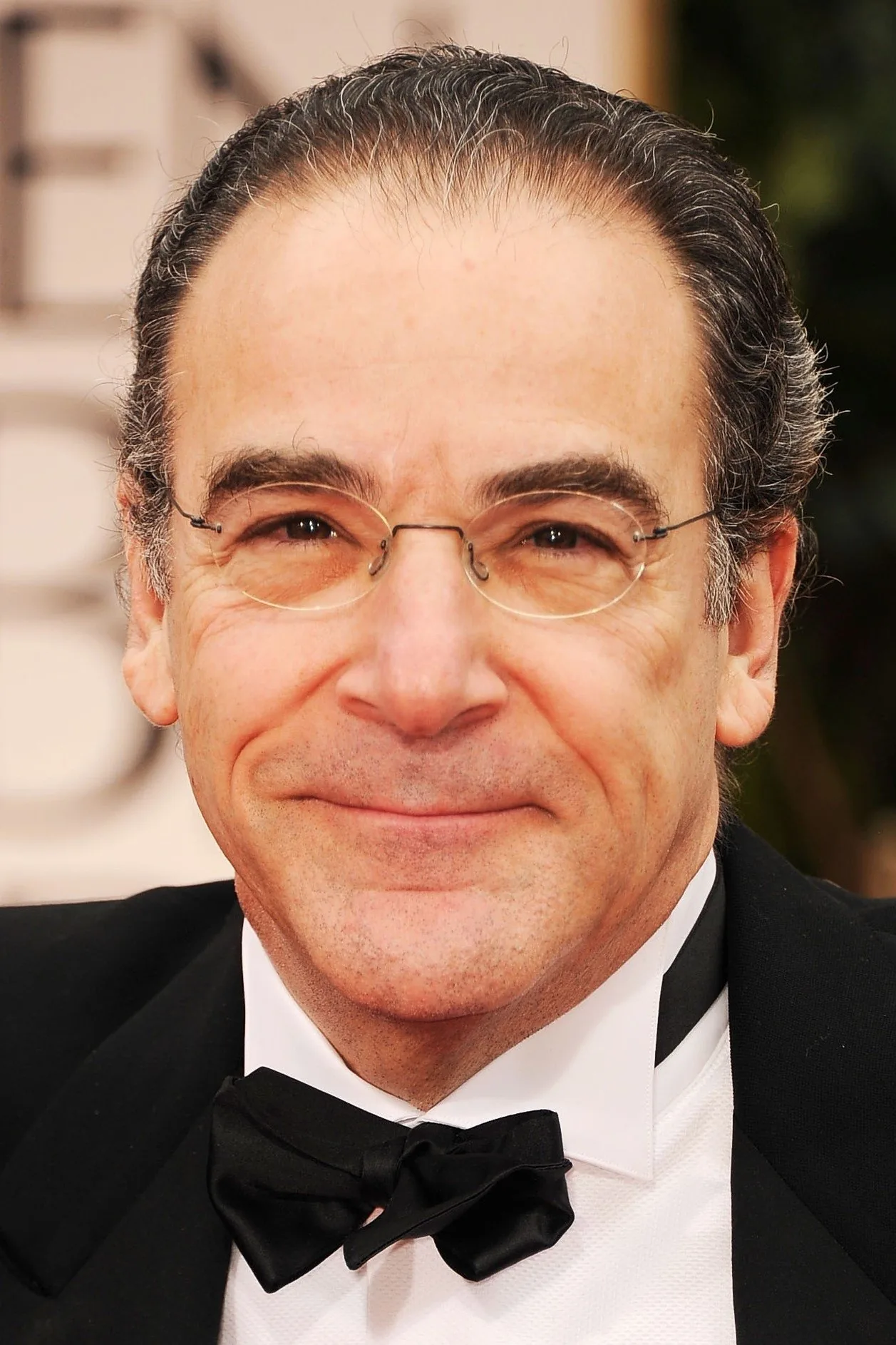
Mandy Patinkin Regretted Criminal Minds. Should You?
In 2012, Mandy Patinkin called choosing Criminal Minds his biggest public mistake. That is a hard judgment to place beside Jason Gideon. Does knowing it change the pleasure of watching him?
I do not think it has to. A performance is something you meet on screen. You can value it without deciding that making it was good for the actor. The useful next step is to look at what Gideon does for the show, then put him beside Patinkin's Saul Berenson.
You can miss an actor without claiming a right to more of him. Equally, viewers do not need to apologise for being moved by a character.
Criminal Minds follows FBI behavioural profilers investigating violent crimes. Gideon's watchfulness gives its early episodes much of their appeal. He makes understanding a dangerous person look costly, but worth attempting. The procedural offers the hope that noticing one more thing might save someone.
That is a fair defence of the genre, and it has limits. A familiar team can make the next case feel reassuringly routine. Whether that comforts you or makes you uneasy depends on where an episode asks you to look: at the investigators, at the victim or at the violence itself.
Now place Gideon beside Saul Berenson in Homeland. Its opening premise is a CIA officer's suspicion about a returned prisoner of war. Patinkin's authority sits inside a story that makes certainty dangerous. The pleasure is in wondering whether an experienced man has read the situation correctly.
For the next watch, I would choose Homeland. It gives that familiar, reassuring presence more room to worry you. You can admire Gideon and still want to see what happens when a different show puts pressure on the same qualities.
Try the Criminal Minds pilot, then Homeland's opening episode. Notice when you trust him and whether the story gives you reason to. That comparison is more rewarding than asking an interview to tell you what you are allowed to enjoy.