Aaron Sorkin's Social Network Sequel Can't Escape David Fincher
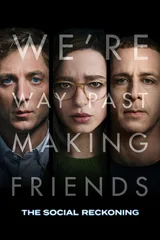
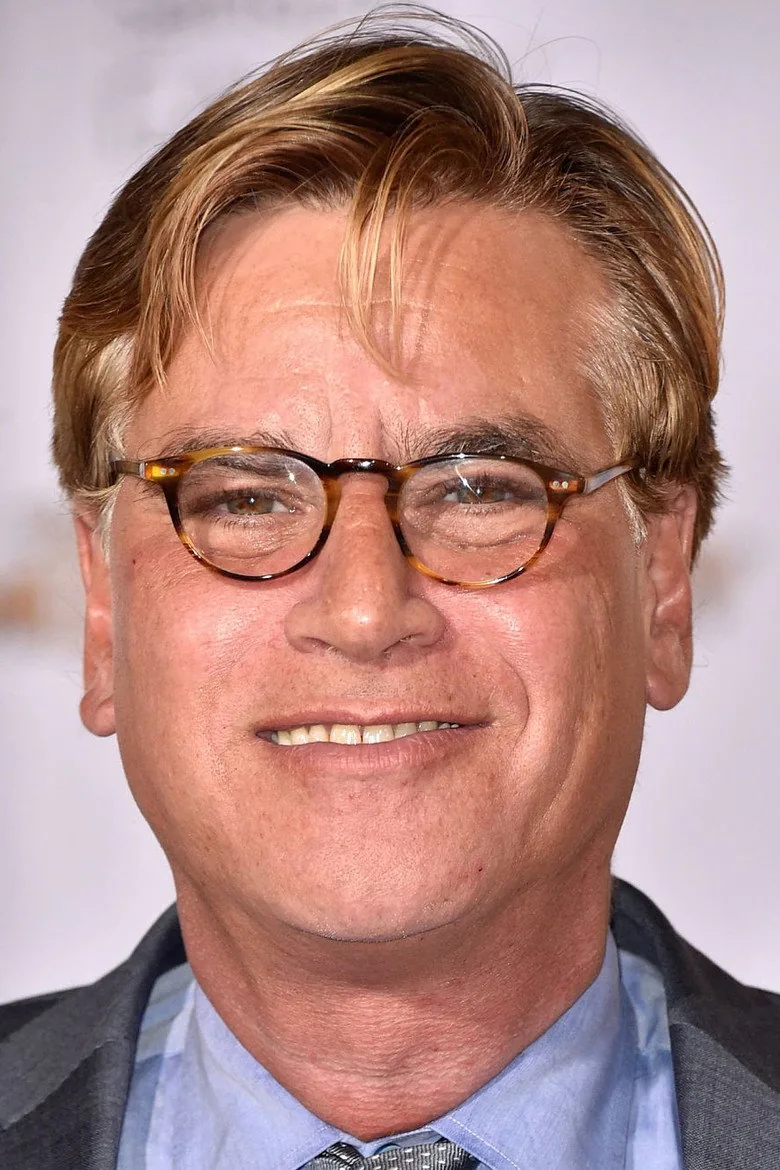
In October 2020, ten years after The Social Network, Aaron Sorkin said he would only write a sequel if David Fincher came back to direct it. Fincher did not come back. Sorkin wrote it anyway, directed it himself, and The Social Reckoning opened in US theaters last Friday, October 9.
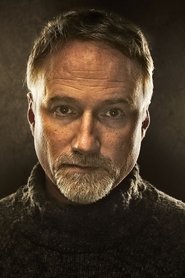
The reviews keep doing something odd: naming a man who is not in the credits. "The greatest flaw of The Social Reckoning is that David Fincher isn't directing," wrote Alonso Duralde at The Film Verdict, and plenty of his colleagues said a version of the same. So the fan argument writes itself. Was a sequel ever a good idea, or did Sorkin simply need Fincher all along?
Our read is that the sequel was worth making and the trouble is the chair Sorkin sat in to make it. Six years ago, he more or less told us so himself.
The story was worth telling
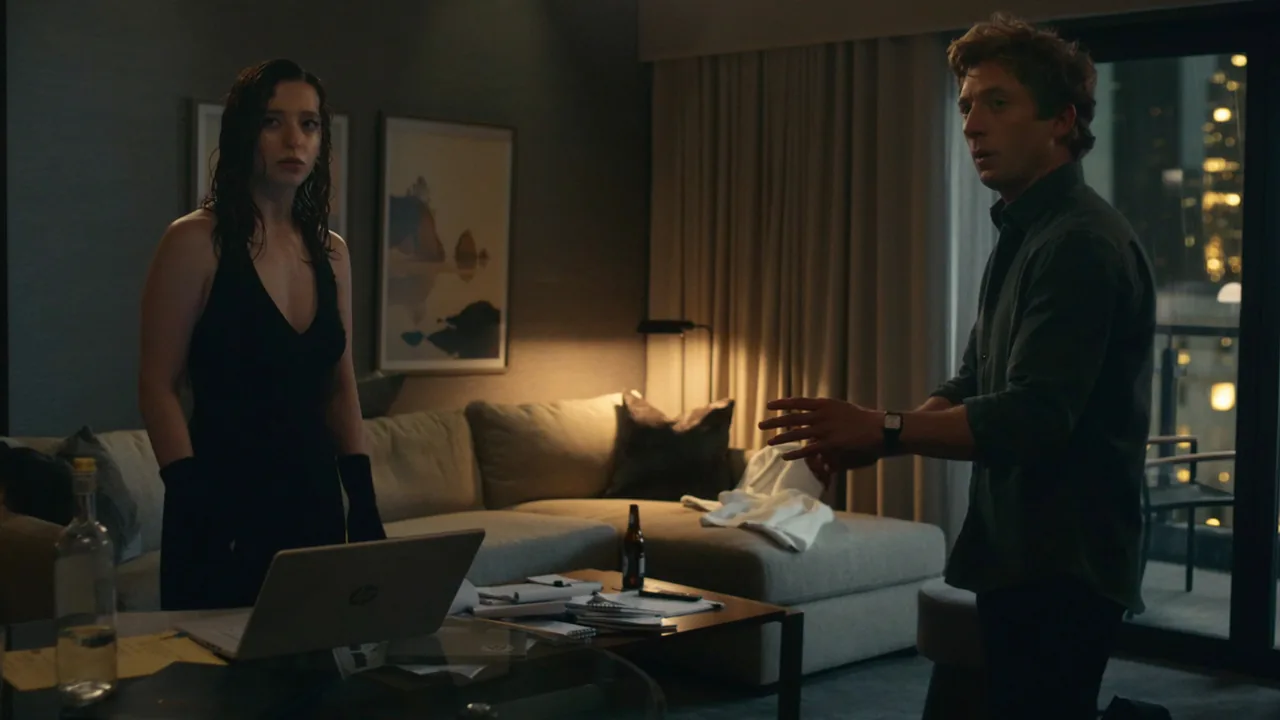
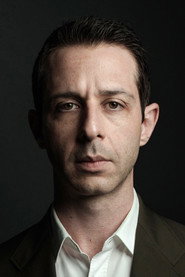
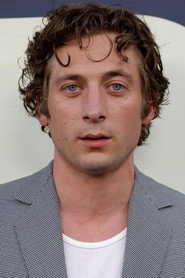
The new film dramatizes the 2021 leak by whistleblower Frances Haugen, played by Mikey Madison, and the Wall Street Journal reporting by Jeff Horwitz, played by Jeremy Allen White. Jeremy Strong takes over as Zuckerberg, now preparing for Congress. Jesse Eisenberg declined to return; Sorkin has said Eisenberg "did not want to be conflated with Mark Zuckerberg anymore."
That is a sharp place to pick up the thread. The first film was about how Facebook got built. Following that product into a whistleblower's document dump is a real second chapter, and even the skeptics grant the script its bite. David Rooney at The Hollywood Reporter called it "sharp entertainment." Cody Dericks at Next Best Picture found it "much more entertaining and, perhaps unexpectedly, funny."
Sorkin has been frank about what he is aiming at. He told Vanity Fair, "The movie is about Facebook's role and the rise of divisiveness, extremism, and hyper-partisanship in the country." Then he added the line people are still arguing over.


Where the complaints land
Read the negative reviews closely and they rarely go after the writing. They go after the frame around it. Kent M. Wilhelm at The Film Stage wrote that Sorkin's "affinity for classical Hollywood storytelling is so off-key for this moment as to feel tone-deaf." Brett Arnold at Yahoo said it arrives "without any of the verve that made Fincher's film stand the test of time." Several critics, per Dark Horizons' roundup, felt the whole thing looked like a straight-to-streaming release. Guy Lodge at Variety found its closing note of triumph "quaint at best, and hardly satisfying."
Strong is where this gets interesting. The Houston Chronicle's critic saw his Zuckerberg as "a smart and cunning but tense, brittle man." Brittle is a hard thing to film. Eisenberg's chill in 2010 played like a wound because Fincher's camera kept pressing on it, scene after scene. A tense, closed-off character needs a director who knows exactly when to crack him open, or he can simply stay shut for two hours.
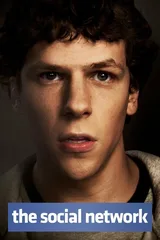
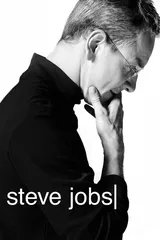
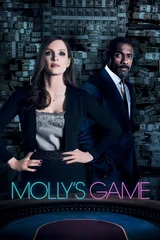
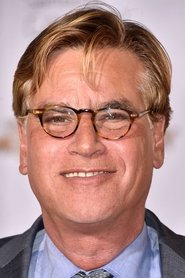
Sorkin's own directing record points the same way. Molly's Game and The Trial of the Chicago 7 both earned him Oscar nominations, for screenplay. Chicago 7 also got him a Golden Globe nod for directing, so we will not pretend he cannot run a set. Being the Ricardos earned its Oscar nominations for its three actors, not for him. And the films where his words hit hardest on screen were shaped by other hands: Fincher on The Social Network, which won Oscars for its script, its Trent Reznor and Atticus Ross score and its editing, and Danny Boyle on Steve Jobs, who shot each of its three product-launch acts on a different film format. Those directors turned Sorkin's talk into rhythm and pressure. His own films mostly leave the talk to do the work alone.
So, should you go?
Yes, with your expectations set by the right film. Go for Madison and White chasing a story, for Strong's brittle Zuckerberg, and for a script that even the cooler reviews concede is entertaining. Do not go expecting the dread of the 2010 film, because review after review says it is missing.
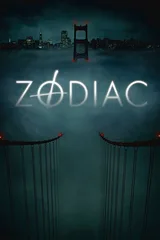
Do your homework in this order. Rewatch The Social Network first, since the new film leans on your memory of that ending. Then, if the reviews leave you craving the Fincher version that never happened, put on Zodiac: a cartoonist, a crime reporter and a detective buried in letters and paperwork, which is the obsessive-newsroom movie The Social Reckoning seems to want to be. And if it is pure Sorkin you are after, Steve Jobs shows what his dialogue can do with a director who matches it.