Amy Winehouse's Back to Black at 20: Is It Really the One to Start With?
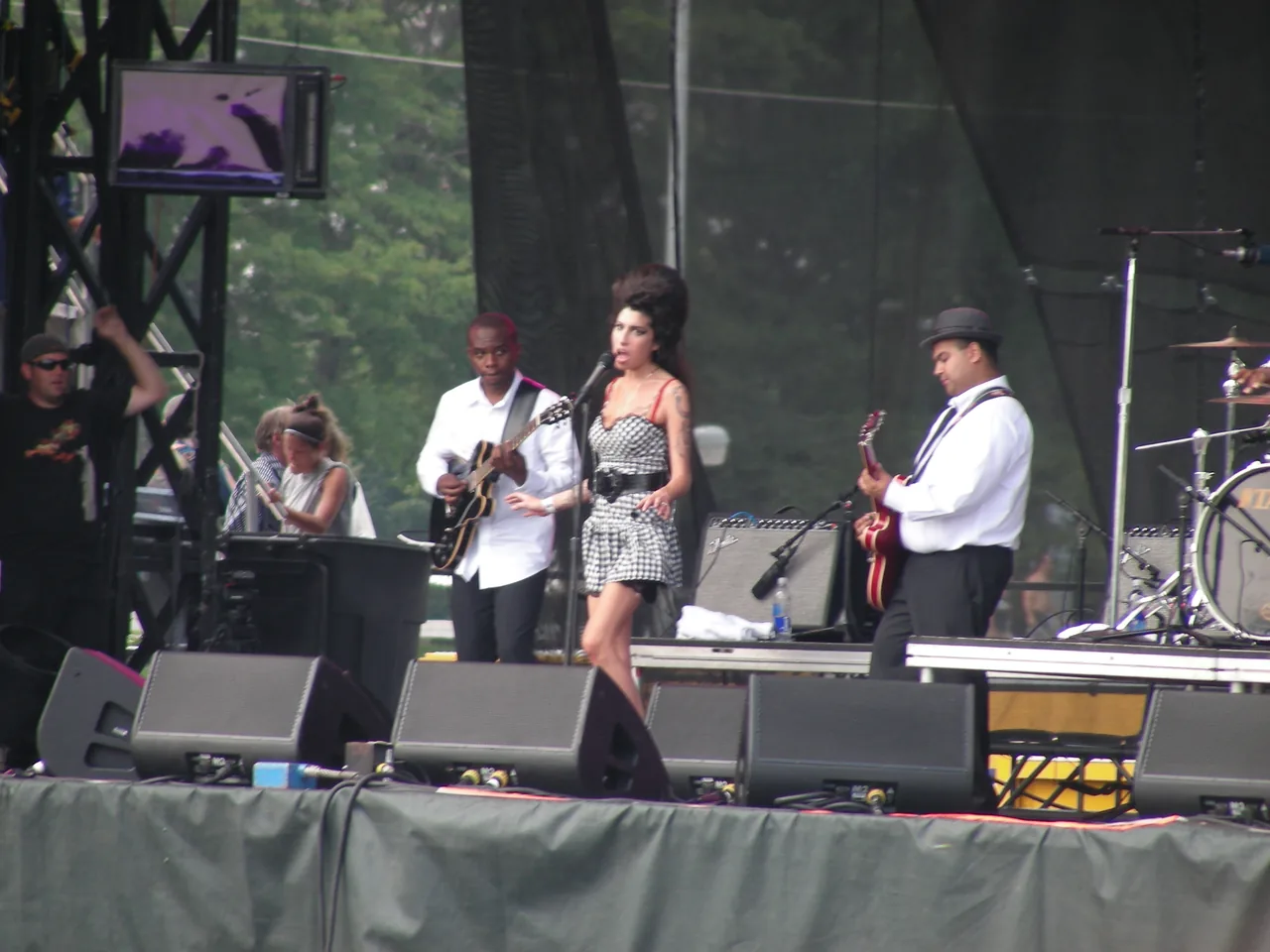
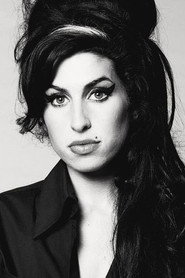
Twenty years ago this month, a 23-year-old from north London released a 35-minute record about a man who went back to his ex, and it made the rest of pop radio sound thin. Back to Black came out on October 27, 2006. On Friday, October 23, it returns as a 20th-anniversary edition, which makes this the right fortnight to spend real time with Amy Winehouse: both studio albums, the songs that live between the singles, and the two films that have tried to tell her story.
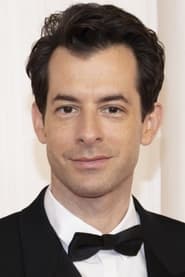
The reissue, per uDiscover Music, comes from Republic and UMe as a 3LP clear-vinyl set, a 3CD set and a digital deluxe edition. It gathers four unreleased demos, rare B-sides and her full show at Paradiso in Amsterdam on February 8, 2007, a set that has never been released in full on vinyl or streaming. The physical editions add alternative cover art, an image of her handwritten lyrics from Mark Ronson's archive, unseen photos by the original album photographers Mischa Richter and Alex Lake, and new liner notes from Ronson and Salaam Remi. The announcement does not name the demos, though Wikipedia's album entry already lists "Close to the Front" and "Do Me Good" on the anniversary edition.
Frank or Back to Black?
The six songs are real. Ronson produced "Rehab", "Back to Black", "You Know I'm No Good", "Love Is a Losing Game", "Wake Up Alone" and "He Can Only Hold Her". Remi cut the rest in Miami, at his Instrumental Zoo studio, in sessions the album's history calls intimate: Winehouse on guitar, Remi playing most of what surrounds her. It took two producers in two cities, and it still sounds like one room.
It took a detour to get there. Frank, released on October 20, 2003, is a jazz record with hip-hop rhythms and bossa nova in its bloodstream. Winehouse co-wrote everything on it apart from two covers, its first single "Stronger Than Me" won her and Remi an Ivor Novello award, and it reached the Mercury Prize shortlist. It peaked at number 13 at release. She was not a fan. She said she was only 80 percent behind it, because Island had overruled her choices of songs and mixes, and in a 2004 interview she admitted: "I've never heard the album from start to finish."
Then she fell back in love with the sixties. Winehouse told Rolling Stone in 2007, "When I fell in love with Blake, there was Sixties music around us a lot." In 2005 the couple spent a lot of time in a Camden bar, where she played pool to a jukebox of blues, girl groups and Motown. When she first met Ronson in his New York studio in March 2006, she played him Shangri-Las records. He asked for a night to work on something, came up with the piano riff that became the verse chords of the title track, and put a kick drum, a tambourine and, in his words to Mojo, "tons of reverb" behind it. Most of Ronson's songs were then finished at Daptone in Brooklyn with the Dap-Kings, Sharon Jones's band: drums, piano, guitar and bass together in one room, the drums on a single microphone, everything bleeding into everything.
Ronson's best story about those sessions, told to The FADER in 2015, is about a line in that same song. He told her the chorus had to rhyme. She looked at him, as he remembered it, like he was crazy: "Why would I fix that? That's what came out." That stubbornness is the whole album. The arrangements borrow from the girl groups, and the lyrics refuse to tidy themselves for them.
So which is better? Back to Black, and it is where you start. It is short, it has no filler, and every song points the same direction. Frank is looser and funnier, a young jazz singer showing you her record collection, and it runs to nearly an hour with hidden tracks at the end. Hear it second, once you know the voice it was growing toward, and you will find more in it than the singer herself did.

What to hear beyond the hits
Everyone knows "Rehab", which won Record of the Year and Song of the Year at the 2008 Grammys, part of a five-award night. Skip it on your second pass. The record's deeper pleasures sit further down the tracklist.
"Wake Up Alone" was the first song she recorded with the producer Paul O'Duffy in his North London studio, and the only one from those sessions to reach the album. It is about getting through the day after a breakup and losing the fight at night, and it is the most exposed vocal on the record. "Some Unholy War" began, according to her first manager Nick Shymansky, when she heard a radio report about the war in Afghanistan and turned "holy war" into a song about standing behind her man. Live, she liked to start it slow and then speed it up. "Love Is a Losing Game" was a single, but a quiet one, and Alexis Petridis of The Guardian described it right: her voice over "a solitary electric guitar and subtle drums."
On Frank, go to "October Song" and to her reading of the standard "(There Is) No Greater Love", two minutes long and the clearest window into the girl who sang with the National Youth Jazz Orchestra.
Then go to Lioness: Hidden Treasures, released on December 2, 2011, and compiled by Ronson and Remi with her family's consent. Island was clear that it is not the third album that never arrived, and it should be heard as a scrapbook. Some of the scraps are lovely. The original "Tears Dry" is there, and so is the original recording of "Wake Up Alone", a one-take demo from March 2006. So is "Body and Soul" with Tony Bennett, her final studio recording, released on September 14, 2011, the day she would have turned 28. The album went out in aid of the Amy Winehouse Foundation.
One more detour: "Valerie". Its studio version sits on Ronson's covers album Version from 2007 (a covers record Ronson has framed as a nod to Motown and Stax), and it climbed to number two in the UK. Lioness carries a slower '68 version that is worth hearing next to it.
Twenty years, and the absence in the middle of them
Amy Winehouse died at her home in Camden on July 23, 2011, of alcohol poisoning. She was 27. Back to Black was her second and final studio album, and that fact hangs over any anniversary of it.
It is tempting to hear the record as a warning she wrote to herself. It is more generous, and more accurate to how it sounds, to hear what Remi named when the reissue was announced: talent, passion, humour, honesty. The jokes are in there. So is the craft. A good anniversary listen gives her that back.
The documentary or the biopic?
Two films want to be your companion to the music. They are very different evenings.
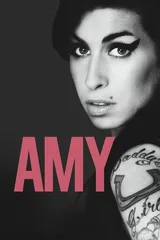
Amy is Asif Kapadia's 2015 documentary, built from more than 100 interviews with her friends and family and billed as the singer in her own words. Its archive is the reason to watch: a home video of a 14-year-old Winehouse singing at a friend's birthday in 1998, her February 2003 audition at Island singing "I Heard Love Is Blind", footage from the March 2006 sessions for this album, and the 2011 session with Bennett. It won the Academy Award for Best Documentary Feature, the BAFTA, and a Grammy for Best Music Film. Her father, Mitch Winehouse, disputed it, and his spokesman said it contained "some basic untruths". The last stretch, which includes outtakes from her final concert in Belgrade and footage from her funeral, is hard going.
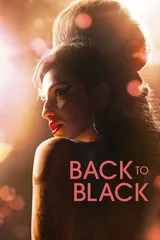
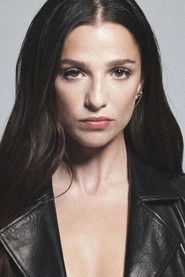
Back to Black, the 2024 drama directed by Sam Taylor-Johnson from a script by Matt Greenhalgh, stars Marisa Abela, who does her own singing throughout, with Jack O'Connell as Blake Fielder-Civil, Eddie Marsan as Mitch and Lesley Manville as her grandmother Cynthia. Nick Cave and Warren Ellis wrote the score. Reviews split hard. NME gave it four stars; The Independent's critic felt it "tiptoes around judging" the people around her, and the Evening Standard objected strongly to its final scene.
Watch Amy. The biopic has a committed lead who sings the songs herself, but it has to invent a version of her, and the documentary does not. When the person you are trying to understand left this much of her own voice on tape, that voice beats any performance of it. Save the drama for later, if you want to see Abela take on those songs.
Your listening and watching route
Start with the album, in order, without shuffle. Give Frank its own evening. Spend a third on the deep cuts and Lioness. Then watch the documentary, and when the anniversary edition lands on Friday, October 23, go straight to the Paradiso set: one February night in Amsterdam, early in 2007, with the songs still new.