The Good Daughter Is Keeping Family Secrets
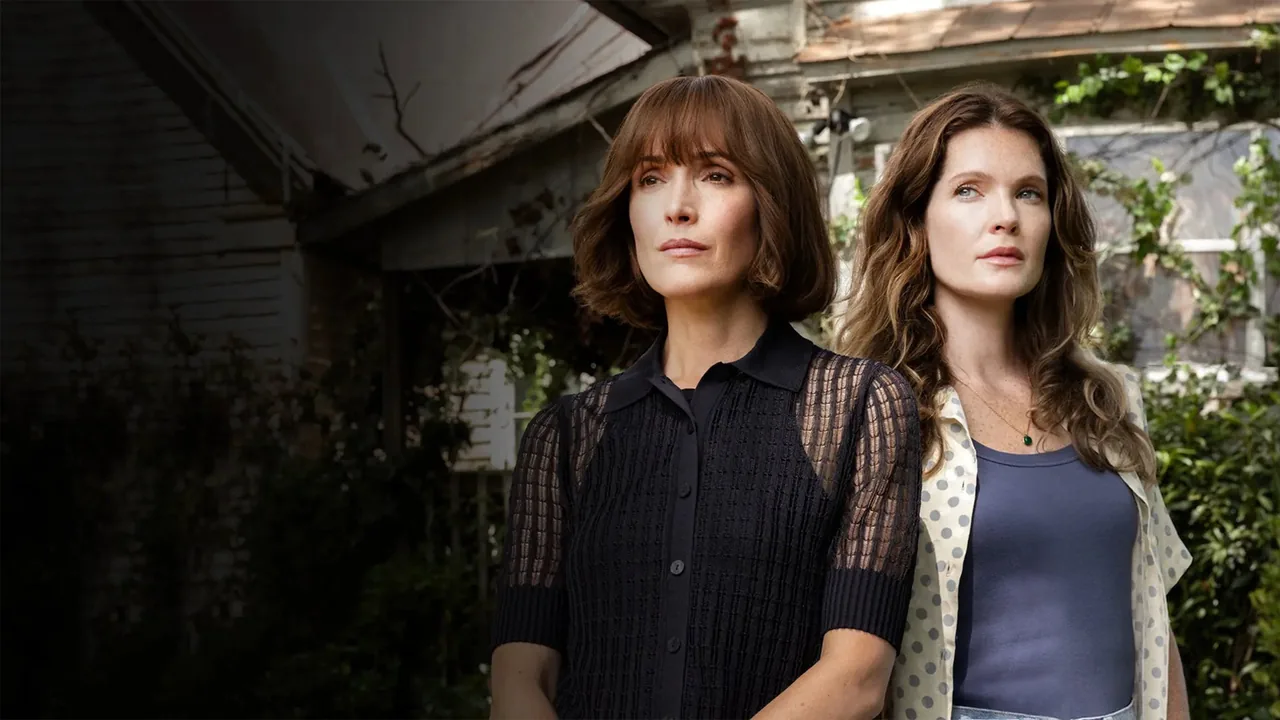
A family thriller asks you to suspect everyone. The Good Daughter has a more interesting possibility: making you care about two sisters who might be terrible company for each other. The Peacock series arrives on November 12 with a violent past to unravel. I am curious about what happens when the women stop talking about the case.
Karin Slaughter, adapting her own novel for television, gives the sisters a welcome rough edge in her description. A character who has survived something terrible can still be irritating company, hold an unreasonable grudge or say the wrong thing at precisely the wrong moment. A thriller loses something when it treats pain as a substitute for personality.
Rose Byrne and Meghann Fahy play Samantha and Charlotte Quinn. Their childhood was fractured by a violent attack; another crime in their town brings the past back into the present. Their father asks the sisters to help with the new case. All six episodes arrive together, making this a finite commitment for a weekend.

The family connection gives the mystery a useful source of friction. Sisters can remember the same event differently without either memory being a simple lie. They can recognise each other’s evasions faster than an investigator could, while remaining completely wrong about what those evasions mean. That is the territory I hope the adaptation spends time in, instead of treating every conversation as a container for the next clue.



A six-episode shape is appealing for the same reason. It offers room for a relationship to become untidy without demanding that the premise generate years of fresh disasters. A limited run does not guarantee discipline, of course. A short run can still feel padded if the characters only speak when the plot needs them to. The useful test is whether an argument would remain interesting after you already knew the answer to the mystery.
Slaughter writing the adaptation is worth knowing, but it is not a guarantee of fidelity or quality. The more useful implication is that the person who created these sisters is choosing what survives the move to television. Prose can tell us what someone refuses to say. On screen, that refusal needs a look, an interruption, an awkward silence or another person who notices. Byrne and Fahy have the central relationship to make legible.
I would resist treating the entire drop as a challenge to finish before anyone else. Start with the premiere and see whether you want more time with these two women. If the attraction is only the withheld explanation, you may find yourself watching the episode counter. If the sisters are compelling company, the twists have something to disturb.
That is the bet worth making on The Good Daughter on Thursday, November 12. Let the title’s apparent compliment remain a question. Being good for a family, being loyal to it and being honest about it need not mean the same thing.