The Comedy Matt Damon Couldn't Say Yes To
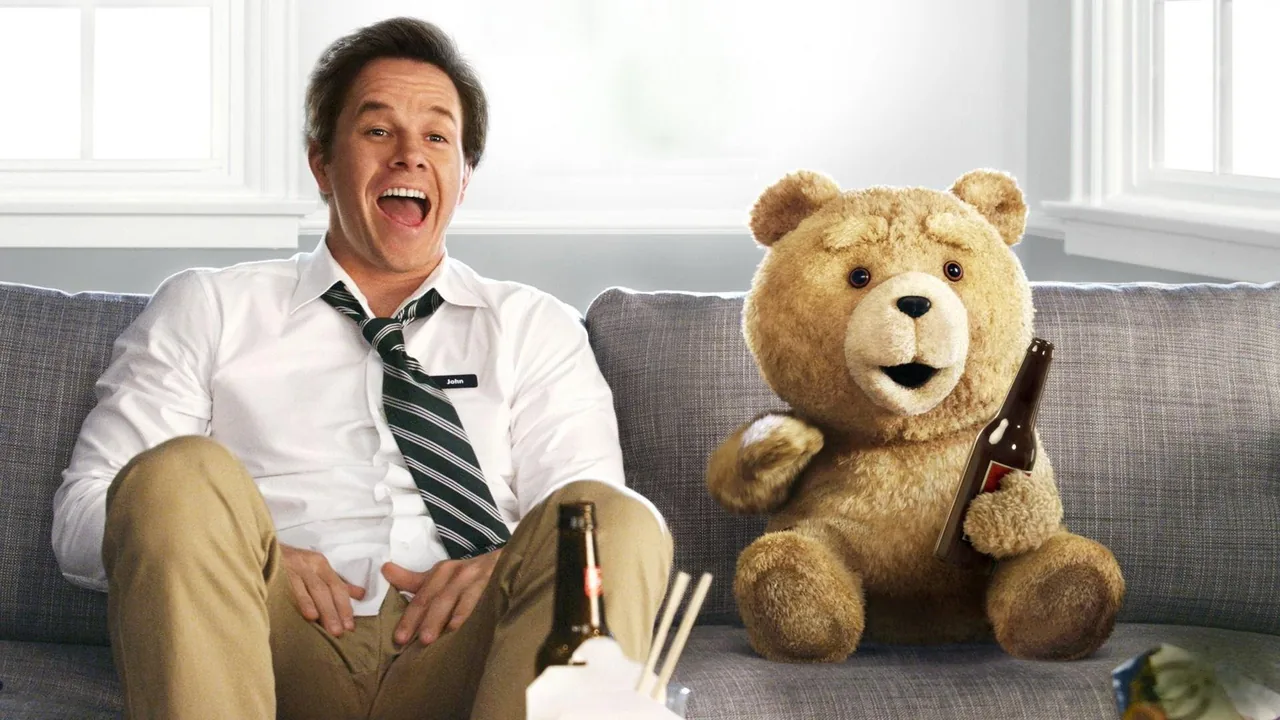
Matt Damon passed on Ted, worrying the bear had the better part. In last week's GQ interview, published November 5, he praised Mark Wahlberg's performance and explained his own decision:



The bear gets the entrance
Seth MacFarlane's film gives Wahlberg's John Bennett a childhood wish that never went away. His teddy bear is alive, foul-mouthed and still taking up space in his adult life. John's girlfriend wants their relationship to move forward. His oldest friend keeps tugging him backwards.
The bear has an unfair advantage before anybody speaks. A talking toy behaving badly is already a joke. A grown man standing beside it has to earn his place. Casting the human badly would leave a film with a marvellous novelty and nobody worth spending an evening with.
Wahlberg's John takes the friendship for granted. That is the essential trick. He does not keep inviting us to marvel at the existence of Ted. He behaves as if this exhausting companion has always been there, which allows the absurdity to become a recognisable domestic problem. An old friend can be bad for you and still be the person you most want to sit beside.
Rewatch the person listening
Ted is worth revisiting with your attention on John when the bear speaks. Watch how much a joke needs from the face beside it. An outraged reaction asks for one kind of laugh; weary acceptance asks for another. If the human keeps competing for the punchline, the partnership becomes a contest for screen time.
This is why the casting story is more interesting than a tally of missed hits. A script makes the outrageous lines easy to spot. It is harder to measure the space a performer leaves for someone else, or the confidence required to look unimpressed by the film's central special effect.
Wahlberg gives Ted that space. His performance is a good reason to revisit the film even if the novelty of the bear has worn off. There is no need to invent the version Damon might have made. Put on the actual Ted and watch the man who has to live with it.