Ian McKellen tried to stop Patrick Stewart from taking Star Trek: 'You can't throw that away to do TV'
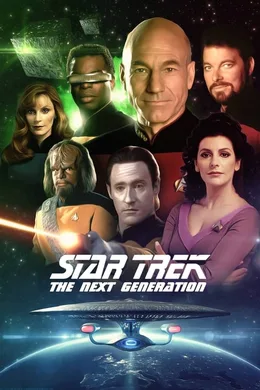
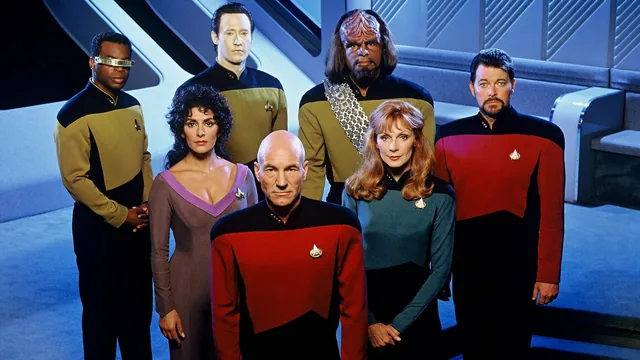
Back in 1987, Patrick Stewart had a decision to make, and his closest friend in the business thought he was about to make a terrible one. He had spent sixteen years at the Royal Shakespeare Company. He had an Olivier Award. He was, by any measure that mattered to British actors of his generation, a serious man doing serious work. And Paramount wanted him to wear a tight red jumpsuit and fly a starship.
Ian McKellen was appalled. In Making It So, the memoir Stewart published in 2023, he remembered telling McKellen he was going to sign the contract, and McKellen, in Stewart's words, almost bodily preventing him.
McKellen came round to the choice in time. The Next Generation made Stewart famous on a scale no stage actor of the period could have imagined. But the more interesting thing, looking back over his whole career this week, is that McKellen's fear never came true. Stewart did not throw the theatre away. He went to Hollywood and kept coming back, and the second half of his stage career is arguably better than the first.
Stewart did not stop being a classical actor when he became one of the most famous faces on earth. He used the fame to keep doing the exact work McKellen was afraid he would lose.
The man who played every part
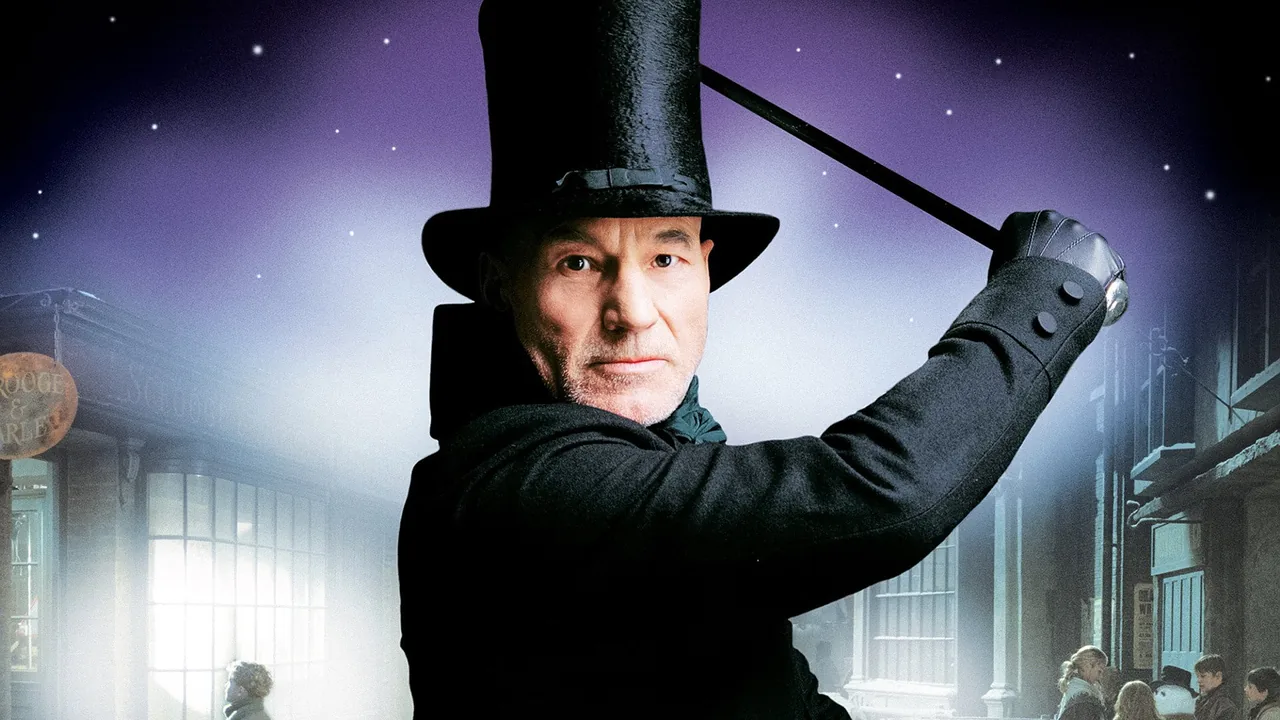
Start with Dickens. While he was still on the bridge of the Enterprise, Stewart built a one-man version of A Christmas Carol in which he played Scrooge, the ghosts, the Cratchits and every other character himself, on a bare stage. It opened on Broadway in 1991, won him a Drama Desk Award, came back to Broadway in 2001 and went to the West End in 2005. It also won him the 1994 Olivier Award for best entertainment.
The screen version, the 1999 TV film A Christmas Carol, is a conventional adaptation with a full cast, and it is lovely. But it is worth knowing that behind it sits a show where one man in his fifties held a Broadway house alone with nothing but his voice. Television paid for the theatre, and McKellen got his answer.
A better villain than hero
The late stage work is where the real surprises are. In 1997 he played Othello in a race-reversed production in Washington, D.C., a white Moor in an otherwise Black company, which is exactly the kind of risk a man with nothing to prove takes. In 2007 his Macbeth in the West End won him the Evening Standard award for best actor and, when it transferred, his first Tony nomination.
Then came Claudius. Opposite David Tennant in the RSC's Hamlet, he made the usurping king smooth, reasonable and genuinely frightening, and it won him another Olivier in 2008. The production was filmed for television in 2009, and if you only know Stewart as a decent man in a uniform, it is a shock. Watch it next to Green Room, the 2016 thriller in which he plays a calm, polite man doing monstrous things, and you start to suspect Hollywood spent thirty years casting him as the wrong side.
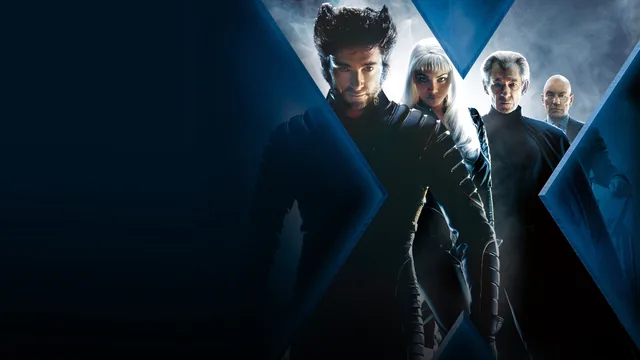
And there was always McKellen. The two played Waiting for Godot together in the West End in 2009 and later took it to Broadway alongside Harold Pinter's No Man's Land. McKellen officiated at Stewart's wedding to Sunny Ozell in 2013. On screen, of course, they spent two decades as Xavier and Magneto, starting with X-Men in 2000, old friends playing old friends who cannot agree on how to save the world.
The voice in your games and cartoons
A lot of you will know this part of his career first. That voice, the one that could make a stage direction sound like scripture, earned a second living. In 2006 he voiced Emperor Uriel Septim VII in The Elder Scrolls IV: Oblivion, a role that lasts only the game's opening stretch and that players have never forgotten. It won him a Spike TV Video Game Award, and a new generation met him in the 2025 Oblivion Remastered. He also lent his voice to Castlevania: Lords of Shadow.
Then there is Avery Bullock, the sly, unhinged CIA deputy director he played in American Dad! from 2005 until this year. Seth MacFarlane also made him the narrator of Ted, where hearing that voice describe a foul-mouthed teddy bear is half the joke. He was game for anything, which is its own kind of seriousness: Extras, Robin Hood: Men in Tights, Blunt Talk.
Fourteen lines a day
The final proof that McKellen worried for nothing came in March 2020. With theatres closed, Stewart opened a Shakespeare volume at Sonnet 116 and read it to his phone. The response was so warm that he kept going, one a day, under a name he floated himself: "A sonnet a day keeps the doctor away." People who would never have bought a ticket to the RSC heard him do the thing he trained for. This year he released a recording of all 154.
Where to go from here: start with Hamlet for the villain. Then A Christmas Carol for the warmth. Then fire up Oblivion and listen to the emperor's first speech in that prison cell. Read Making It So last, because he tells the McKellen story better than we can, and because you will want to hear the rest of it in his own words.