
Give an animal a voice and you can say anything about people without saying it out loud. That is the oldest trick in storytelling, older than the novel, older than the stage. Aesop knew it. So did the anonymous medieval scribes who set foxes and wolves to court intrigue, and so does every studio that has ever put a sarcastic donkey on a movie poster. The talking animal is a mask, and the mask lets the truth slip through.
What is striking is how wide the range runs. At one end sit the woodland epics that take their creatures completely seriously: Richard Adams sending a band of rabbits across the English downs in Watership Down, where a warren is a nation and a journey is an exodus. At the other end sit the comedies that put a fox in a detective's coat or a hippo on a city beat, where the animal is mostly a punchline with fur. In between is everything that matters most: the stories that use the distance an animal gives them to look hard at grief, tyranny, belonging and death. A rabbit dying in a snare can break your heart in a way a person sometimes cannot, precisely because you did not expect to be ambushed by it.
Essential talking animals
The canon, from woodland epic to satirical sitcom, across every medium
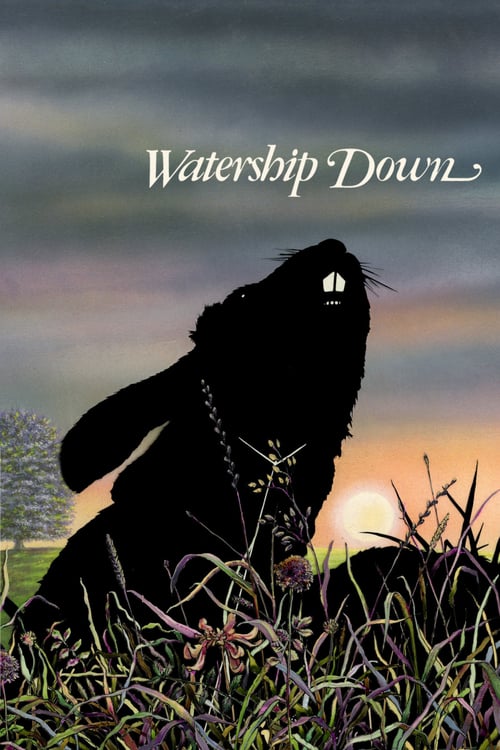


Watership Down is a war film with rabbits, and children were never the audience
Martin Rosen's 1978 Watership Down has terrified two generations of British children, and the misunderstanding is the whole point. Parents saw cartoon rabbits and assumed it was for the kids. What they got was a film about a population fleeing the destruction of its home, surviving a journey across hostile country, and then confronting a fascist warren run on fear and informers. The animation does not soften the violence. The snares are real, the blood is red, and the death of a rabbit is treated with the weight a death deserves.
Richard Adams built the warren a full mythology, a language and a creation story, and the film keeps enough of it that Hazel and Bigwig feel like people you would follow into anything. It is the rare adaptation that understood the source was never gentle. Watch it as an adult and the rabbits are incidental. It is a story about what it costs to lead a frightened group to safety.

The dark woodland epics
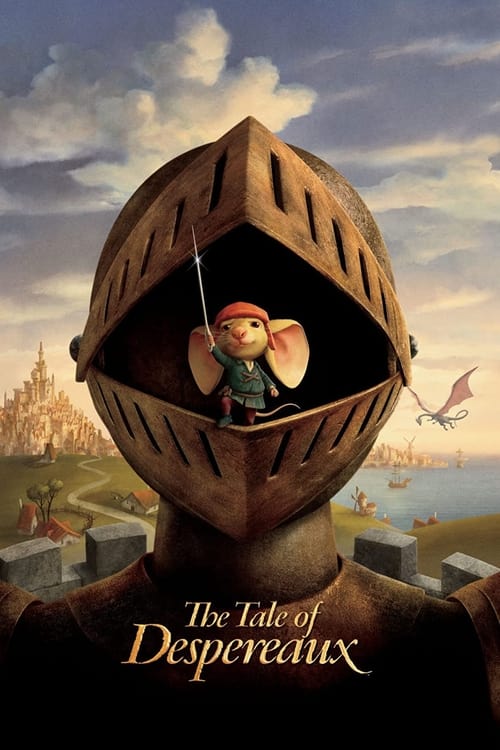
Films that take their creatures completely seriously, snares and all


The fable that bites
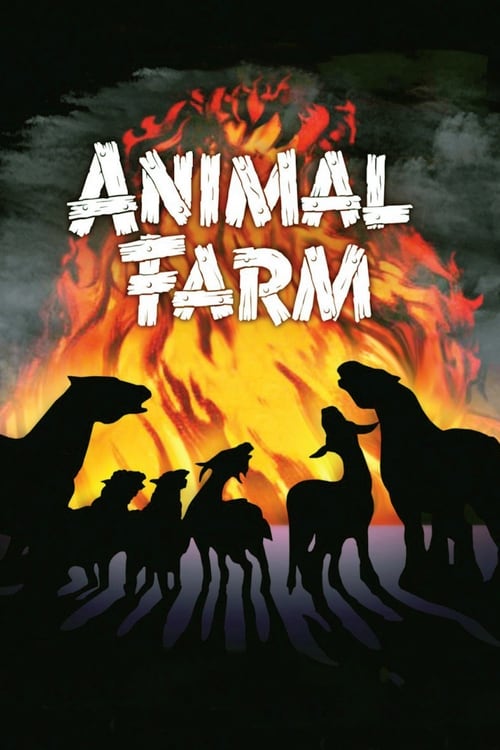
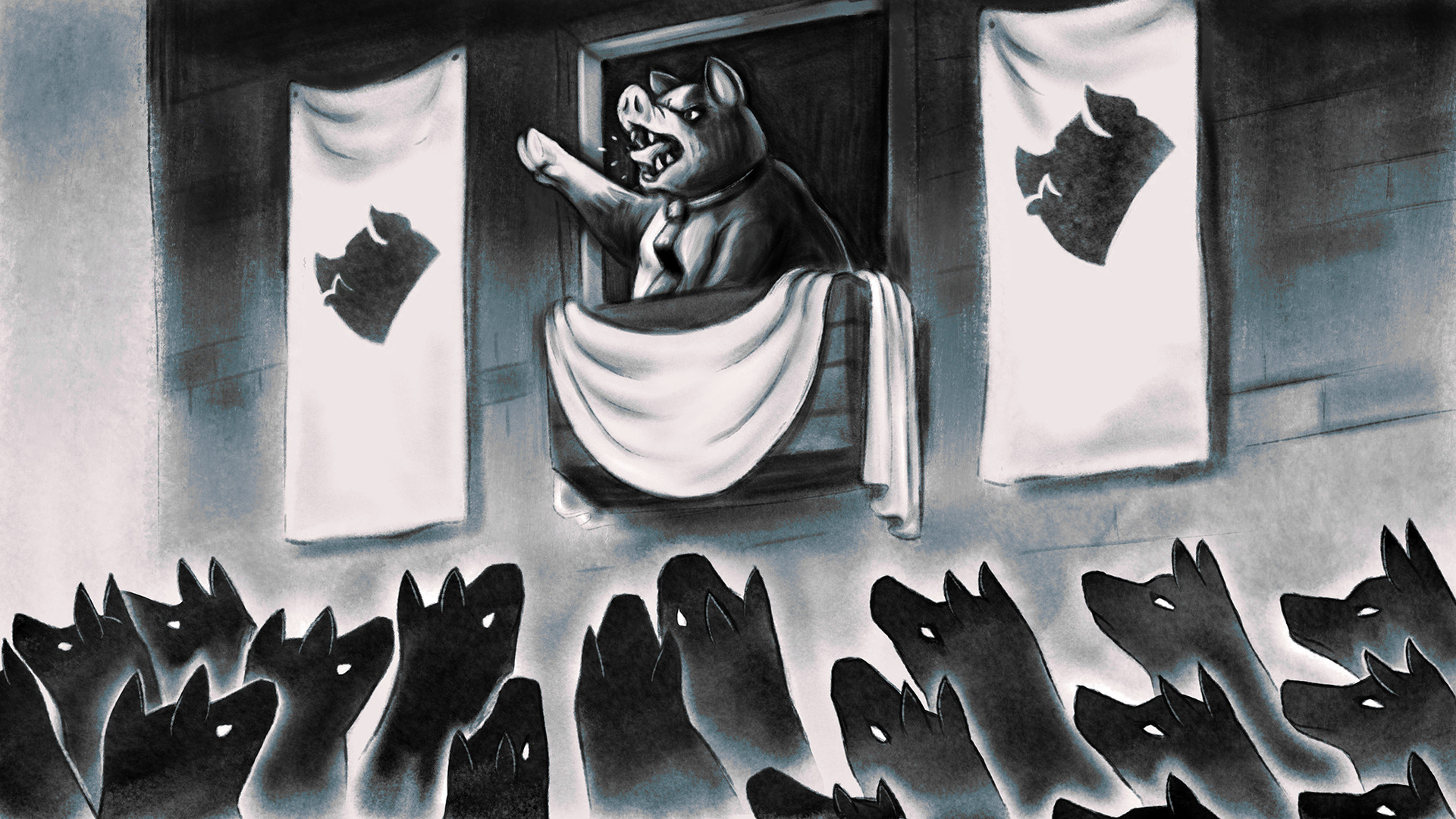
The talking animal is at its sharpest when it is being political. George Orwell did not write Animal Farm about pigs because he liked pigs. He wrote it because a fable could smuggle a critique of Stalinism past the censors and the fellow travellers in a way an essay never could, and because watching the revolution's slogans curdle hurts more when the betrayed are farm animals who only wanted enough to eat. The 1954 animated version and the live-action retellings since have all wrestled with the same problem: how do you film an allegory without flattening it into a cartoon?
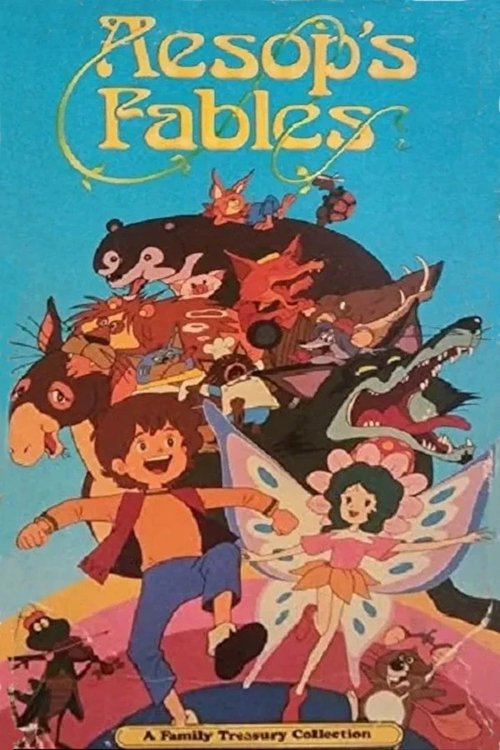
The lineage runs deep. Medieval Europe had Reynard the Fox running rings around a corrupt animal court. Aesop had the ant and the grasshopper teaching thrift to children for two and a half thousand years. The form survives because the disguise is load-bearing. Put a crown on a lion and a knife in a wolf, and you can hold a mirror to power and call it a bedtime story.
Fables, satire and beasts who scheme
Orwell, Aesop and the talking animals who carry a political charge


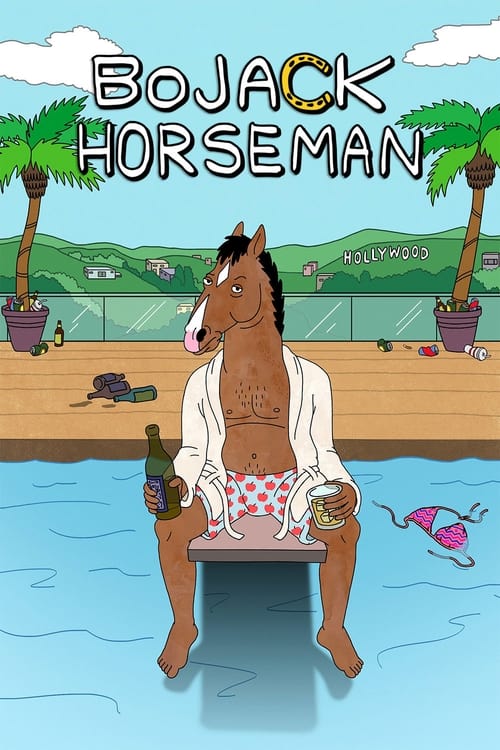
BoJack Horseman is the best thing the talking-animal genre has ever produced
It sounds like a joke, and for one episode you can believe it is one: a washed-up sitcom horse drinking himself stupid in the Hollywood hills. Then BoJack Horseman does the thing nobody expected an animated animal comedy to do. It uses the absurdity of a world where humans and anthropomorphic animals coexist as cover for one of the most unflinching portraits of depression, addiction and self-sabotage on television.
The animal conceit is not decoration. It lets the show land jokes and gut-punches in the same frame, and it gives the writers a licence to be strange in service of something true. The famous underwater episode, the eulogy episode, the spiralling monologues: these work because we let our guard down around a cartoon horse. By the time the show has its hooks in you, it has said more about how a person ruins their own life, and the lives around them, than most prestige dramas manage. It is proof that the mask, used well, gets closer to the bone than a human face ever could.
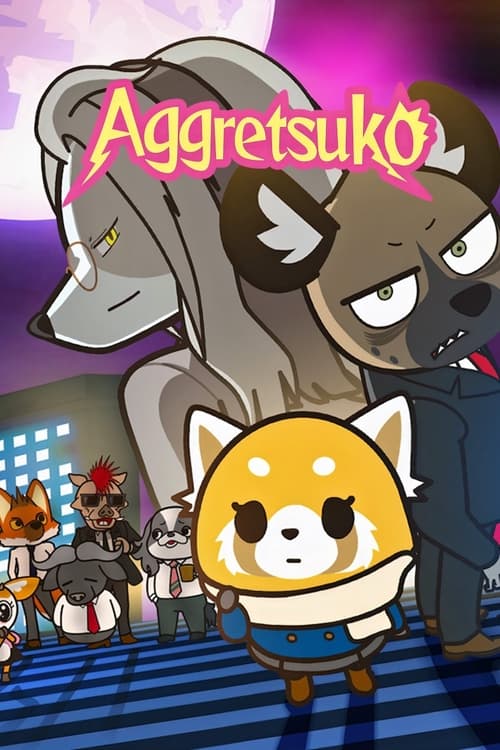
Animal societies on the small screen
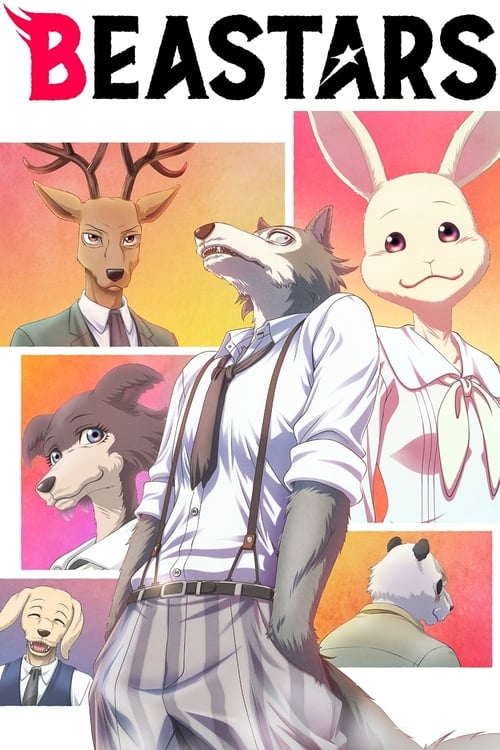
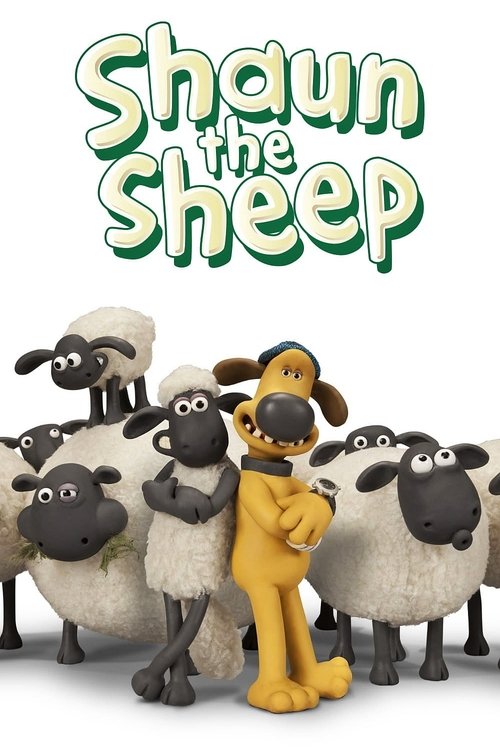
From a Hollywood horse to a rage-singing red panda and a city of beasts
The books built the burrow
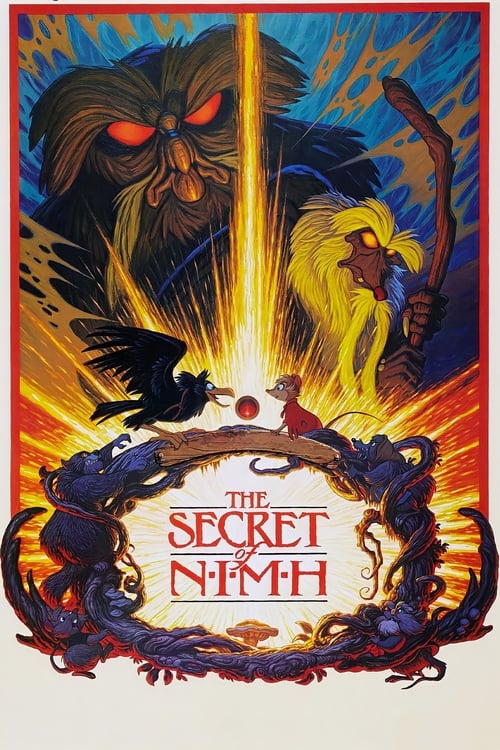
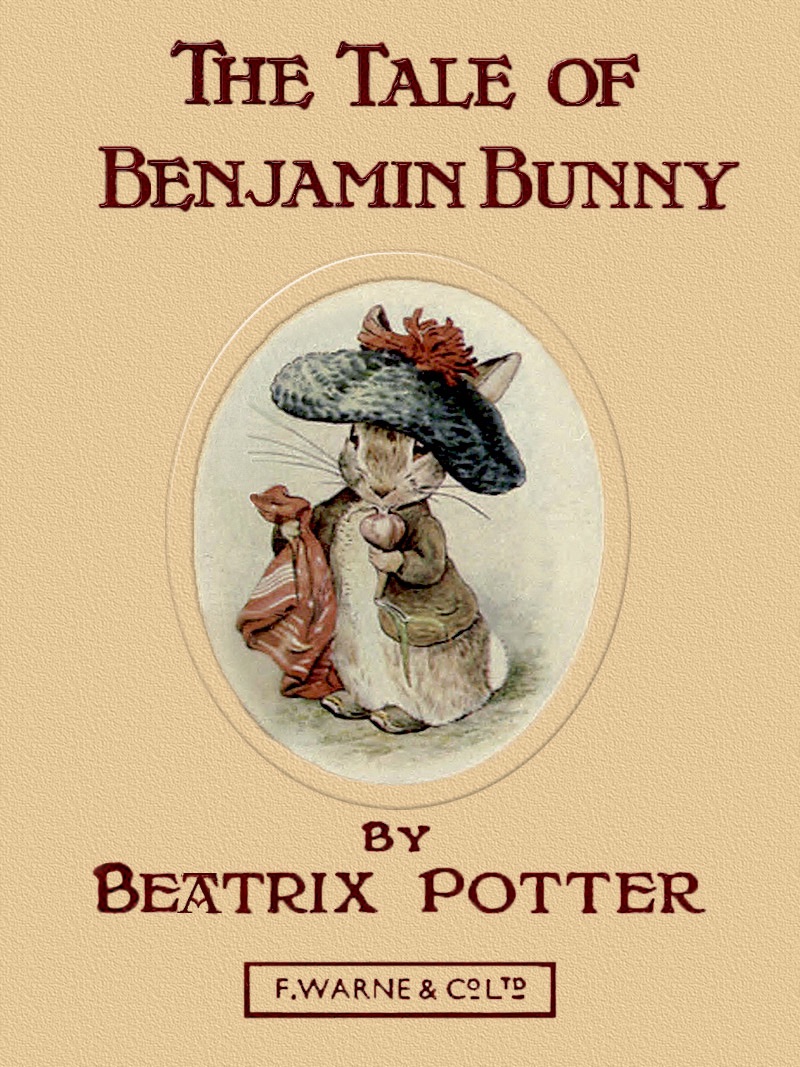
Every great talking-animal world started on the page. Kenneth Grahame's The Wind in the Willows gave English literature its riverbank Arcadia, Mole and Ratty and the insufferable Mr Toad, and a particular vision of cozy domestic adventure that has never quite been bettered. Beatrix Potter's little books, sized for small hands, were quietly ruthless: Peter Rabbit's father, we are reminded, was put in a pie. Robert C. O'Brien's Mrs. Frisby and the Rats of NIMH turned a mouse mother's desperation and a colony of escaped laboratory rats into a genuine science-fiction thriller for children.
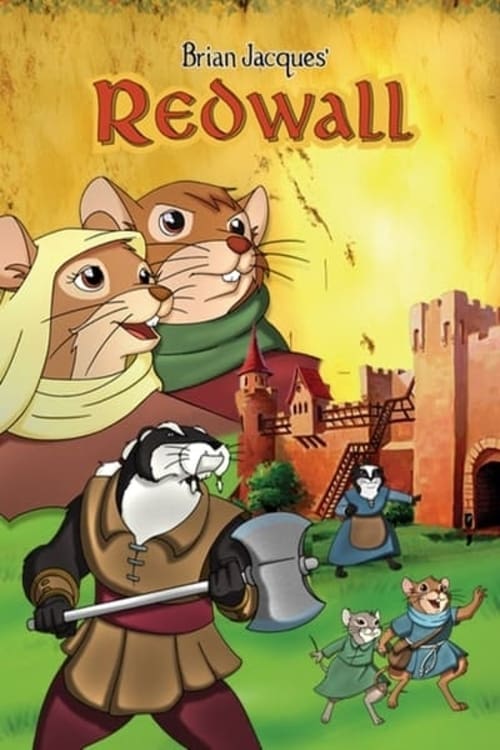
Then there are the series that built whole shelves. Brian Jacques wrote more than twenty Redwall books, an abbey of peaceable mice defending themselves against rats and stoats and weasels, with feasts described in such loving detail that the cookbook was inevitable. Erin Hunter's Warriors turned feral cat clans into an ongoing saga that a generation of readers grew up inside. The page is where these worlds get the room to become real.
On the page: burrows, abbeys and clans
Grahame, Potter, O'Brien, Jacques and the worlds that started in print




All the world will be your enemy, Prince with a Thousand Enemies. And whenever they catch you, they will kill you. But first they must catch you.The blessing of El-ahrairah, the rabbit folk-hero of Watership Down
Stray made you a cat, and that is the most honest animal game ever built
Most games that star an animal cheat: the creature talks, or carries a sword, or thinks in tidy human sentences. Stray refuses all of it. You are a cat in a drowned, neon, robot-haunted city, and you are a cat all the way down. You knock things off ledges because you can. You curl up and sleep when you want to. You meow with a dedicated button. The companionship comes from a little drone that translates the robots for you, which is the clever part: the story arrives through your animal limits, not despite them.
It belongs in the conversation because it understands the genre's real subject is point of view. We do not love talking animals because they talk. We love them because they let us inhabit a way of moving through the world that is not ours. Stray gets you there without a single line of cat dialogue, and it is more affecting for the restraint.
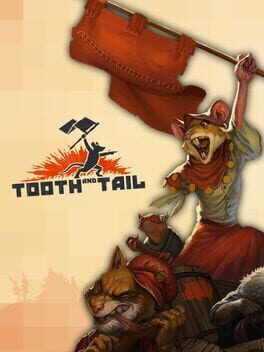
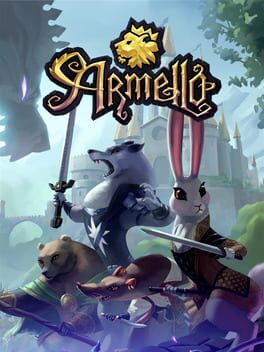
For the players who want the animals to carry a whole campaign, the strategy games deliver: Tooth and Tail turns a meat-shortage revolution into a real-time war between rodent factions, and Armello sets clans of foxes, rabbits and rats scheming for a poisoned throne.
Animal worlds to play
Cats, bugs, geese and woodland critters you control
The songs the animals sang
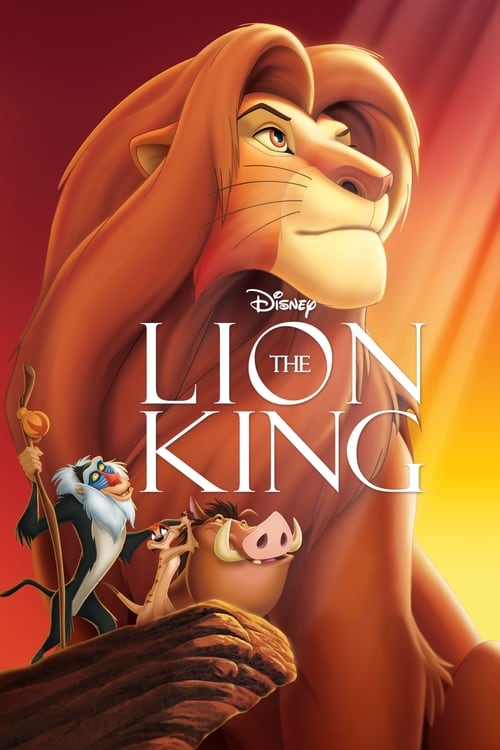
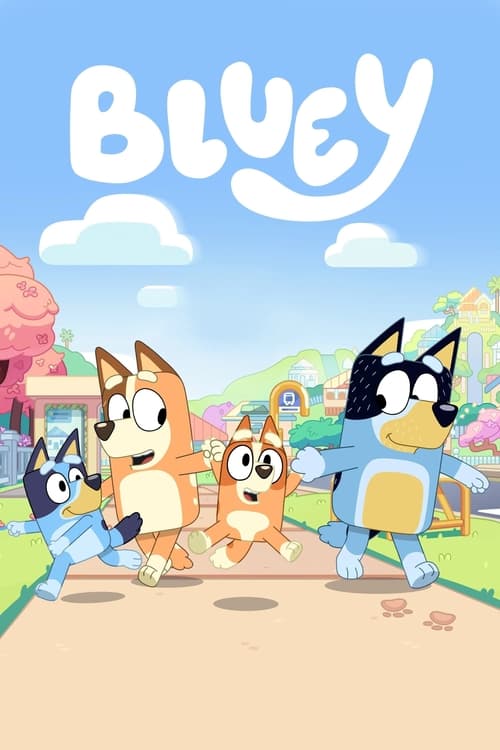
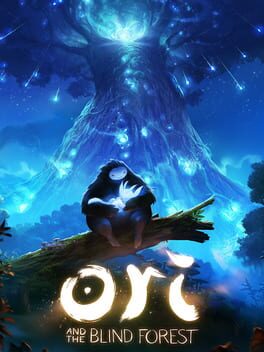
The genre lives in the ear as much as the eye. Hans Zimmer and Lebo M turned The Lion King into a soundtrack that did the impossible, marrying a Broadway sensibility to South African choral music and selling it to the entire planet, and Beyonce's later companion album The Gift deepened that African lineage rather than diluting it. On the games side, Gareth Coker's score for Ori and the Blind Forest gives a wordless forest spirit and its owl guardian a grief and grandeur that the genre rarely reaches for. Even a preschool sensation like Bluey understands that a family of cartoon dogs needs music that takes children seriously. The talking animal sings, and we have always listened.
Soundtracks of the animal kingdom
Pride Rock, a haunted forest and a very musical family of dogs
Zootopia smuggled a film about prejudice past everyone, including the kids
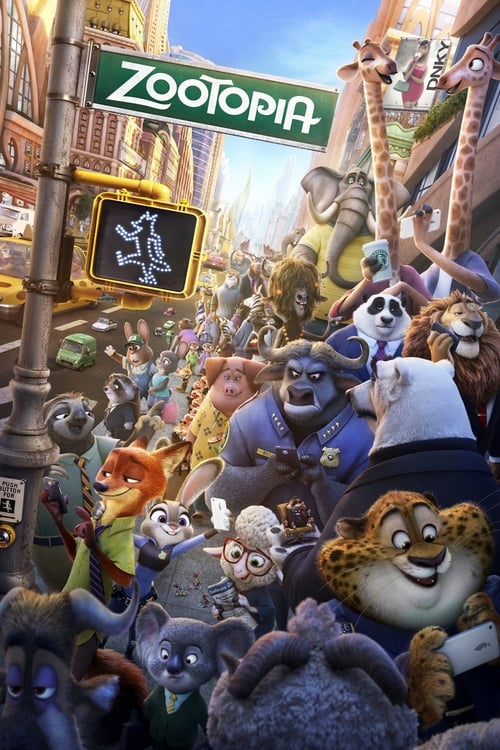
On its surface Zootopia is a buddy-cop comedy about a rabbit and a fox, with a sloth at the DMV doing the funniest scene Disney shipped that decade. Underneath it is a film about systemic bias, the way fear gets weaponised against a minority, and how the people doing the harm rarely think of themselves as villains. The prey-versus-predator framing maps onto real prejudice without ever getting preachy, and Judy Hopps slowly realising she carries her own assumptions is a braver beat than most live-action dramas attempt.
That is the talking-animal trick at its most modern. A studio aimed a message film at families, made it funny enough that nobody felt lectured, and trusted the animals to do the carrying. The fox and the rabbit are old enemies in folklore, and the film knows it. Casting them as partners is the whole argument.
The crowd-pleasers and the comedies
When the animal is the joke, the heist or the heart of a family film