Sonic Generations (2011)
Sonic Generations is a 2011 platform video game made by Sonic Team.
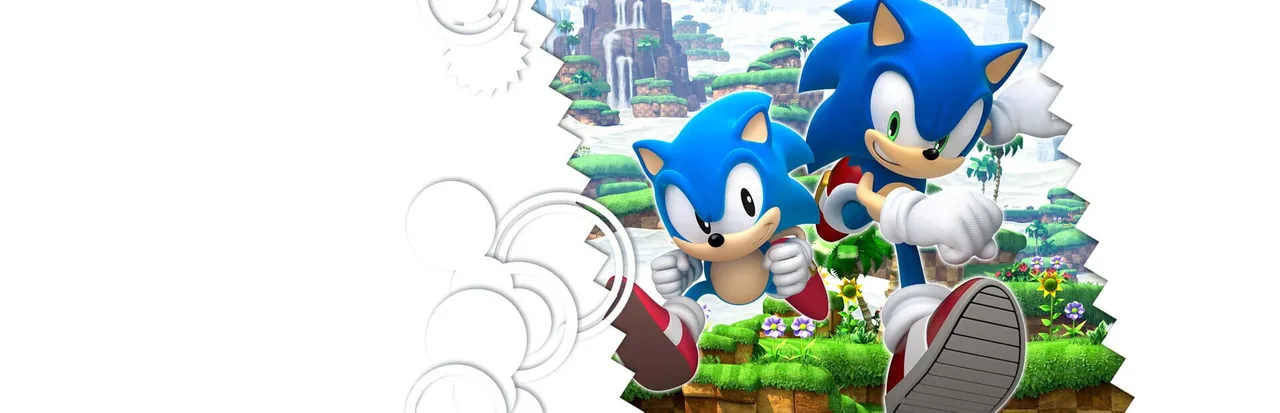
A mysterious force called the Time Eater erases moments from Sonic's history, stranding his friends across fractured versions of past levels. The result is a game split between Classic Sonic, who plays as the original 2D side-scroller, and Modern Sonic, who plays with the boost-focused 3D mechanics of later entries. Each era's version of a level runs side by side. As a twenty-year retrospective released in 2011, Sonic Generations treats the series' history with care and delivers two distinct playing styles in a single package.
Similar games
Explore Sonic Generations guides
A few thoughts on Sonic Generations
Sonic Prime takes a similar retrospective approach to the franchise's mythology, colliding different versions of Sonic's world. The film Sonic the Hedgehog 3 continues the modern theatrical run with the same inclusive attitude toward longtime fans.
Colorful hero shows the whole family can watch
Sonic Generations keeps its tone light even while surveying two decades of Eggman battles, and that same bright, all-ages energy carries through here. Sonic the Hedgehog 3 and Sonic Prime extend the same universe, while Kamen Rider, Miraculous: Tales of Ladybug & Cat Noir and Avatar: The Last Airbender give younger viewers heroes to root for without a single mature warning label.
Manga icons redrawn for a new generation
Sonic Generations exists because a single hedgehog has been redesigned across so many console eras that the series needed a whole game just to look back. One Piece, Rurouni Kenshin, Ranma ½ and Astro Boy carry that same weight, running for decades while getting reintroduced to readers who were not even born when they started.
Franchises built to outlast their own decade
Twenty years on, Sonic Generations still trusts its hedgehog to carry a whole game, and these franchises show the same staying power. The Mandalorian and Grogu, Supergirl and Mortal Kombat II keep decades-old icons in front of new audiences, while Teenage Mutant Ninja Turtles and The Punisher have each been headlining their own comics since the 1970s and 80s.