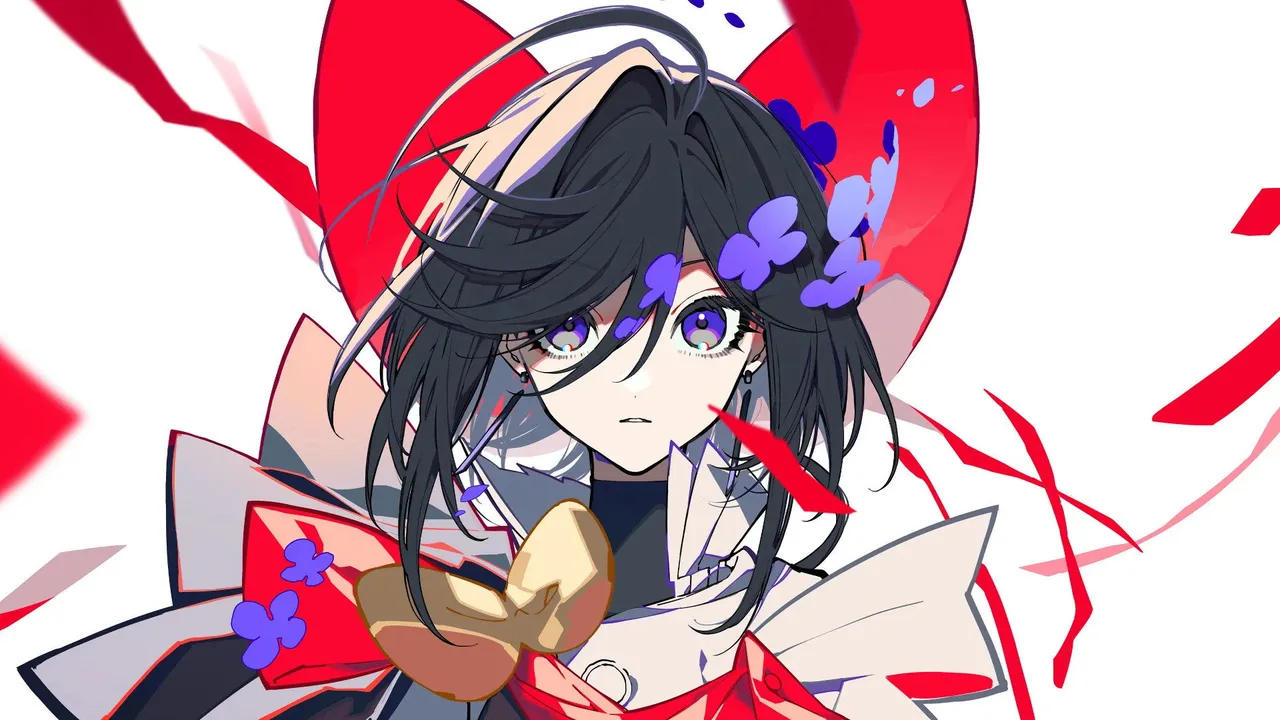
THE RIBBON HERO (2026)
Original title: THE RIBBON HERO リボンヒーロー
THE RIBBON HERO is a 2026 Japanese-language animation movie directed by Yuki Igarashi, with a running time of 1h 52m. It stars Saaya, Seiran Kobayashi and Koki Uchiyama.
The monster Nergal comes for Princess Sapphire's kingdom and takes it from her. She reawakens as the Ribbon Hero, sword in hand again, and the home she finds herself defending is not the one she lost.
Yuuki Igarashi directs, in his first feature, adapting Osamu Tezuka's Princess Knight, the 1953 manga that gave shoujo comics their template for a heroine who fights. Netflix and Twin Engine produced the film and the studio Outline animated it. Kei Mochizuki drew the character designs with Mai Yoneyama and Issei Arakaki contributing, so Tezuka's round faces and long lashes arrive filtered through a modern anime line rather than copied. Satoru Kosaki and Ryuichi Takada scored it, and Girls Archives perform the theme song, "Reborn".
Saaya leads a voice cast that includes Seiran Kobayashi, Koki Uchiyama, Mayumi Shintani, Haruhiko Jo and Yoshimasa Hosoya. Netflix released it on August 8, 2026, which makes it an easy evening for a household that wants a fantasy adventure with a sword, a crown and a clear villain, and a useful entry point for anyone curious about Tezuka who does not want to start with seventy year old volumes.
Where to watch THE RIBBON HERO
Stream: Netflix
Cast
- Saaya as Sapphire / Princess Knight (voice)
- Seiran Kobayashi as Pine (voice)
- Koki Uchiyama as Velvet (voice)
- Mayumi Shintani as Zirco (voice)
- Haruhiko Jo as Pope (voice)
- Yoshimasa Hosoya as Rock (voice)
- Mito Tsukino as Hecate (voice)
- Yusuke Tezuka as Chorogy (voice)
- Lunlun as Chick (voice)
- Debidebi Debiru as Tack (voice)
Similar movies
Explore THE RIBBON HERO guides
A few thoughts on THE RIBBON HERO
Start with the source. Princess Knight is Tezuka's original manga run, and reading it shows how much of Sapphire's sword, court intrigue and disguise the film keeps and how much it rebuilds for a single sitting.
Prince Freya carries the same idea into modern shoujo, with a village girl standing in for a prince and holding a kingdom together by nerve. Yona of the dawn gives the exiled royal the long version: a sheltered princess loses her court and learns to fight for it over many volumes.
On television, Sailor Moon Crystal is the direct descendant of Tezuka's heroine, transformation sequences and all, and it suits the same viewer who wants the armour and the ribbon in equal measure.
The manga behind the Ribbon Hero, and what it started
Yuuki Igarashi adapts Osamu Tezuka's 1953 Princess Knight, the shoujo manga that first handed a heroine a sword and a title to defend. Read the source, then follow what it started: transforming girls, ribbon magic and royal duty turn up again and again in the shows that came after Sapphire.
Royal heroines who do their own fighting
Nergal takes Sapphire's kingdom and she picks the sword back up, which puts THE RIBBON HERO in company with these royal heroines. Each of them holds a claim, a crown or a border, and none of them hands the fighting to a knight. Prince Freya and Yona of the Dawn run the same shape at manga length.
Fairy-tale princesses rewritten to fight back
Tezuka built Sapphire as an answer to the princess who waits, and THE RIBBON HERO keeps the argument going with a monster at the gate and a sword in her hand. These retell the fairy tale from the other side: a Disney template, a revenge story from Hosoda, a girl raised by wolves.
Heroes who return to a world that moved on
Sapphire wakes as the Ribbon Hero and the kingdom she defends is not the one Nergal took from her. These stories put a hero in the same position: the map changed, the people forgot, the war ended without them. Nausicaa, Chihiro and Maoyu's hero all work out where they stand before they work out what to do.