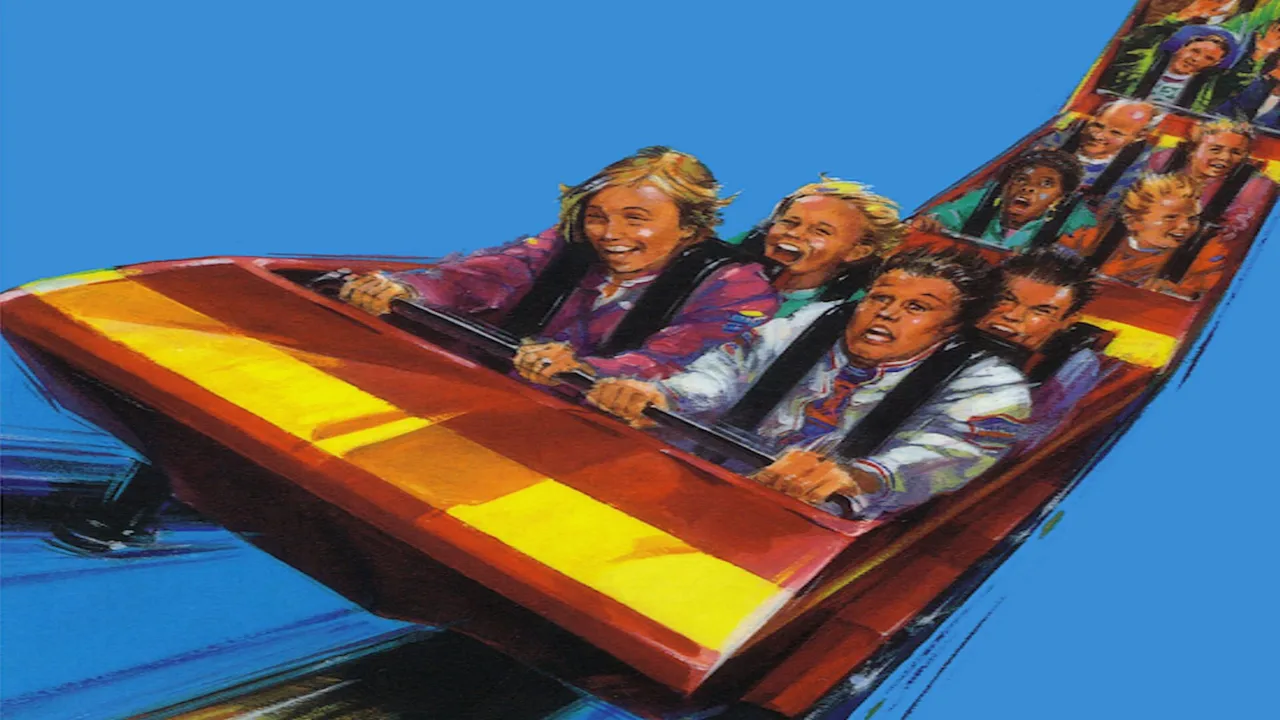
Theme Park (1994)
Theme Park is a 1994 real time strategy (rts) video game made by Bullfrog Productions.
An eccentric aunt leaves you a fortune with one condition: build the world's most profitable theme park. Theme Park from Bullfrog in 1994 is exactly as charming as that premise suggests, letting you lay out roller coasters, food stalls, and gift shops while managing the grubby economics beneath: staff wages, ride maintenance, the strategic placement of salt near the drink stands. Every year your park is ranked against forty rivals worldwide. The game wears a cheerful coat of paint over a surprisingly deep management simulation.
Similar games
Explore Theme Park guides
Theme Park in our writing
- Companion guide: Bullfrog: God Games, Dungeon Keepers and the Molyneux Years
A few thoughts on Theme Park
Cities: Skylines shares Theme Park's core loop of building something people enjoy while wrestling with the systems that keep it running, scaled up from a single park to an entire city.
Comedy that uses laughs to sneak in something sharper about people
Theme Park hides a genuinely cynical management sim, wages, ride upkeep, salt placed strategically near the drink stands, underneath a cheerful premise about an inherited fortune. Much Ado About Nothing and The School for Scandal use comedy of manners to expose real cruelty, Bossypants and Born a Crime turn Tina Fey and Trevor Noah's sharpest industry and upbringing observations into memoir, and Biloxi Blues finds dry wit in army life.
Games where the jokes are as important as the systems underneath
Theme Park wraps a surprisingly deep economic simulation in constant, cheeky jokes, like positioning salt stands to make visitors thirstier. South Park: The Stick of Truth turns its entire structure into one long gag, Grand Theft Auto V and Vice City use dark satire as their whole engine, Borderlands 2 layers absurd humor over its loot systems, and Undertale keeps subverting its own genre for a laugh.
Sitcoms that turn a mundane institution into the whole show
Theme Park turns the unglamorous business of running an attraction, staffing, maintenance, pricing, into the entire game, playing management as comedy rather than chore. The Office does the same trick with a paper company, The Simpsons has mined a nuclear town for decades, American Dad wrings comedy from a suburban household and a government job, and The Tonight Show Starring Jimmy Fallon turns the talk-show format into the whole act.
Music where absurdity gets treated like a serious art form
Theme Park never stops winking at its own systems, an eccentric inheritance, forty rival parks, a strategically placed salt shaker, while still functioning as a genuinely rigorous simulation. Ween's Pure Guava, Chocolate and Cheese, and White Pepper commit to that same trick across three albums, Tenacious D and Frank Zappa's Apostrophe do it in rock, and Beck's 12 Golden Country Greats does it as full-blown genre pastiche.