

Shakespeare, repackaged for the multiplex
Everything called 10 Things I Hate About You traces back to a single source: William Shakespeare's play The Taming of the Shrew, written around 1590. The play follows Petruchio, a fortune-hungry suitor who wagers he can domesticate the sharp-tongued Katharina so that her more compliant younger sister Bianca can be courted freely. Shakespeare was probably working from an earlier anonymous play, The Taming of A Shrew (1594), and possibly Italian commedia source material, so this story has been in circulation and mutation for over four centuries.
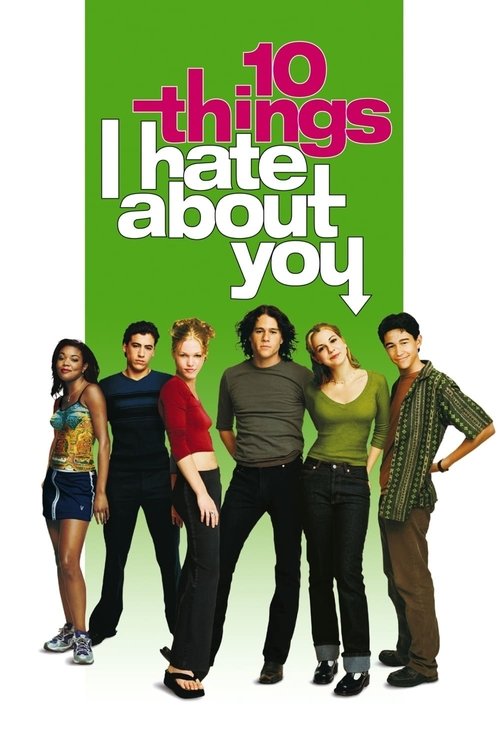
The 1999 film transplanted the Padua merchant class into a Seattle high school, renamed Katharina as Kat Stratford (Julia Stiles) and Petruchio as Patrick Verona (Heath Ledger), and wrapped the whole thing in a Cheap Trick and Letters to Cleo soundtrack. It became a defining teen rom-com of its era. The play itself, meanwhile, has never stopped being staged, filmed, and argued over: the question of what to do with a story built around a woman being broken to a man's will is one that every revival has to answer for itself.
The story across time
- c.1590Shakespeare writes The Taming of the Shrew The Taming of the Shrew
- 1999High school transplant becomes a teen classic 10 Things I Hate About You
- 1999Soundtrack defines the era as much as the film does
The 1999 film is the best version of this story, not just the most popular one
Gil Junger's film works because it doesn't hide the Shakespeare: it announces itself as a retelling, then earns its own emotional life anyway. Heath Ledger's bleachers sequence is the kind of thing that belongs to cinema rather than to a source text. More importantly, the film's updating of Kat refuses to fully domesticate her, and Julia Stiles's delivery of the sonnet-speech at the climax has genuine weight. The 1999 version is not just the most familiar version of this story. It is the version that solves the problem the play can't quite solve on its own: how to make a coerced romance feel earned.
The play is worth reading, but read it knowing it is actively uncomfortable
The Taming of the Shrew is one of Shakespeare's funniest plays and also one of his most unresolved. Whether Katharina's final speech is sincere submission, bitter irony, or a survival strategy is a debate that has been running since at least the nineteenth century, and the text genuinely sustains all three readings. Directors choose: prestige productions tend toward the ironic reading; productions that trust the knockabout comedy tend toward the more uncomfortable one. Neither is wrong. What the play is not, despite what the 1999 film made it feel like, is a romance with a happy ending that everyone can comfortably accept. That tension is what makes it worth returning to.

Classic literature transplanted to high school
The tradition the 1999 film belongs to: a century-old text, a contemporary campus

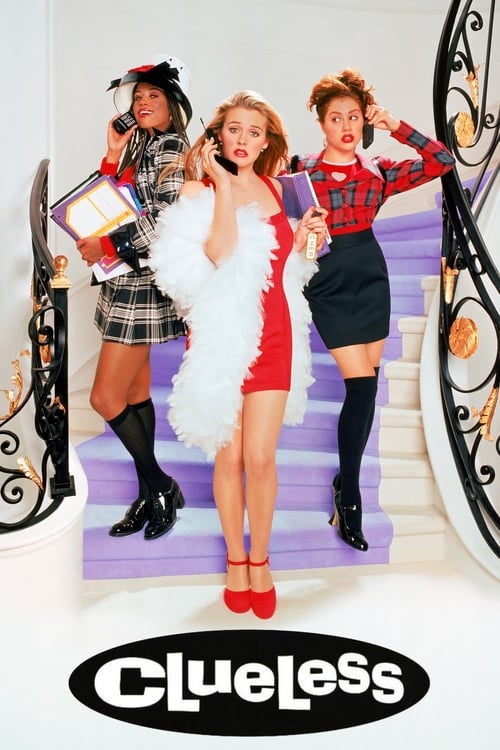



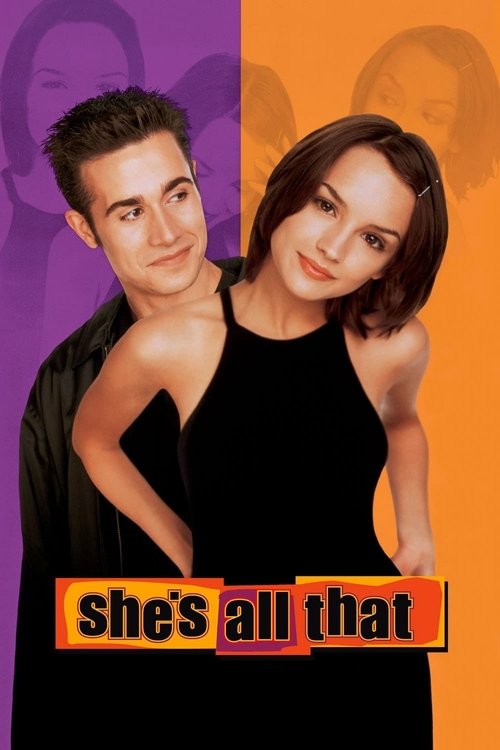
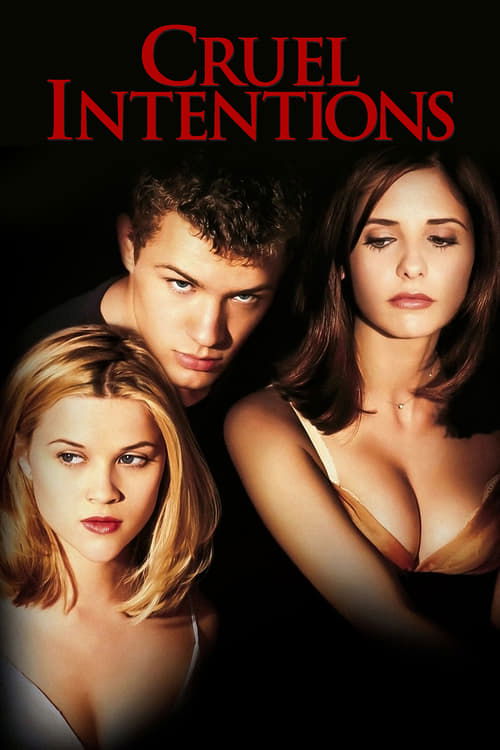
If you love the enemies-to-lovers dynamic: across all media
Two people who can't stand each other, until they can


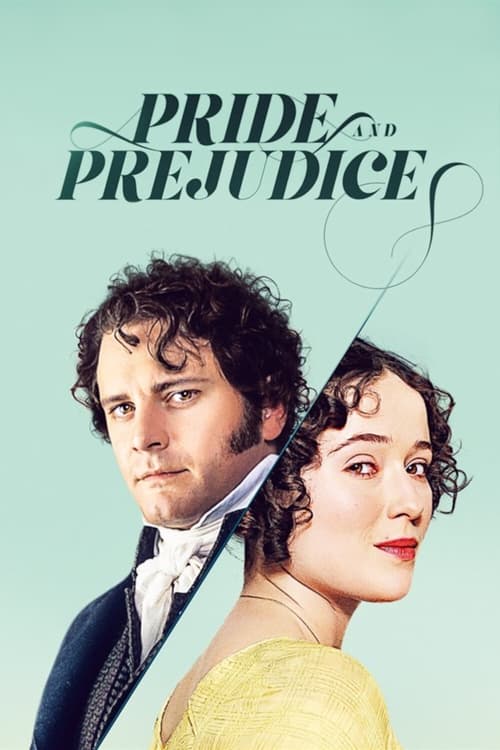

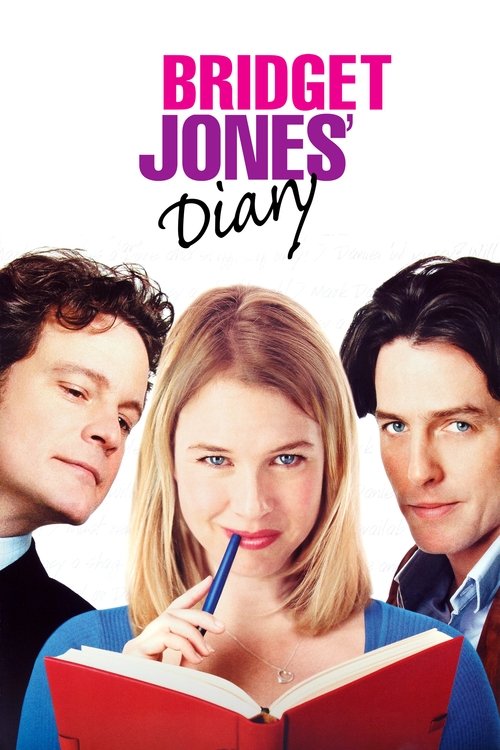

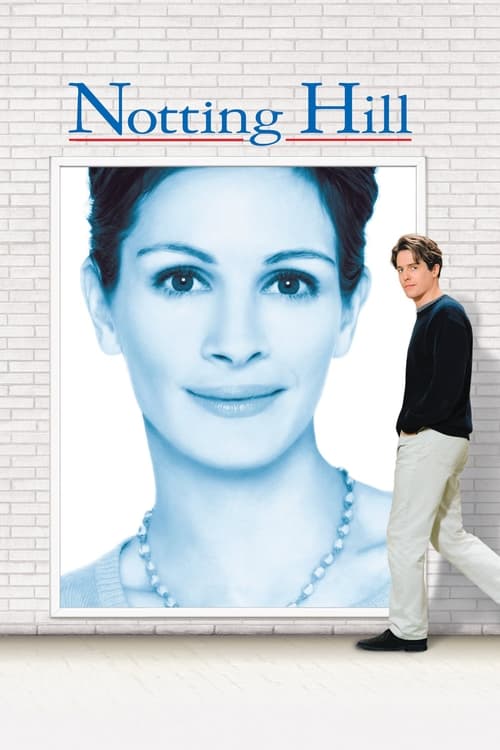

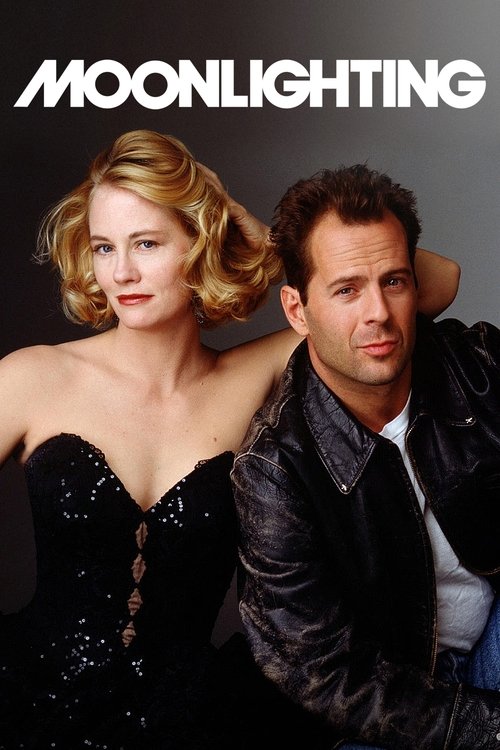

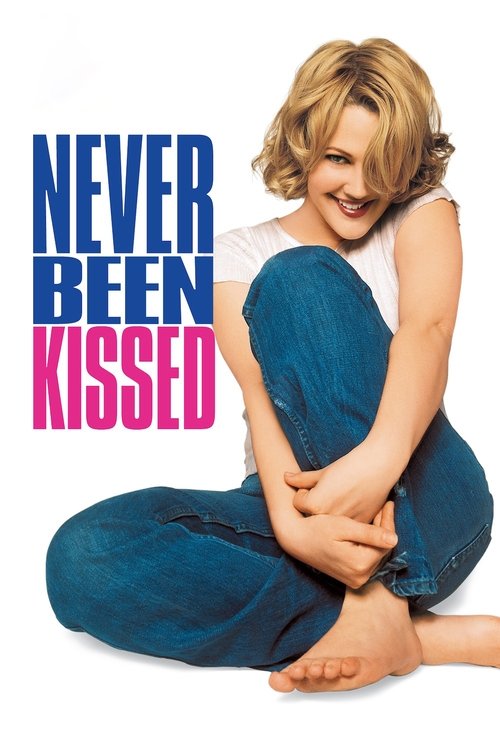
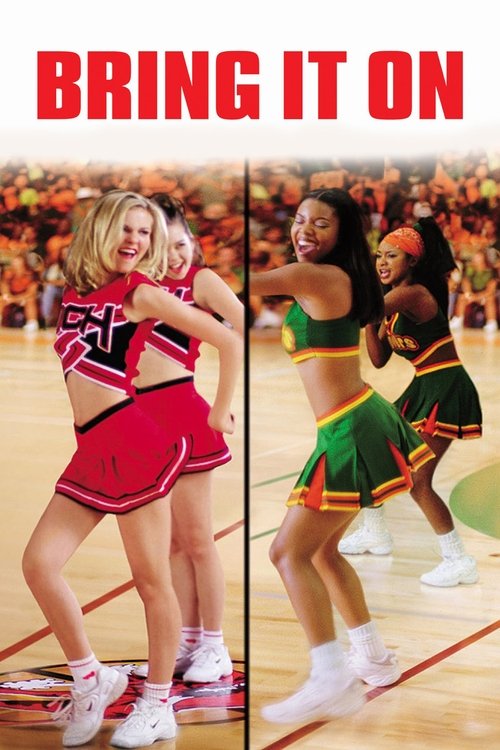
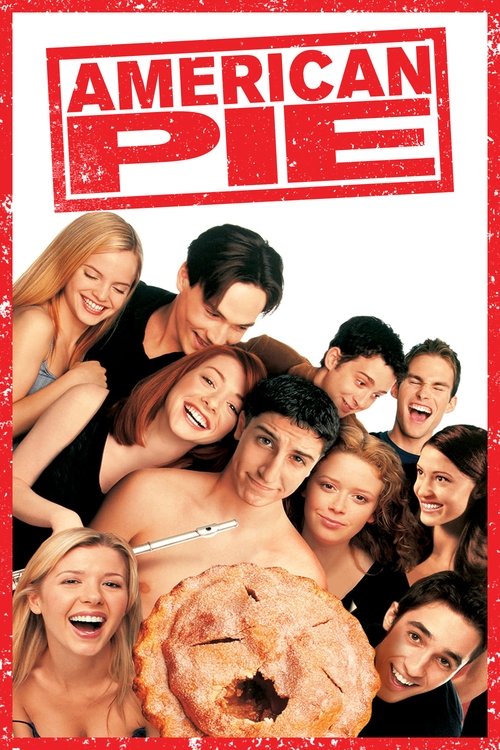
The late-90s teen rom-com world: peak of the era
The golden window, roughly 1995 to 2004




More Shakespeare Remixes and Teen Romance
Every Version of Clueless
Explore the Every Version of Clueless guide →I hate the way you talk to me, and the way you cut your hair. I hate the way you drive my car. I hate it when you stare.Kat Stratford, 10 Things I Hate About You (1999)