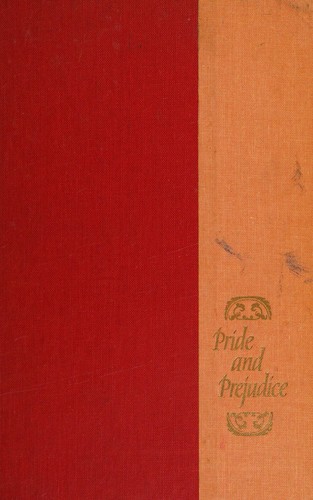

The novel that refused to stay on the shelf
Jane Austen finished Pride and Prejudice in 1797, called it First Impressions, and watched it get rejected by a publisher without being read. She revised it, renamed it, and finally saw it published in January 1813. It sold out its first print run in eleven days.
The story is structurally simple: five daughters in a cash-poor genteel family must marry well, and the second-eldest, Elizabeth Bennet, meets the wealthy, proud Mr. Darcy and dislikes him immediately. What follows is one of the most precisely observed comedies of manners in English literature, about the gap between how people appear and who they actually are. Austen wrote it as an ironic novel, not a romance. The romance is the mechanism; the subject is judgment.
That combination of wit, feeling, and satisfying resolution has made it one of the most adapted works in any language. The BBC turned it into prestige television twice. Hollywood made it a star vehicle in every decade from the 1940s onwards. India rewrote it in Punjabi. Fans rebuilt it as a YouTube vlog series. Seth Grahame-Smith added zombies. The story bends to almost every medium and context without breaking, because its core, two stubborn people slowly recognising they have been wrong about each other, is both universal and endlessly renewable.
Every version of Pride and Prejudice
The source novel plus every major adaptation across film, TV, and other media



Pride and Prejudice across 200 years
- 1813Jane Austen publishes the novel Pride and Prejudice
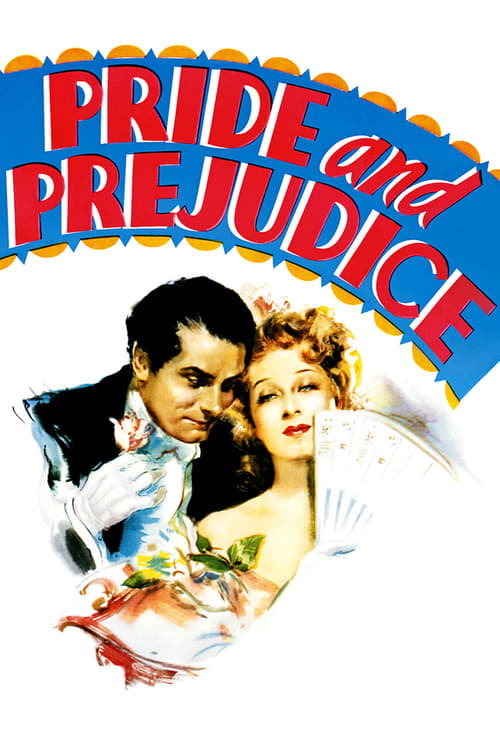
- 1940First major Hollywood film, with Greer Garson and Laurence Olivier Pride and Prejudice
- 1952BBC live television serial (now lost) Pride and Prejudice
- 1958Second BBC serial adaptation Pride and Prejudice
- 1967BBC serial with Celia Bannerman as Elizabeth Pride and Prejudice
- 1980BBC five-part serial with Elizabeth Garvie Pride and Prejudice
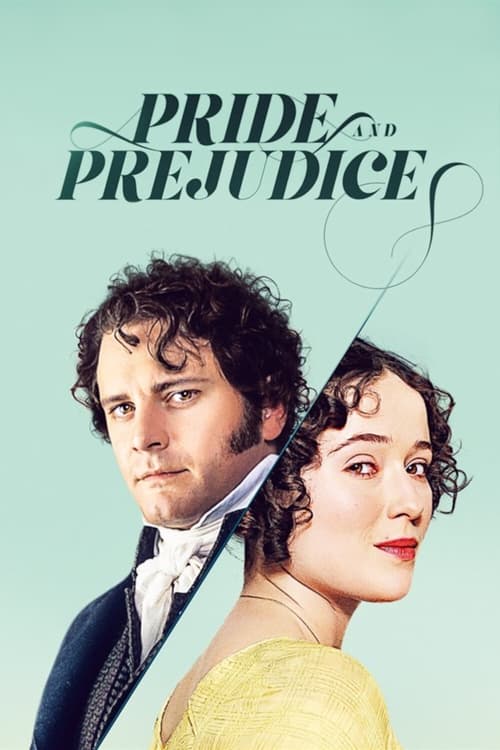
- 1995Landmark BBC six-part serial; Colin Firth as Darcy Pride and Prejudice
- 1996Helen Fielding transposes the story to 1990s London Bridget Jones's baby
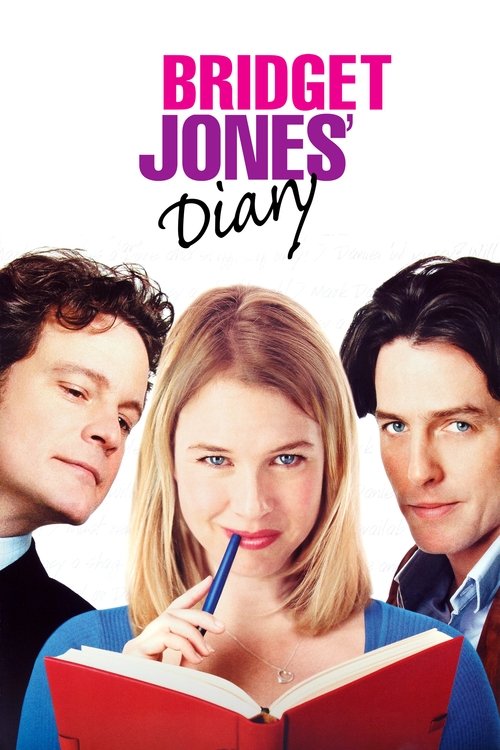
- 2001Renee Zellweger and Colin Firth in the film of Fielding's novel Bridget Jones's Diary
- 2004Aishwarya Rai in Gurinder Chadha's Bollywood-inflected retelling Pride and Prejudice
- 2005Keira Knightley and Matthew Macfadyen in Joe Wright's film Pride and Prejudice
- 2008ITV four-part modern-dress fantasy series
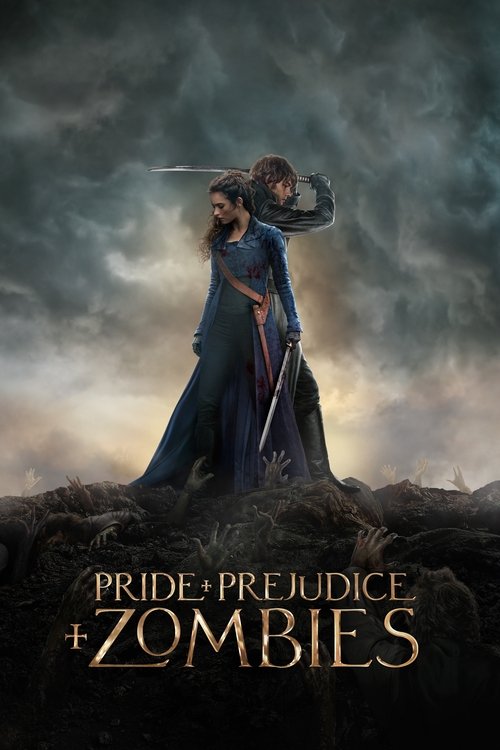
- 2009Seth Grahame-Smith adds zombies and martial arts to Austen's text Pride and Prejudice
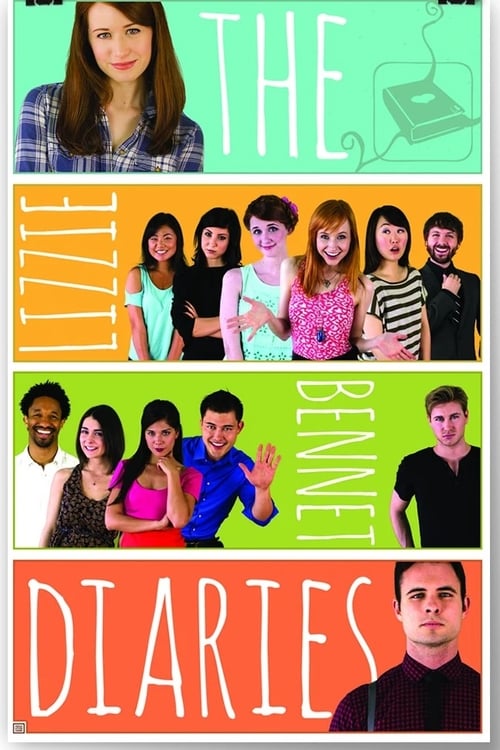
- 2012YouTube vlog series reimagining Elizabeth as a grad student The Lizzie Bennet Diaries
- 2016Curtis Sittenfeld's contemporary American retelling
- 2016Zombie adaptation reaches cinemas with Lily James Pride and Prejudice and Zombies
- 2022Gay male retelling set in a Fire Island Pines summer Fire Island
The definitive version is still the 1995 BBC serial
Six hours is the right length for this story. The 1995 BBC adaptation, scripted by Andrew Davies and directed by Simon Langton, gives every subplot room to breathe and every minor character a fully inhabited performance. Colin Firth's Darcy became a cultural reference point for a reason: the performance is physically restrained and emotionally legible in exactly the way the character requires. Jennifer Ehle matches him scene for scene. Nearly thirty years later, nothing has surpassed it.
The 2005 film earns more than it gets credit for
Joe Wright's film gets written off as the abridged version, the one you watch when you don't have time for the BBC serial. That framing is wrong. Dario Marianelli's score, Roman Osin's cinematography, and a production design that makes the Bennet household feel genuinely financially precarious rather than prettily shabby all serve the material in ways the 1995 version did not attempt. Matthew Macfadyen plays Darcy's social paralysis as something close to a panic disorder. It is a different reading, not an inferior one.
The Lizzie Bennet Diaries solved a problem nobody knew adaptations had
How do you adapt a novel built on letters and private thoughts into a visual medium without resorting to voiceover? The Lizzie Bennet Diaries, a 2012 YouTube series created by Hank Green and Bernie Su, found the answer: make Elizabeth a grad student who vlogs. The format imposes the same constraints as letters (Lizzie can only describe what she witnessed or was told) and preserves the unreliable-narrator problem that makes the novel interesting in the first place. It won a Primetime Emmy for interactive media and invented a genre of literary web adaptations that is still running.
If you love the Darcy problem
Stories about people who misread each other badly before getting it right



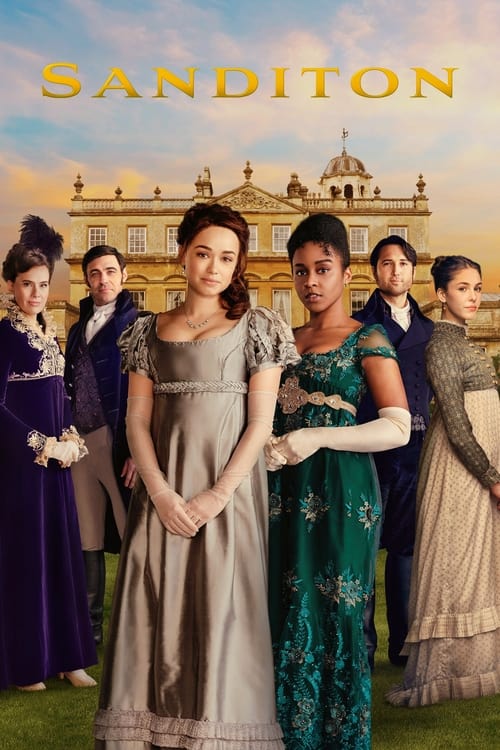
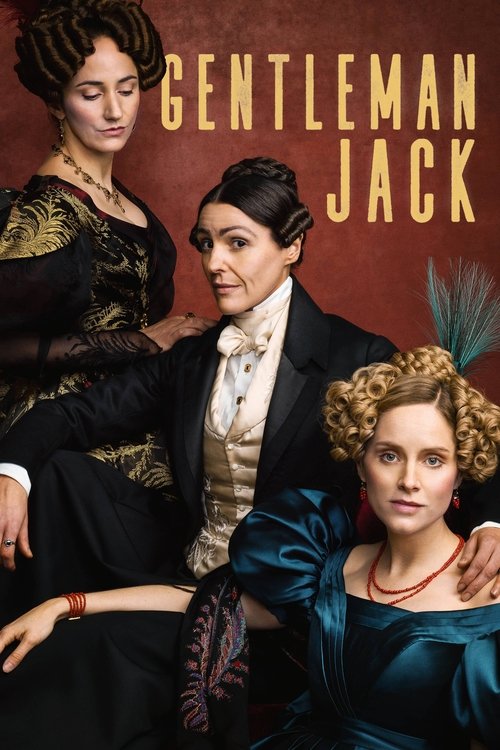
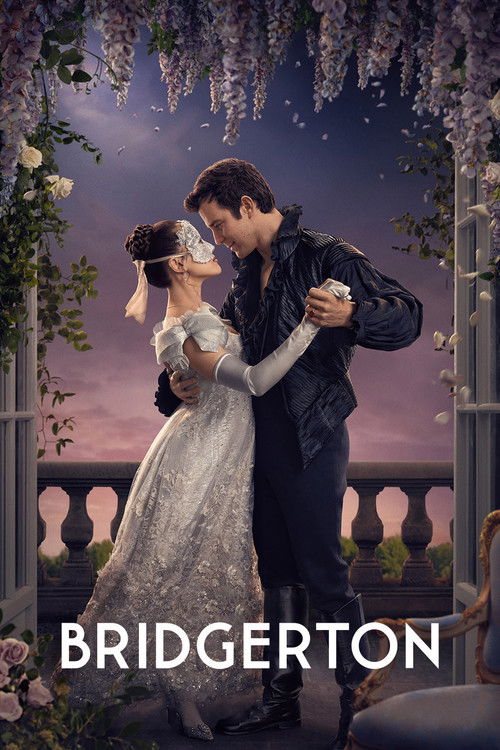
If you love the world she lives in
Regency and Victorian society, marriage markets, and class anxiety

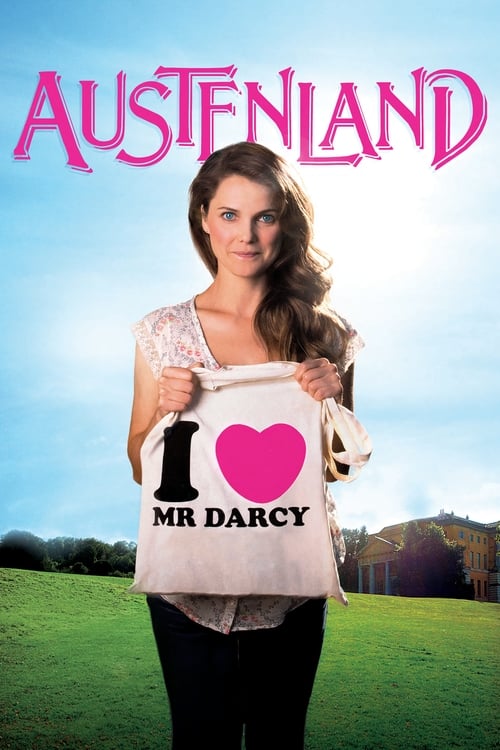
If you love the modern rewrites
Austen's plot transplanted to new times, places, and demographics
If you want the genre mash-ups
What happens when Austen collides with horror, fantasy, and satire
More Austen and other Bennet retellings
For Fans of Jane Austen
Explore the For Fans of Jane Austen guide →It is a truth universally acknowledged, that a single man in possession of a good fortune, must be in want of a wife.Jane Austen, Pride and Prejudice (1813)