
Where it started
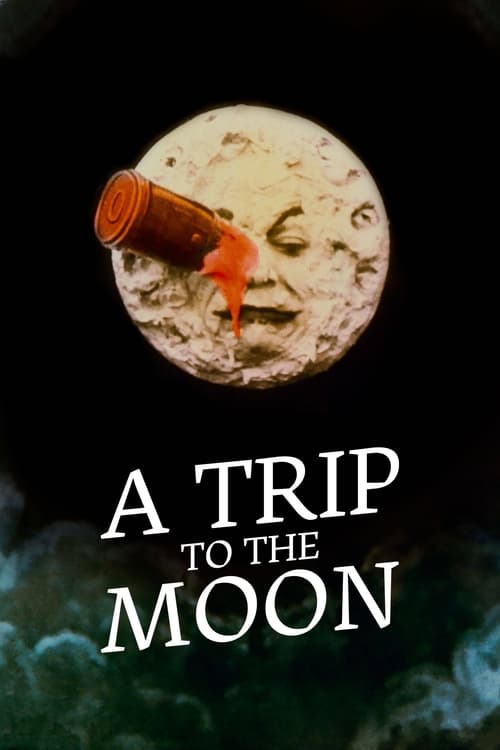
The story begins not with a screenplay but with two books published within a few years of each other: Jules Verne's From the Earth to the Moon (1865) and H.G. Wells's The First Men in the Moon (1901). Georges Melies drew on both when he shot A Trip to the Moon (French: Le Voyage dans la Lune) in 1902, a 14-minute hand-tinted fantasy that became the first science-fiction film ever made and one of the most influential works in cinema history. The image of the Moon's face with a rocket lodged in its eye is among the most recognizable frames in the history of moving pictures.
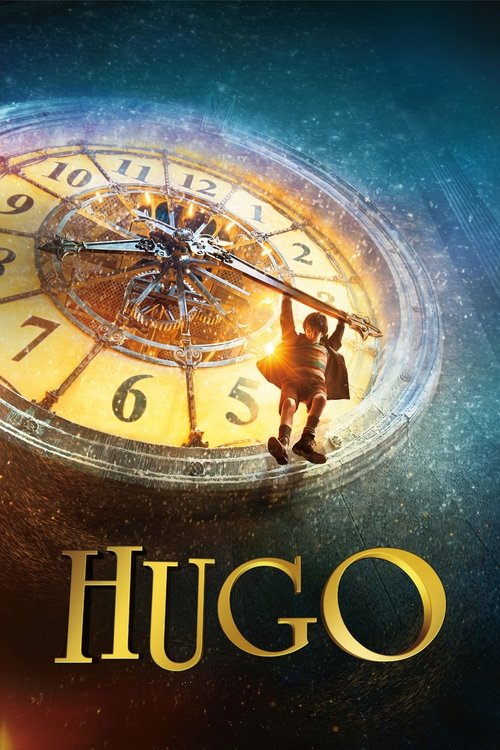
From that single short, the story radiated outward. The Wells novel spawned its own adaptations, most notably the 1964 film with Ray Harryhausen's stop-motion creatures. Melies's film was rediscovered, restored, and recolored decades after it was thought lost. In 2012 the French electronic duo Air recorded an entirely new score for the restored color print, reintroducing it to a new generation. The story also feeds Brian Selznick's The Invention of Hugo Cabret, the novel that put Melies himself at the center of a new narrative, and Martin Scorsese's Hugo, which brought the filmmaker's legacy back to the multiplex. Few stories in popular culture have crossed as many media, or traveled as gracefully across a century.
A century of lunar voyages
- 1865Jules Verne publishes From the Earth to the Moon
- 1901H.G. Wells publishes The First Men in the Moon
- 1902Melies releases A Trip to the Moon, the first science-fiction film
- 1919Silent UK adaptation of The First Men in the Moon
- 1964First Men in the Moon (Ray Harryhausen adaptation)
- 1998HBO miniseries From the Earth to the Moon
- 2007Brian Selznick publishes The Invention of Hugo Cabret
- 2011Martin Scorsese's Hugo puts Melies at the center
- 2011Restored color print of A Trip to the Moon unveiled at Cannes
- 2012Air releases Le Voyage dans la Lune as the film's new score
If you love A Trip to the Moon: early cinema rediscoveries
Silent and early sound films that reward modern audiences
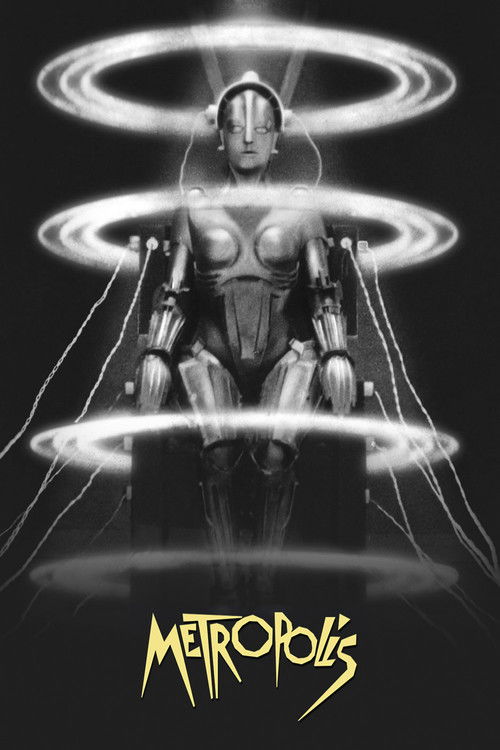
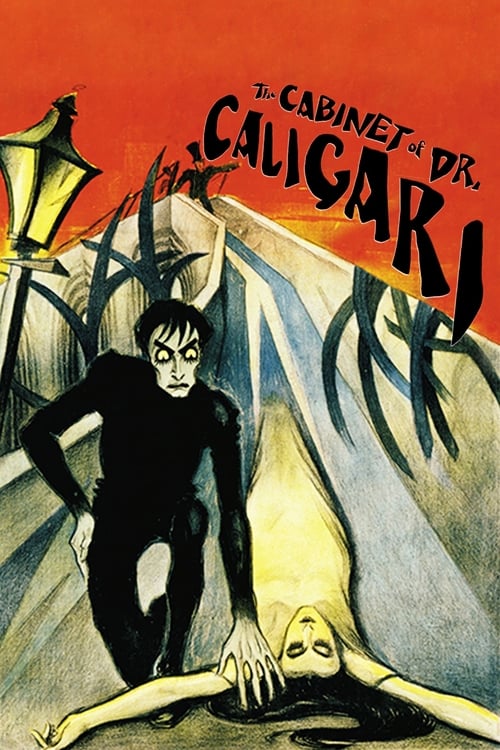

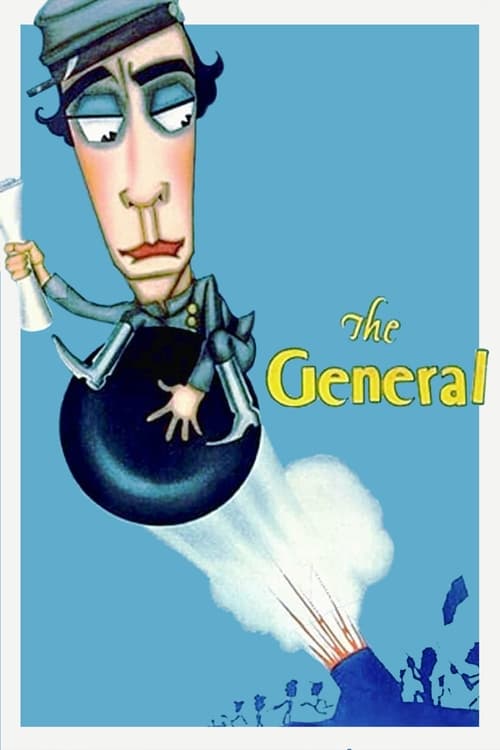
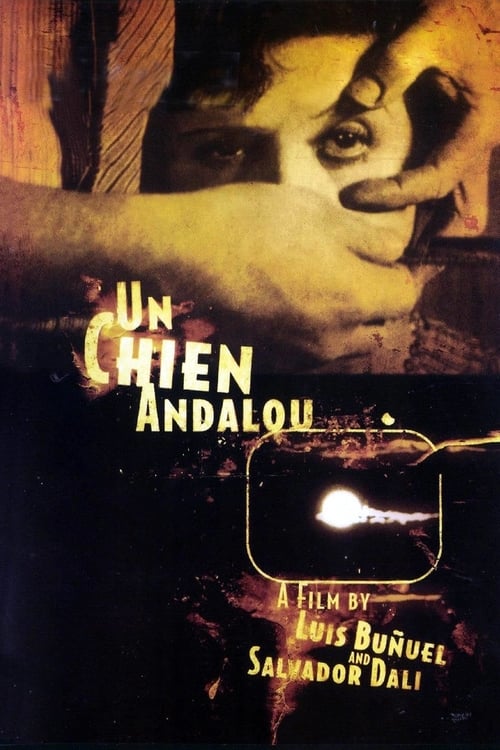

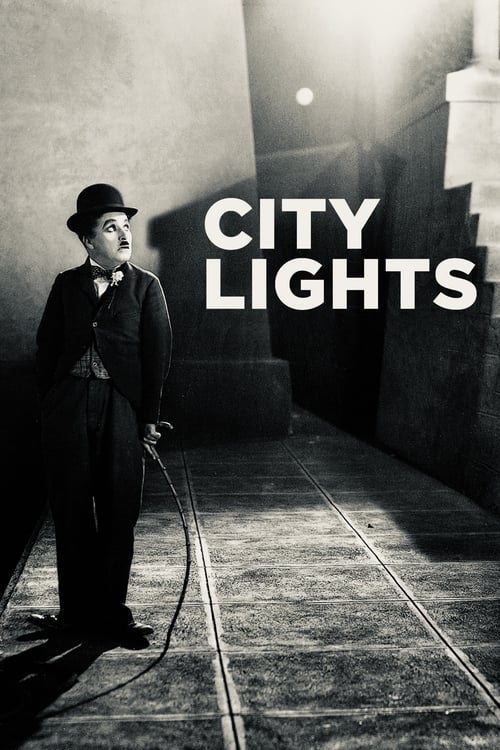
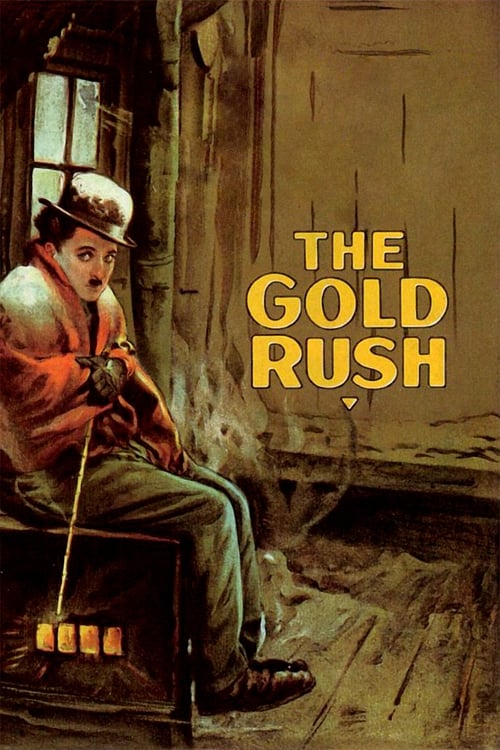
If you love A Trip to the Moon: the literature that made it possible
Victorian and Edwardian fiction that Melies drew on directly, and its nearest neighbors


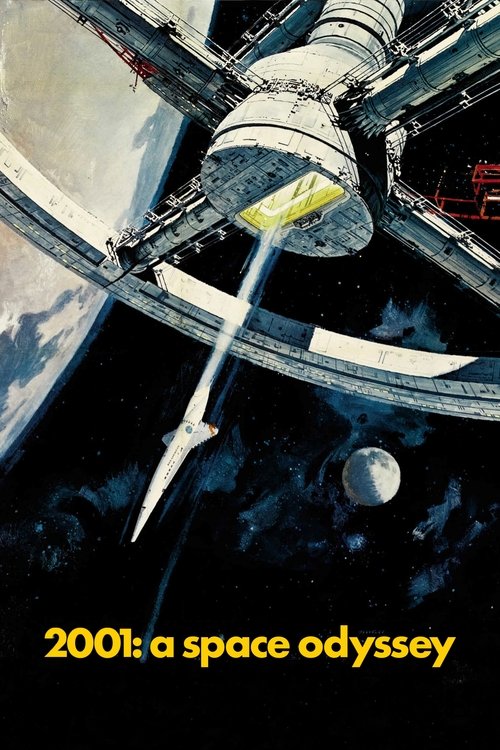
If you love A Trip to the Moon: space adventure across all media
Lunar and cosmic odysseys that carry the same sense of wonder


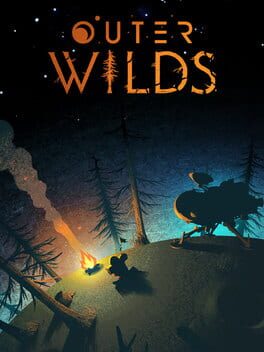
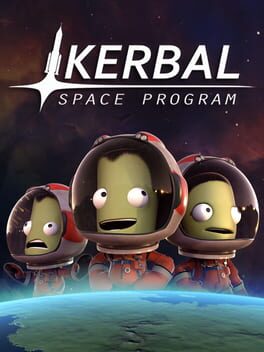
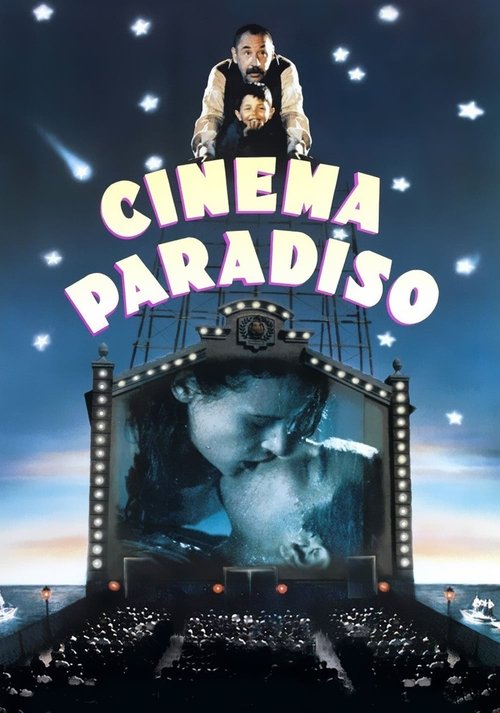
If you love A Trip to the Moon: cinema as magic
Melies turned filmmaking into conjuring; these share that belief
The definitive version: the 1902 film, restored and rescored
The Melies original is not just historically significant, it is still a genuinely good film. The restored 1902 color print, paired with Air's 2012 electronic score, is the optimal way to watch it today: the music sits at exactly the right emotional distance from the images, reverential but not stiff. Watch this version before any of the adaptations. The score does not try to explain the film; it listens to it.
The best companion piece: Hugo
Scorsese's Hugo is not a remake, and it is more than a tribute. It is the argument that cinema itself is a form of magic, and that Melies was its first great magician. The film works on its own terms as a children's adventure, but its real subject is the same as the 1902 original: the pleasure of astonishment. See it after the Melies, not before.
The one to watch for mood: Moon (2009)
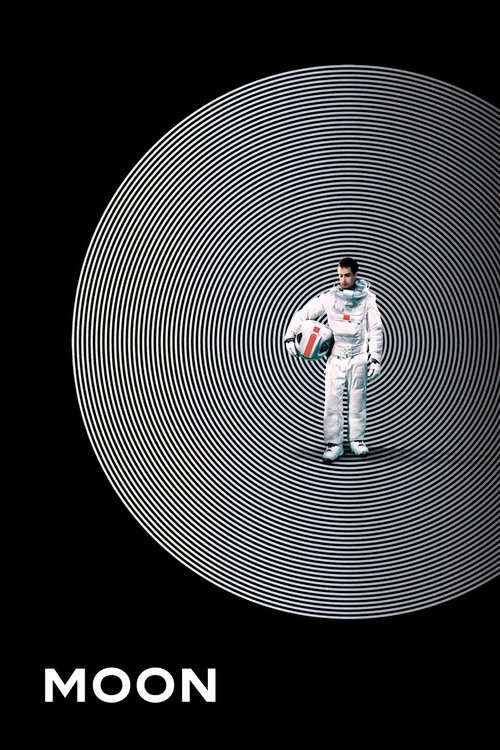
Duncan Jones's Moon has no direct connection to Melies, but it captures something the 1902 film understands viscerally: the Moon is not a destination, it is a state of mind. Sam Rockwell's performance carries the entire picture alone, and the film's twist lands harder precisely because the setup is so quiet. This is the most emotionally serious film on the list.
The overrated one: most modern Verne-title adaptations
Several low-budget productions have cycled through the Verne and Wells titles over the decades, mainly from The Asylum and similar outfits rushing product to streaming. They share nothing with Melies's invention or Wells's ideas beyond the title. If a version appeared in the last fifteen years and you have not heard of it, the odds are high it is not worth your time. The title is in the public domain; the spirit is not transferable.