

Between 1957 and 1975, two superpowers pointed their best engineers at the sky and dared each other to go higher, faster, farther. It was part arms race, part scientific moonshot, part propaganda duel and entirely unlike anything that had come before. The Soviet Union launched Sputnik, then Laika, then Gagarin. The United States answered with Mercury, Gemini, Apollo, and on a July evening in 1969, a bootprint on the lunar regolith that the whole world stopped to watch.
What makes the Space Race irresistible as a subject is how human it remains at that scale. The rockets were new; the people strapping themselves to them were not. Test pilots with thousand-yard stares. Mathematicians who were never told their race mattered. Engineers who lost sleep over o-rings. A handful of countries' worth of ambition, fear and improvisation, moving faster than history usually allows. This guide covers the real thing: the years from Sputnik to the Apollo-Soyuz handshake, across every medium that has tried to do it justice.
Essential Space Race
The canonical works, across every medium.
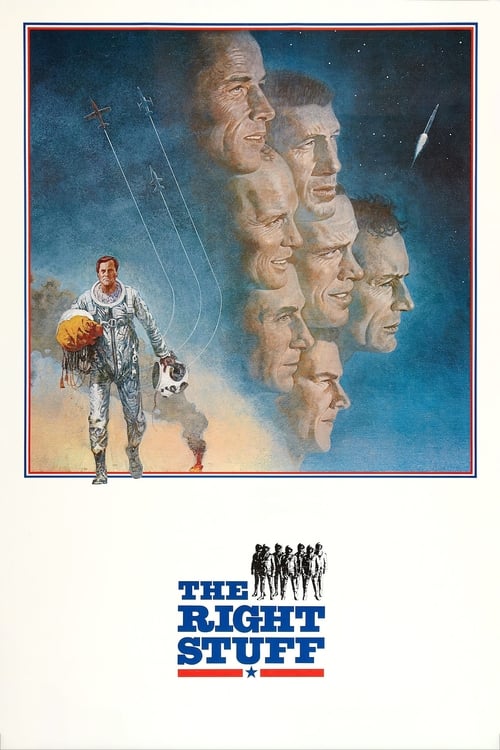

The film that got the attitude exactly right
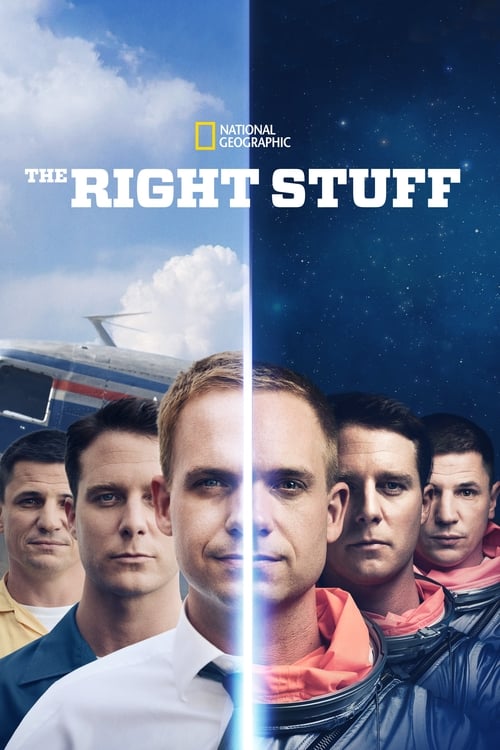
Philip Kaufman's The Right Stuff (1983) is a three-hour film about men who volunteered to sit on top of experimental rockets, and its great trick is that it refuses to play them as heroes in the conventional sense. They are competitive, vain, sometimes petty, often hilarious, and the film loves them for all of it. The Mercury astronauts get one kind of story: the press conference, the PR machine, the careful public image. Chuck Yeager, barely in the film at all, gets another: quiet, skilled, contemptuous of the circus. Kaufman holds both in tension and lets you decide what the right stuff actually is. Tom Wolfe's source material was already superb. The film is one of the few adaptations that earns the comparison.
The American program: from launchpad to lunar surface
Mercury to Apollo, the disasters, the triumphs, and the moments that defined the decade.

The women who calculated the trajectory
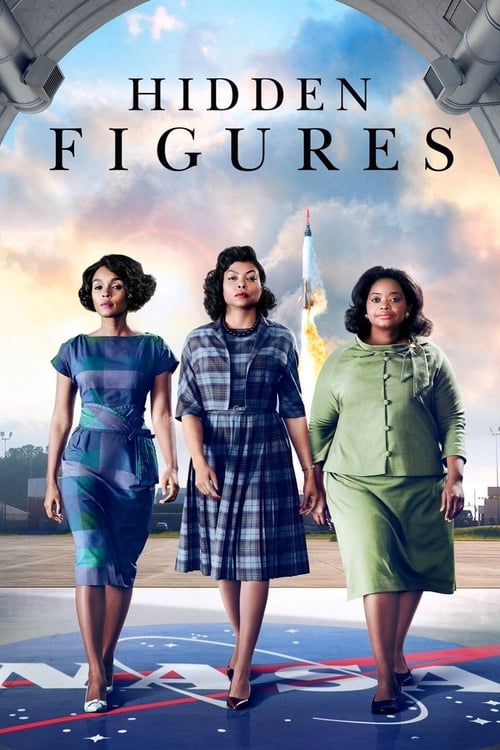
Hidden Figures (2016) arrived with a corrective that should have been obvious: the equations that got astronauts to orbit were worked out by Black women at NASA's Langley Research Center, women who were called computers before computers were machines. Katherine Johnson, Dorothy Vaughan and Mary Jackson are now on record, which is a start. The film is careful, warm and commercially polished; Margot Lee Shetterly's book, which is the more expansive treatment, does full justice to the institutional racism these women navigated alongside the actual mathematics. Both versions are essential. Neither replaces the other.
On television: long arcs of the space age
The astronaut wives, the alt-history race, the docuseries that went back to account for everything.

The one about what almost went wrong
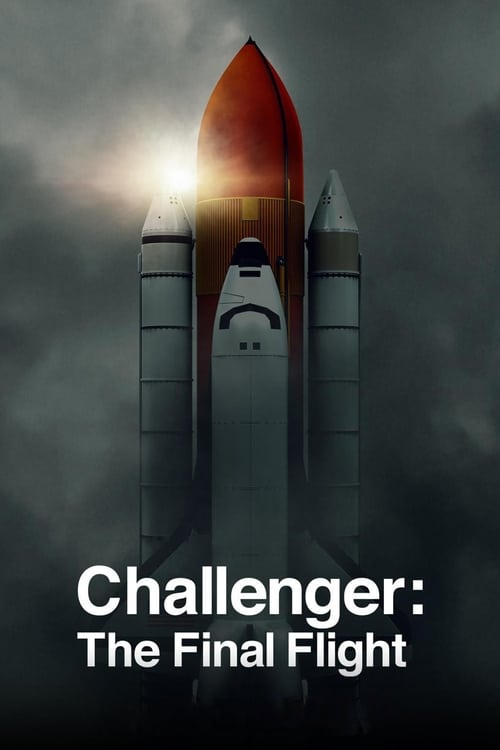
Ron Howard's Apollo 13 (1995) works the strange alchemy of making a known outcome feel genuinely suspenseful, and it does so by understanding that the story is not really about the Moon. It is about three men in a crippled spacecraft, mission controllers improvising solutions with slide rules and tape, and a culture of engineering problem-solving that had been years in the making. The film does not condescend to the technical detail; it trusts that audiences can follow a CO2 scrubber crisis without a diagram. James Lovell, Jack Swigert and Fred Haise made it home. The film makes you feel how close they didn't.
The alt-history that takes the race seriously
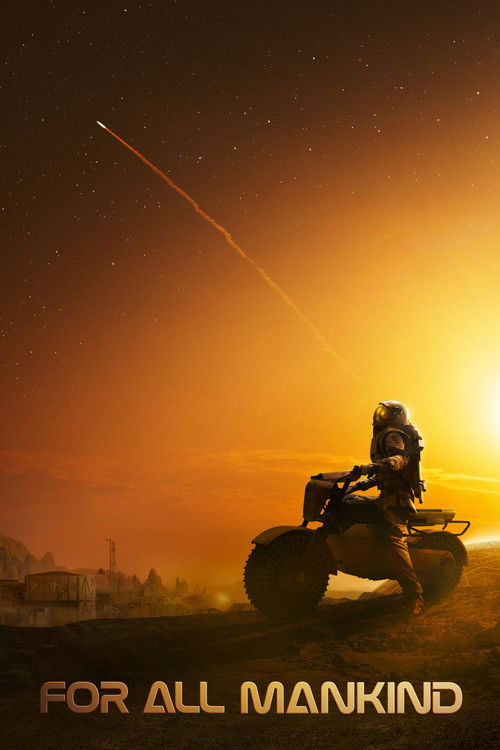
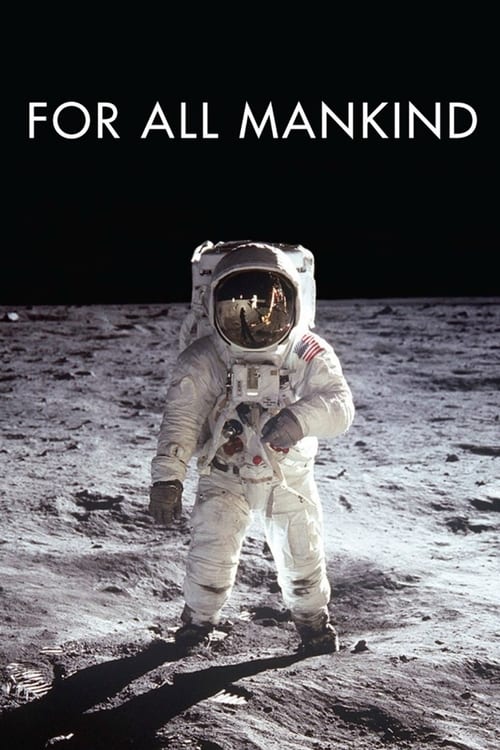
Apple TV's For All Mankind asks a single question: what if the Soviets landed on the Moon first? The answer, it turns out, is that the Americans would have kept going, harder and faster, and the Space Race would never have ended. The show uses that premise not as a gimmick but as a structural argument about the role of competition in human ambition. By season two it has moved into the 1980s, with a permanent lunar base and a tension that feels nothing like nostalgia. It earns the premise by taking the history seriously enough to know exactly what to change.
The Soviet side: Gagarin to the space station
The other half of the race, from Baikonur to orbit.


The books that built the record
The biography, the oral history, the astronaut memoir: the Space Race on the page.


Games understand the budget problem
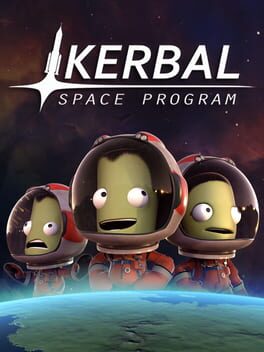
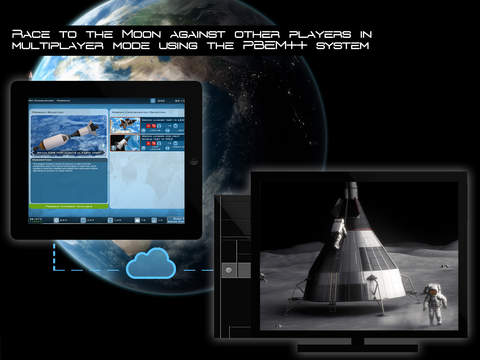
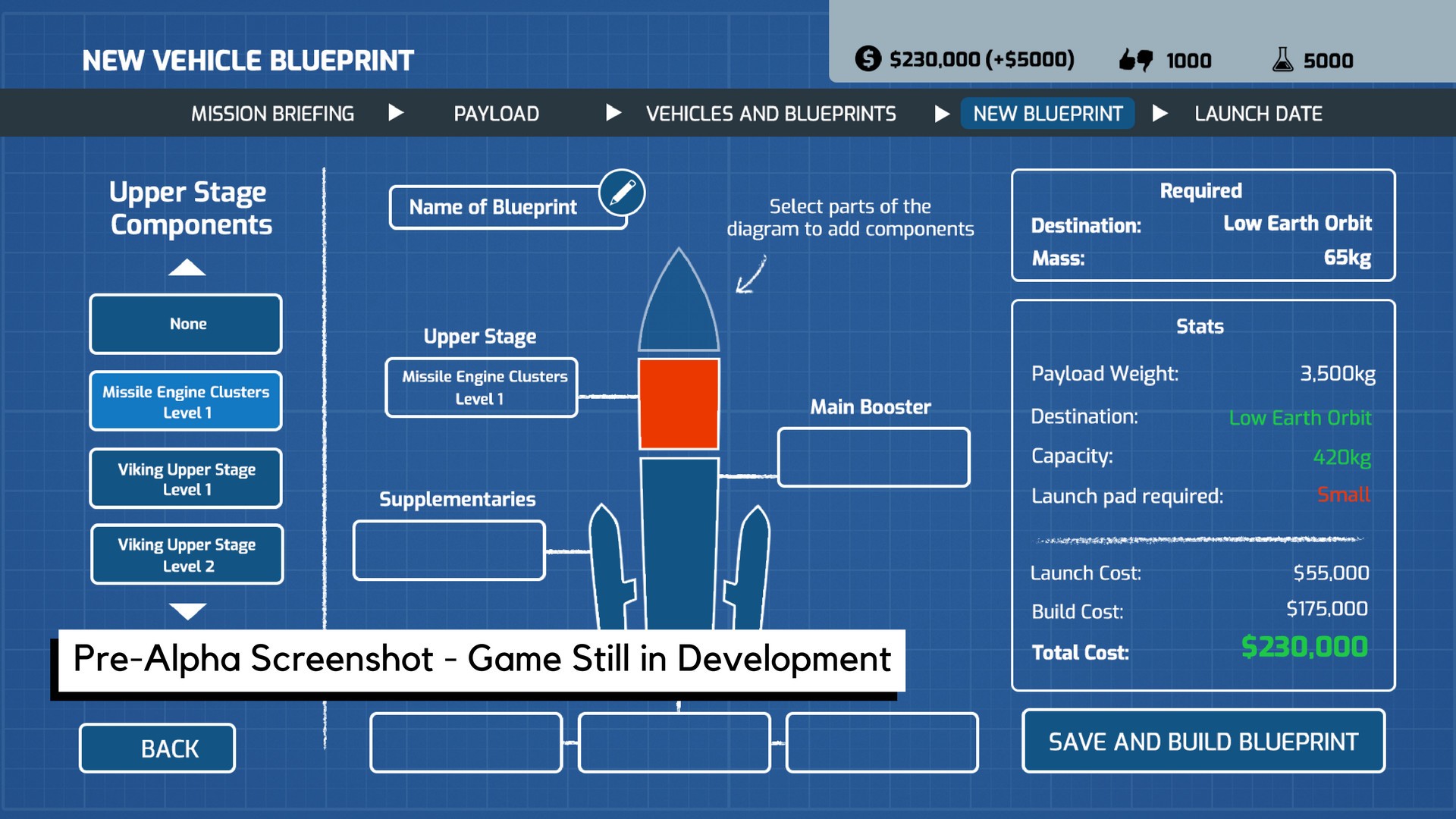
No other medium teaches you what building a space program actually costs. Kerbal Space Program lets you design rockets from scratch, watch them blow up on the launchpad, rebuild them, and eventually loop a tiny green astronaut around a pixelated Mun. It is funny, unforgiving and unexpectedly educational. Buzz Aldrin's Space Program Manager is less forgiving still: it models the actual NASA budget hearings, the mission selection committees, the political calculus of risk. Both games share the insight that the Space Race was not just about engineering. It was about resource allocation, political will and the willingness to lose people. Playing them, you understand why it was so hard to do even once.
Launch control: the games
Build the program, manage the mission, fly the thing yourself.
More of the long reach into orbit
Space Exploration
Explore the Space Exploration guide →The Moon landings happened because two countries were afraid of each other. Fear, it turns out, is a remarkable engine for putting footprints on other worlds.On the strange arithmetic of the Space Race