

Where the Story Comes From
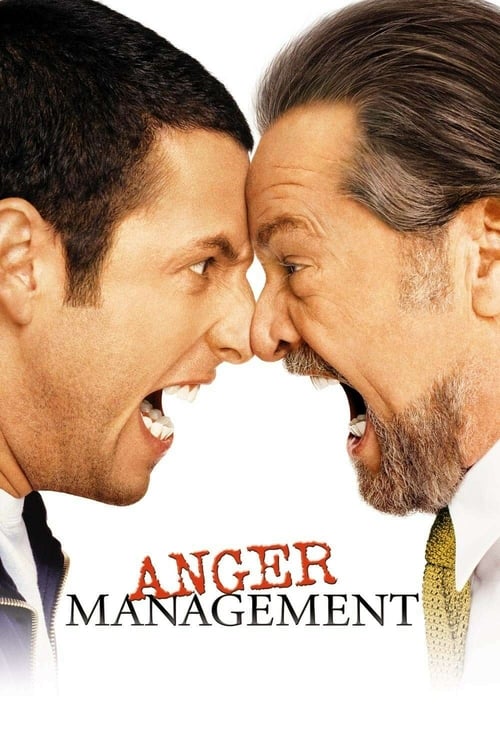
Unlike most franchise properties that begin as novels or plays, Anger Management started life as an original screenplay by David Dorfman, produced by Columbia Pictures and Revolution Studios. The 2003 film had no literary source: it was conceived directly for the screen, built around the comic premise of a passive, conflict-averse man sentenced to therapy sessions run by a volatile, boundary-free therapist. That the therapist turns out to be the problem is the entire engine.
The film landed at the right moment. Adam Sandler was coming off a run of consistent hits, and pairing him with Jack Nicholson at his most deliberately unhinged produced something that grossed over $195 million worldwide on a modest budget. It was not a critics' darling, but it was a genuine audience hit, and that commercial footprint was large enough to eventually attract a television adaptation.
Almost a decade later, FX gave Charlie Sheen a 100-episode straight-to-series order for a loosely connected TV version. The show kept the therapy-group concept and the name, but built an entirely new world around Sheen's persona. The through-line between film and series is more tonal than structural: both use the anger management group as a container for comic character study.
Anger Management Across the Years
- 2003Original film released by Columbia Pictures Anger Management
- 2012FX series premieres with Charlie Sheen, 100-episode order Anger Management
- 2014FX series concludes after two seasons and 100 episodes Anger Management
The definitive version: the 2003 film
The original film is the version most people picture, and it earns that position. Nicholson's Dr. Rydell is a genuinely strange creation: all performed aggression and deliberate provocation, a man-sized toddler weaponizing therapy-speak. The group ensemble (John Turturro, Luis Guzman, Woody Harrelson in a memorable cameo) gives the film texture beyond the central duo. It is not a great comedy. The third act collapses into sentiment that the film has not earned, and the reveal feels bolted on. But Sandler's straight-man restraint is better deployed here than in most of his films from this era, and for roughly 80 minutes the Nicholson spectacle is worth the price of admission.
The curiosity: the FX series as a Charlie Sheen document
The FX series is not good television, but it is a genuinely strange artifact. Sheen plays a therapist who is himself unhinged: the same basic irony as the film, now stretched to 100 episodes. The show was made fast and cheap under a deal that essentially guaranteed Sheen a minimum payout regardless of ratings, which gives it a strange anything-goes energy. Fans of the film will find little overlap; the premises share a name and a concept but almost no DNA. What the series actually documents is a specific moment in Sheen's public life, and on those terms it is more interesting than it has any right to be.

Worth noting: there is no novel, game, or international remake to track down
Unlike properties such as MASH or The Office that spawned international adaptations, Anger Management* has remained a two-entry catalog. There is no source novel, no stage musical, no localized remake that has achieved any notable release. The franchise is genuinely small, which makes it unusual among properties that crossed from film to multi-season television. If you have seen both versions, you have seen everything.
If you love Anger Management: therapy comedies and group-session films
Stories built around treatment, groups, and the therapist-patient dynamic played for laughs or drama




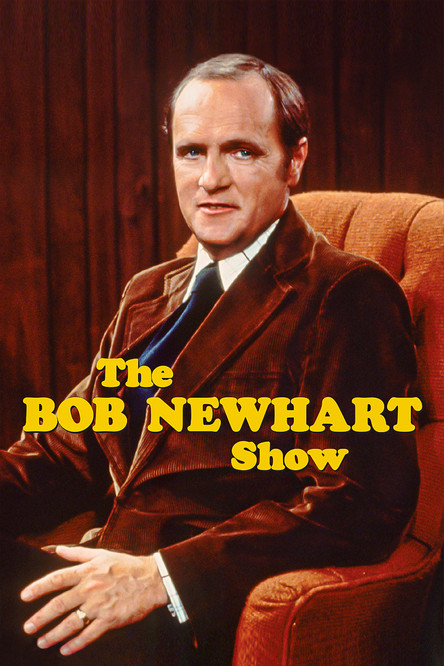
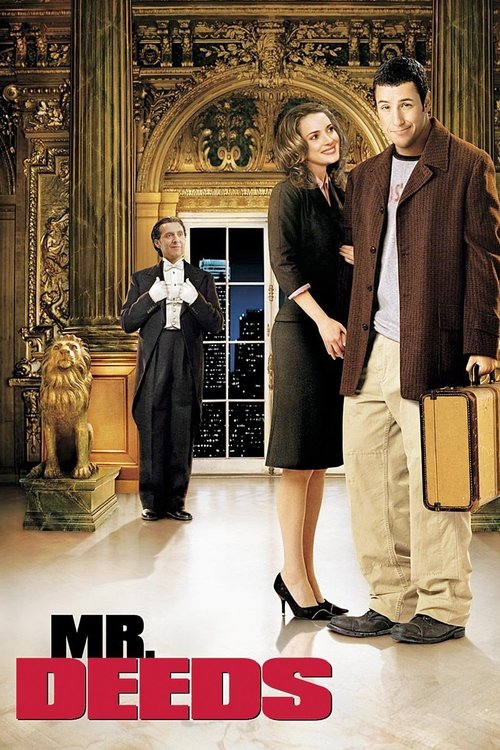
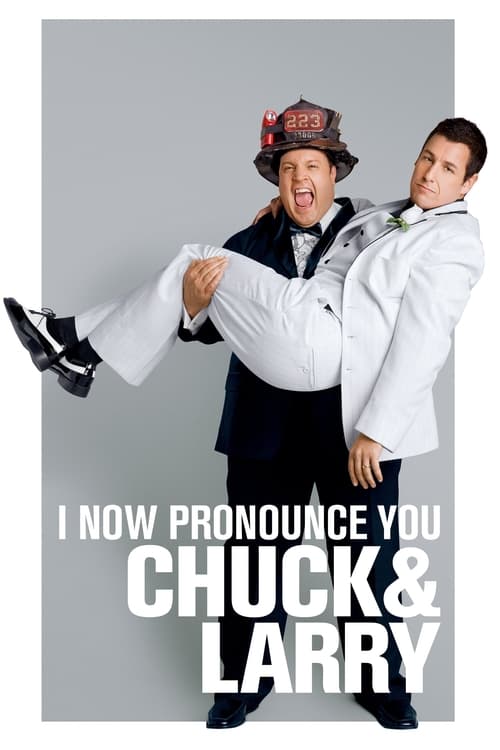
If you love Anger Management: mismatched-pair comedies with Sandler or Nicholson
Films where the central joke lives in the collision between two very different personalities


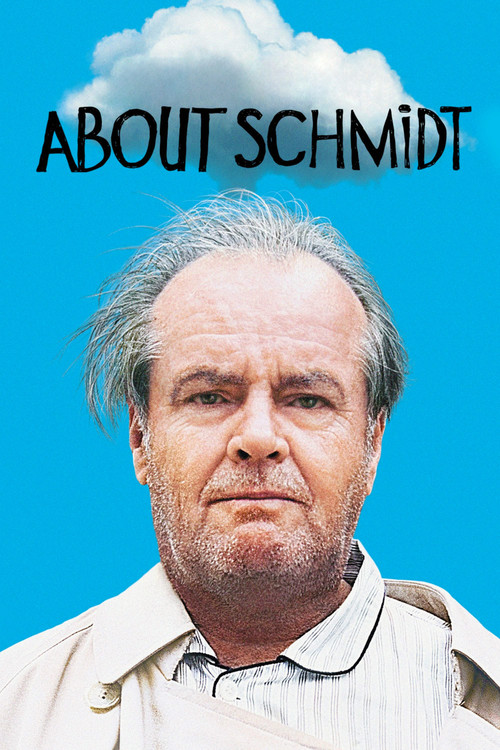

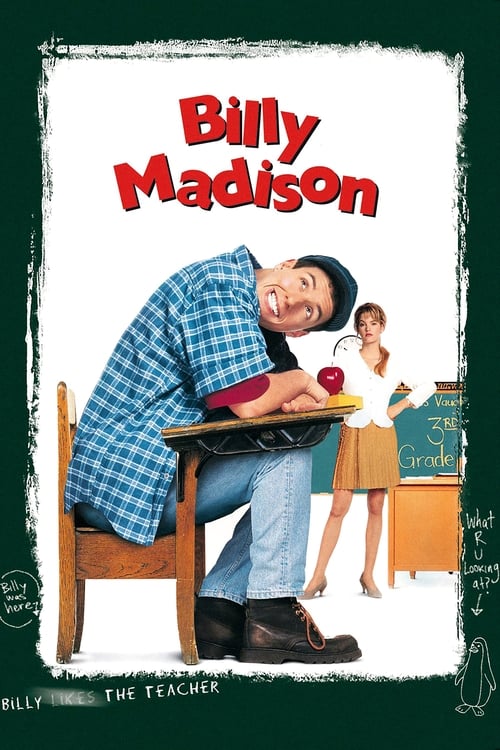
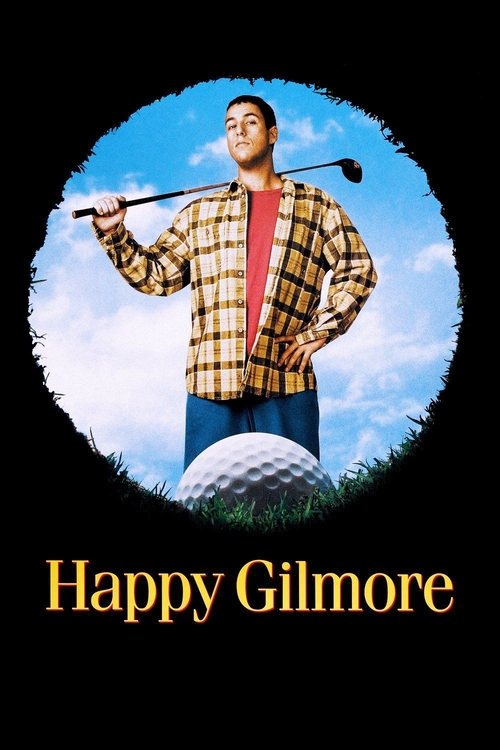


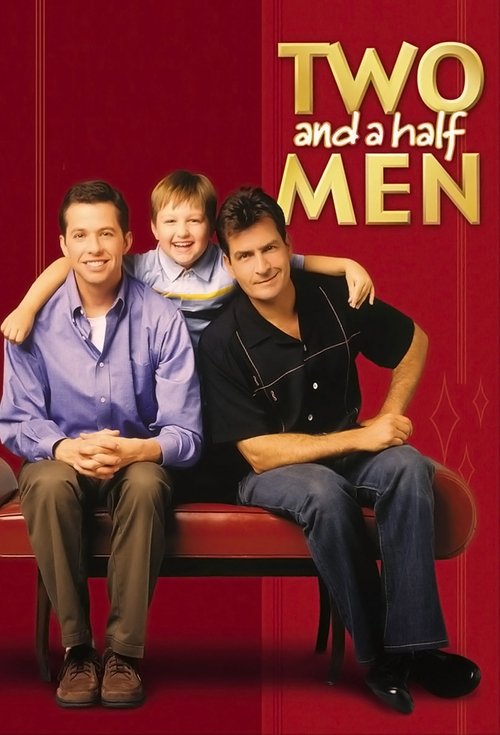
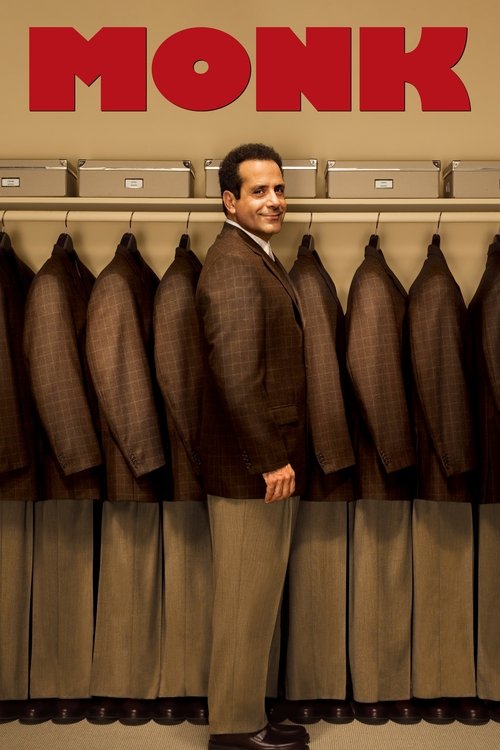
If you love Anger Management: TV comedies about flawed professionals helping others
Series where the helper is as troubled as the helped







Comic Leads and TV Crossovers
For Fans of Bill Murray
Explore the For Fans of Bill Murray guide →The joke in both versions is identical: the person running the therapy is the one who needs it most. A decade apart, neither version figured out what to do with that joke beyond stating it repeatedly.CrossBinge