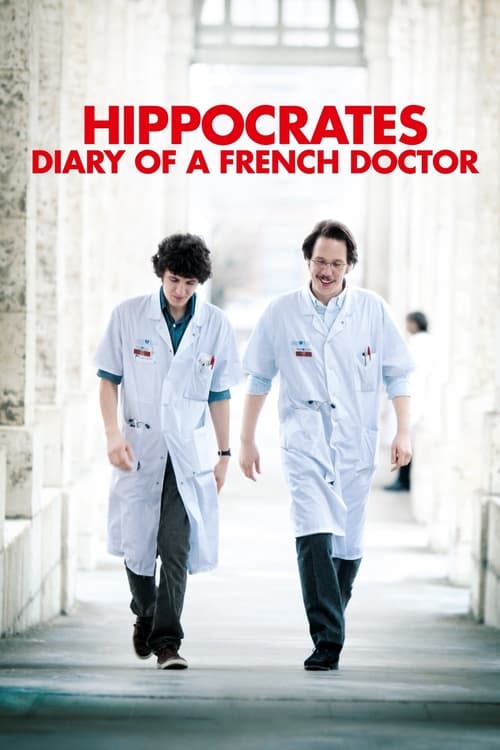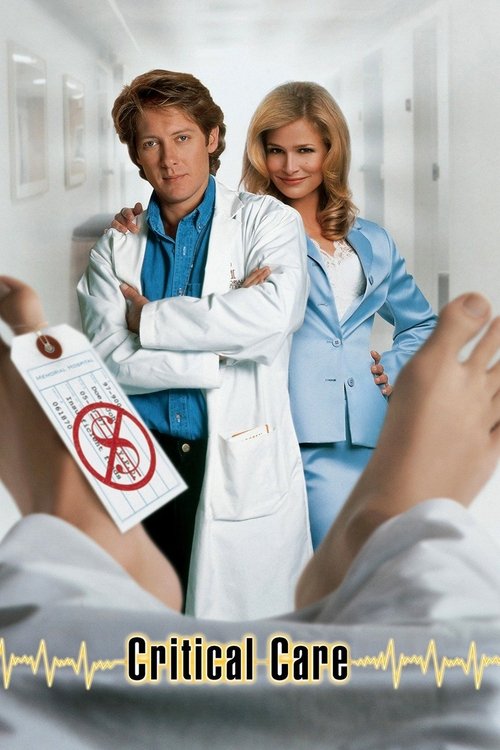

The hospital is one of the few places where ordinary people routinely face life and death, where the most intimate human fears get dressed in scrubs and fluorescent light. That is what makes it such productive dramatic ground. A waiting room is already charged; an operating theatre is a crucible. The best medical dramas understand that the most interesting things happening inside a hospital are not the procedures but the people performing them: exhausted, brilliant, compromised, occasionally wrong.
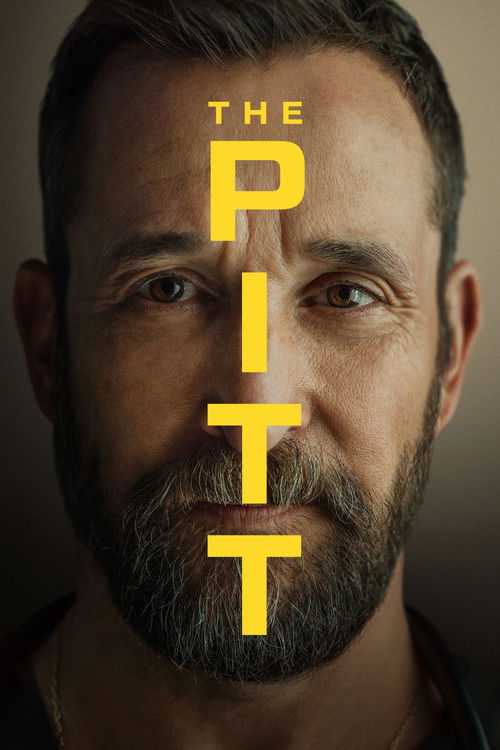
The genre has been television's most reliable workhorse for sixty years, from the Korean War field hospitals of MAS*H to the real-time ER chaos of The Pitt. It has also produced some of the most honest writing medicine has ever seen, from Oliver Sacks's account of patients waking after decades of frozen stillness to the surgical memoirs that show the gap between medical confidence and medical certainty.
Essential medical dramas
The canon, across every screen and page

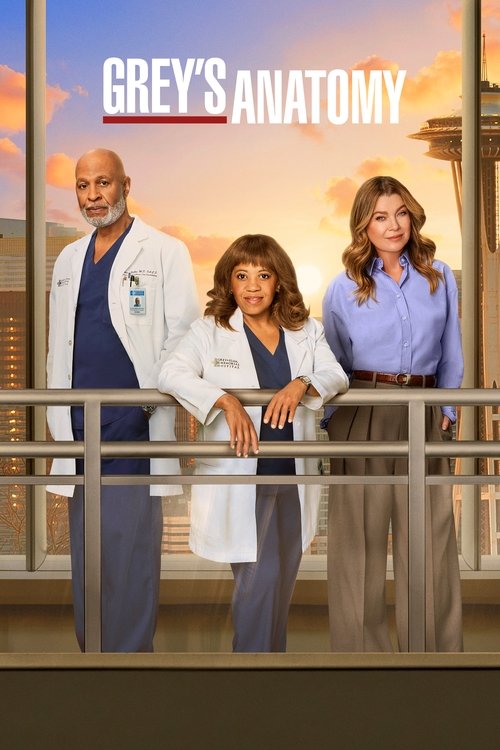

The show that built the template
ER ran for fifteen seasons and won so many Emmys the category started to feel redundant, but the specific thing it did that no one had quite managed before was pace. Michael Crichton's pilot script moved at the speed of a real shift: overlapping conversations, jargon flying without explanation, patients arriving faster than the previous ones had been resolved. The audience was placed not in the comforting seat of an observer but in the middle of the floor, slightly lost, catching up. Every medical drama since has had to decide whether it wants that quality or something softer. Almost all of them have chosen softer. ER set a bar that still stands.
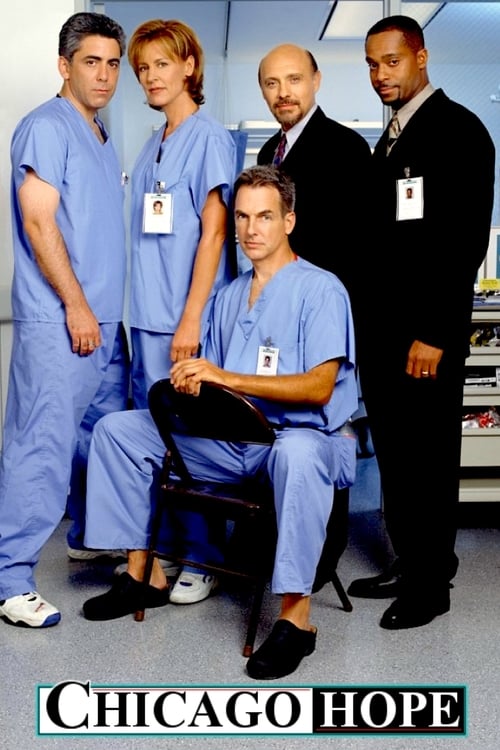
The era-defining series
Long-runners that shaped what hospital drama means
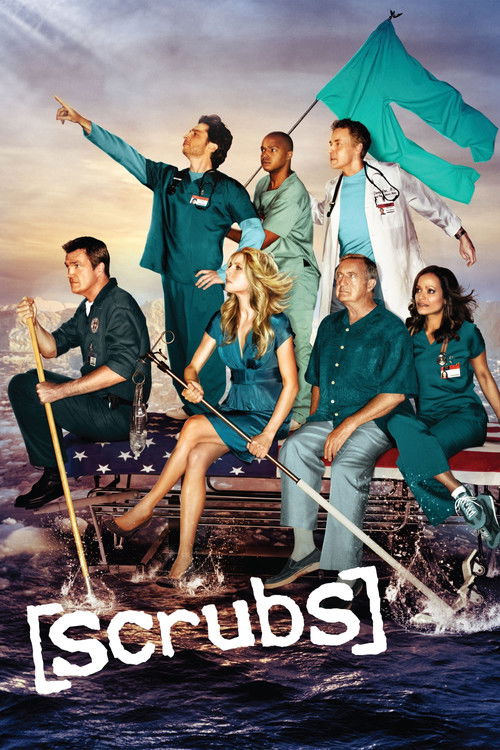
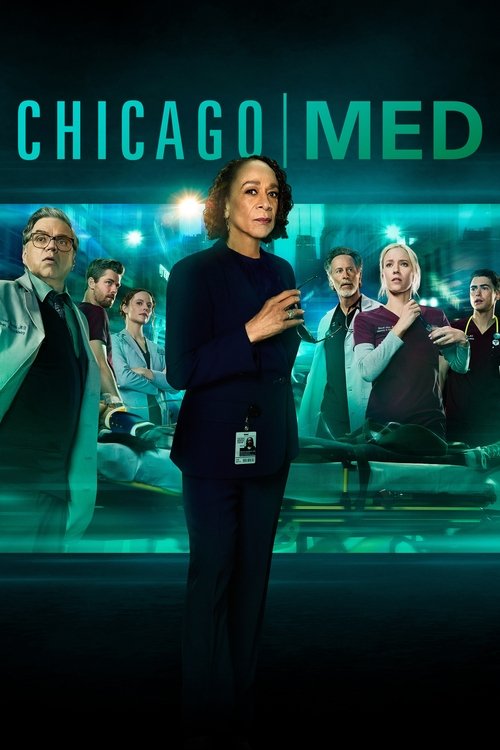

Diagnosis as drama
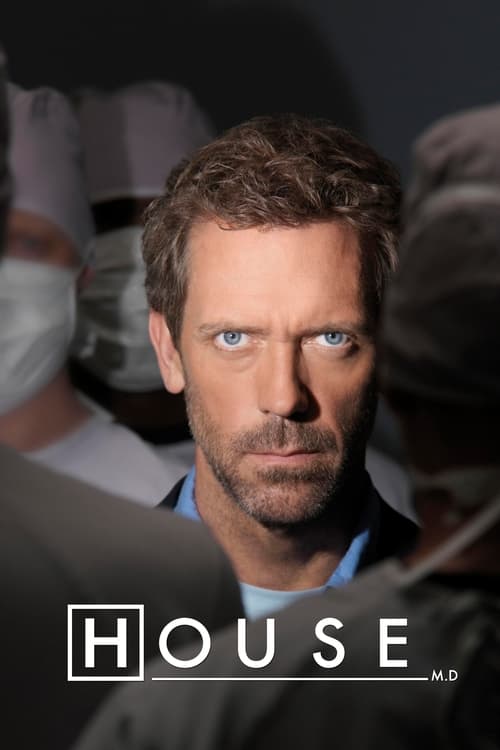
The medical procedural operates on a strange premise: most of the tension comes from information the audience lacks. We watch symptoms accumulate, listen to differentials, follow false leads, and arrive at the correct answer at roughly the same moment the doctor does. House M.D. pushed this structure as far as it would go, recasting the diagnostic process as a Sherlock Holmes exercise with a team of junior doctors as foils and a consultant's arrogance as both flaw and superpower. The format has been widely copied, but rarely improved on. The key insight was that the illness is never really the point; the illness is an occasion to observe how human beings behave under uncertainty.
War medicine, dark comedy, genuine grief
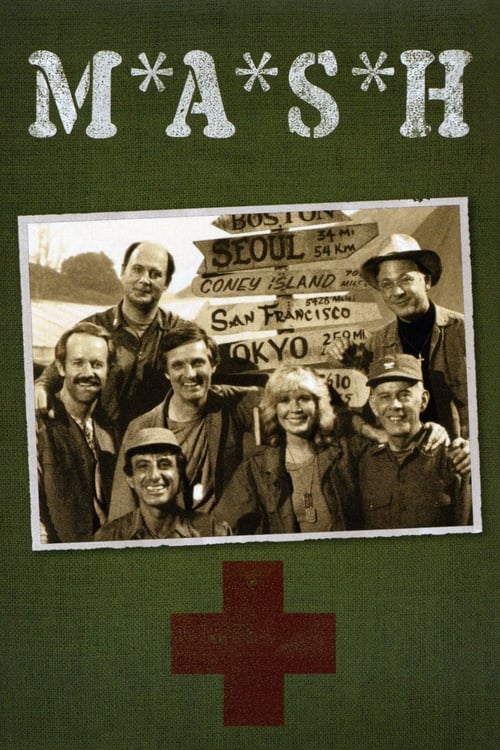
MAS*H is remarkable for what it refused to do. A sitcom set in a Korean War field hospital, with a laugh track for the first several seasons, it somehow produced the most devastating finale in American television history. The writers understood something the genre has often forgotten: comedy and tragedy are not opposites but companions. The operating scenes were not comic relief; they were the real point. Hawkeye and Trapper and BJ were funny because the alternative was unbearable. The 1970 Altman film that preceded the series has a rawer, more anarchic edge and it earns its place as a separate work worth seeing on its own terms.
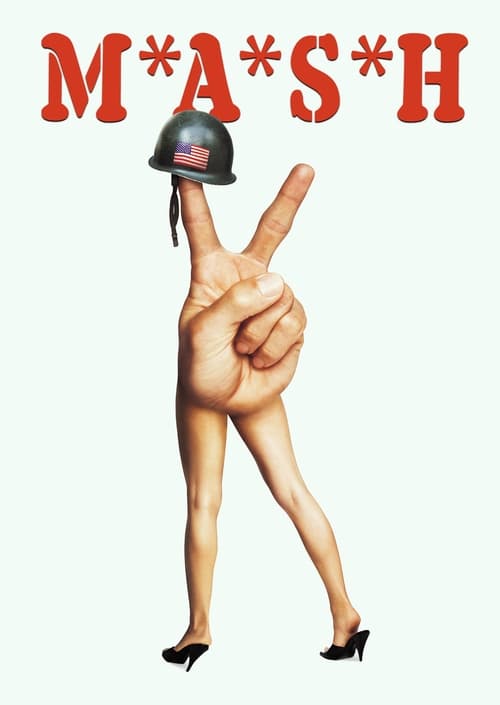
Surgery on film
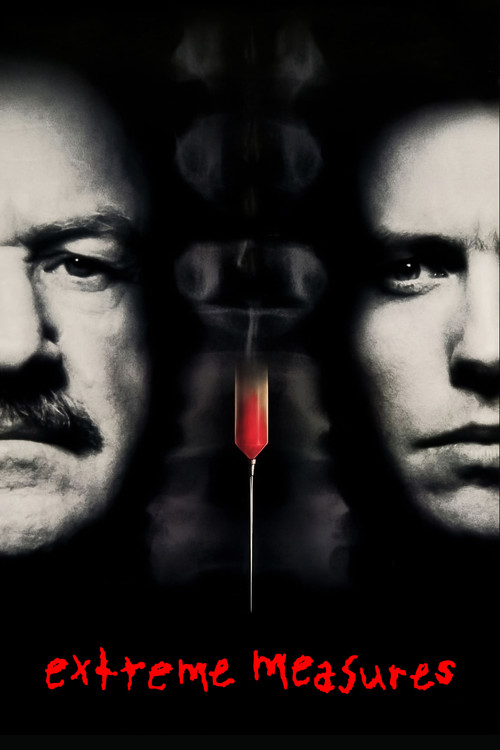
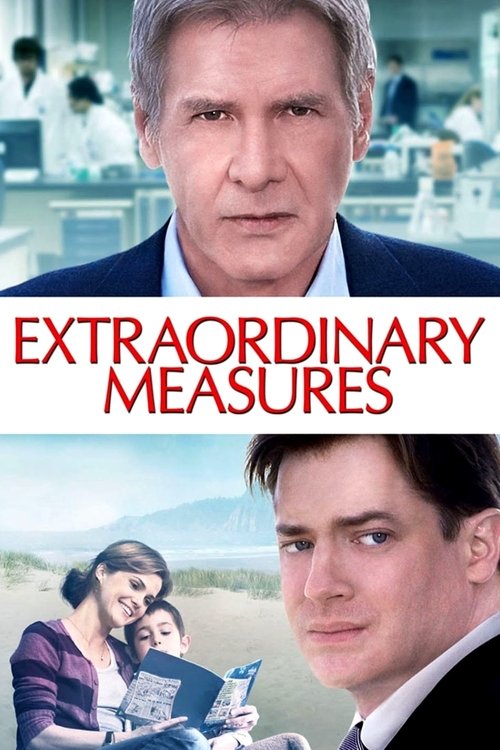
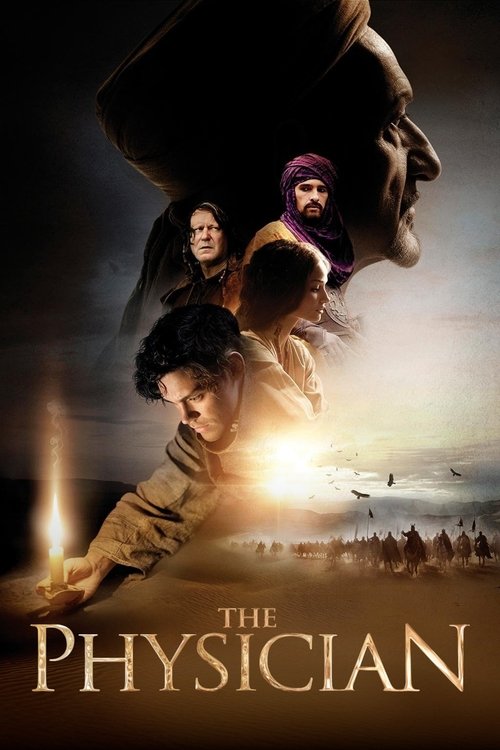
Medical drama as cinema: the cases that stayed with us
The show that remembered the nurses
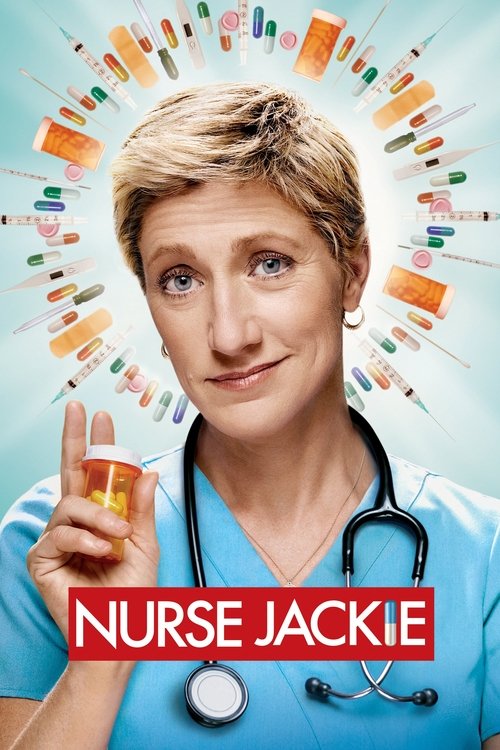
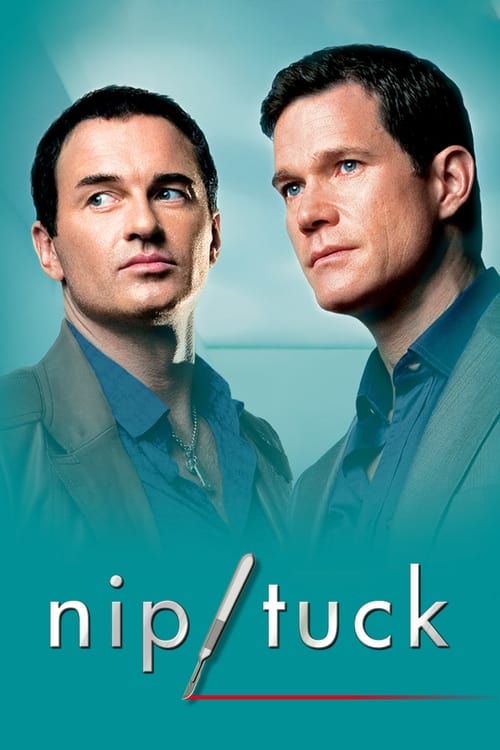
Nurse Jackie was a corrective. After two decades of medical drama told from the consultant's vantage, here was a series that planted itself firmly in the nursing station and showed what the hospital looks like from there: a place where you know more than you are allowed to say, where your competence is professionally subordinate to someone with a fraction of your experience, and where the only way to stay sane is to bend the rules until they fit the shape of your working day. Edie Falco's performance made Jackie's opioid addiction and ethical compromises feel not like moral failure but like the logical end of an unsustainable arrangement. The genre has never quite gone back to pretending the doctors are the only ones who matter.
The British tradition
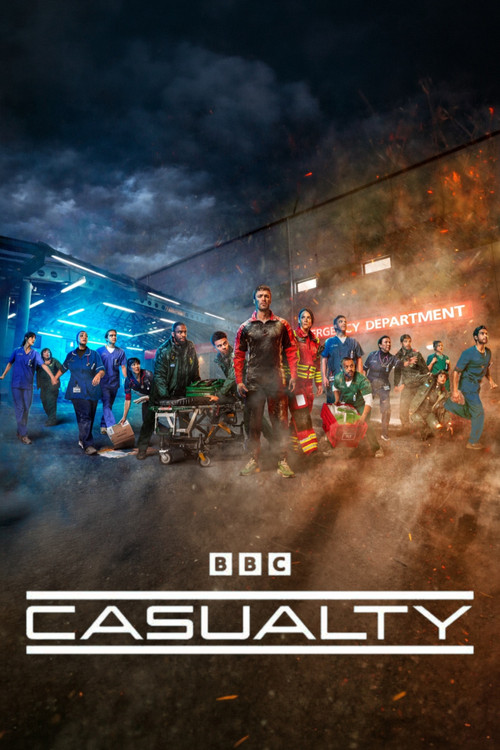
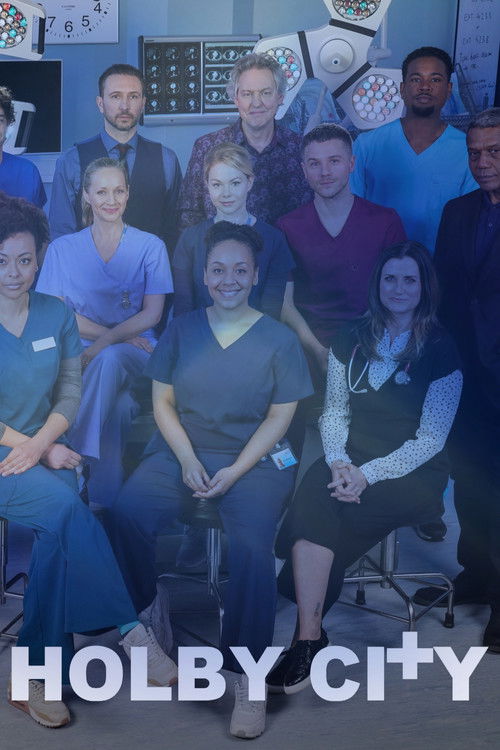
Long-running hospital drama, NHS edition

The series that woke the genre up again
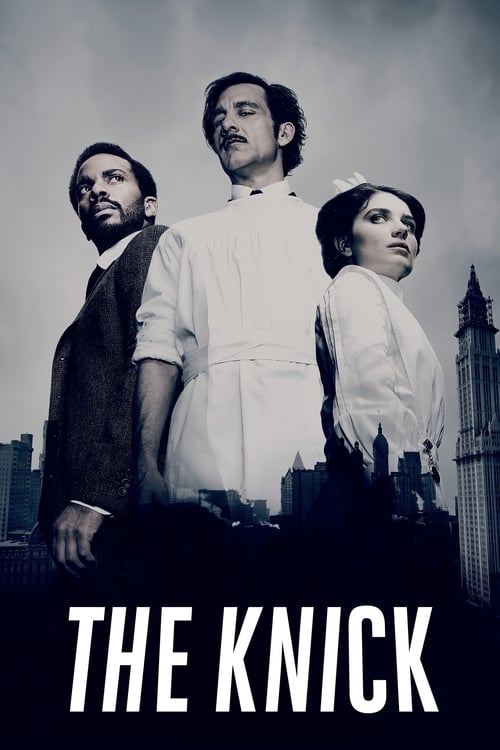
The Knick arrived in 2014 and served notice that medical drama had not exhausted itself. Steven Soderbergh directed every episode of both seasons with the same kinetic precision he brought to his feature work, and set the whole thing in a 1900 New York hospital where surgery was largely improvised, cocaine was medicinal and racial segregation shaped every interaction in the building. Clive Owen's Thackery is a brilliant surgeon and a functioning addict, and the series refuses to let those two facts cancel each other out. The historical setting also functions as a mirror: medicine is shown as a process of confident error, always advancing, always wrong about something important. That is still true and the show knows it.
The modern wave
New voices in hospital drama, 2010s onward


What doctors actually write
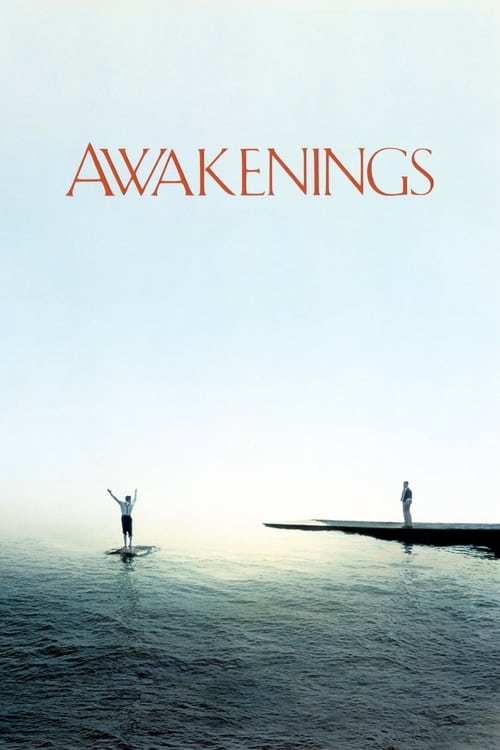
The best writing about medicine from the inside tends to share one quality: honesty about failure. The case study, the memoir, the long-form essay have all produced work that the drama sometimes struggles to match because drama needs resolution. Oliver Sacks's Awakenings, the 1973 account of patients who emerged from decades of post-encephalitic paralysis, is the rare example where both forms are genuinely worth your time: the book richer in clinical detail, the film a faithful and moving adaptation. The medical memoir as a genre has since produced extraordinary work from surgeons, oncologists and intensivists who write about what they know with the same honesty as the best fiction, and that tradition owes something to Sacks's example.
Scalpels and spreadsheets
Playing doctor: simulation, management, surgical chaos
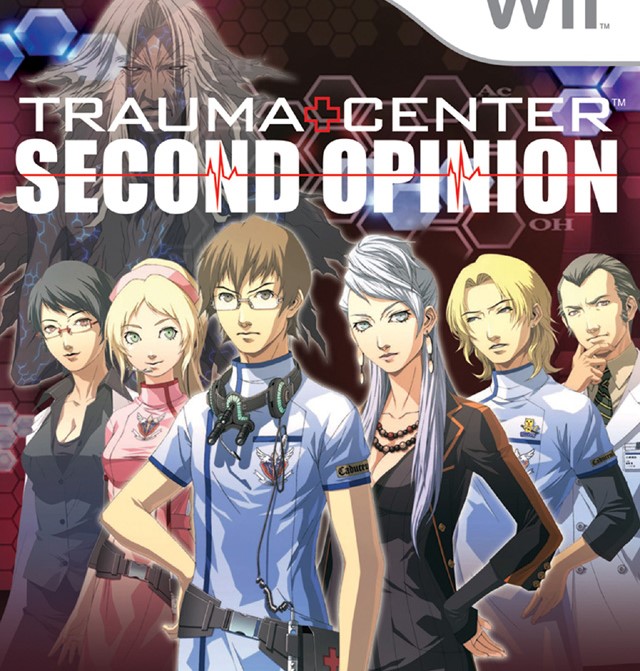

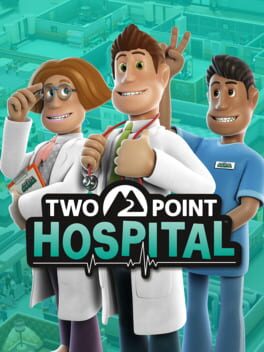
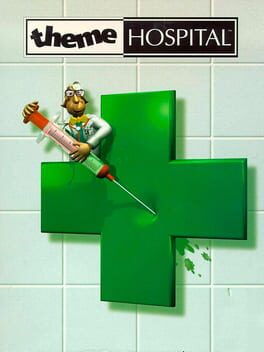
Medicine is not a science but an art. It deals with the very processes of life, which must be understood before they may be guided.Paracelsus, physician and alchemist, c. 1530
The harder question: who gets to be a doctor on screen
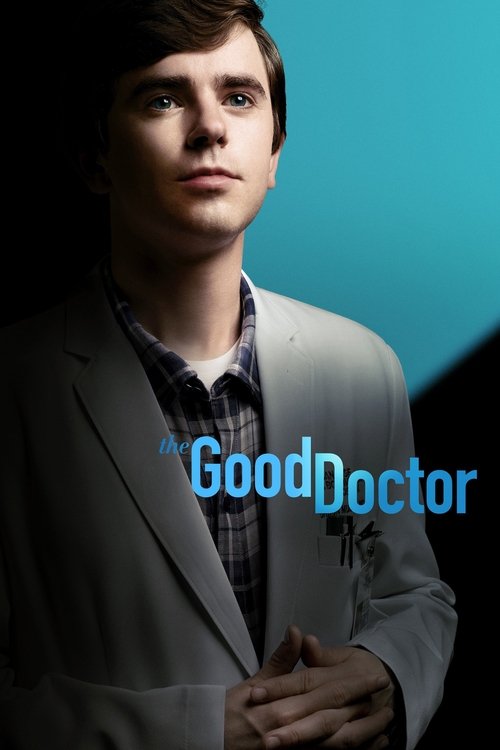
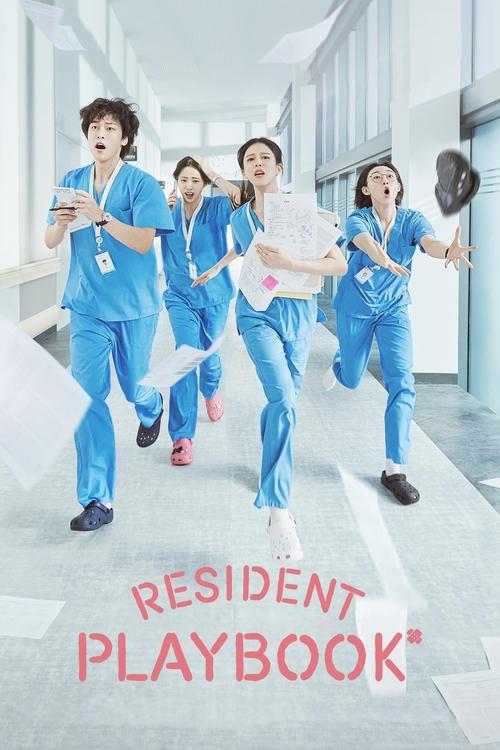
The Good Doctor put an autistic surgeon at the centre of a network medical drama in 2017 and proved the format could still find new ground. The show's premise invited legitimate critique of how neurodivergence is depicted as near-superpower, but it also did something valuable: it forced the genre to look at who is allowed to be brilliant. Hospital Playlist, the Korean series from the makers of Reply 1988, goes further by distributing equal intelligence and warmth across five very different doctors and refusing to let any one of them serve as the hero. The premise is simple, the execution patient. The hospital in those episodes feels genuinely inhabited rather than assembled from drama conventions.
Deeper cuts worth finding
Overlooked, underrated and essential across five decades