

A Letter That Was Never Sent
Colm Toibin published Brooklyn in 2009, and the novel reads like something recovered from a drawer rather than written at a desk. It follows Eilis Lacey, a young woman from the fictional Irish town of Enniscorthy who emigrates to Brooklyn in the early 1950s because there is simply nothing for her at home. No drama propels her across the Atlantic, only the low-grade pressure of limited options and a sister with connections. What Toibin understood, and what makes the book so unsettling, is that the great drama of emigration is not the leaving but the returning: who you become in the absence of everyone who knew you, and whether you can ever go back to being the person you were before.
The novel was shortlisted for the Booker Prize and became a quiet word-of-mouth favourite for years before filmmaker John Crowley and screenwriter Nick Hornby adapted it for cinema in 2015. That film, anchored by Saoirse Ronan's precise, interior performance, earned three Academy Award nominations including Best Picture and introduced the story to a much wider audience. Beyond those two works, the adaptation footprint is small: this is a story whose power comes from stillness and interiority, qualities that resist transformation into other media. What exists beyond the novel and film are not sequels or spinoffs but a handful of deeply related works that share the same emotional frequency.
Brooklyn Across the Years
- 2009Colm Toibin publishes the novel to critical acclaim; shortlisted for the Booker Prize Brooklyn
- 2015John Crowley's film, screenplay by Nick Hornby, starring Saoirse Ronan; three Oscar nominations including Best Picture Brooklyn
- 2024Toibin publishes Long Island, a sequel novel following Eilis decades later, now living on Long Island with Tony, her marriage in crisis Long Island
The Sequel Nobody Expected
In 2024, Toibin returned to Eilis Lacey with Long Island, a sequel set in the 1970s. Eilis is now middle-aged, living on Long Island, her marriage to Tony upended when an Irish man arrives at her door to tell her that his wife is pregnant with Tony's child. The book recaptures everything that made Brooklyn work: the weight of secrets kept in small communities, the muffled violence of domestic life, the specific loneliness of the Irish diaspora in America. A film adaptation has been discussed, with Saoirse Ronan expected to reprise her role, but no production had been confirmed as of this writing.
If You Love Brooklyn: Immigration and Belonging
Films and books about people caught between the country they left and the life they are building






If You Love Brooklyn: Quiet Stories About Choice
Intimate dramas where the real stakes are which life you choose and what you give up









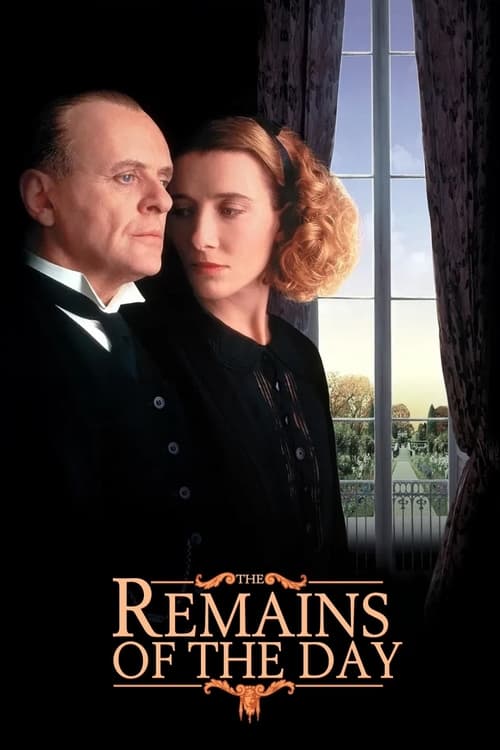

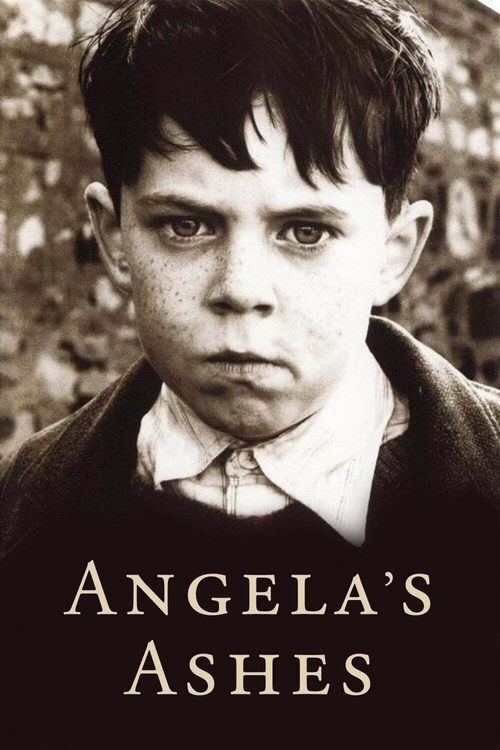
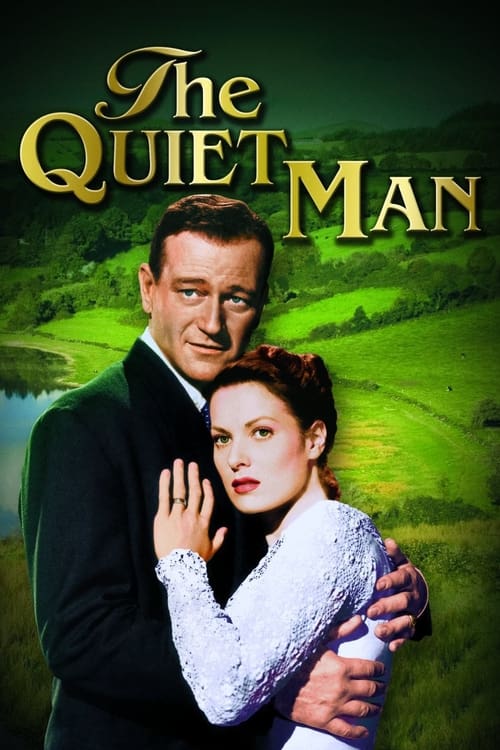
If You Love Brooklyn: Mid-Century Ireland
Stories set in or shaped by the Ireland that Eilis Lacey was leaving


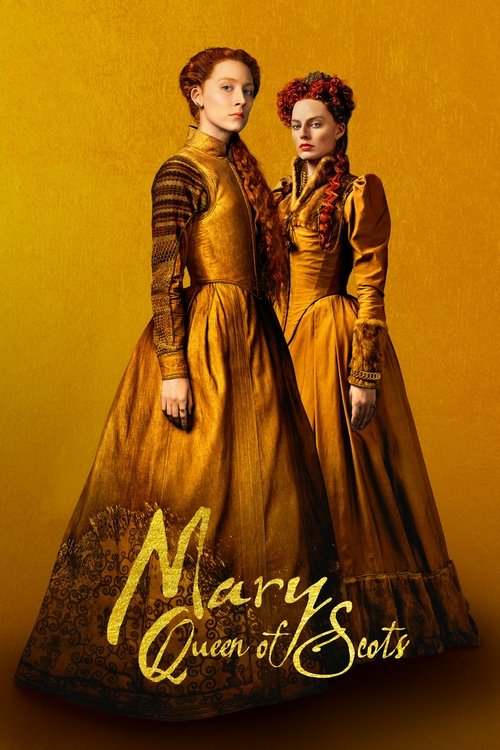
If You Love Brooklyn: Saoirse Ronan
The actress who embodied Eilis, in her other defining roles





The film is the rare adaptation that earns its source
Nick Hornby's screenplay does something difficult: it strips Toibin's interior monologue down to gesture, expression, and silence without losing the novel's argument. Saoirse Ronan carries almost everything in her face. The film does not explain Eilis; it watches her, the way good novels do. John Crowley's instinct to keep the tone at a near-hush, resisting any push toward melodrama, honours what makes the book unusual. Most literary adaptations either sentimentalise or add incident. This one trusts the stillness.


The sequel novel is underread, and nearly as good
Long Island (2024) arrived quietly and did not get the attention Brooklyn received, perhaps because sequels to literary novels rarely do. But Toibin writing Eilis as a woman in her forties, facing a different kind of impossible choice, is if anything more interesting than the young emigrant story. The moral stakes are harder, the community surveillance more suffocating, and Toibin is utterly unsentimental about what decades of compromise do to a person. Read it immediately after the first novel, not years later.

What this story resists, and why that matters
Brooklyn has never been turned into a stage musical, a television series, or a game, and for good reason: its entire power comes from interiority and ambiguity. Eilis never fully explains herself, to other characters or to the reader. That opacity, which is also Toibin's great subject, is hostile to the forms that require externalised conflict and resolution. The story being small in its adaptation footprint is not a failure. It is evidence that some novels know what they are.