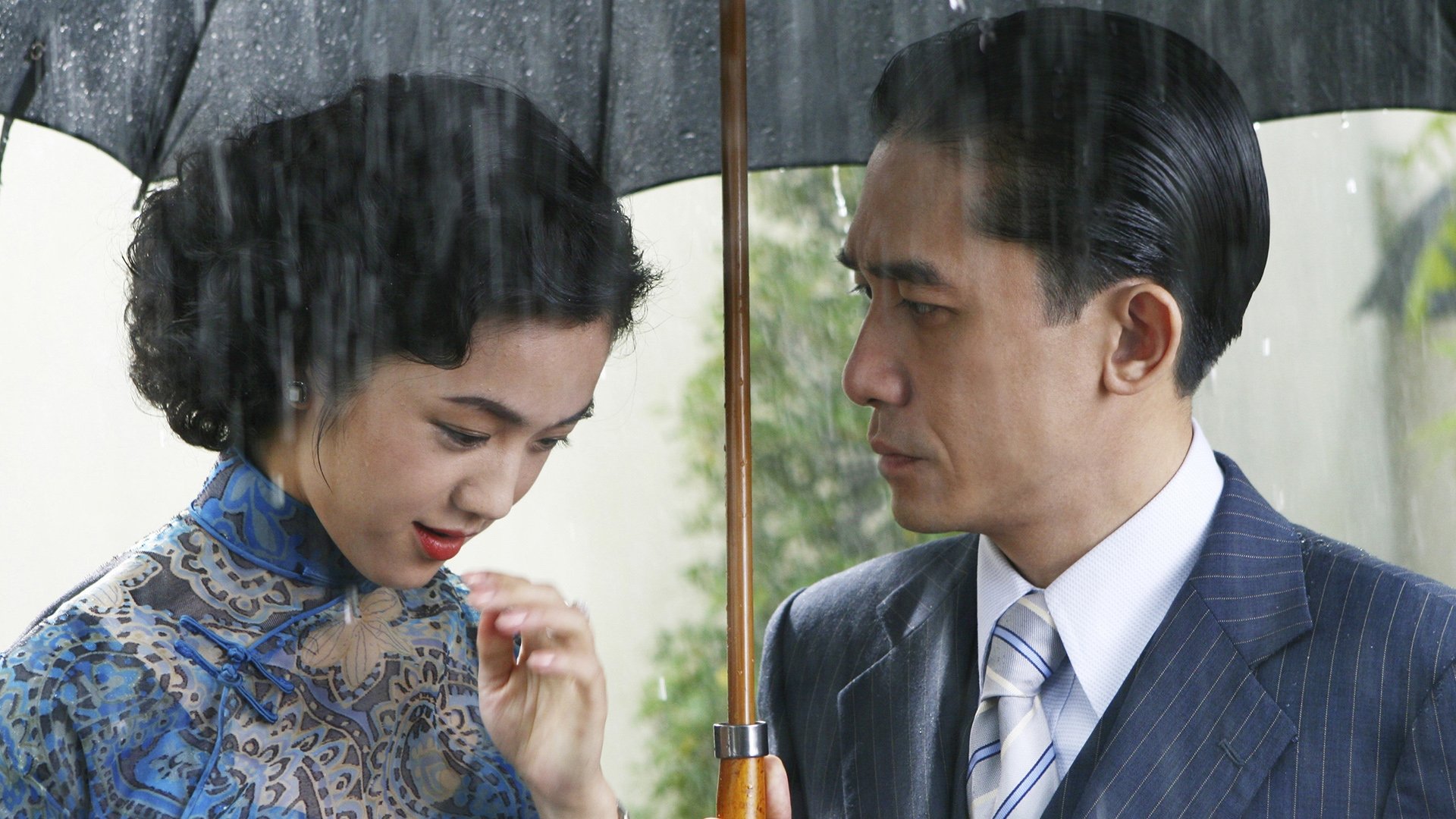

Ang Lee's 2005 film, adapted from Annie Proulx's 1997 short story, is not a film about the American West. It is a film about the cost of living inside a lie. Jack Twist and Ennis Del Mar meet as ranch hands on Brokeback Mountain in 1963 and spend the next twenty years trying to contain what happened there. The landscape is not backdrop: the mountain is memory, and every scene set below it is a kind of suffocation.
What a fan of this film is chasing is a specific feeling: longing rendered in silence, time passing as grief, and the way institutions, families, and social codes can crush a life without ever raising a voice. The films and stories below share that through-line, whether they carry it through period setting, psychological restraint, or the same heartbreaking gap between what characters feel and what they can say.
Ang Lee: The Other Side of Restraint
Films by Lee and directors who share his patient, physical storytelling
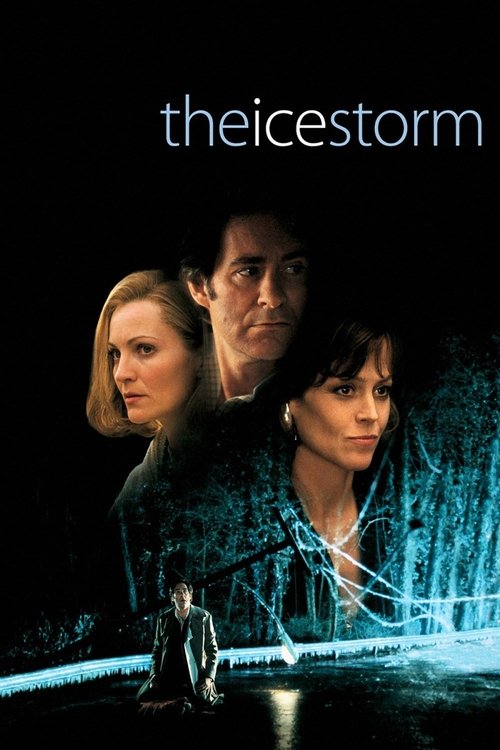
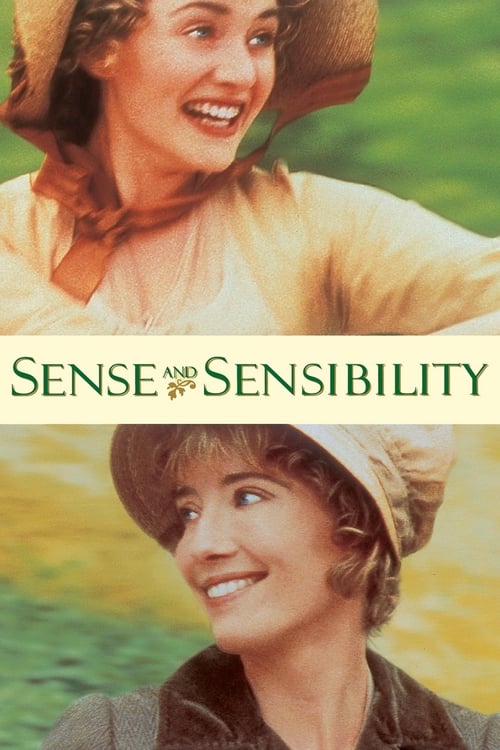
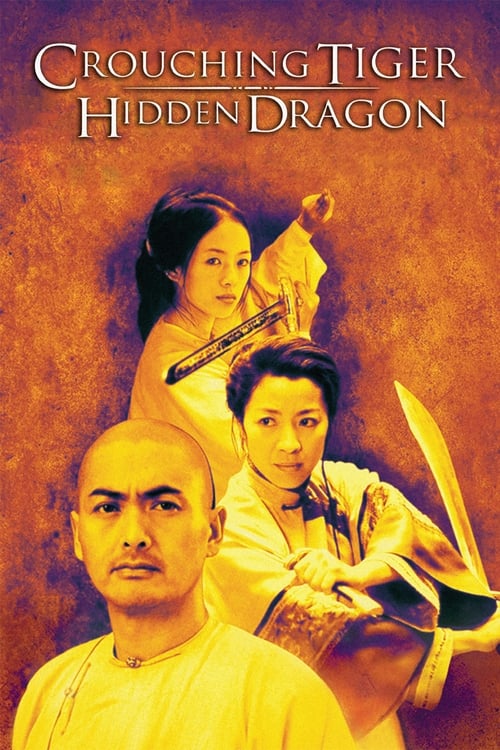
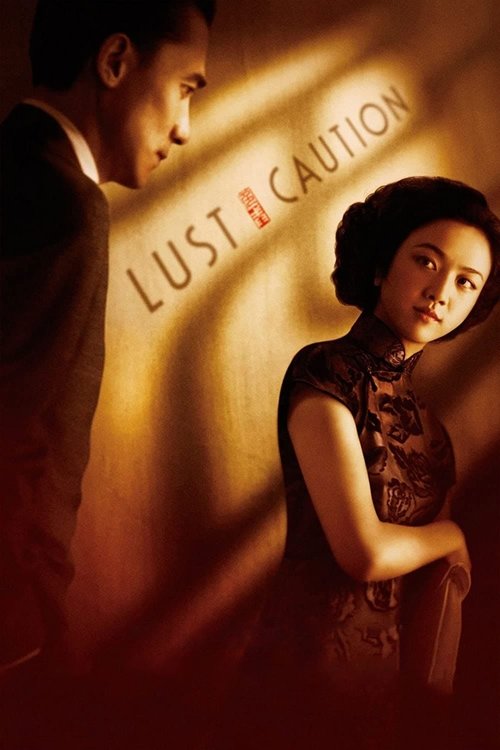
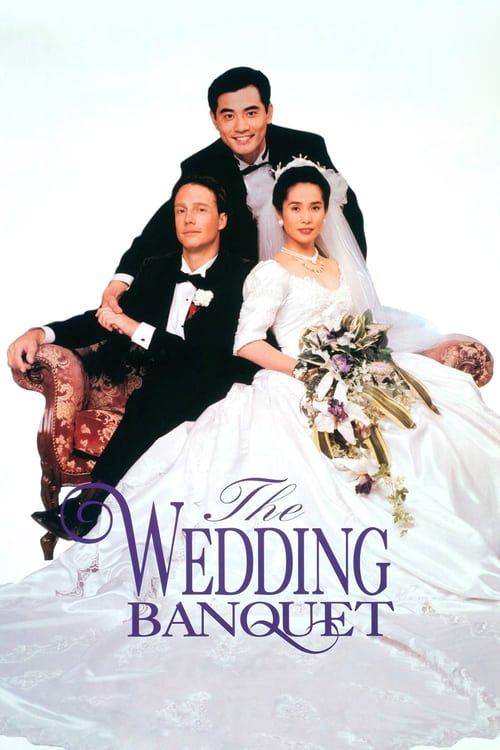
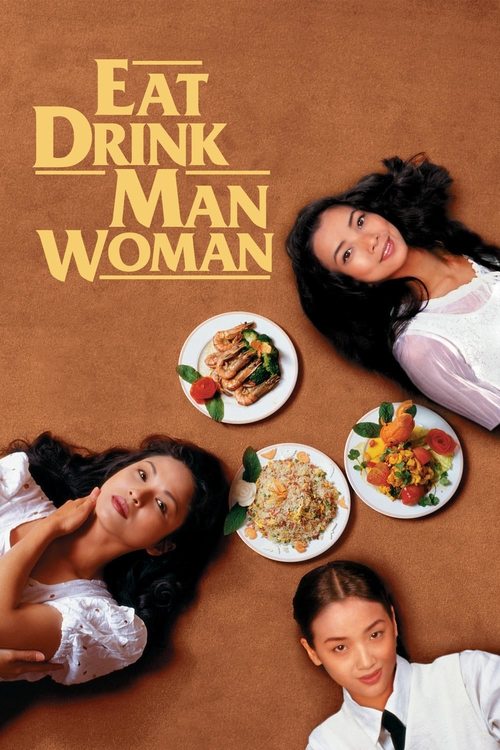

The Western was always about what men cannot say
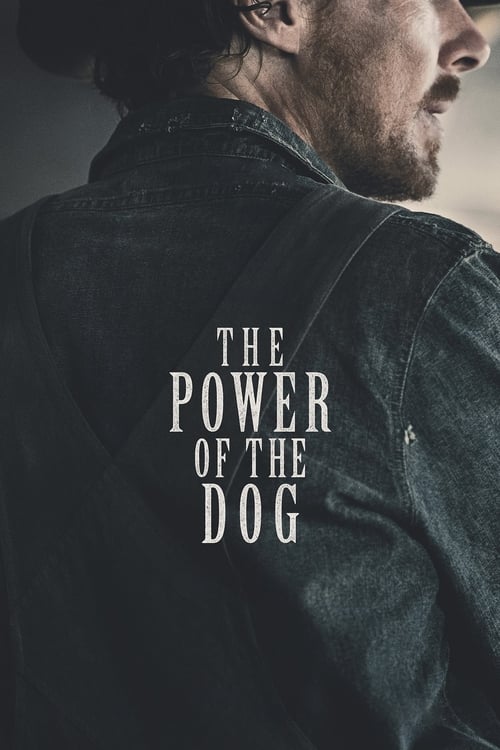
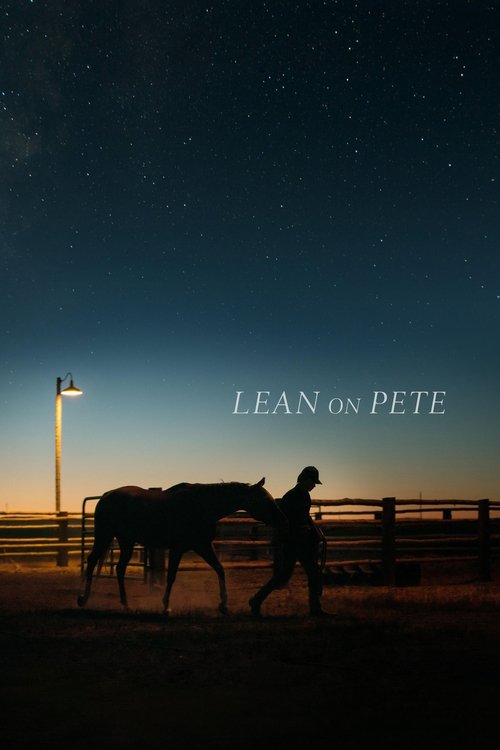
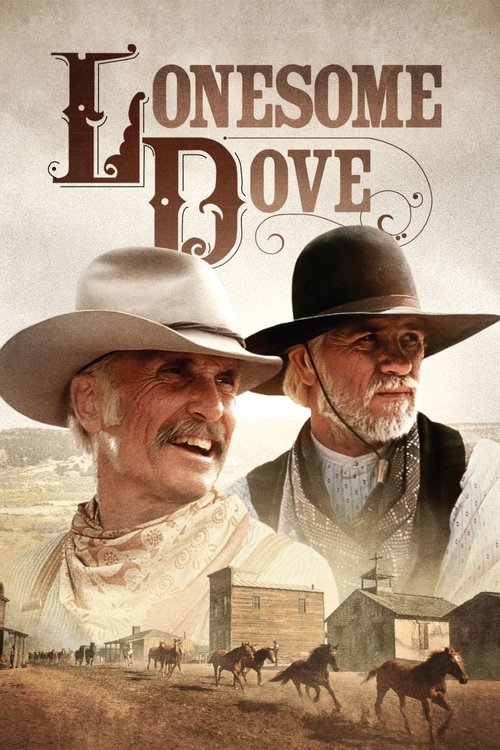
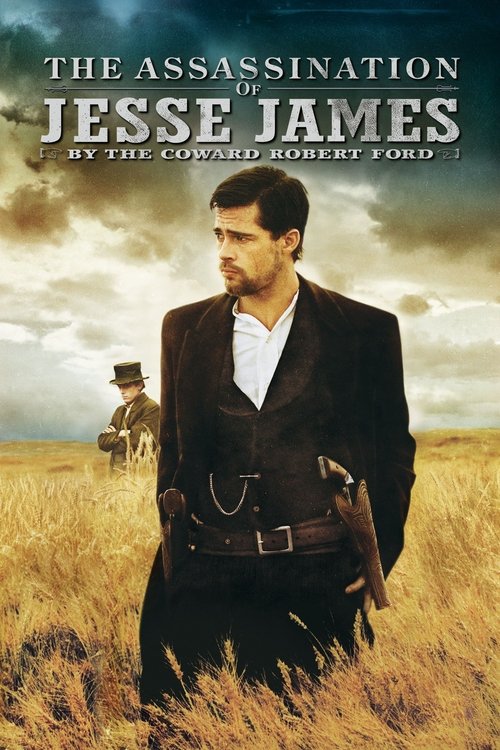
Brokeback Mountain did not invent the repressed Western hero. It revealed what was always there. From Shane to Lonesome Dove, the genre is built on men who love each other fiercely and can only show it through loyalty, sacrifice, or the willingness to die side by side. Lee and screenwriters Larry McMurtry and Diana Ossana stripped away the gunfights and left the grief naked. The Power of the Dog and Lean on Pete follow that same thread: landscapes that are beautiful and merciless, men who bury feeling until it destroys them.
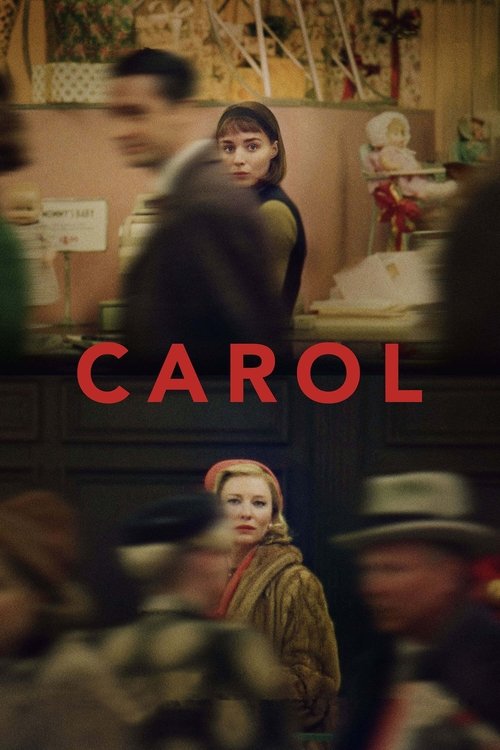
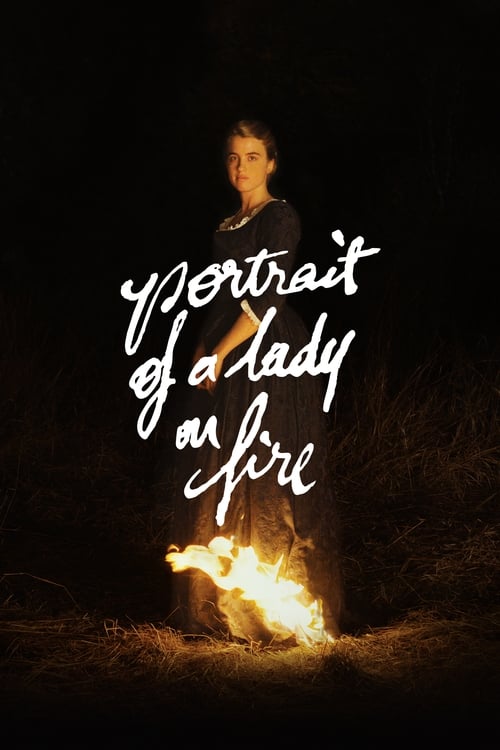
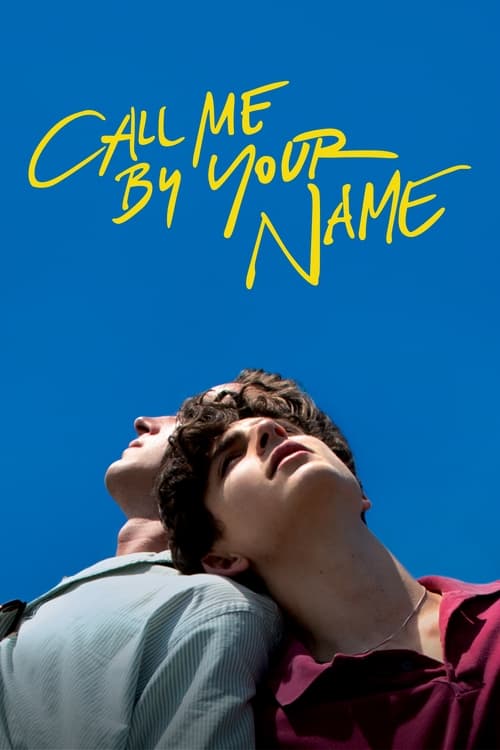
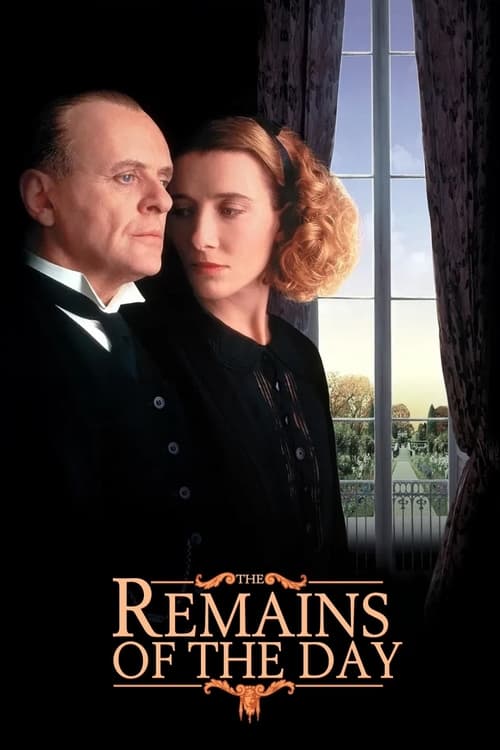
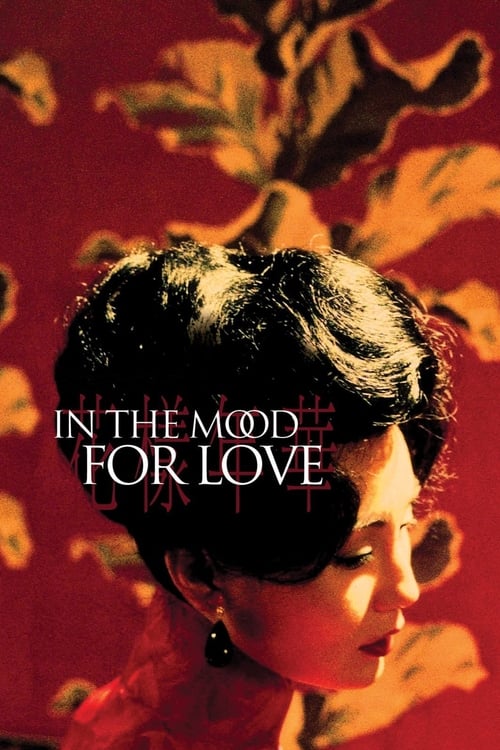
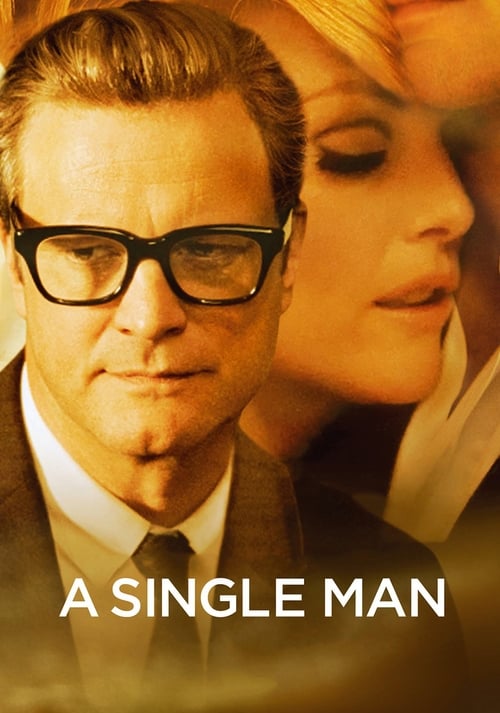
Love Under Prohibition: Films That Hold the Same Ache
Stories of desire constrained by time, place, or silence


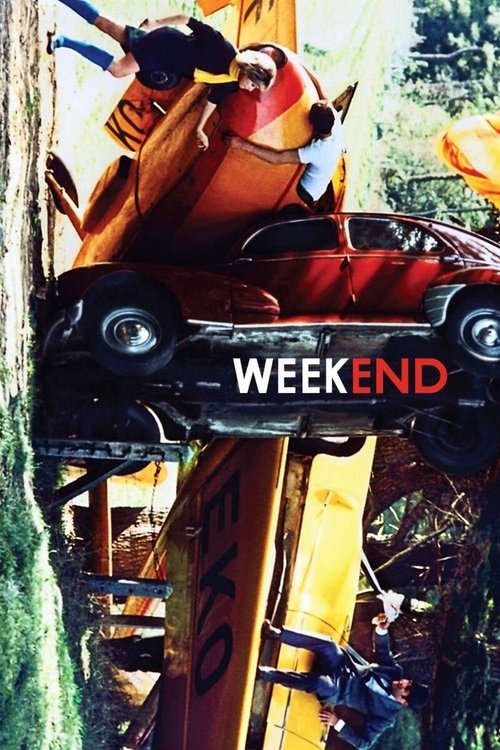
Novels That Live in the Same Country
Books about longing, landscape, and the lives people could not live


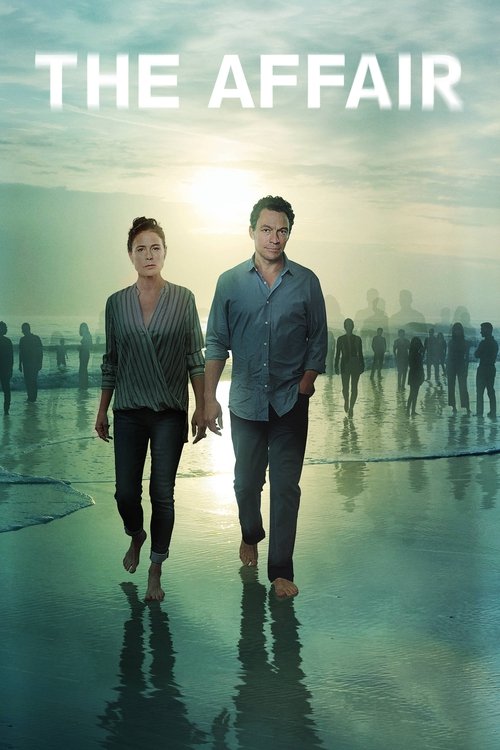
Television: Slow Time, Long Grief
Series that earn emotion through patience and restraint

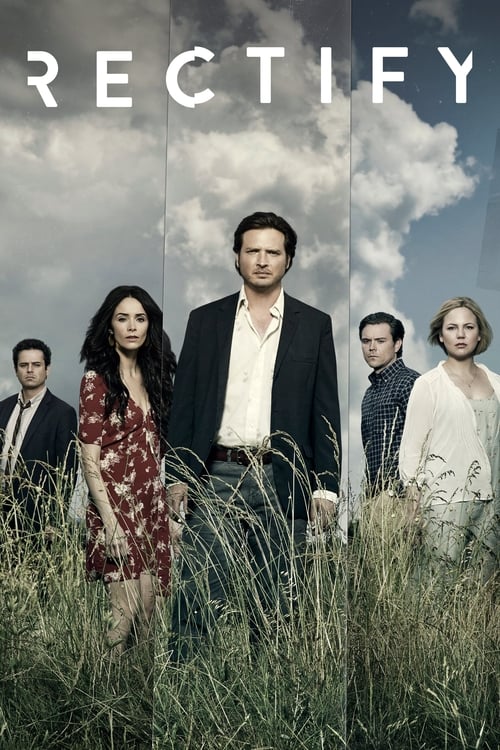

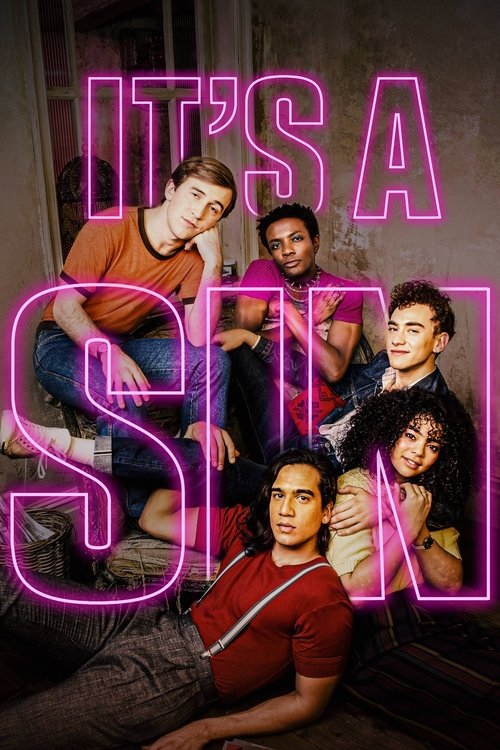
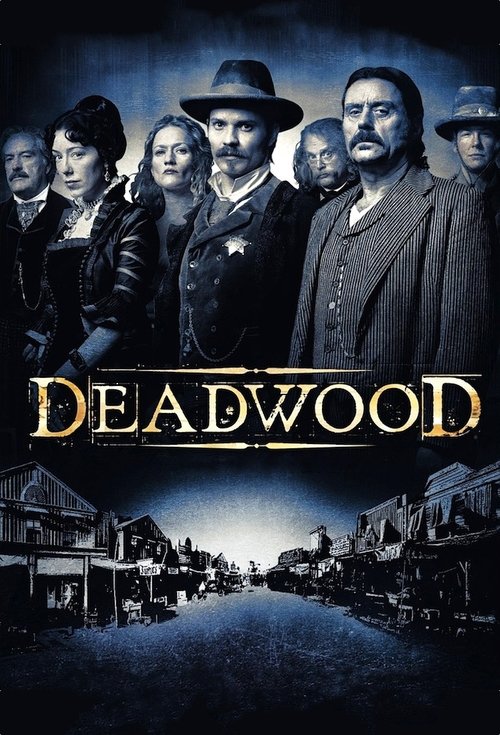
Gustavo Santaolalla's score is half the film
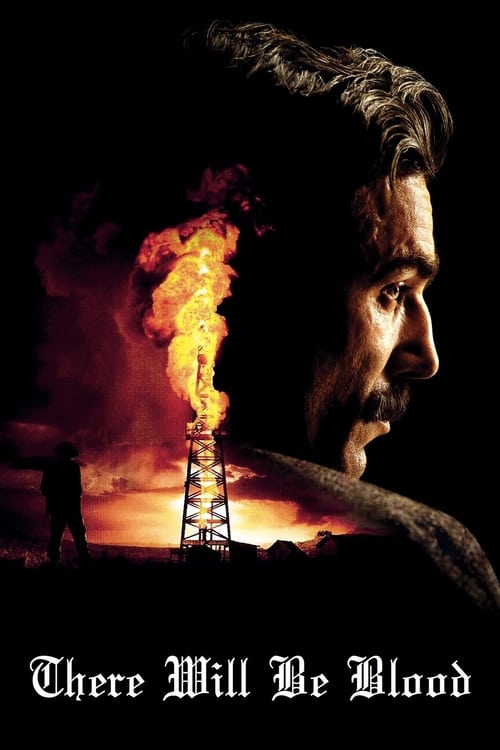
The two-note guitar figure that opens Brokeback Mountain arrives before any image and tells you everything: that this will be mournful, spare, and honest. Gustavo Santaolalla won the Oscar and deserved it. His score for this film sits alongside Ennio Morricone's Westerns and Jonny Greenwood's There Will Be Blood as proof that the American landscape has its own sound: lonely, gorgeous, and slightly dangerous.
Games: Solitude, Landscape, and Hidden Inner Lives
Games where environment carries emotional weight and silence speaks
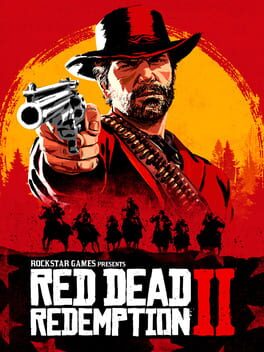
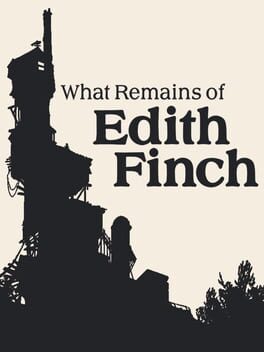
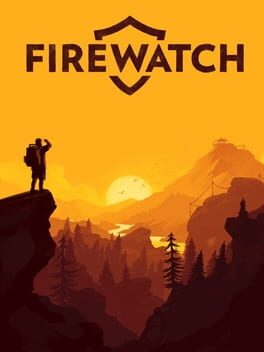
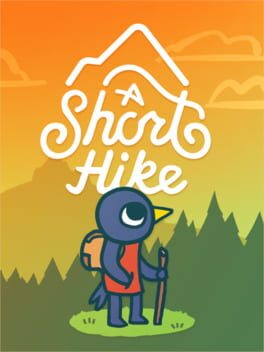

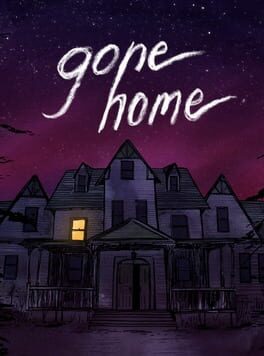
Red Dead Redemption 2 is the closest a game has come to this feeling
Arthur Morgan rides through a dying world, loyal to a cause he knows is wrong, and carries that knowledge alone for forty hours. The parallels to Ennis Del Mar are not subtle: a man shaped by a brutal landscape and a brutal code, who sees the cage only when it is too late to leave. Red Dead 2 is the only game that takes wide open space and turns it into a portrait of a life running out of room.
A Story Across Two Decades
- 1963Ennis and Jack meet as sheep herders on Brokeback Mountain, Wyoming
- 1966Both men marry and begin separate lives, never naming what happened
- 1967Annie Proulx begins writing the short story that will become the source
- 1983The story's present day: two decades of stolen summers, silence, and letters
- 1997Annie Proulx publishes 'Brokeback Mountain' in The New Yorker; collected in Close Range
- 2005Ang Lee's film premieres at Venice, wins the Golden Lion and three Oscars Brokeback Mountain
I wish I knew how to quit you.Jack Twist, Brokeback Mountain (2005)
Annie Proulx wrote the story in one draft
Proulx has said she wrote the original 'Brokeback Mountain' story quickly, almost in a single sitting, after seeing two older ranch hands in a Wyoming bar who would not look at each other. The economy of the prose is part of the point: Proulx does not explain what the characters feel because they would not explain it to themselves. Larry McMurtry and Diana Ossana expanded it into a screenplay without losing that compression, which is rarer than it sounds.
