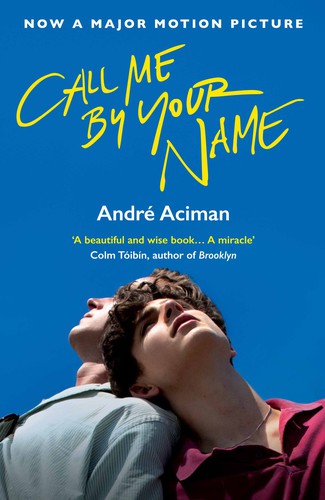

One summer, one novel, one film that changed everything
Andre Aciman published Call Me by Your Name in 2007. It was his debut novel, a slow-burn first-person account of a summer in the Italian Riviera, 1983, in which seventeen-year-old Elio falls for Oliver, a twenty-four-year-old American academic staying with his family. Aciman wrote it as a kind of elegy for desire itself: the agony of wanting and the terror of being wanted back.
For nearly a decade the novel circulated among readers who pressed it into each other's hands. Then Luca Guadagnino adapted it for the screen in 2017, casting Timothee Chalamet and Armie Hammer, and the story went from cult-beloved to cultural touchstone overnight. James Ivory's screenplay won the Academy Award for Best Adapted Screenplay. Sufjan Stevens wrote original music for the film and received his own Oscar nomination for "Mystery of Love."
Aciman followed with a prose sequel, Find Me (2019), returning to Elio, Oliver, and Elio's father Samuel with three interlocking stories about love across time. It is not a continuation so much as a set of variations on the same themes, seen from different angles.
That is the complete adaptation history: two books and one film. No TV series, no game, no stage musical, at least not in any authorized or widely released form. The story has traveled lightly, and that restraint is part of why each version still feels rare.
Every version of Call Me by Your Name
The source novel, its sequel, and the film

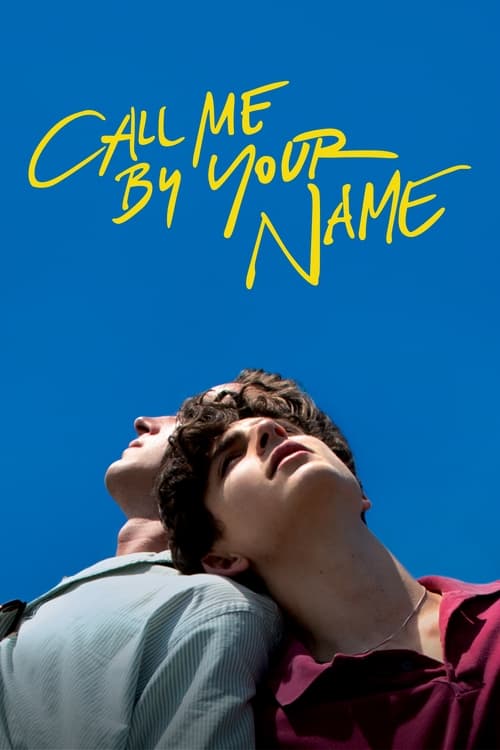

Call Me by Your Name across time
- 2007Andre Aciman publishes the debut novel Call Me by Your Name
- 2017Luca Guadagnino's film premieres at Sundance; Chalamet, Hammer Call Me by Your Name
- 2018James Ivory wins the Oscar for Best Adapted Screenplay; Sufjan Stevens nominated for Best Original Song
- 2019Aciman publishes the prose sequel Find Me
The film is the definitive version
Guadagnino's film does not illustrate the novel so much as inhabit it. He keeps the interior ache but gives it a body: the heat of the Italian summer, the precise textures of boredom and anticipation, the way Chalamet plays longing as a physical condition. Michael Stuhlbarg's monologue near the end goes beyond anything in the source text. The film is slower, more patient, and more devastating than the book.
The novel rewards rereading in a way the film cannot
Aciman's prose is obsessive in the best sense: it circles the same moments from multiple angles, hoarding sensory details, second-guessing its own conclusions. That recursiveness is the point, and it is something a film can only approximate. Readers who came to the book after seeing the film often find it stranger, rawer, and more uncomfortable than they expected. That is a compliment.
Find Me is the one to approach carefully
The sequel is not a failure but it is a departure. Find Me is less a continuation of Elio and Oliver's story than a meditation on late love, told in three loosely connected sections. The first section, following Elio's father Samuel on a train to Rome, is genuinely beautiful. The rest is more uneven. Readers who want to return to the summer of 1983 will feel the distance.
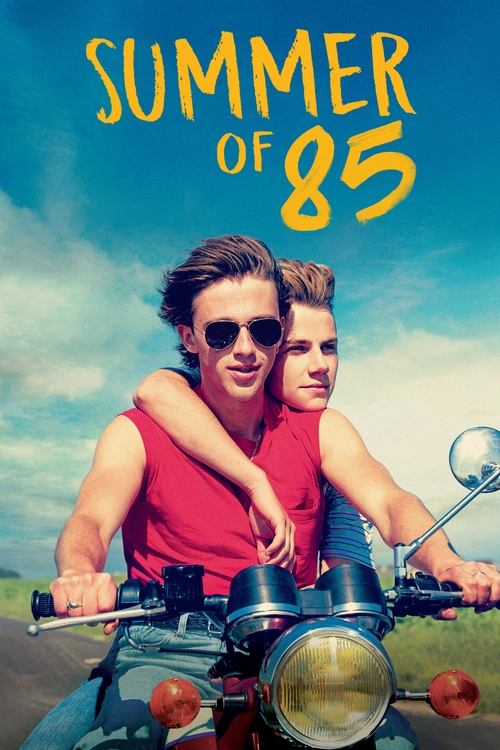
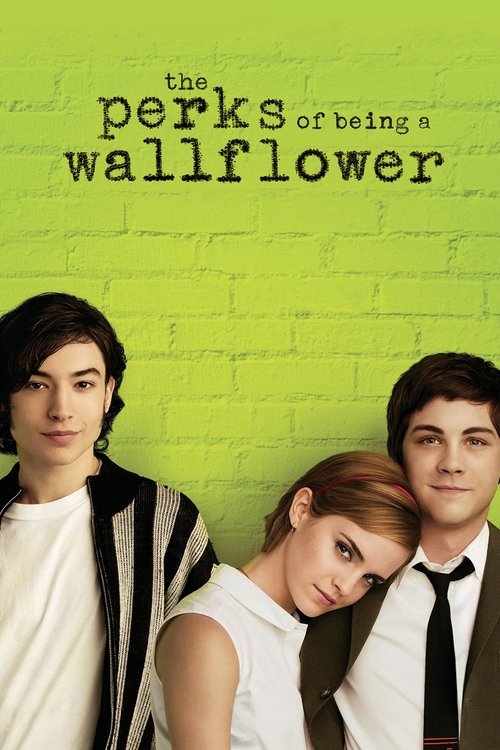
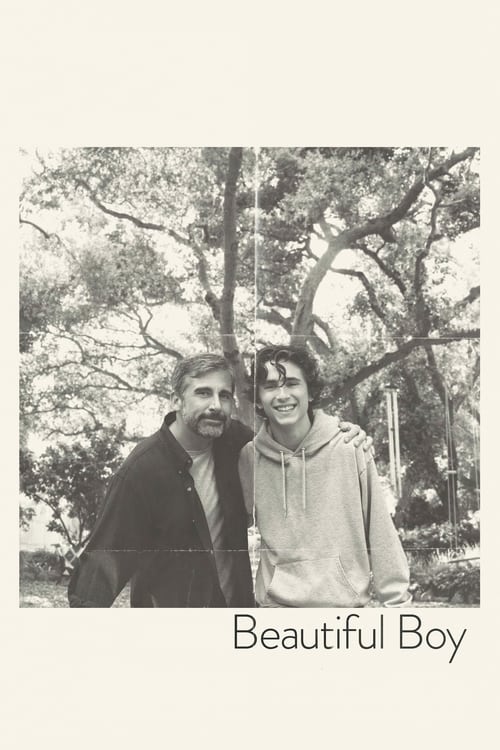
If you love the ache of a summer that changes everything
Coming-of-age stories about desire, longing, and the weight of a single season




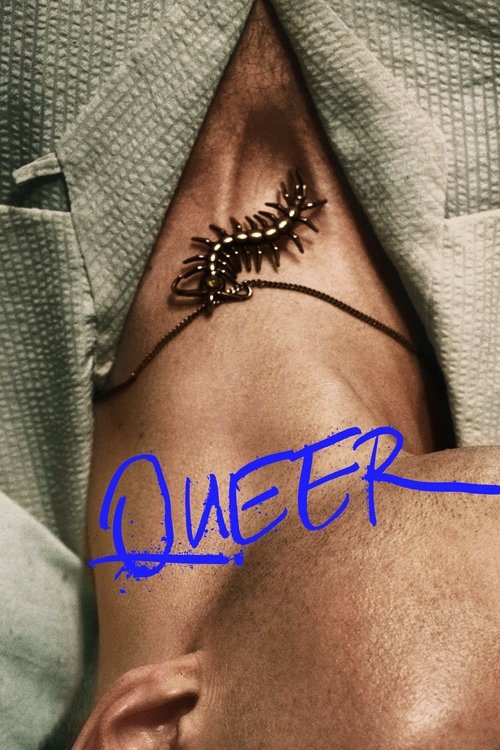
If you love Luca Guadagnino's cinema
Films with that same sensory excess and emotional precision


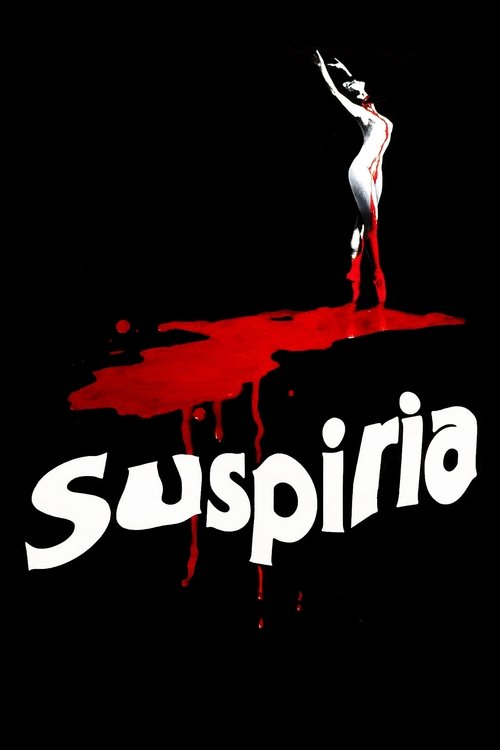
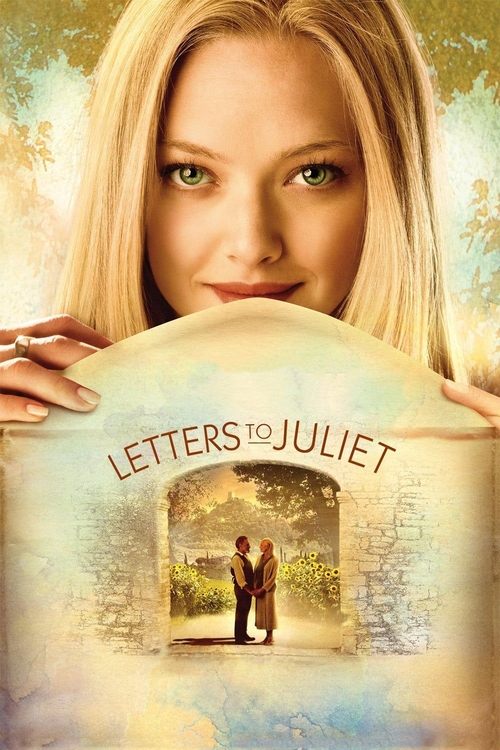
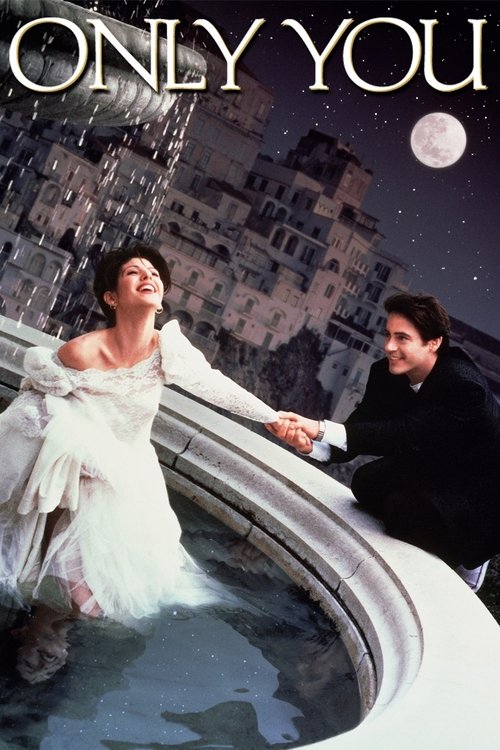
If you love stories of love in Italy
Italy as a landscape of feeling, from literary classics to modern cinema
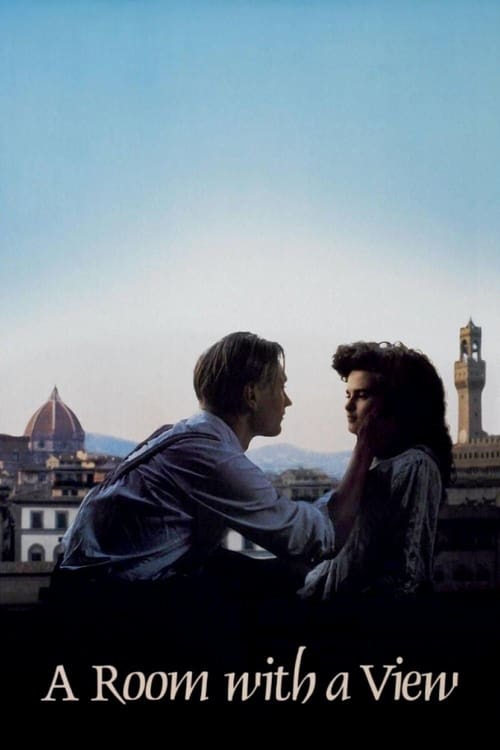
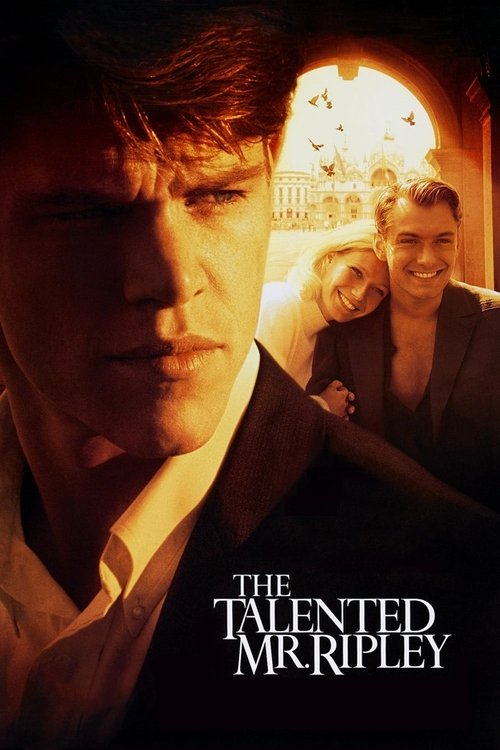
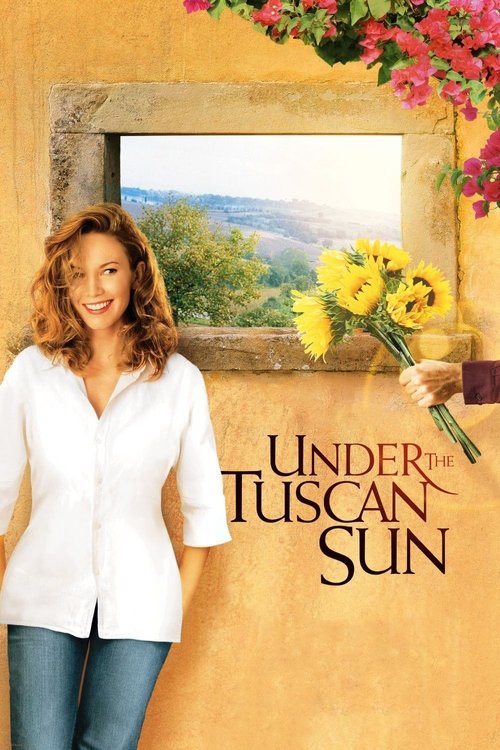
Aching love stories, told twice
For Fans of Call Me by Your Name
Explore the For Fans of Call Me by Your Name guide →It was the most beautiful word in the English language. Nothing came close. No word was worth a thing until he'd said it.Andre Aciman, Call Me by Your Name (2007)