
The Little Detectives Who Outlasted Their Era
Chip 'n' Dale began not as detectives but as a classic comedy duo. Walt Disney introduced the two chipmunks as recurring antagonists in a 1943 short (Private Pluto), and through the late 1940s and 1950s they became fixtures of the theatrical short format, forever tormenting Donald Duck and occasionally Pluto with slapstick energy and contrasting personalities: the fastidious, take-charge Chip and the goofy, good-natured Dale. Those shorts are not in any streaming catalog today, which makes the later television reinvention all the more remarkable as an act of creative rescue.
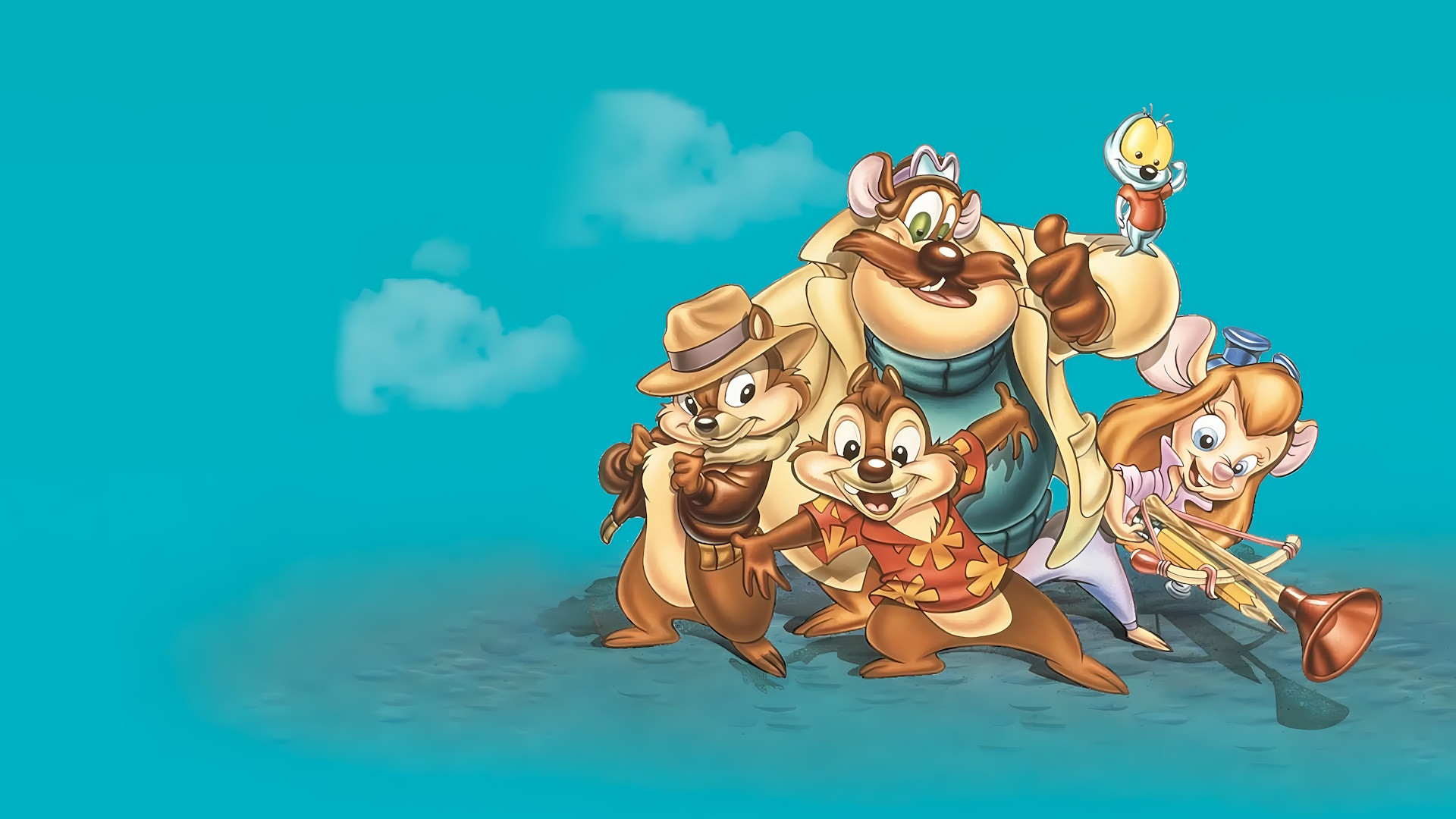
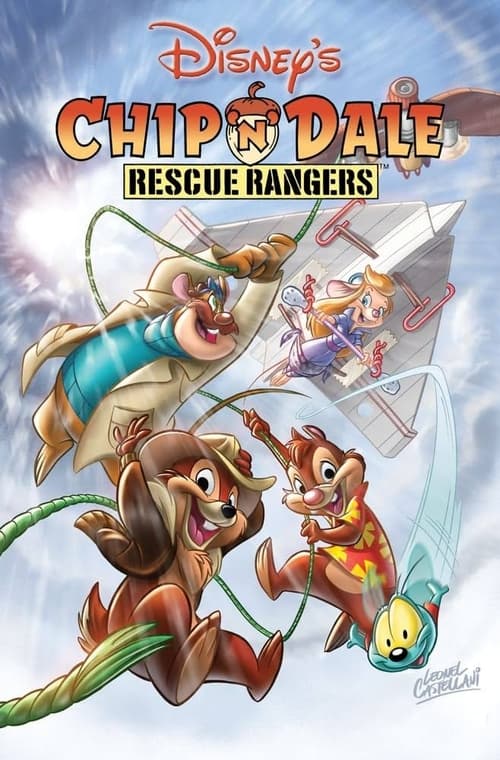
The leap to serialized adventure came in 1989 with Chip 'n' Dale Rescue Rangers, part of Disney's push into afternoon syndicated television that also spawned DuckTales and TaleSpin. The show re-imagined the duo as founders of a detective agency, surrounded by new companions: the inventor mouse Gadget Hackwrench, the Australian mouse Monterey Jack, and the housefly Zipper. It was a genuine creative reinvention rather than a simple spinoff, borrowing only the characters' names and their rivalry dynamic from the original theatrical shorts.
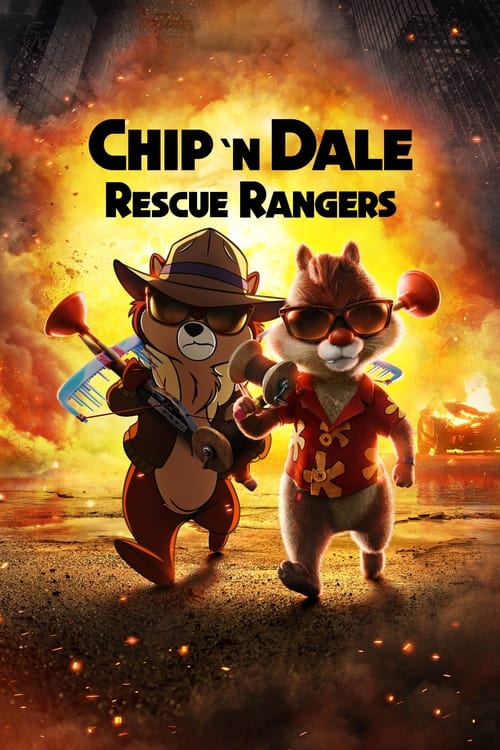
From there the property moved through two Capcom NES games and eventually a meta-comedy feature film in 2022 that treated the history of the Rescue Rangers as the history of the show itself, folding nostalgia into the narrative in a way that only works if you already know the source.
Every Version of the Rescue Rangers
The TV series, the games, and the 2022 film adaptation
The Rescue Rangers Across the Decades
- 1943First theatrical appearance (not in streaming catalogs) Chip 'n' Dale Rescue Rangers
- 1989Rescue Rangers TV series premieres on Disney's afternoon block Chip 'n' Dale Rescue Rangers
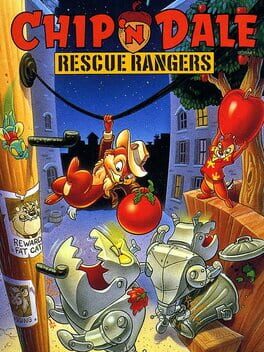
- 1990Capcom NES game based on the animated series Disney's Chip 'n Dale Rescue Rangers
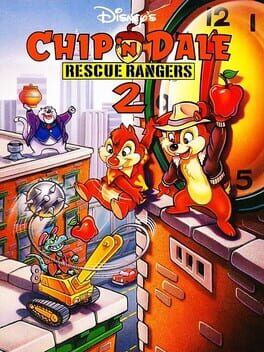
- 1993Capcom sequel NES game released Disney's Chip 'n Dale Rescue Rangers 2
- 2022Self-aware meta-comedy film on Disney+ Chip 'n Dale: Rescue Rangers
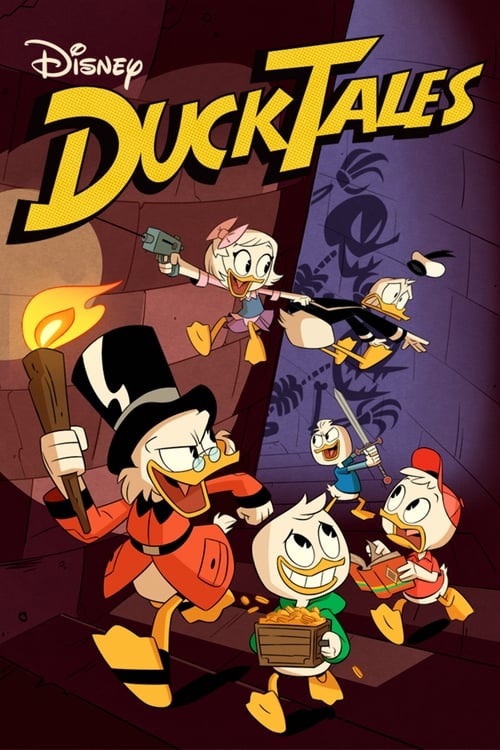
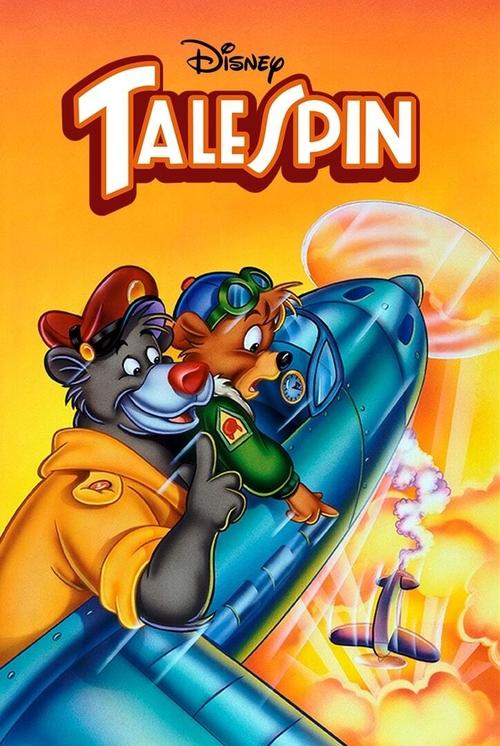
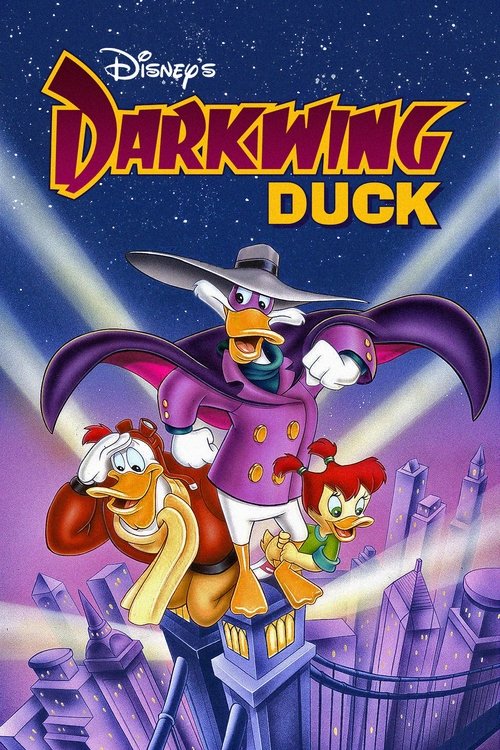
If You Love the TV Series
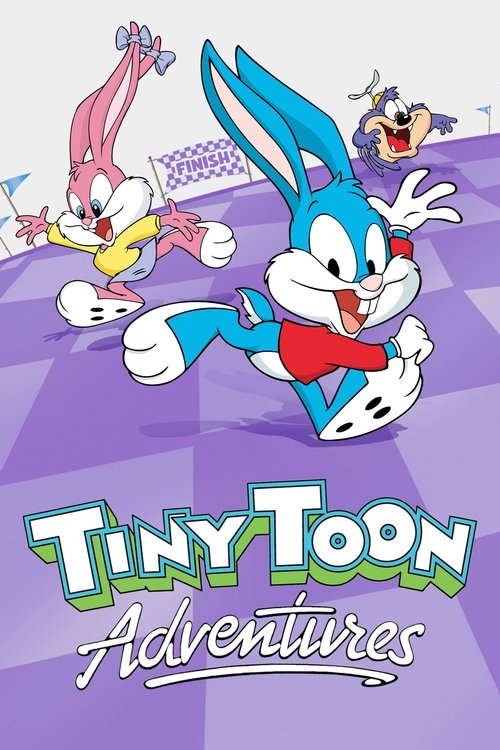
Ensemble adventure cartoons from Disney's 1985 to 1994 golden television run
If You Love the 2022 Film's Nostalgia Deconstruction
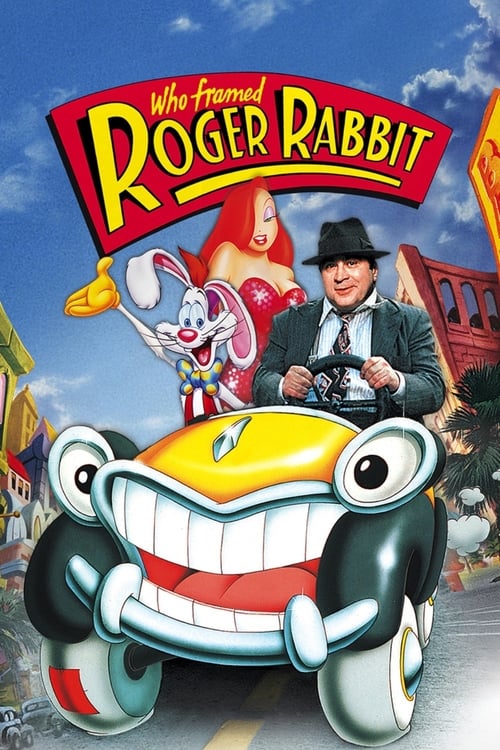
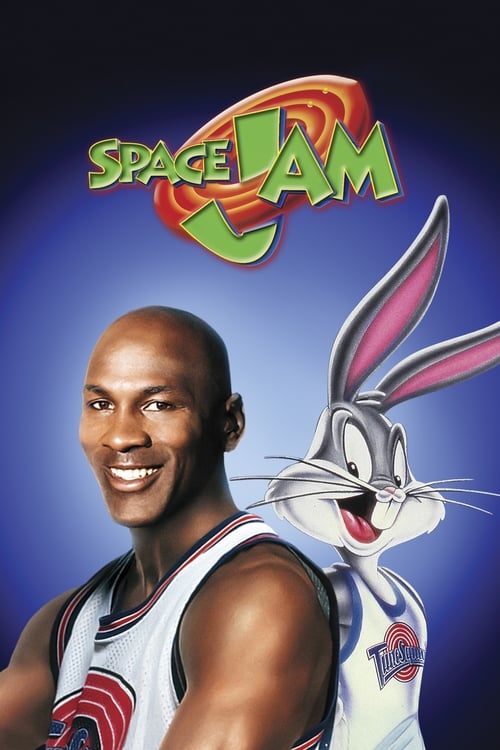
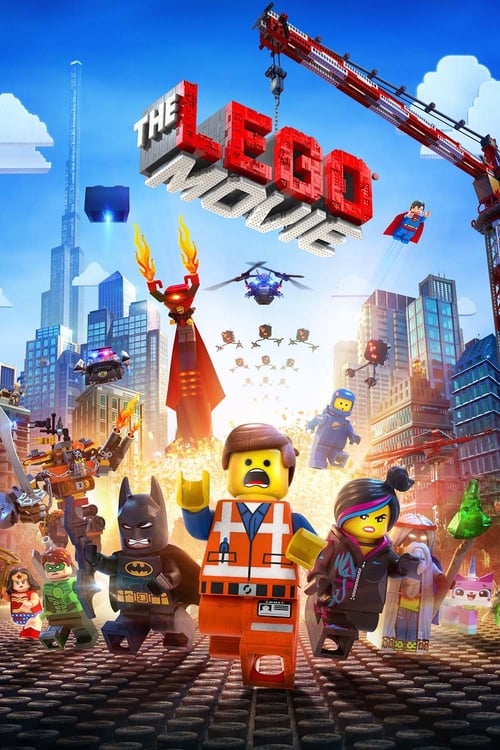
Stories that fold their own history, medium, or iconography into the plot
If You Love Gadget Hackwrench Specifically
Inventive, capable female characters at the center of adventure stories


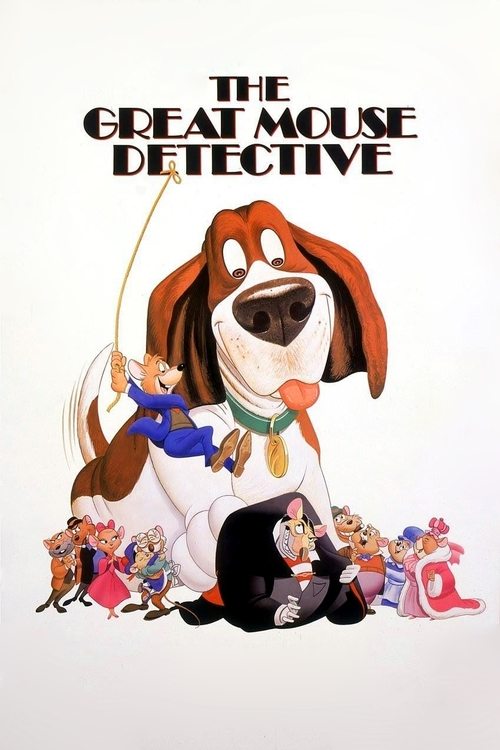

If You Love Small-Scale Mystery and Detective Stories
Cases where the investigators are underdogs and the atmosphere does half the work
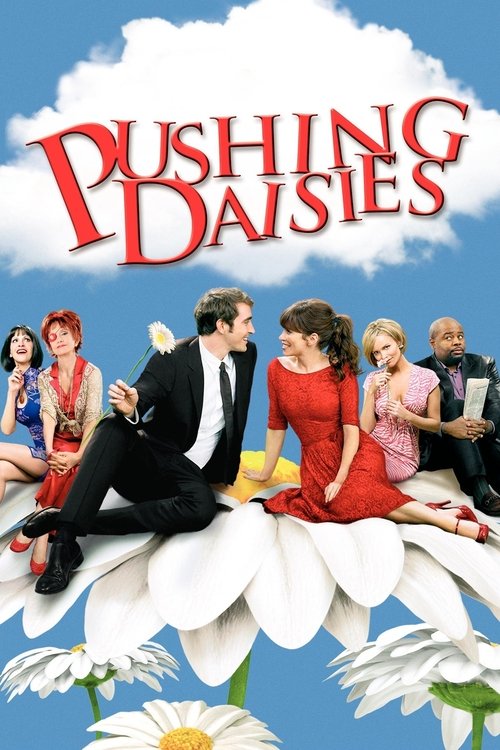

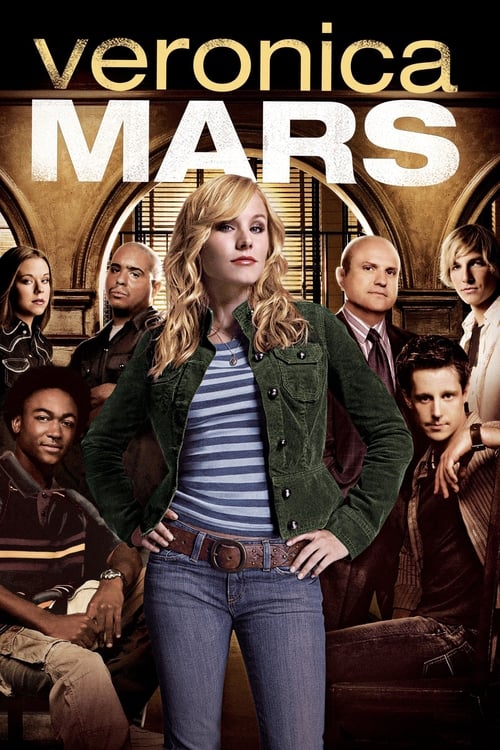
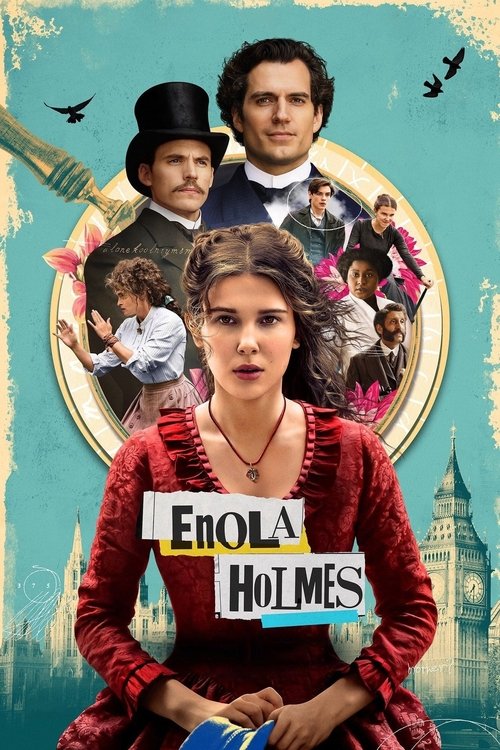
The TV series is still the definitive version
The 1989 animated series is where everything that makes these characters work actually lives. The show had real invention in its premise: scaling down the world to chipmunk level turned ordinary city settings into genuine adventure environments, and Gadget Hackwrench was, for her era, a legitimately original character. The ensemble dynamic felt earned rather than assembled. The NES games are a fine extension of that world, but the TV series is what people remember, and correctly so.
The NES games are sharper than nostalgia usually gives them credit for
The Capcom NES games (1990 and 1993) are among the better licensed titles of their era, not just competent tie-ins. The first game's two-player cooperative mechanic, where players throw crates and enemies at each other's targets, was genuinely novel. The sequel refined the level design further. Neither game needs apology for being a licensed product: both stand on their own merits as compact, well-made platformers.
The 2022 film is clever but it asks a lot of its audience
The Akiva Schaffer film is genuinely funny, and the premise of a washed-up animated character navigating a live-action world is well-executed. Its pleasures are almost entirely for people who already have a relationship with the 1989 series and with Disney animation broadly. As a mystery it is serviceable; as meta-comedy it works well. It earns its existence without being essential.