
A novel made of novels, a film made of films
David Mitchell published Cloud Atlas in 2004, and it arrived already feeling like a piece of architecture. Six nested narratives, each set in a different century (from a 19th-century Pacific voyage to a post-apocalyptic future), each interrupted at its midpoint before resolving in reverse order: a structure that argues souls recur, actions ripple forward, and every act of cowardice or courage leaves a mark somewhere downstream in history.
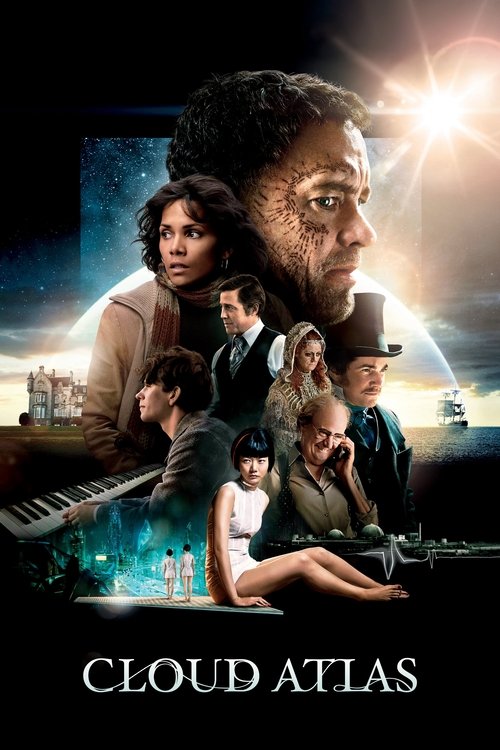
The novel was shortlisted for the Booker Prize and became a cult object almost immediately, the kind of book people press on strangers. For years, the conventional wisdom held that it was unfilmable. Lana and Lilly Wachowski and Tom Tykwer decided to film it anyway, with a cast playing multiple roles across all six timelines simultaneously. The result, released in 2012, is one of the most expensive and ambitious independent films ever made, and still one of the most debated. There is no TV series, no video game, no musical. There is only the novel and the one exhausting, sincere film that tried to hold it all.
Cloud Atlas across time
- 2004David Mitchell's novel published by Sceptre (UK) Cloud Atlas
- 2004Shortlisted for the Man Booker Prize
- 2012Wachowskis and Tom Tykwer's film released, starring Tom Hanks and Halle Berry Cloud Atlas
The definitive version: the novel
The film is a genuine achievement, but the novel is the reason any of this exists. Mitchell's structure, six interrupted stories nested inside each other, only fully clicks into place when you're reading the second half and all the callbacks arrive. The formal daring is also the emotional engine: by the time the outermost story closes, you've been conditioned to feel the accumulated weight of centuries. The film externalizes the reincarnation theme by casting the same actors across timelines; the novel makes you do that work yourself, which is more demanding and ultimately more rewarding. The moment in the Sonmi section when she cites a phrase from an earlier century, not knowing its origin, is the book's thesis made quietly devastating. No film edit can replicate that.

The underrated case for the 2012 film
The Wachowski/Tykwer film was savaged by critics who found it overlong, earnest, and confused. It is all three of those things. It is also genuinely moving in its best passages, particularly the Sonmi-451 storyline and the Luisa Rey thriller section, and the score by Tykwer, Johnny Klimek and Reinhold Heil is outstanding. Its biggest flaw, casting the same actors across different races and genders using prosthetics, was correctly criticized and has not aged well. But the editing, six storylines cut into a single mounting rhythm, is something that has no real equivalent in mainstream cinema. This is a film that earns its running time.
If you love the nested-story structure
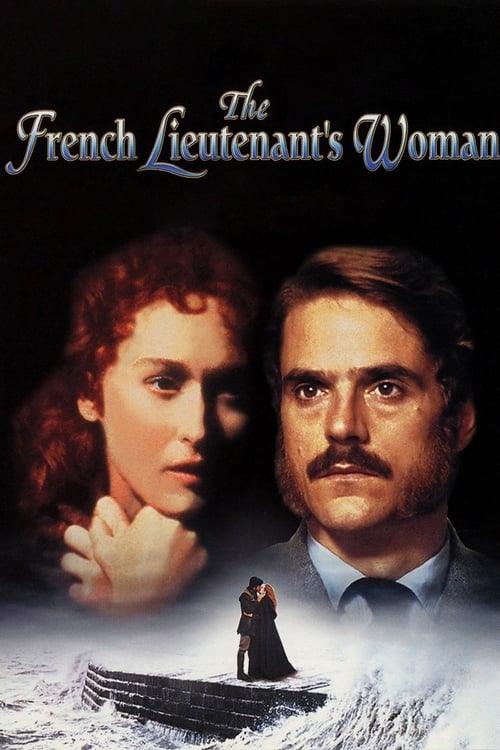
Novels and films that fold stories inside stories

If you love the reincarnation and karma angle
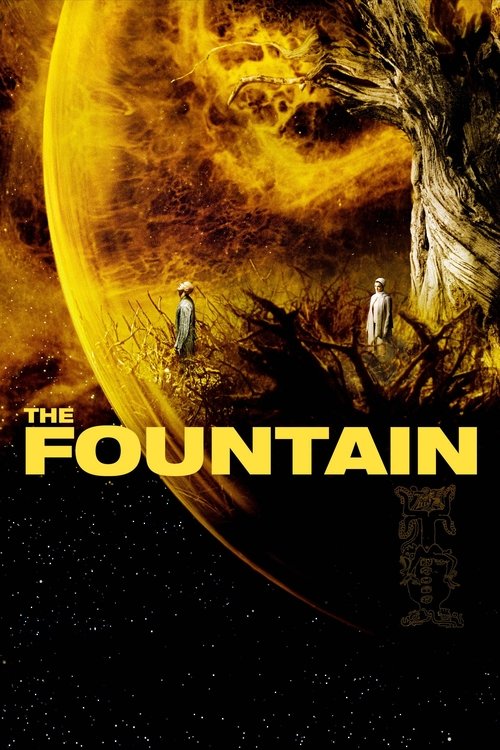
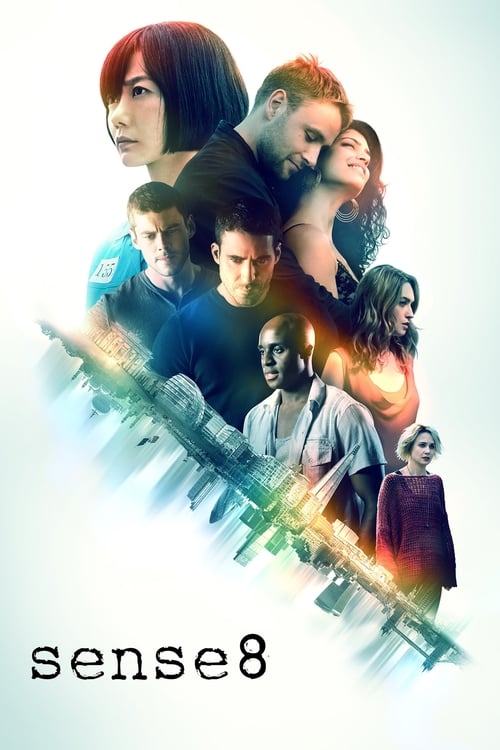
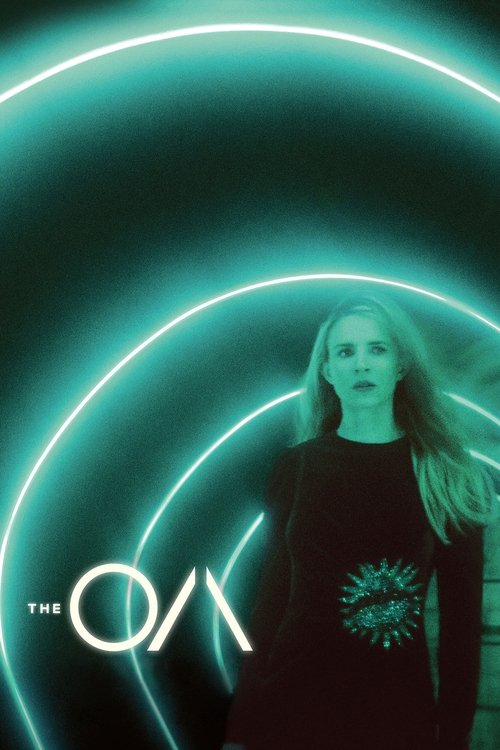
Stories about souls recurring, actions echoing across lifetimes
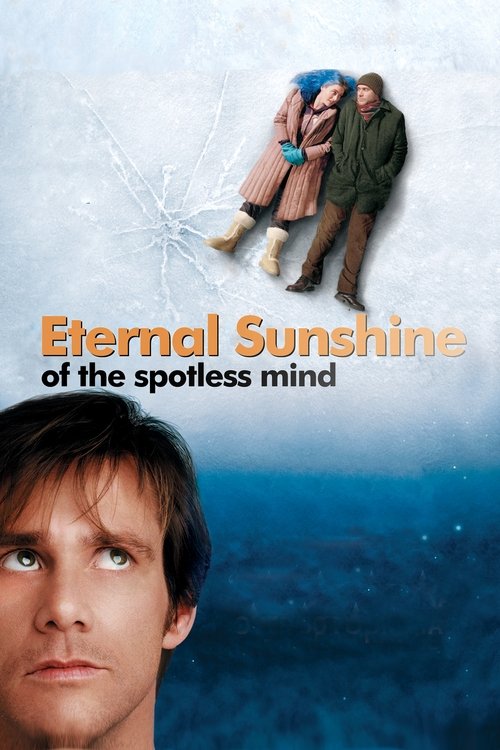
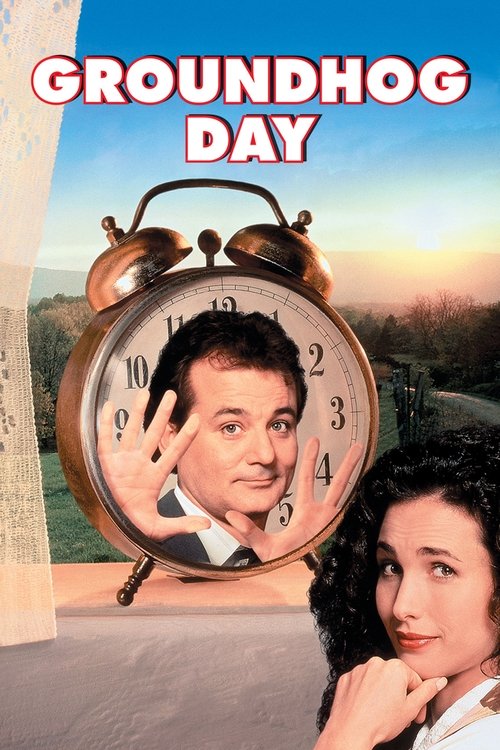

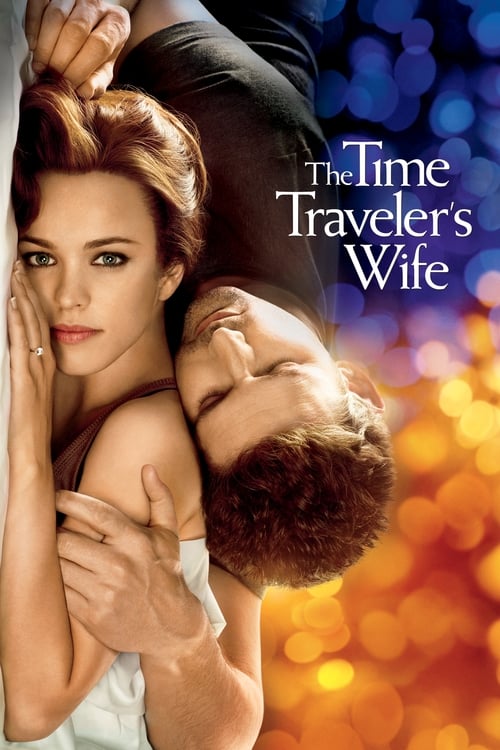
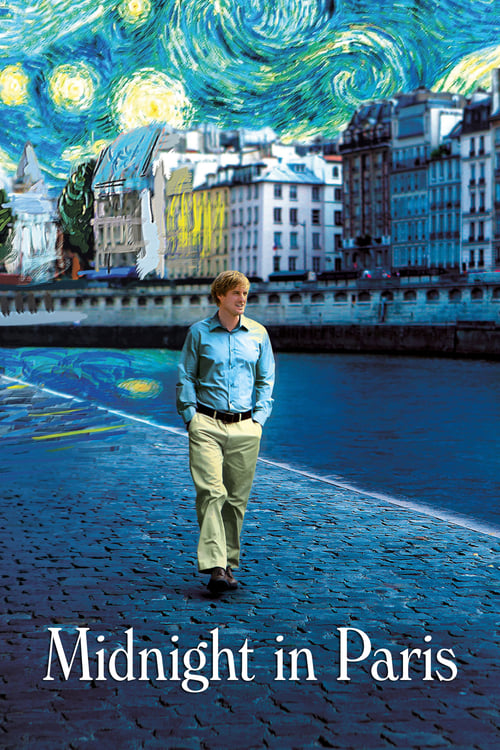
If you love the dystopian future storylines
Corporate dystopias, clone societies, and post-collapse survival
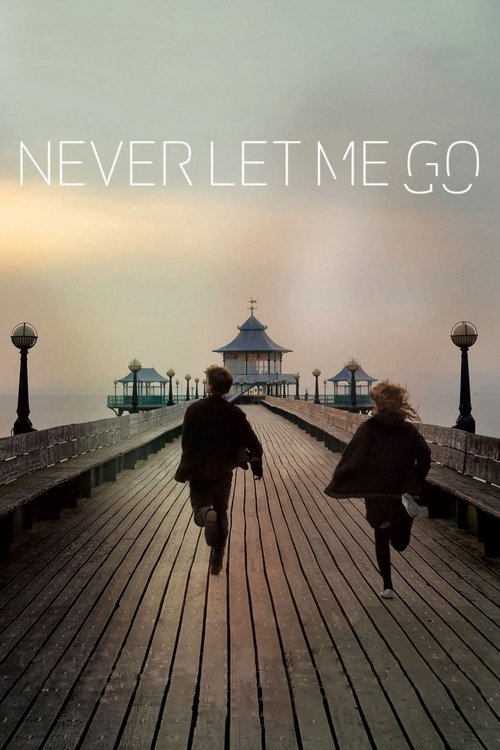

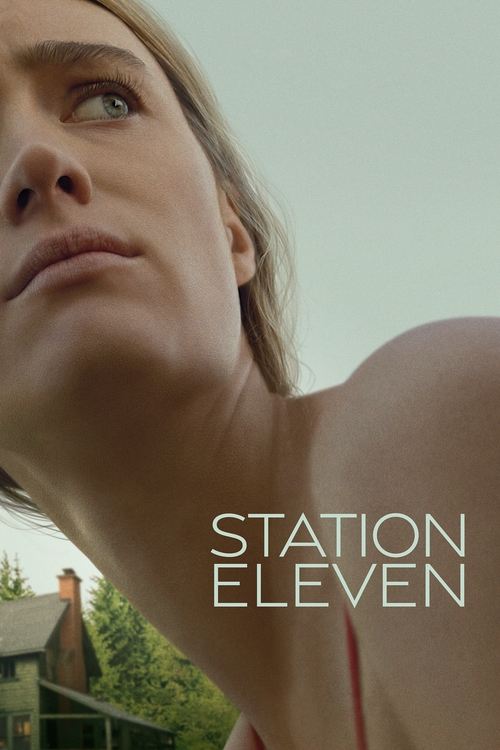
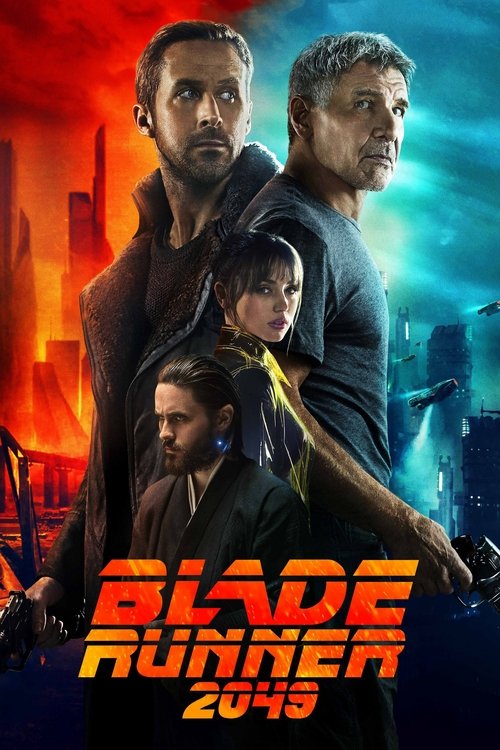


If you love ambitious, maximalist adaptation
Literary novels turned into long, complicated, divisive films
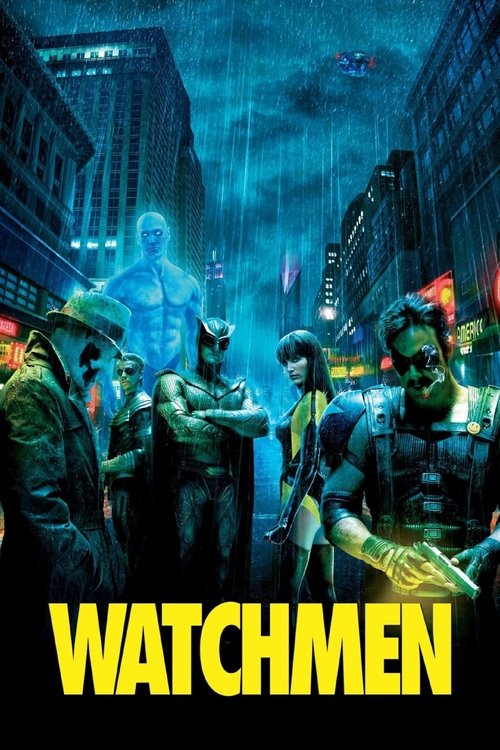
More Time-Spanning Speculative Stories
Time Travel
Explore the Time Travel guide →Our lives are not our own. From womb to tomb, we are bound to others, past and present. And by each crime and every kindness, we birth our future.Cloud Atlas (2012 film)