
The story that rewired how we think about language
Ted Chiang published Story of Your Life in the anthology Starlight 2 in 1998, then collected it with seven other stories in Stories of Your Life and Others in 2002. The collection won the Locus Award for Best Collection; the title story had already won the Nebula Award for Best Novella. Chiang is one of the slowest and most precise writers in science fiction, producing fewer than twenty stories over three decades, and Story of Your Life may be the one that will outlast everything. It is about a linguist brought in to communicate with alien visitors, and about her daughter, and about the structure of time, and about whether knowing how a story ends changes anything about living through it.
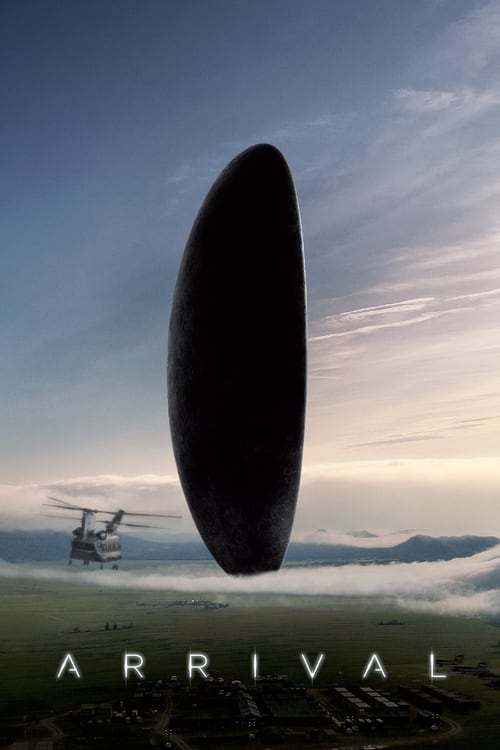
For fourteen years the story existed only on the page. Then screenwriter Eric Heisserer spent years trying to adapt it, and Denis Villeneuve agreed to direct. Arrival opened in 2016 to near-universal acclaim and an Academy Award nomination for Best Picture. It remains, to date, the only screen adaptation of any story from the collection. No TV series, no stage adaptation, no game has followed. The collection's other seven stories, including Hell Is the Absence of God and Exhalation, have been optioned but not produced. This is, for now, a two-artifact story: one perfect short story, one near-perfect film.
From page to screen
- 1998Story of Your Life published in Starlight 2 anthology
- 2002Stories of Your Life and Others collection published; wins Locus Award
- 2016Arrival released, dir. Denis Villeneuve; nominated for 8 Academy Awards
- 2019Exhalation: Stories (second Chiang collection) published; title story wins Hugo Award
The definitive version: the short story
Villeneuve's film is extraordinary, but Chiang's novella is the thing itself. The prose operates on two timelines simultaneously without tricks or chapter breaks, and the effect only works because you are reading it: you are doing the cognitive work alongside Louise. The film has to show rather than tell, which means it externalizes the heptapod language into something visual and impressive but ultimately decorative. On the page the language is the argument. Read the story first, then see the film.

The underrated companion: Exhalation: Stories
Chiang's 2019 second collection does not get talked about as part of the Arrival conversation, but it should. The title story Exhalation won the Hugo Award and reads as a philosophical companion to Story of Your Life: both are about accepting the nature of time and entropy without despair. The Lifecycle of Software Objects is the most rigorous examination of AI consciousness in fiction. If you finished the first collection wanting more, this is where to go.
The one to be careful with: Arrival (2016) viewed first
The film is not a bad adaptation. It is one of the best science fiction films of its decade. But watching it before reading the story has a cost: Villeneuve's visual grammar locks in a particular image of Louise and the heptapods that is very hard to dislodge when you later read Chiang. The story's ending lands differently when you have not already seen the film's version of it. See the film after, not before.
If you love the language-as-worldview idea
Stories where how you communicate shapes what you can think




If you love the grief-and-time-collapsed narrative
Stories told from a vantage point of loss, where the ending is already known




If you love quiet, rigorous literary science fiction
Short fiction and novels that treat ideas with the same precision Chiang does
If you love Denis Villeneuve's cinema
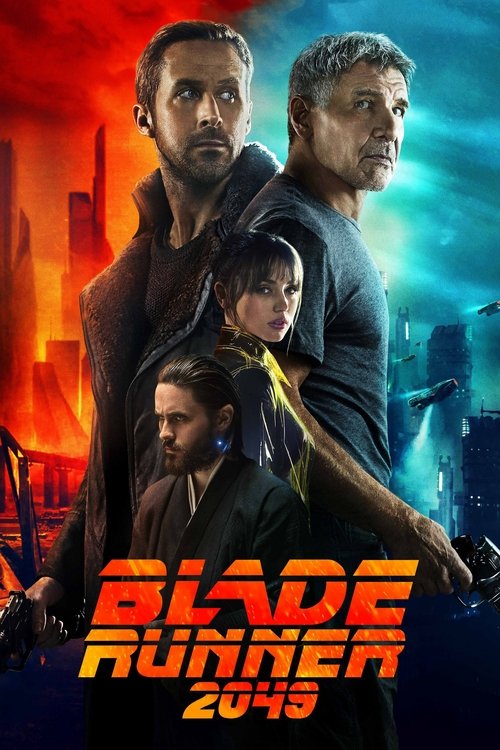
The director's other films, and the science fiction films closest to Arrival's register