
The story that started with a family secret
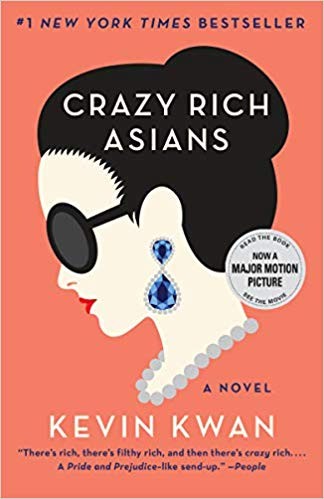
Kevin Kwan grew up inside the world he wrote about. Born in Singapore to an old-money family, he emigrated to the United States as a teenager and spent years watching from a distance before turning his memories into a novel. Crazy Rich Asians, published in 2013, is the story of Rachel Chu, an American-born economics professor who travels to Singapore with her boyfriend Nick Young, only to discover that his family is staggeringly, dynastically wealthy. The book is part romantic comedy, part social satire, loaded with designer labels, ancestral mansions, and the particular cruelty that comes with inherited status.
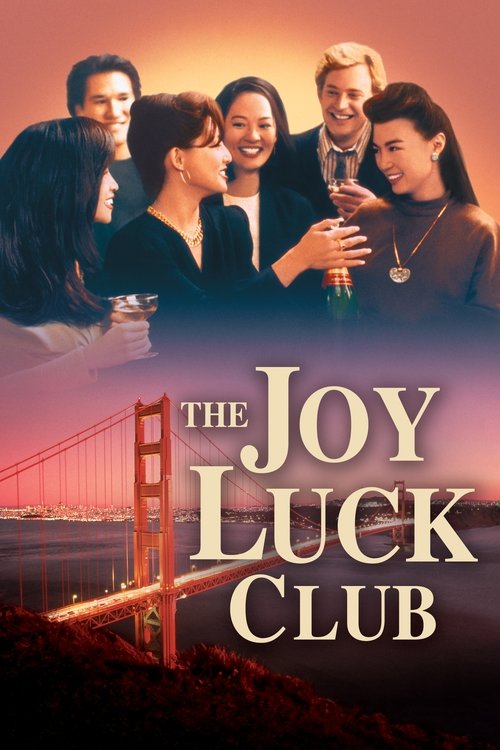
Kwan followed it with two sequels, China Rich Girlfriend (2015) and Rich People Problems (2017), expanding the universe into Shanghai and Hong Kong. The trilogy became a publishing sensation and, in 2018, Jon M. Chu adapted the first novel into a film that became the highest-grossing romantic comedy in the United States in a decade and the first Hollywood studio film with a predominantly Asian cast since The Joy Luck Club in 1993. A streaming series adaptation was announced and has been in development, though as of mid-2024 it has not yet aired. The story remains, for now, a novel trilogy and a single film, with more versions still in the works.
Every version of Crazy Rich Asians
The source novels and their screen adaptation


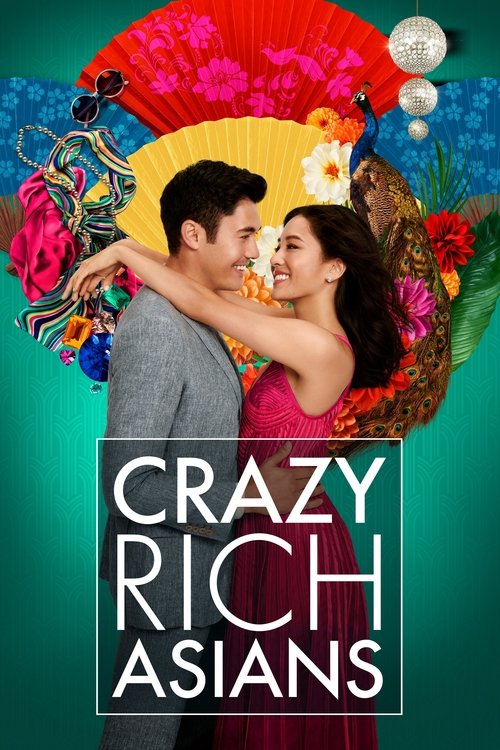
Crazy Rich Asians across the years
- 2013Kevin Kwan publishes the debut novel Crazy Rich Asians
- 2015Sequel expands into Shanghai China Rich Girlfriend
- 2017Trilogy concludes in Hong Kong
- 2018Jon M. Chu directs the Hollywood film Crazy Rich Asians
The film is the definitive version
Jon M. Chu's 2018 film earns its reputation. It distills the novel's sprawl into a tight, visually sumptuous romantic comedy with a cast that understood exactly what register the material needed. Constance Wu and Henry Golding carry the central romance, and Michelle Yeoh gives the film its sharpest edges as the formidable matriarch Eleanor Young. It is the version most people know and the one most worth watching first.
The novel does things the film cannot
Kwan's satirical voice is sharper and funnier on the page than the film captures. The book spends time with a larger cast of characters, and its footnotes explaining Singaporean slang and social hierarchies are genuinely funny. If you saw the movie first and loved it, the novel has more of what you liked, with fewer concessions to mainstream Hollywood warmth.
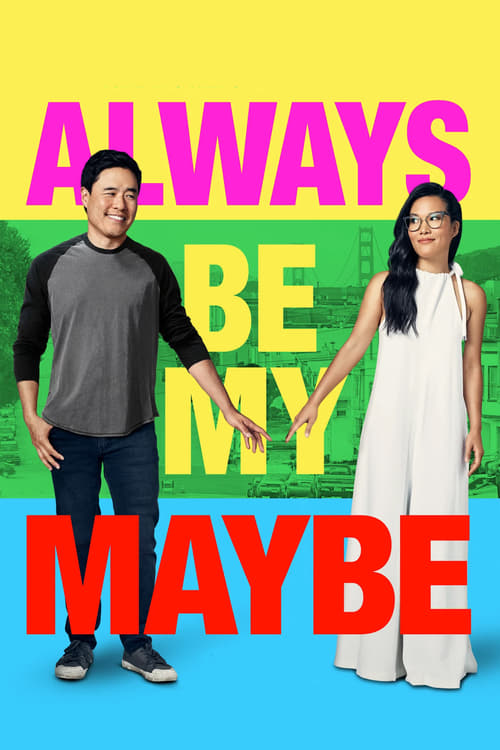
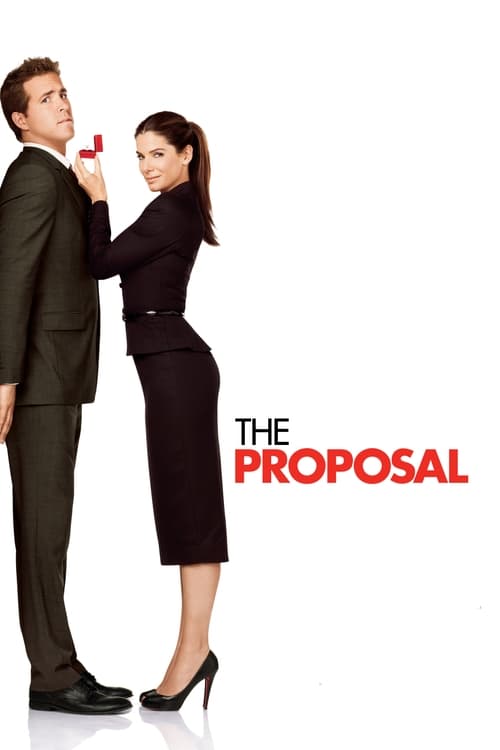
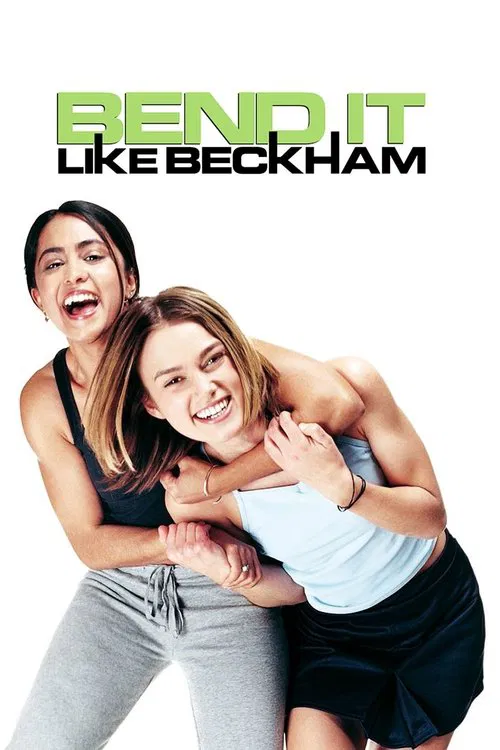
If you love the romance and the family pressure
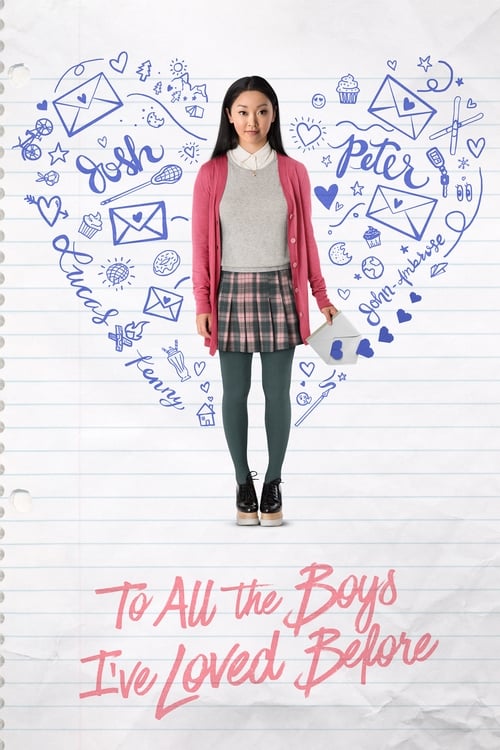
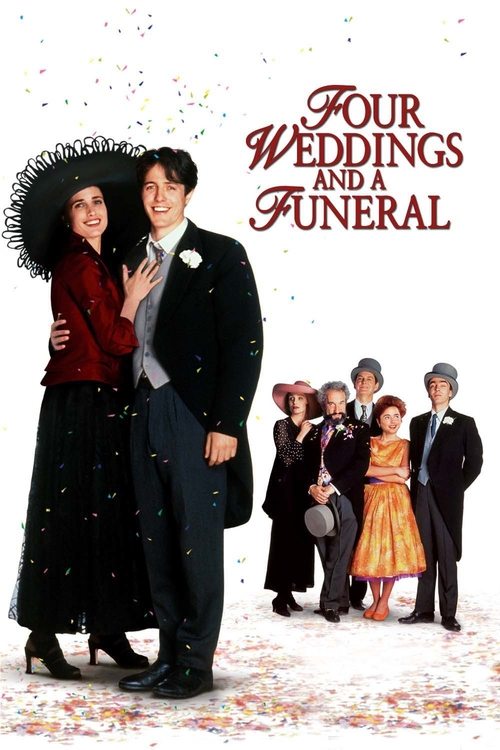
Stories about love, class, and the weight of other people's expectations


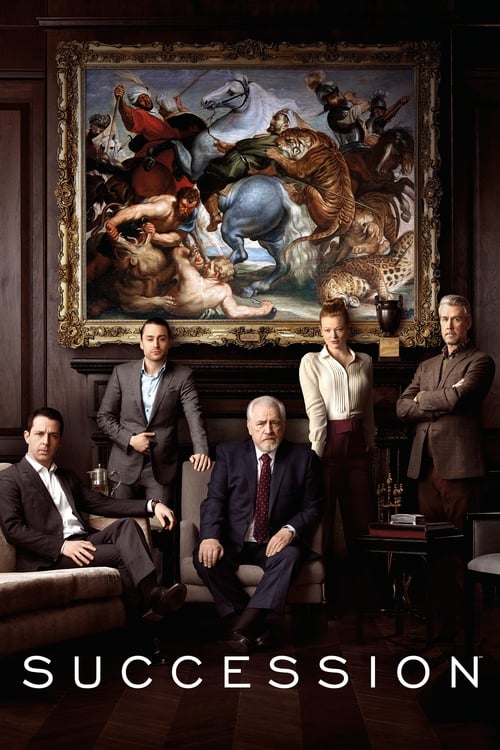
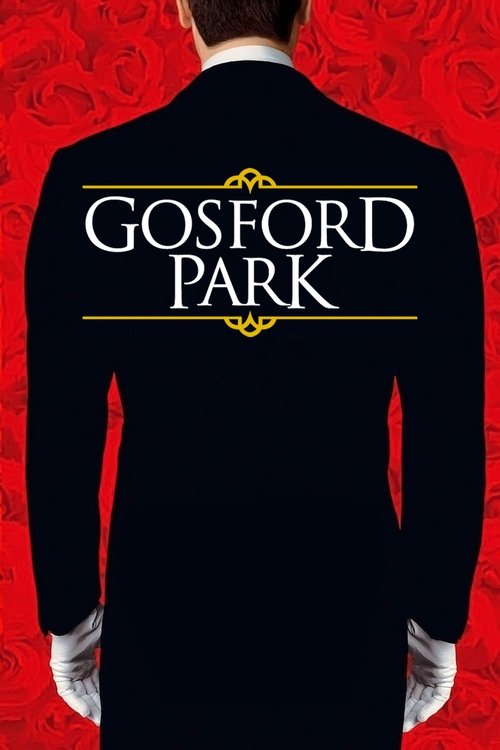
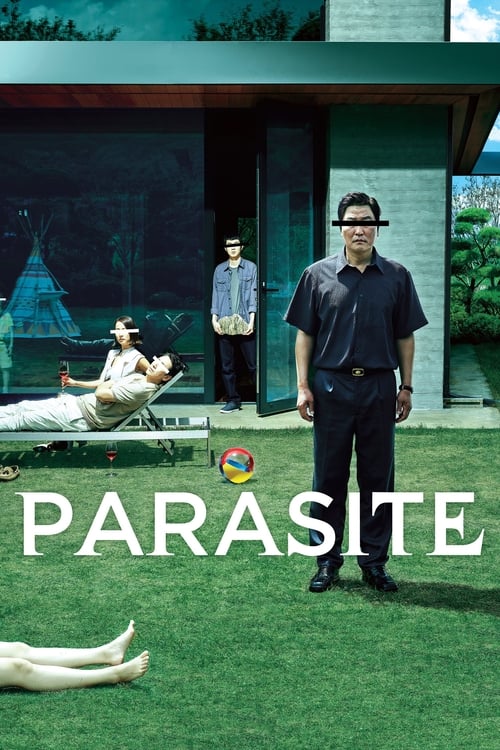
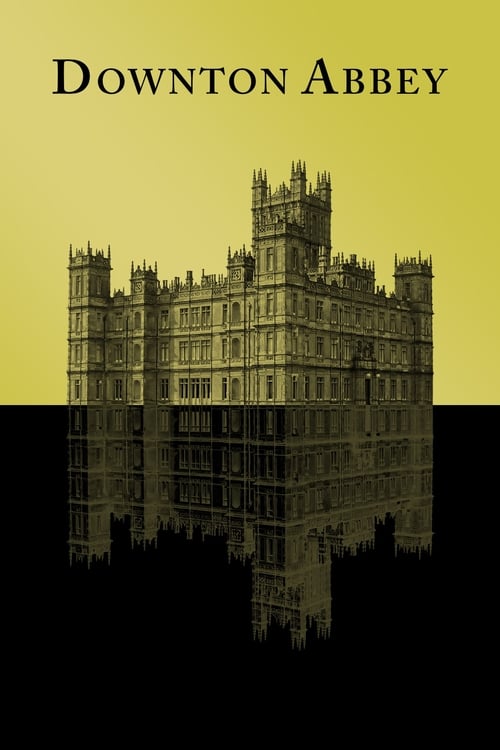
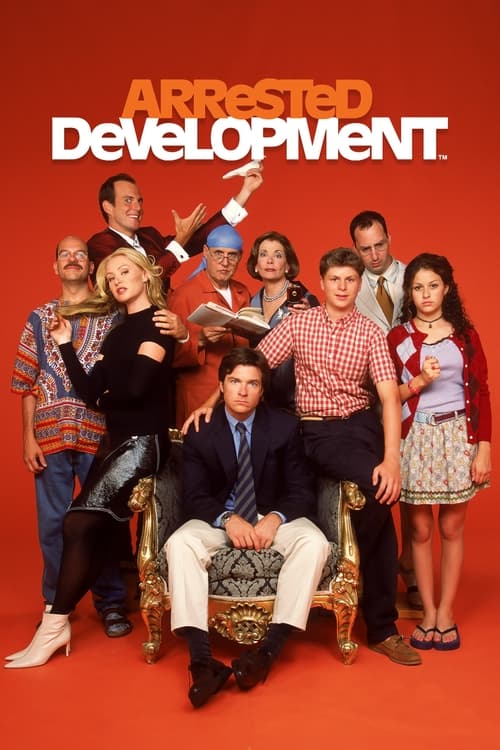
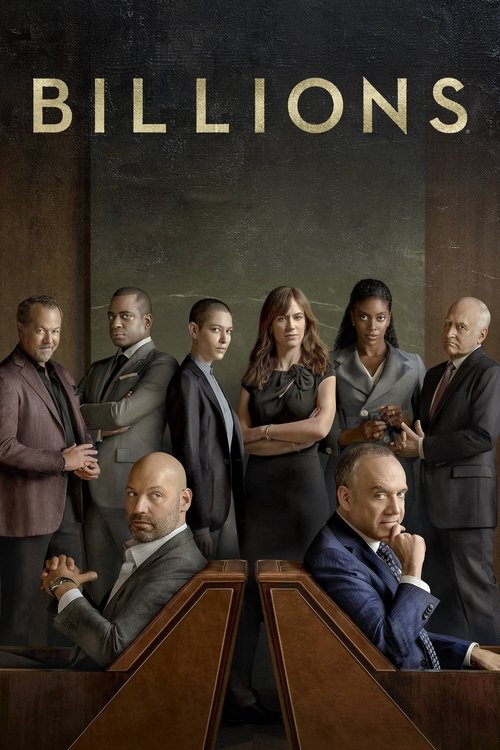
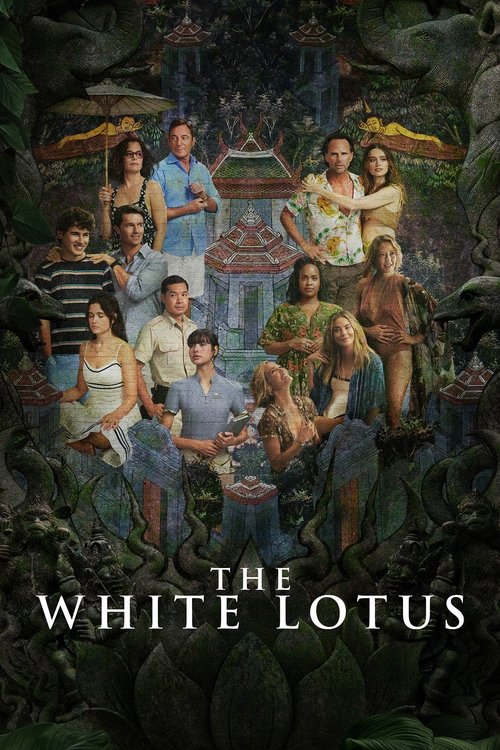
If you love the old-money world-building
Satires and dramas about inherited wealth, dynasty, and social performance

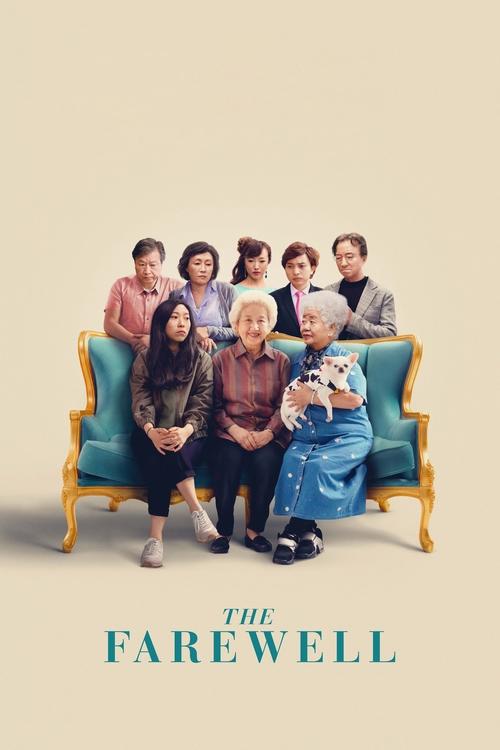
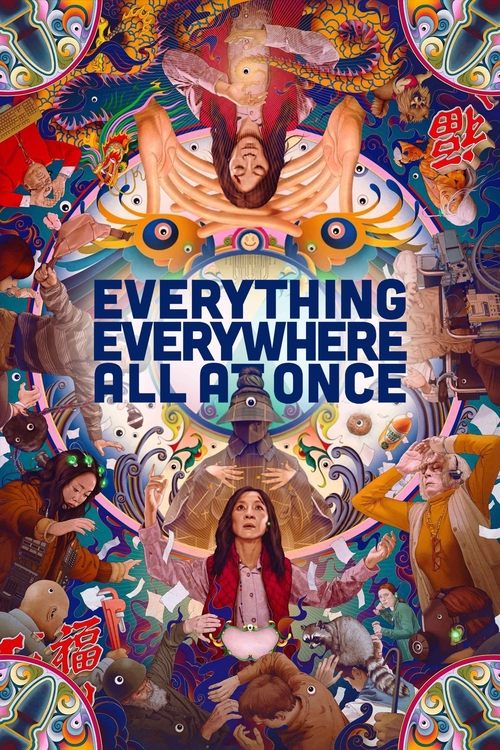
If you love stories about Asian identity and belonging
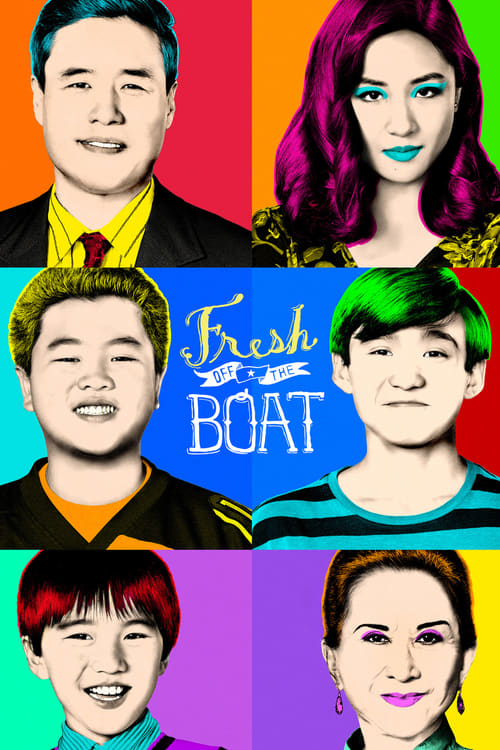
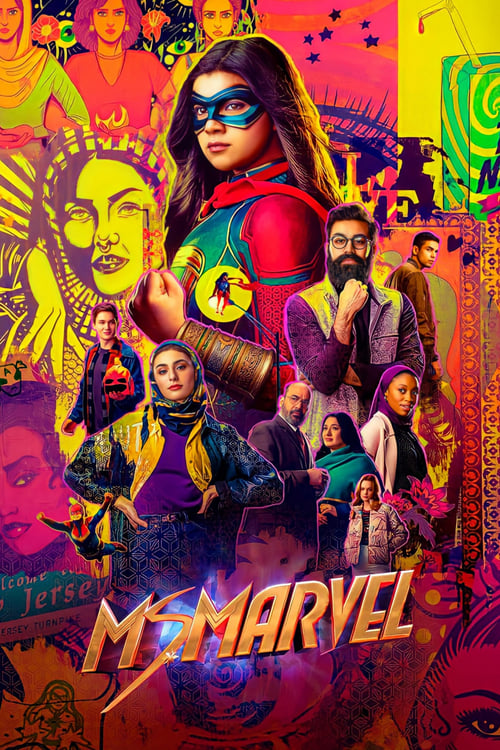
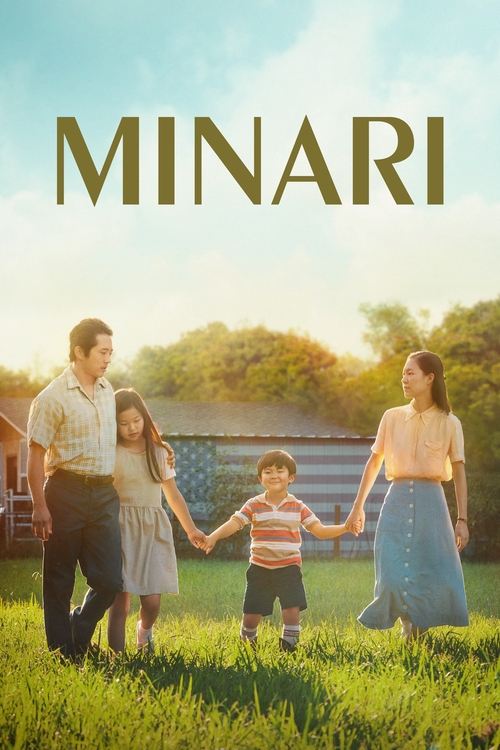
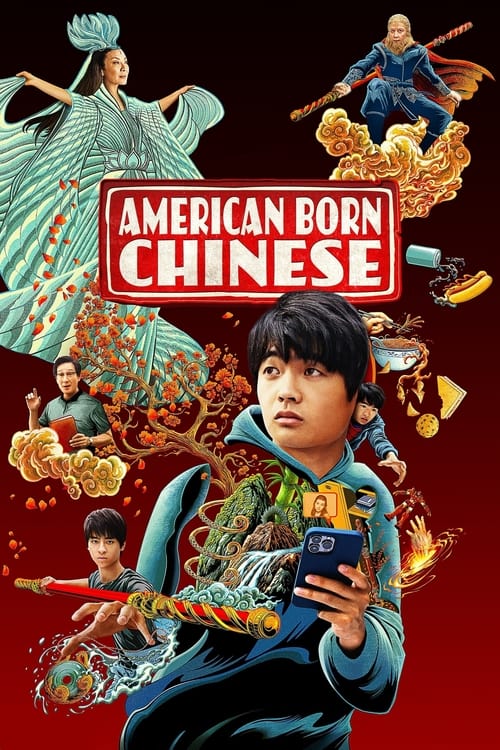
Films, books, and shows exploring the push and pull between heritage and belonging

If you love the Singapore and Southeast Asia setting
Stories rooted in the same part of the world