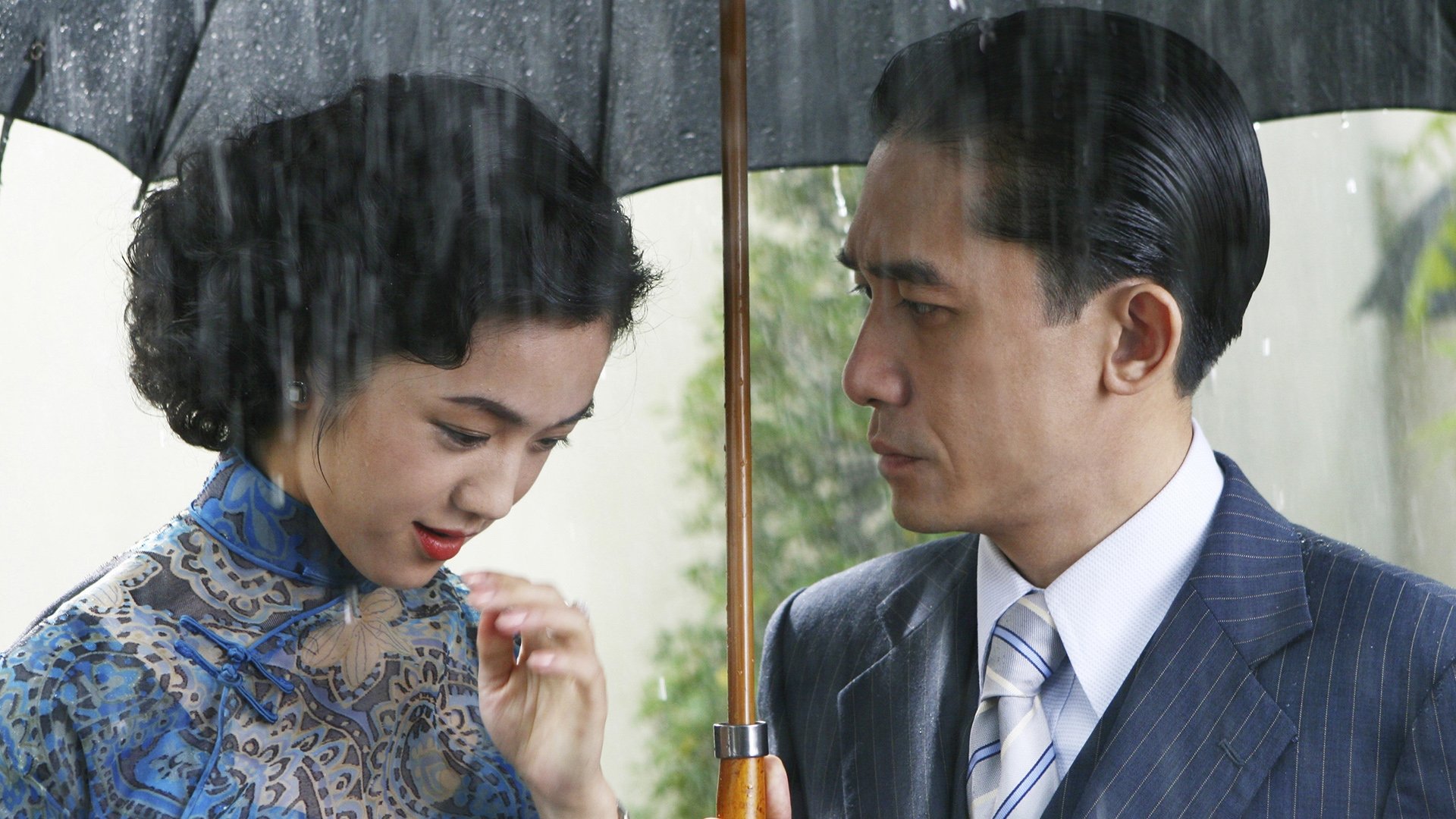

Ang Lee makes films about what people cannot say to each other. Suppressed desire, generational duty, the violence of social expectation: these are his real subjects, whether the story is set in a Taiwanese kitchen, a Wyoming mountain range, a Tang Dynasty forest, or the suburbs of Connecticut. Born in Taiwan, trained at NYU, Lee spent a decade as an unemployed screenwriter before his debut. That struggle left a permanent mark on his work: his characters are always waiting for permission to be themselves, and they rarely get it cleanly. Across every genre he has touched, Lee brings the same piercing patience, holding the camera close enough to catch what a face tries to hide.
Essential Ang Lee
The films that define his range, from family drama to wire-fu epic to intimate tragedy

Same Vibe, Different Director
Films by directors who share Lee's interest in repression, cultural collision, and quietly devastating emotional payoffs
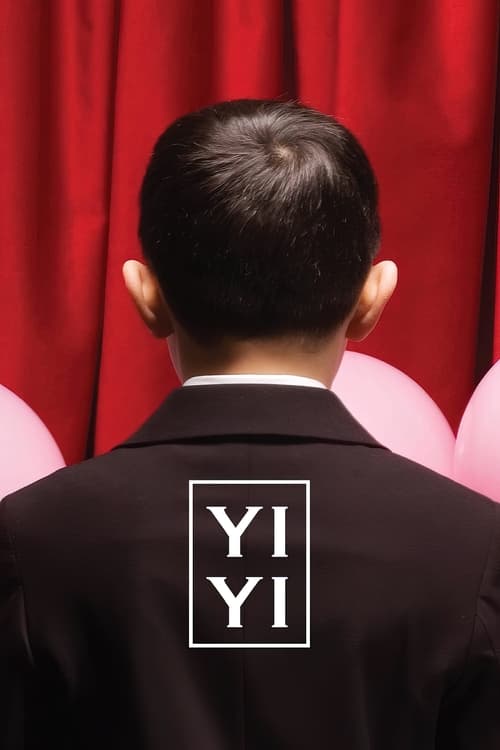


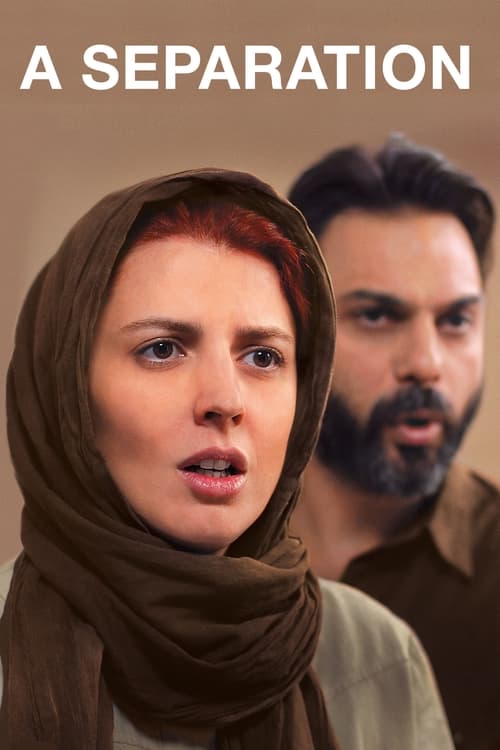
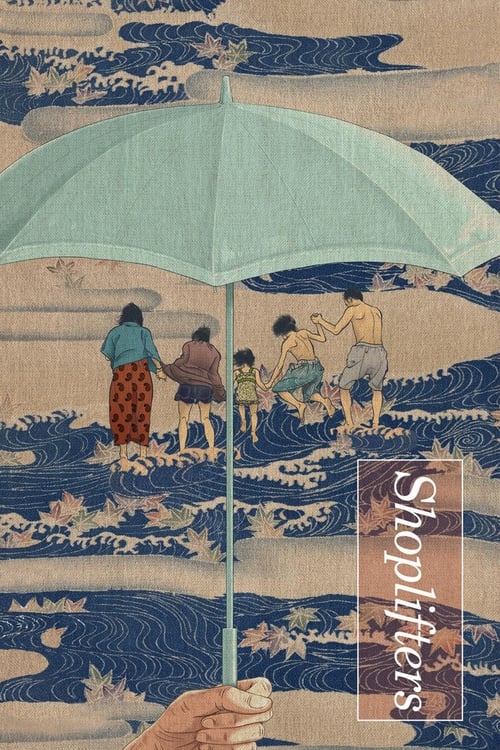
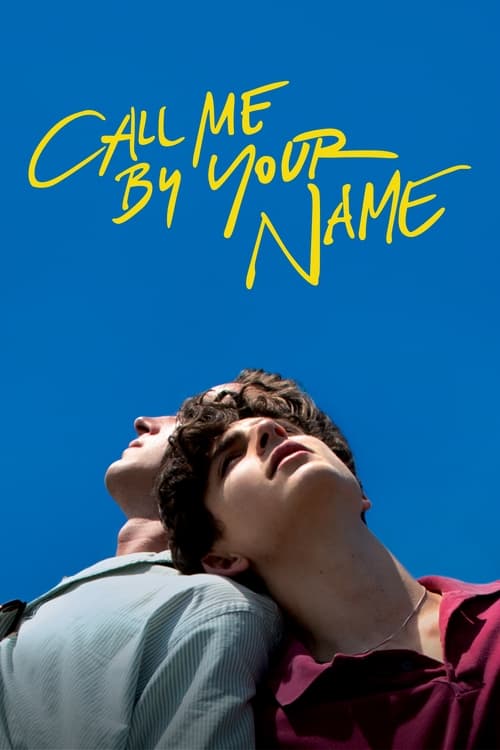
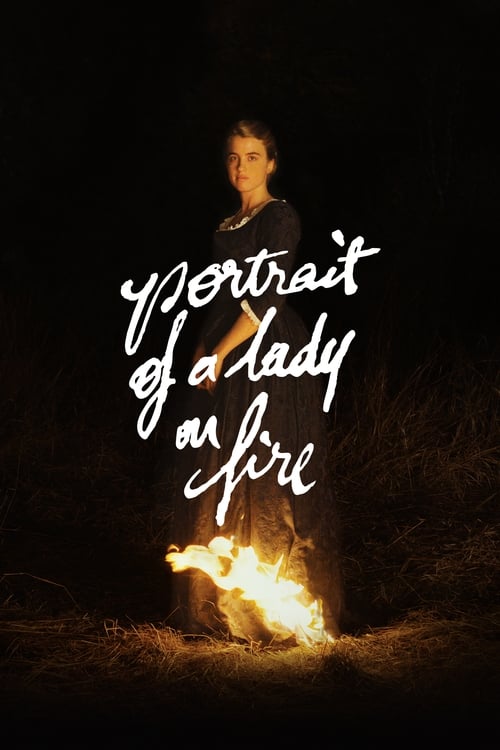
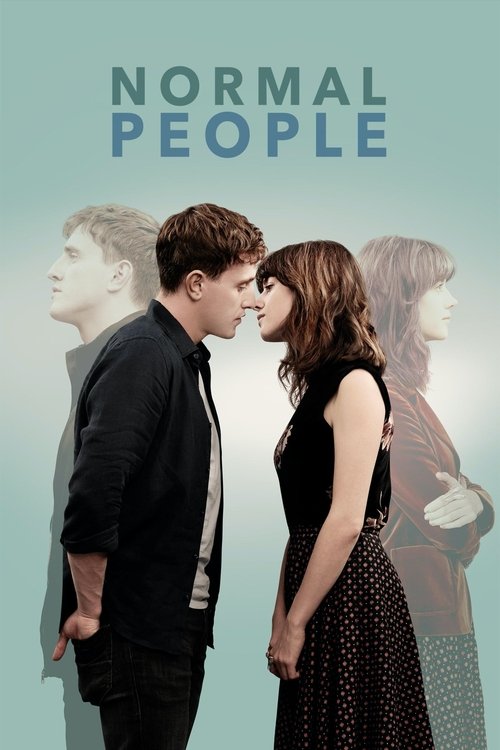
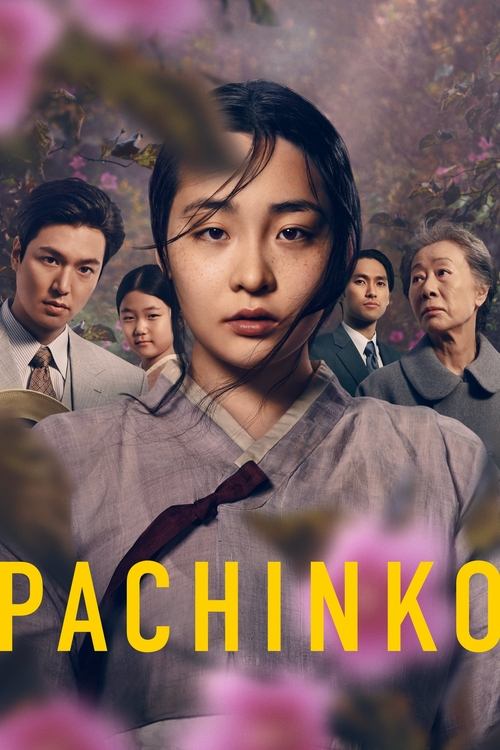
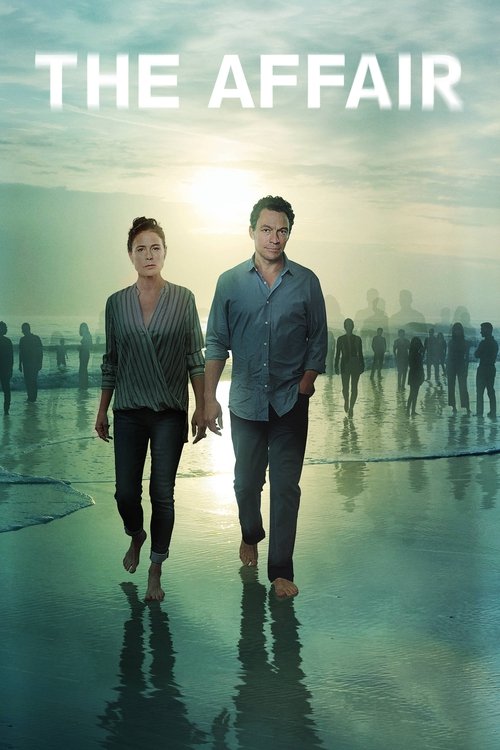
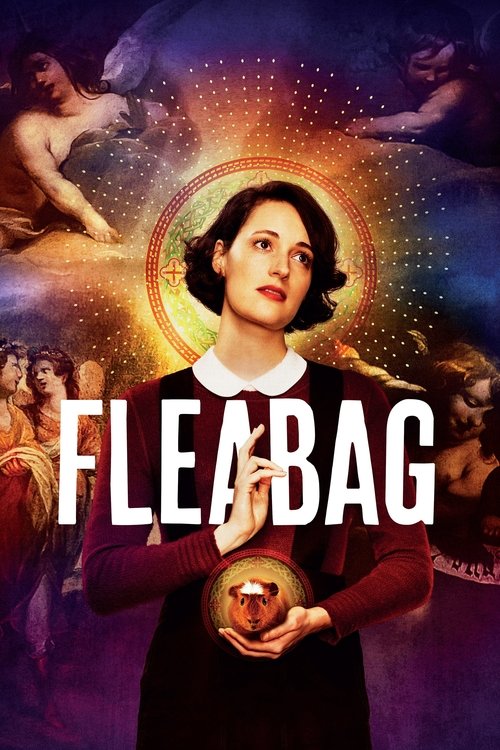
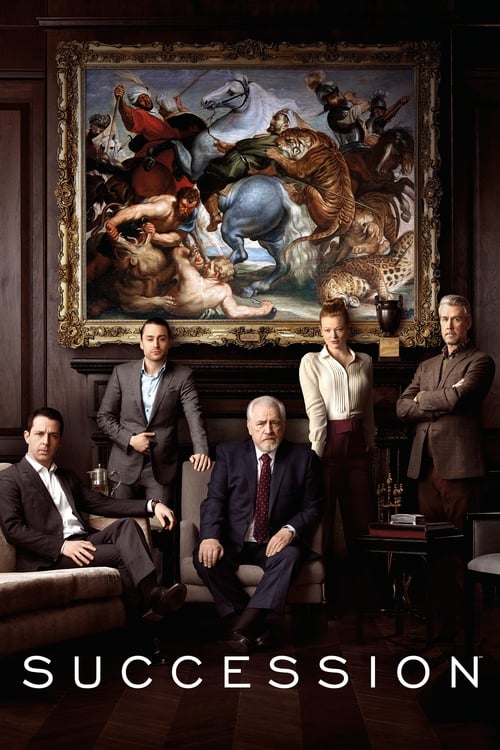
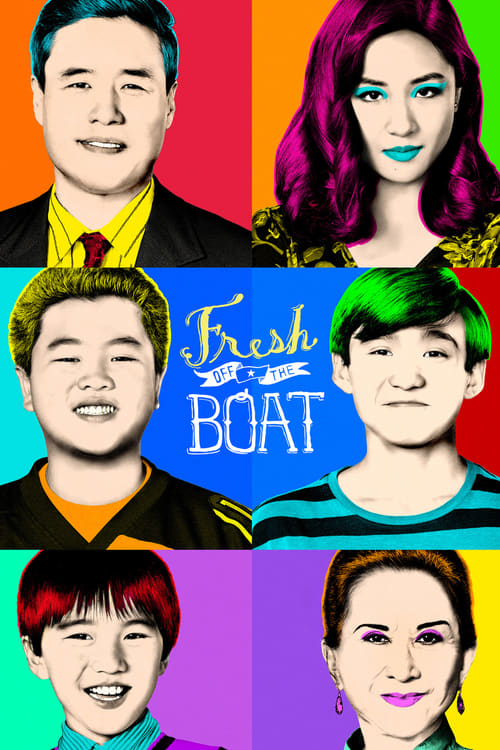
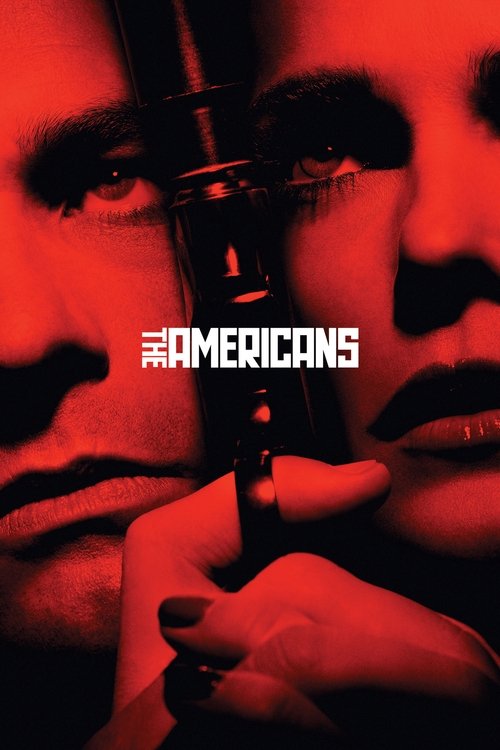
Series That Share His DNA
Television that uses restraint, family dynamics, or cultural duality as its engine
The Novels and Source Material
Books that Lee adapted or that occupy the same emotional and moral territory


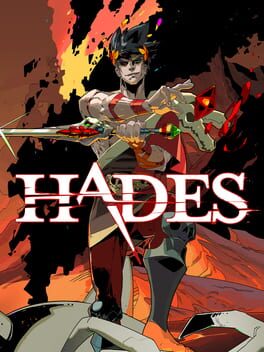
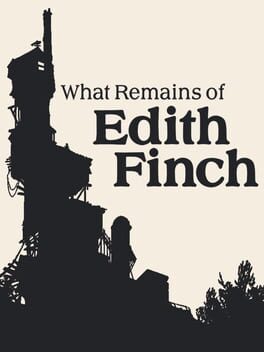
Games That Carry the Same Weight
Games about identity, duty, cultural conflict, and the cost of desire
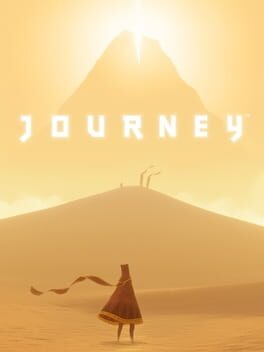
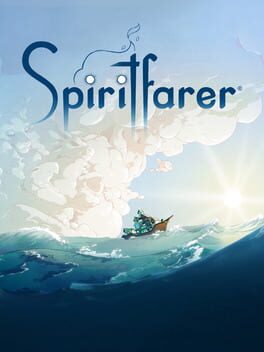
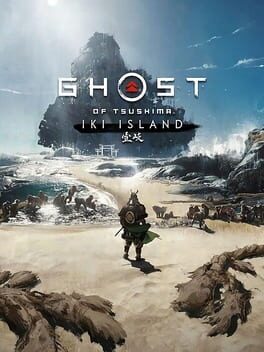
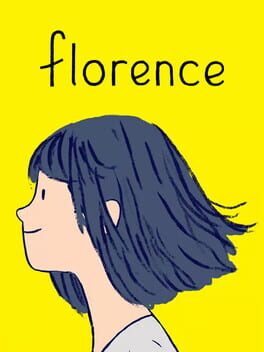
The Father Trilogy Remains His Secret Foundation
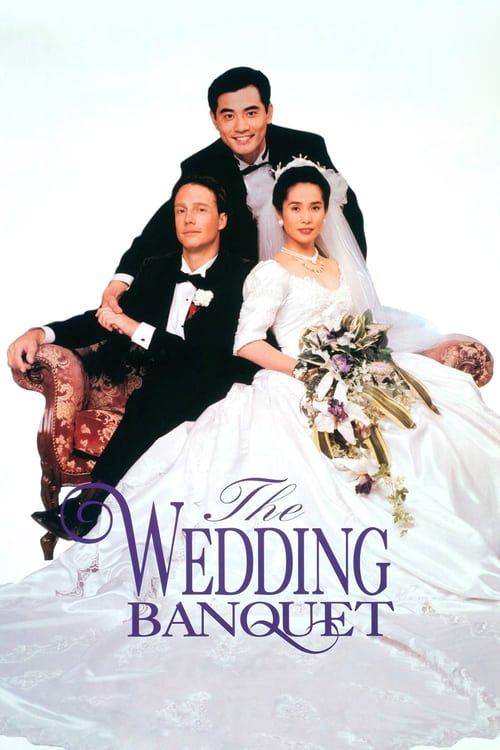
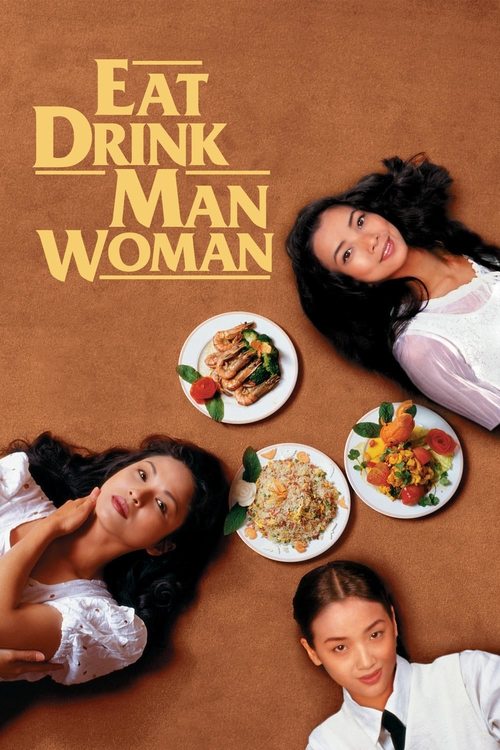
Lee's first three features, Pushing Hands, The Wedding Banquet, and Eat Drink Man Woman, are grouped as the Father Trilogy because each centers on a widowed Taiwanese father navigating the rupture between his expectations and his children's lives. They are low-budget, gentle, and sharply funny in ways his later work is not. They are also the films where his core argument first appears: that love expressed as duty is still love, even when it fails. Every subsequent film is in conversation with these three, no matter how far the genre travels.
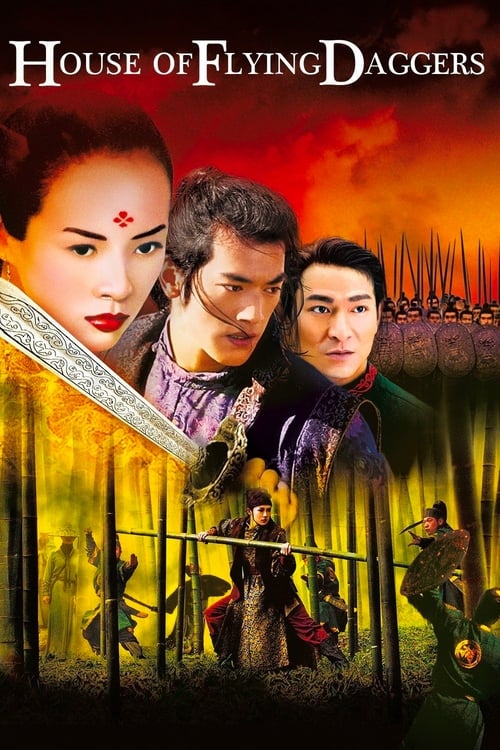
Crouching Tiger Is a Film About Women, Not Combat
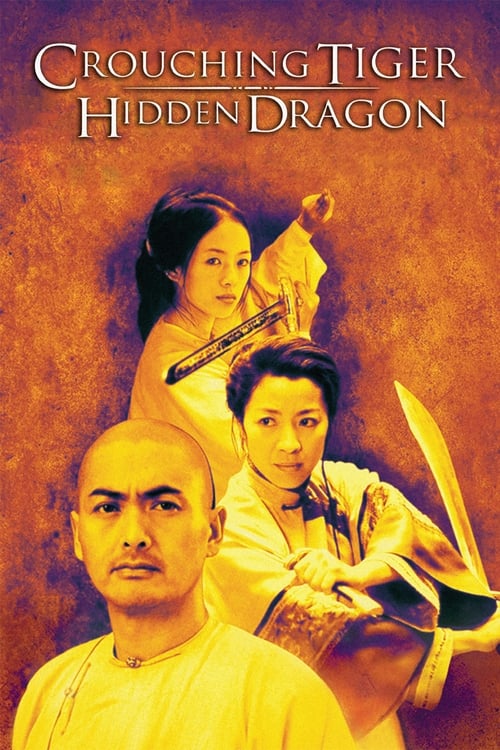
When Crouching Tiger, Hidden Dragon became a global phenomenon in 2000, many viewers latched onto the bamboo-forest duels and rooftop chases. Lee's actual subject is Yu Shu Lien and Jen Yu: two women of completely different generations, one who sacrificed desire for duty and one who refuses to, and the catastrophic way their worldviews collide. The action is gorgeous, but it is always in service of that argument. The film works as spectacle and as tragedy because Lee refuses to let you enjoy the spectacle without feeling the cost.
Brokeback Mountain Is Not a Gay Film, It Is a Film About Cowardice
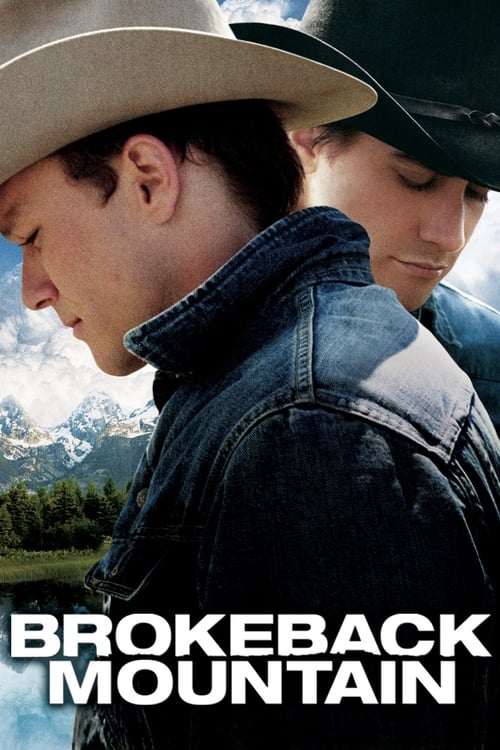
The film's lasting power comes from what Ennis Del Mar cannot bring himself to do. Lee frames homosexuality not as the dramatic problem but as the lens through which a very ordinary human failure, choosing safety over love, becomes unbearable to watch. Audiences who had never thought about queer experience recognized something in Ennis they had seen in a mirror. That universality is Lee at his most precise: he finds the particular detail that opens into something everyone knows about shame and self-defeat.

Life of Pi Asks a Question It Cannot Answer, and That Is the Point
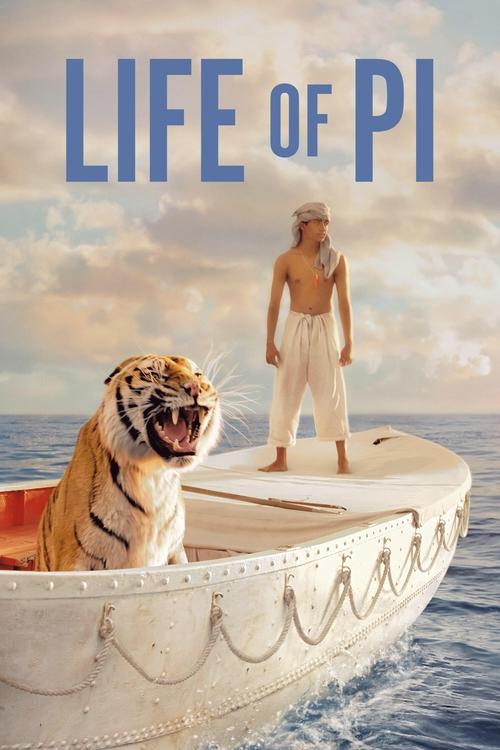
Lee adapted Yann Martel's novel at a time when most studios considered it unfilmable. The result is the only film in his catalogue where spectacle and metaphysics are genuinely equal partners. The tiger Richard Parker is both real and not real, both a coping mechanism and a companion, and Lee holds both readings simultaneously without collapsing either one. The film's final question, which story do you prefer, is also the question Lee asks of every audience: how much of what we call truth is the version of events we can survive believing.
Ang Lee: A Career in Turning Points
- 1992Debut with Pushing Hands, the first of the Father Trilogy Pushing Hands
- 1993The Wedding Banquet earns Oscar and Golden Bear nominations The Wedding Banquet
- 1994Eat Drink Man Woman cements his international reputation Eat Drink Man Woman
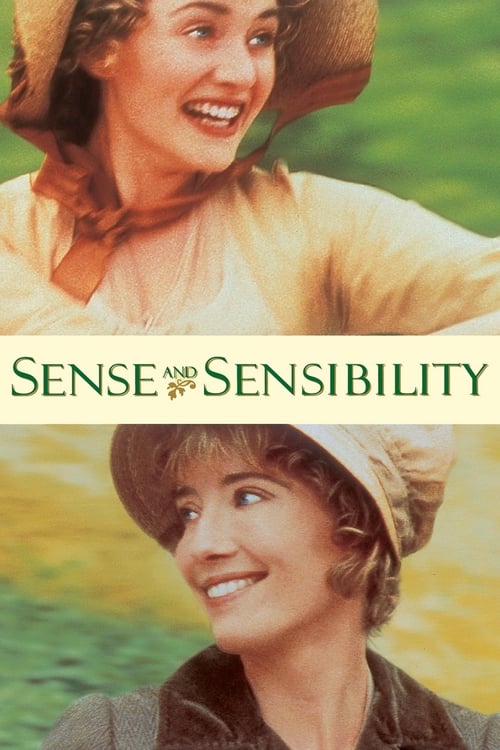
- 1995First English-language film, adapting Jane Austen for a global audience Sense and Sensibility
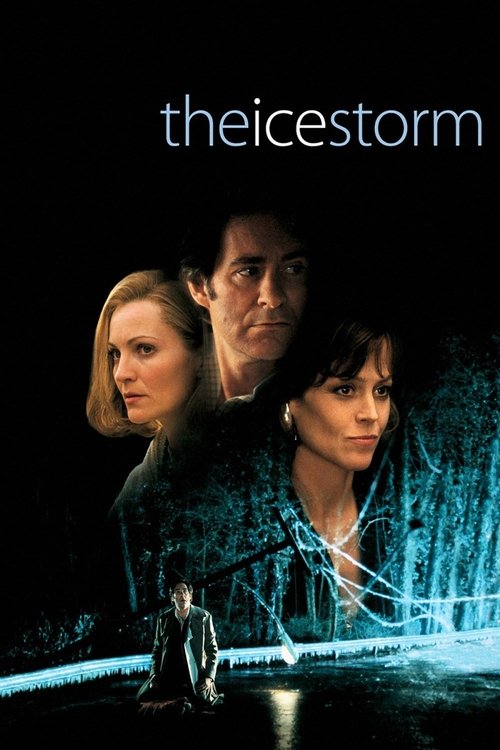
- 1997The Ice Storm: suburban Connecticut as emotional permafrost The Ice Storm
- 2000Crouching Tiger, Hidden Dragon wins four Oscars, changes world cinema Crouching Tiger, Hidden Dragon
- 2005Brokeback Mountain wins the Palme d'Or equivalent (Golden Lion) and three Oscars Brokeback Mountain
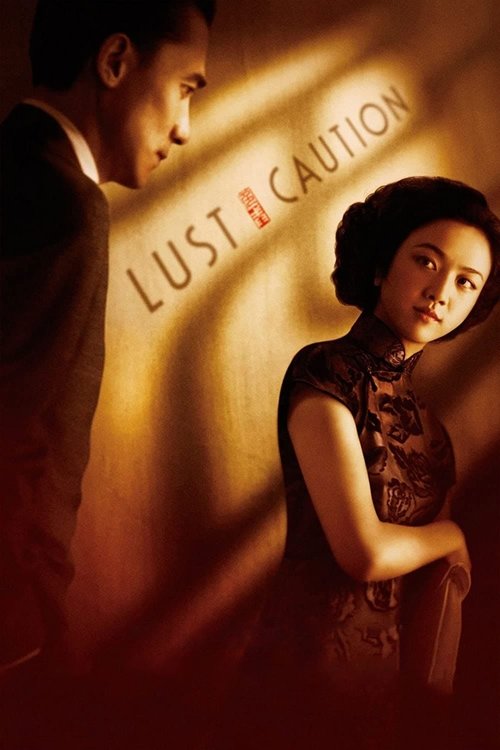
- 2007Lust, Caution wins Venice Golden Lion; the most controversial film of his career Lust, Caution
- 2012Life of Pi wins four Oscars including Best Director; global box office hit Life of Pi
- 2016Billy Lynn's Long Halftime Walk shot at 120fps: a technical gamble on the future of cinema Billy Lynn's Long Halftime Walk
More intimate epics and Lee's films
For Fans of Brokeback Mountain
Explore the For Fans of Brokeback Mountain guide →I never feel at home in one culture. I am always the outsider looking in, whether in Taiwan or America. That sense of not belonging is the only thing I know how to make films about.Ang Lee