
The house that Christie built for herself
Agatha Christie spent years planning Crooked House before she wrote a word of it. In the foreword to the 1949 first edition she was unusually candid: "This book is one of my own special favorites. I saved it up for years, thinking about it, working it out, saying to myself: one day, when I've plenty of time, and want to really enjoy myself, I'll begin it." She wrote elsewhere that of five books written, only one was real pleasure. This was the one.
The novel is a standalone, with no Poirot and no Miss Marple. Charles Hayward, a former intelligence officer, is in love with Sophia Leonides and wants to marry her. Sophia will not say yes until the murder of her grandfather Aristide, poisoned in his own wing of Three Gables, is solved. The Leonides family is enormous, eccentric, and entirely contained within one irregular house built by joining several older structures together: a house that is, architecturally and morally, crooked. Christie used that claustrophobic single setting to do something she rarely attempted: a portrait of a family as a closed ecosystem, every member plausible as the killer, the solution withheld until the final pages and then delivered as a genuine blow.
The story traveled slowly across media. Television passed on it for decades (perhaps understandably: the twist requires a child, and the ending is genuinely bleak). A BBC Radio 4 dramatization came in 2008. The first film adaptation did not arrive until 2017, nearly 70 years after publication. That gap reflects, more than anything, how seriously uncomfortable this book actually is.
Crooked House across the decades
- 1949Agatha Christie publishes the novel Crooked House
- 2008BBC Radio 4 dramatization by Joy Wilkinson, starring Rory Kinnear and Anna Maxwell Martin
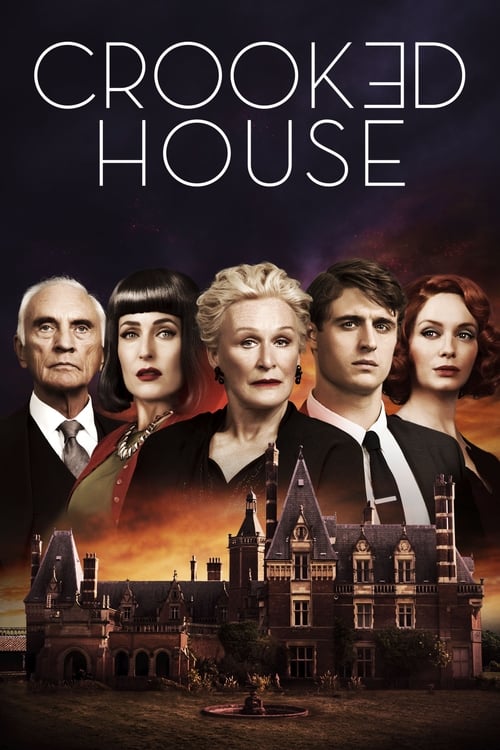
- 2017First theatrical film, directed by Gilles Paquet-Brenner, screenplay by Julian Fellowes Crooked House
The definitive version is still the novel
Christie wrote this for herself, and it shows on every page. The first-person narration by Charles keeps the reader exactly as informed as he is (which is not very), while Sophia's family performs its dysfunction in full view. The solution lands hard precisely because Christie has spent the entire book making you suspect everyone else. No screen version can replicate the experience of reading those final pages alone at night, when there is no one left to blame and no comfort offered.

The 2017 film is underseen and worth your time
Gilles Paquet-Brenner's film arrived the same week as Kenneth Branagh's glossy Murder on the Orient Express and was promptly buried. That is unfair. Glenn Close and Gillian Anderson are superb, Julian Fellowes's screenplay keeps the period setting and the bleak ending intact, and the production design is quietly excellent. It is a more faithful adaptation than most Christie novels receive, colder in tone than the genre usually allows, and it earns that cold ending.
The radio version deserves more attention than it gets
Rory Kinnear and Anna Maxwell Martin bring real weight to Charles and Sophia in Joy Wilkinson's BBC Radio 4 dramatization. Radio suits this story well. The creaking grandeur of Three Gables does not need to be seen to be felt, and a cast of voices in a family house produces exactly the claustrophobic effect Christie was after. If you have read the novel and want to return to the story without watching the film, this is the version to choose.
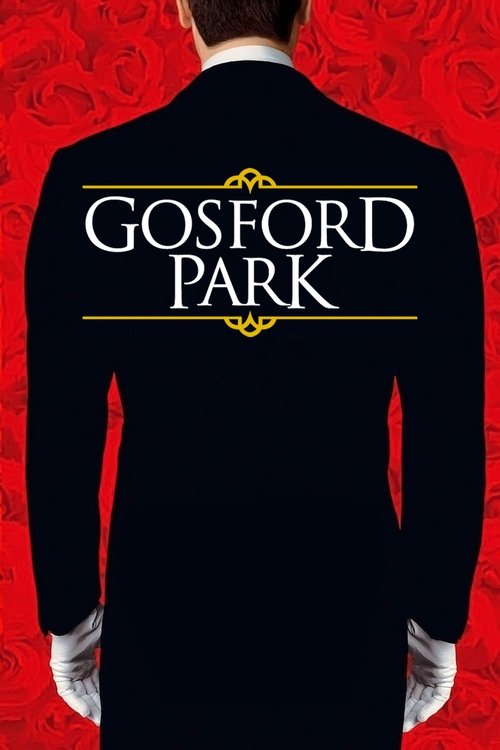
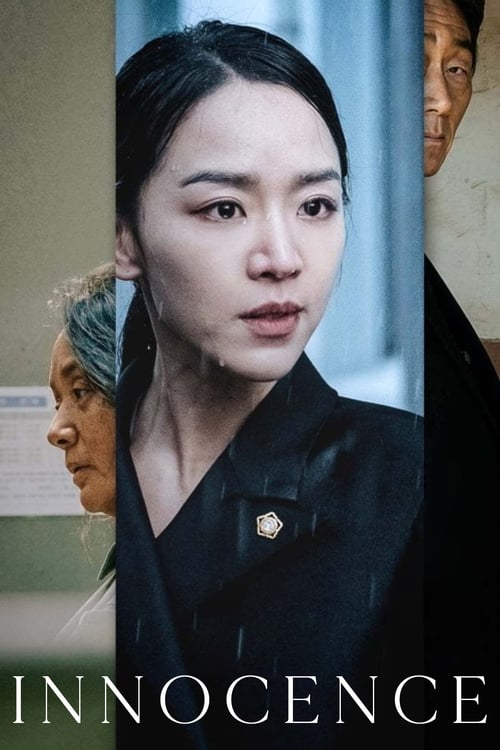
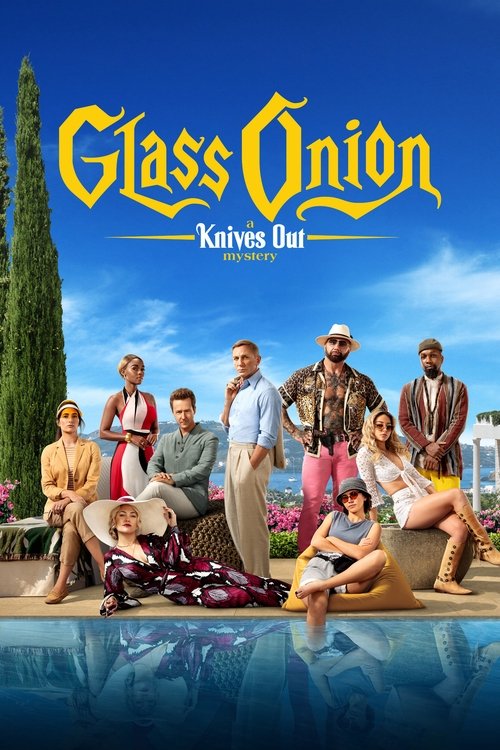
If you love Crooked House: contained family mysteries
A single location, a dead patriarch, and a household full of suspects


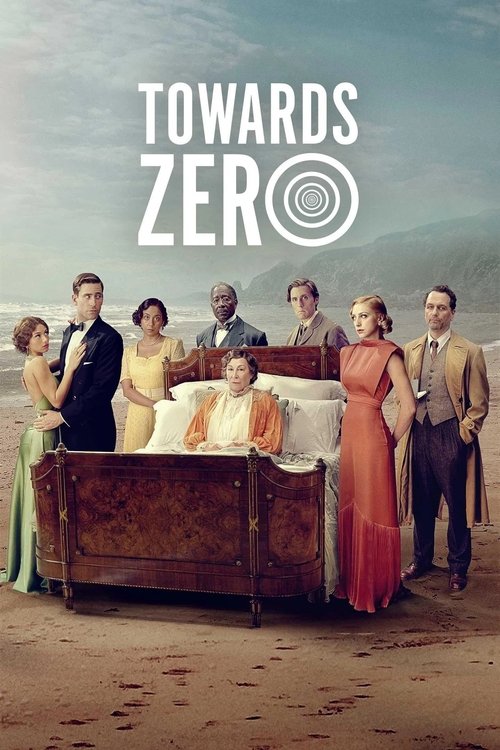
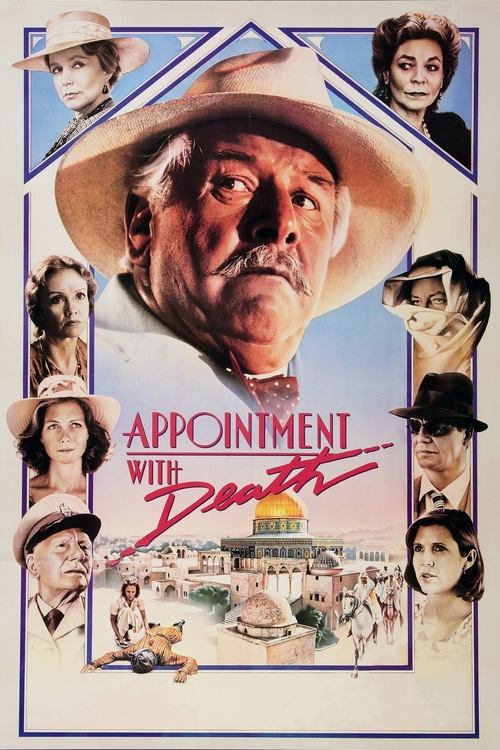
If you love Crooked House: dark Christie adaptations
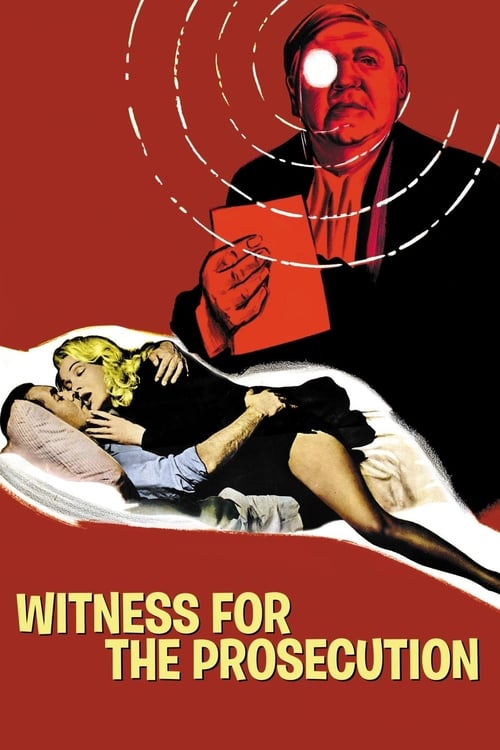
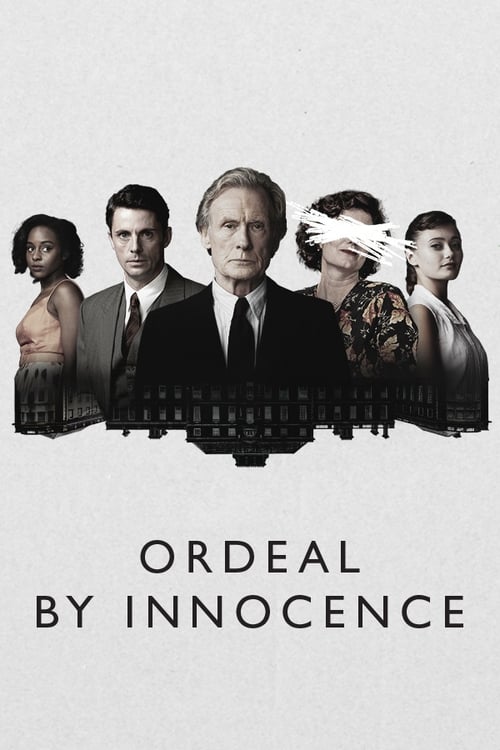
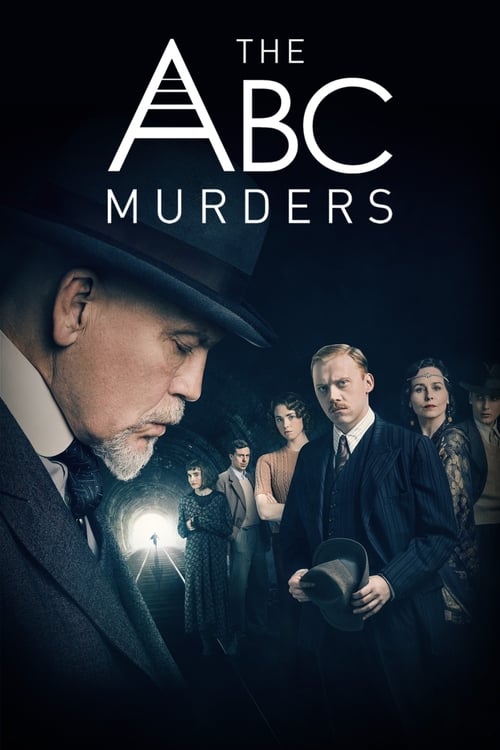
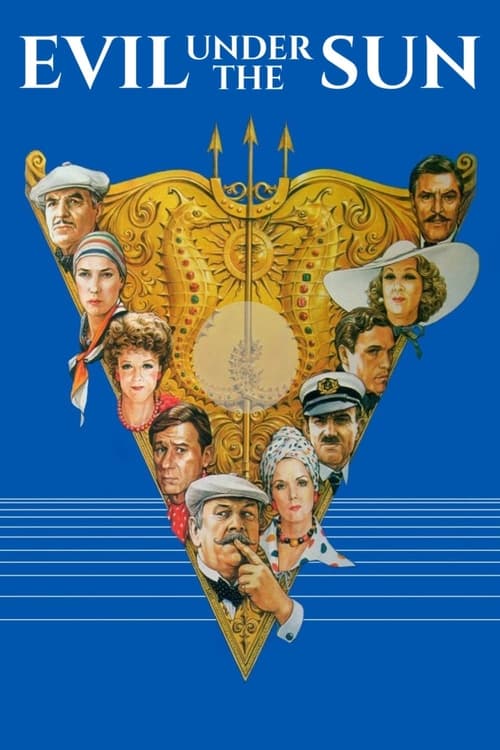
Christie without the comfort, where the solution brings no relief
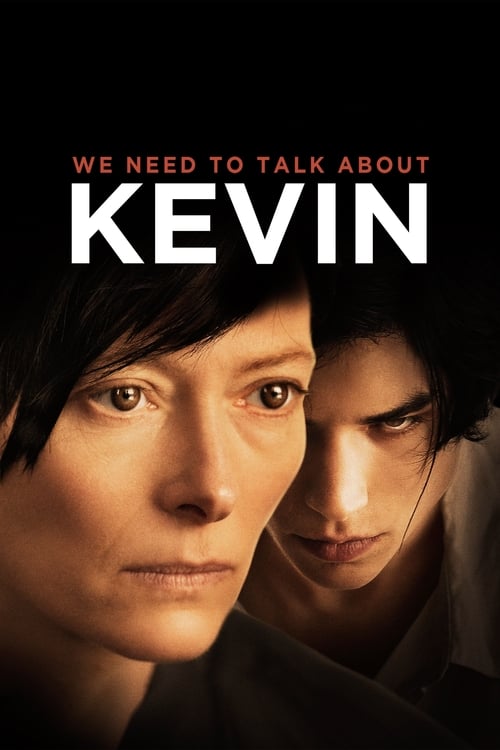
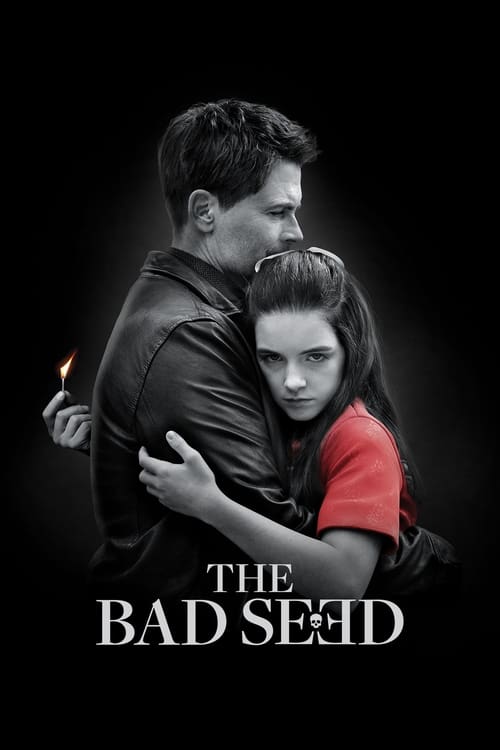
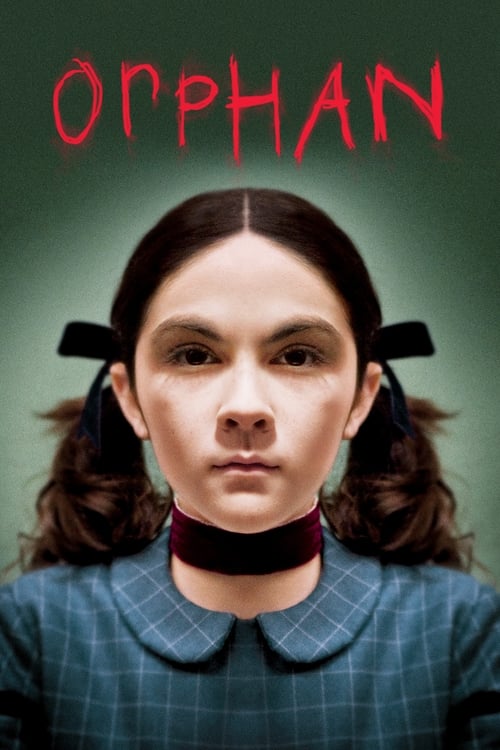
If you love Crooked House: the dangerous child in fiction
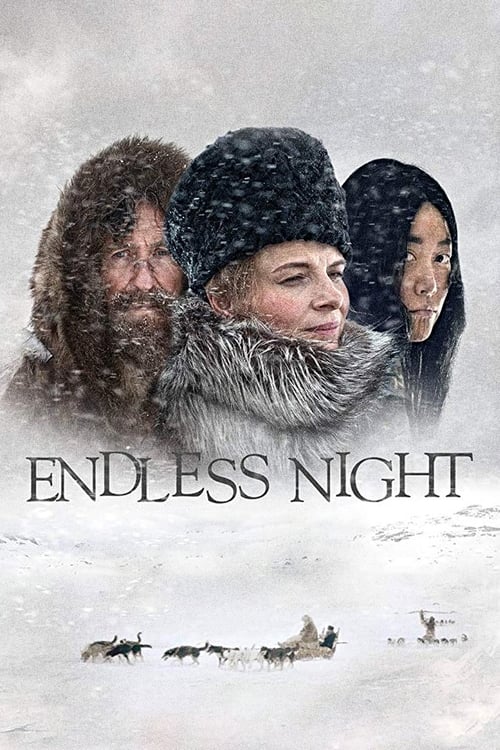
Stories where the most unsettling character is the youngest one in the room


If you love Crooked House: post-war English unease
The English country house after 1945, when the old order had become strange to itself
More Agatha Christie and detective mysteries
For Fans of Agatha Christie
Explore the For Fans of Agatha Christie guide →This book is one of my own special favorites. I saved it up for years, thinking about it, working it out, saying to myself: one day, when I've plenty of time, and want to really enjoy myself, I'll begin it.Agatha Christie, foreword to Crooked House (1949)