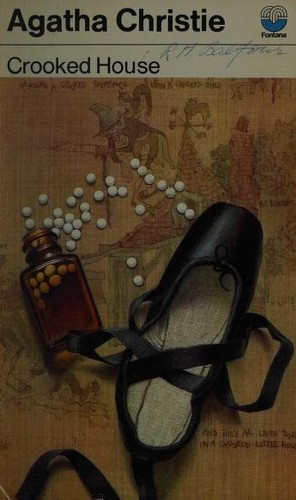

Agatha Christie built her world on a deceptively simple promise: every clue is in plain sight, yet the solution blindsides you completely. Her 66 novels and 14 short-story collections span drawing rooms, Orient Express compartments, Nile steamers, and English village fetes, but the real terrain is interior: the psychology of motive, the gap between what people say and what they need, and the quiet ruthlessness hiding behind good manners. Whether it is Hercule Poirot applying his 'little grey cells' or Miss Marple mapping a murderer against a familiar village type, Christie's genius is structural. She plays fair and still cheats your expectations every time. If you love the sensation of being outsmarted by a puzzle that felt solvable, this guide follows that pleasure across every medium.
Essential Agatha Christie
Her own most essential novels and story collections, in the order a new reader should approach them.


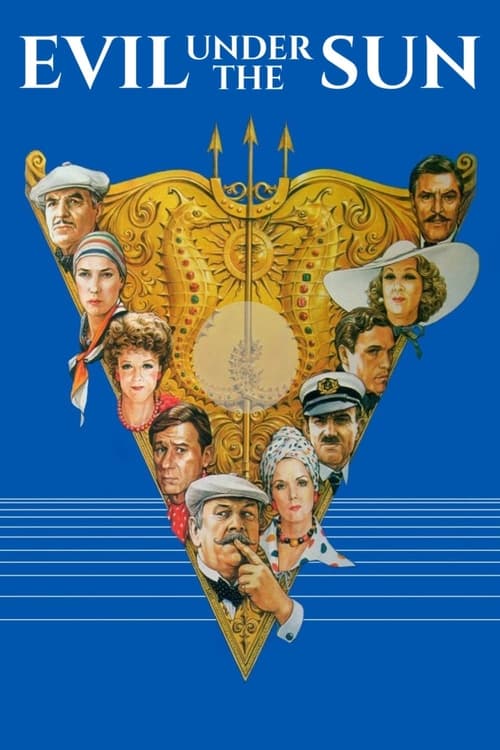
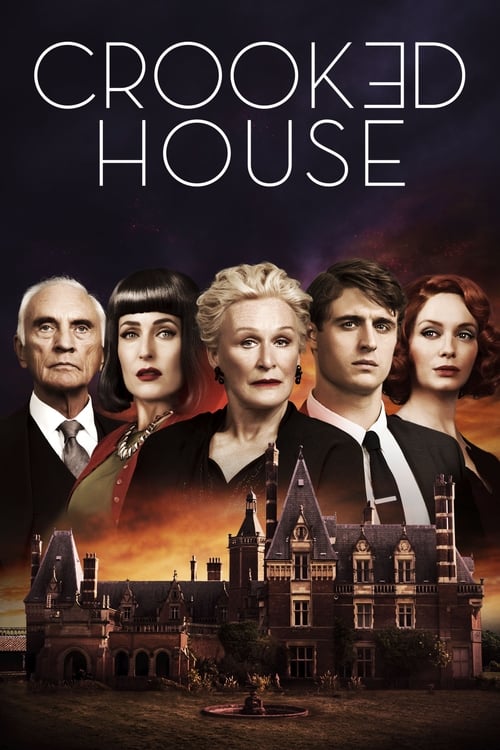
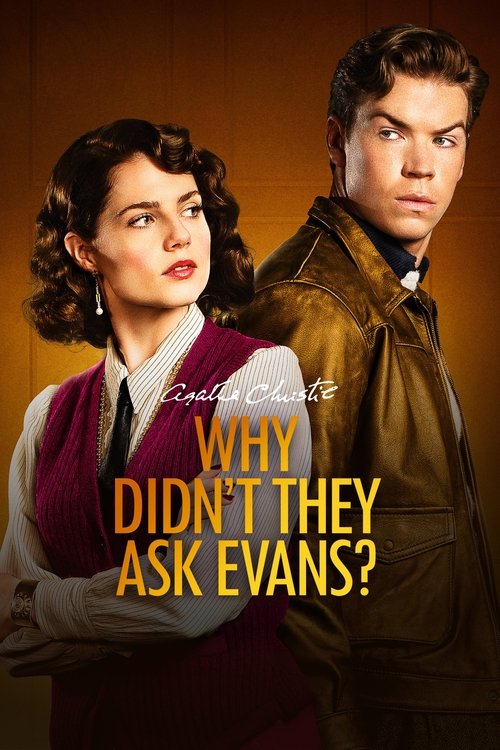
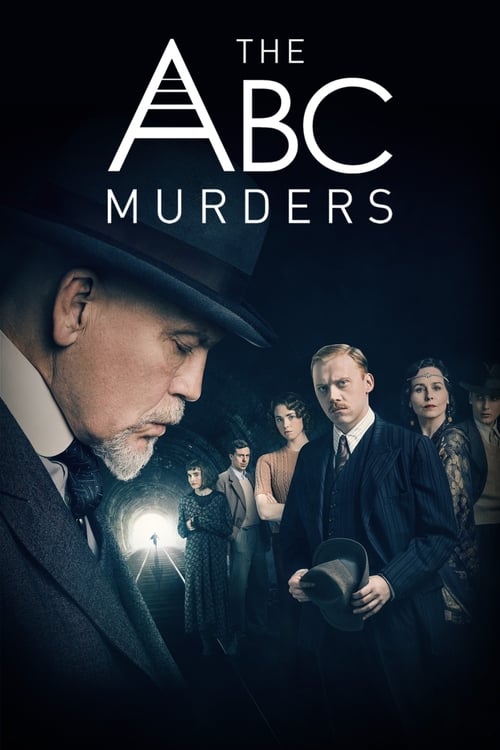
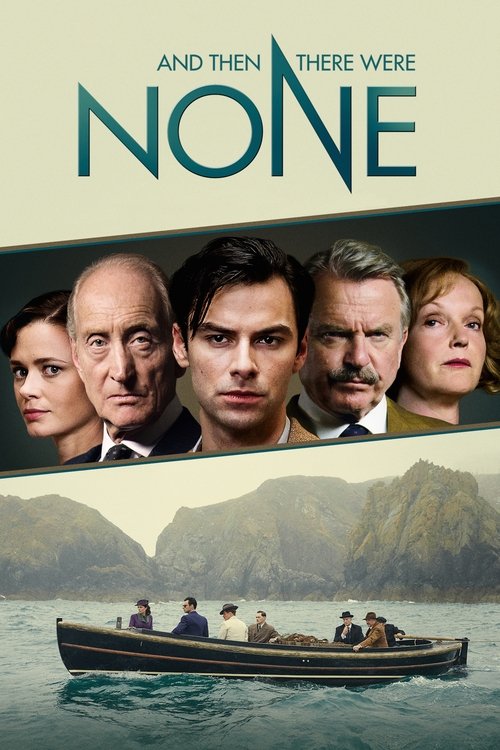
Christie on Screen
The best film and television adaptations that capture her puzzle-box spirit.
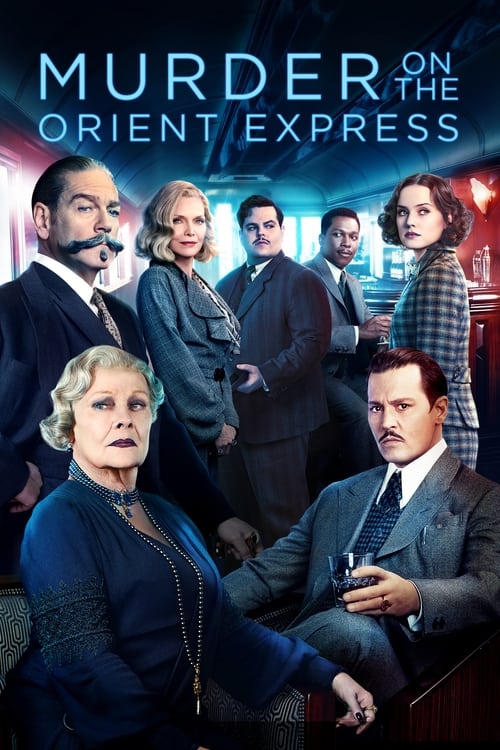
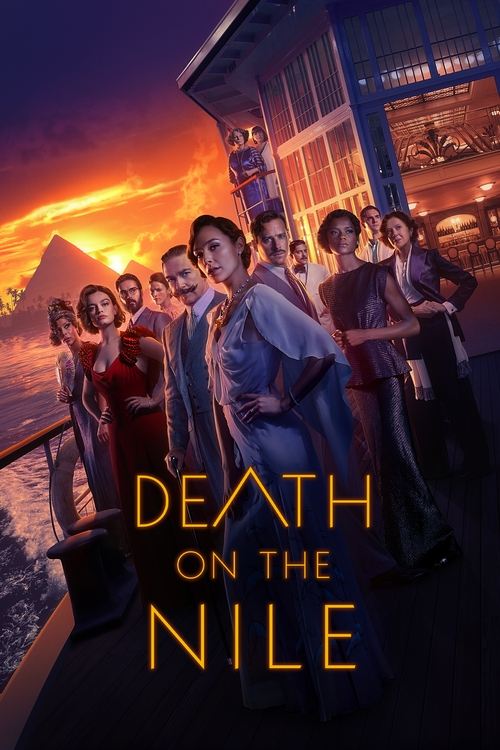

The Same Sharp Logic: Fellow Golden Age Writers
Authors who share Christie's commitment to fair-play detection and psychological precision.


Modern Heirs to the Puzzle
Contemporary novels that carry Christie's DNA forward: the closed circle, the concealed narrator, the satisfying snap of revelation.


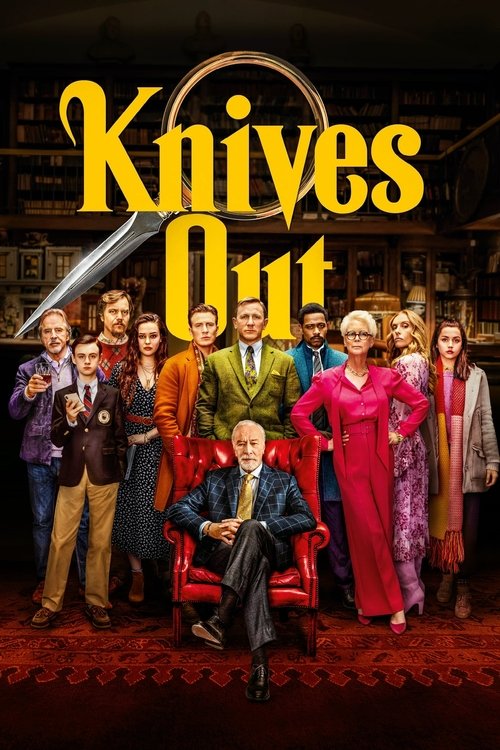
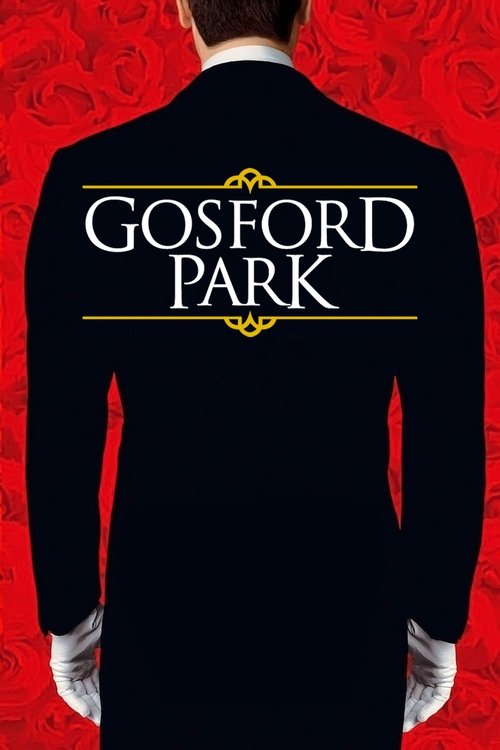
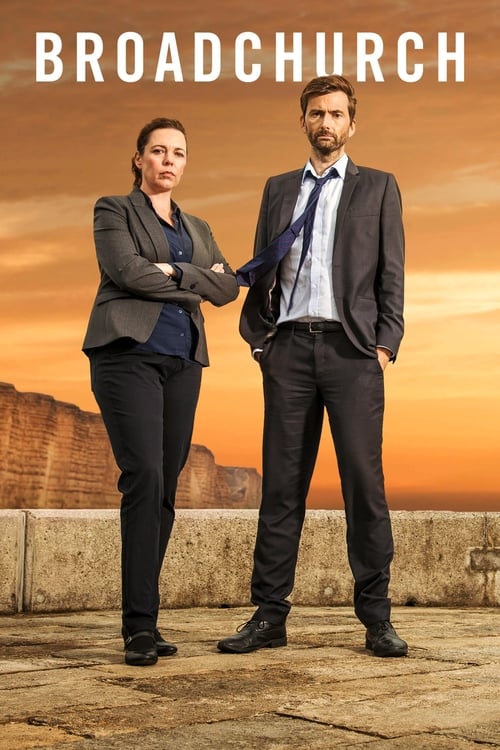
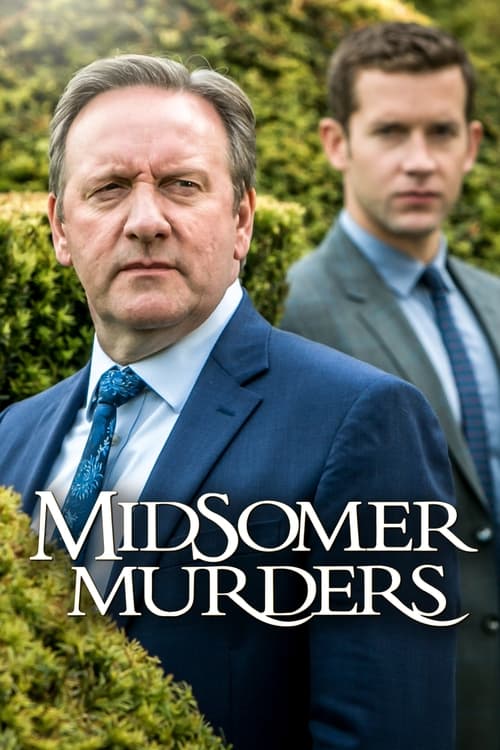
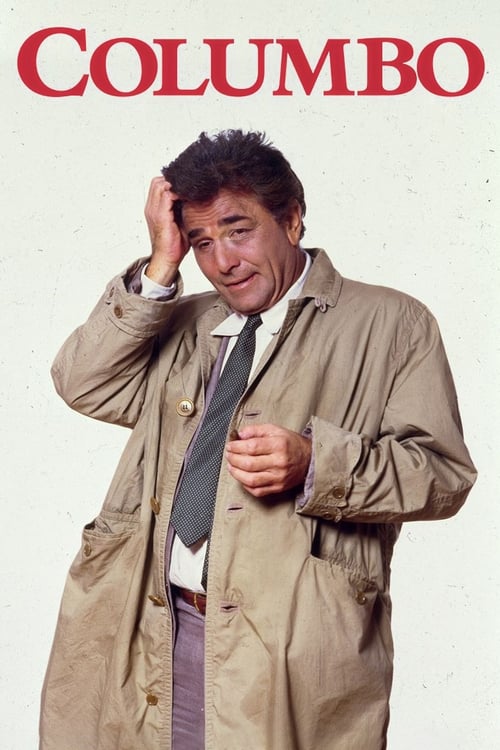
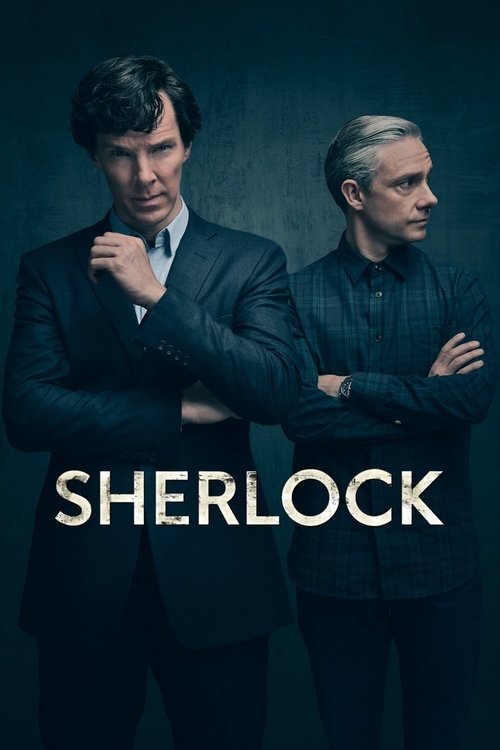
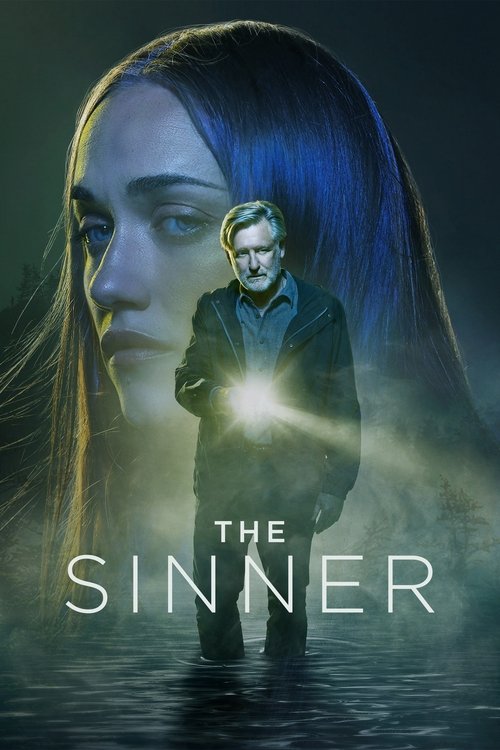
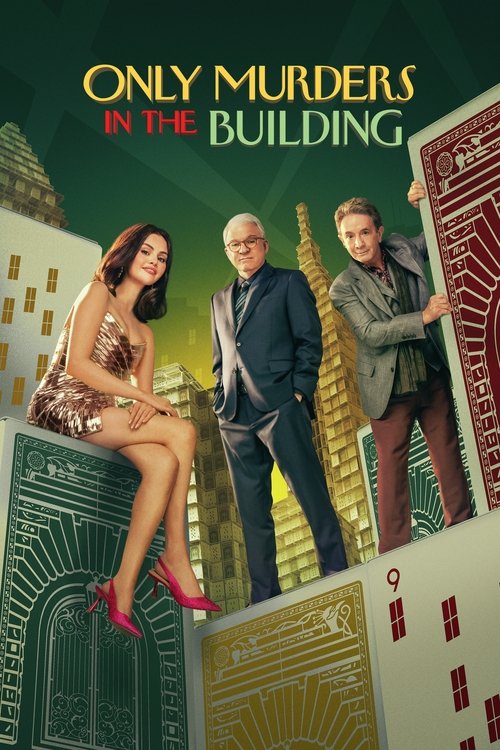
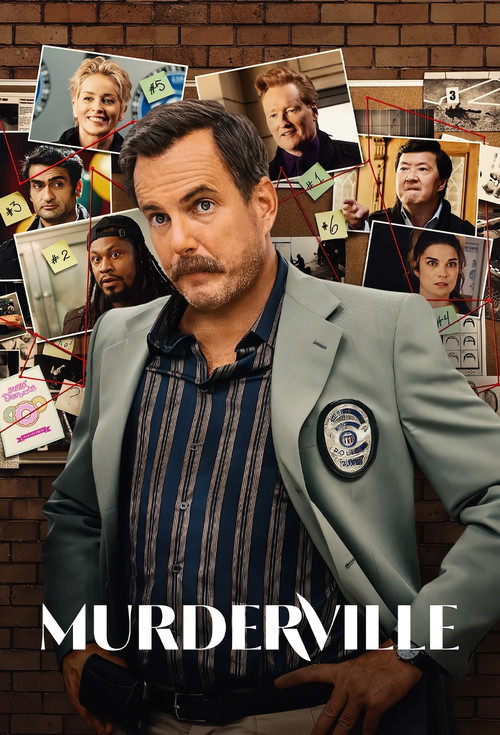
Films and Series with the Same Puzzle Energy
Screen stories built on the closed-circle mystery, the unreliable narrator, or the shock-revelation Christie perfected.

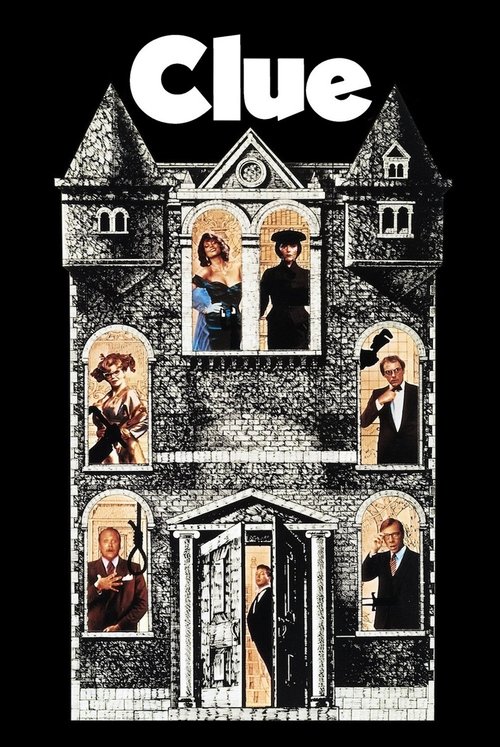
Games That Reward the Same Brain
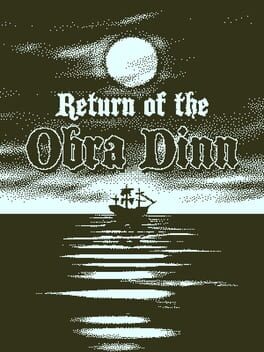
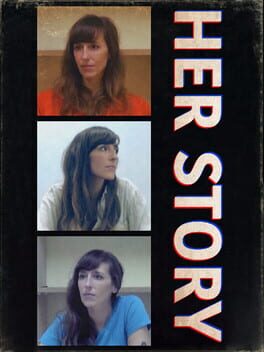
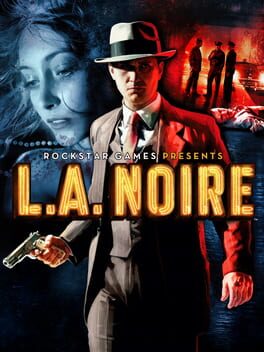
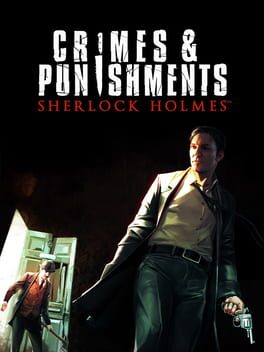
Games built on deduction, evidence, hidden information, and the satisfying snap of a correct accusation.
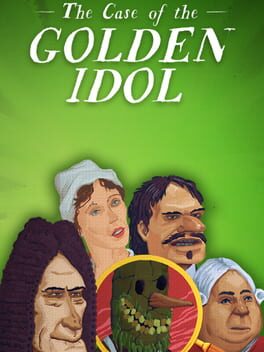
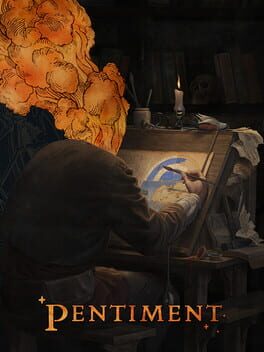
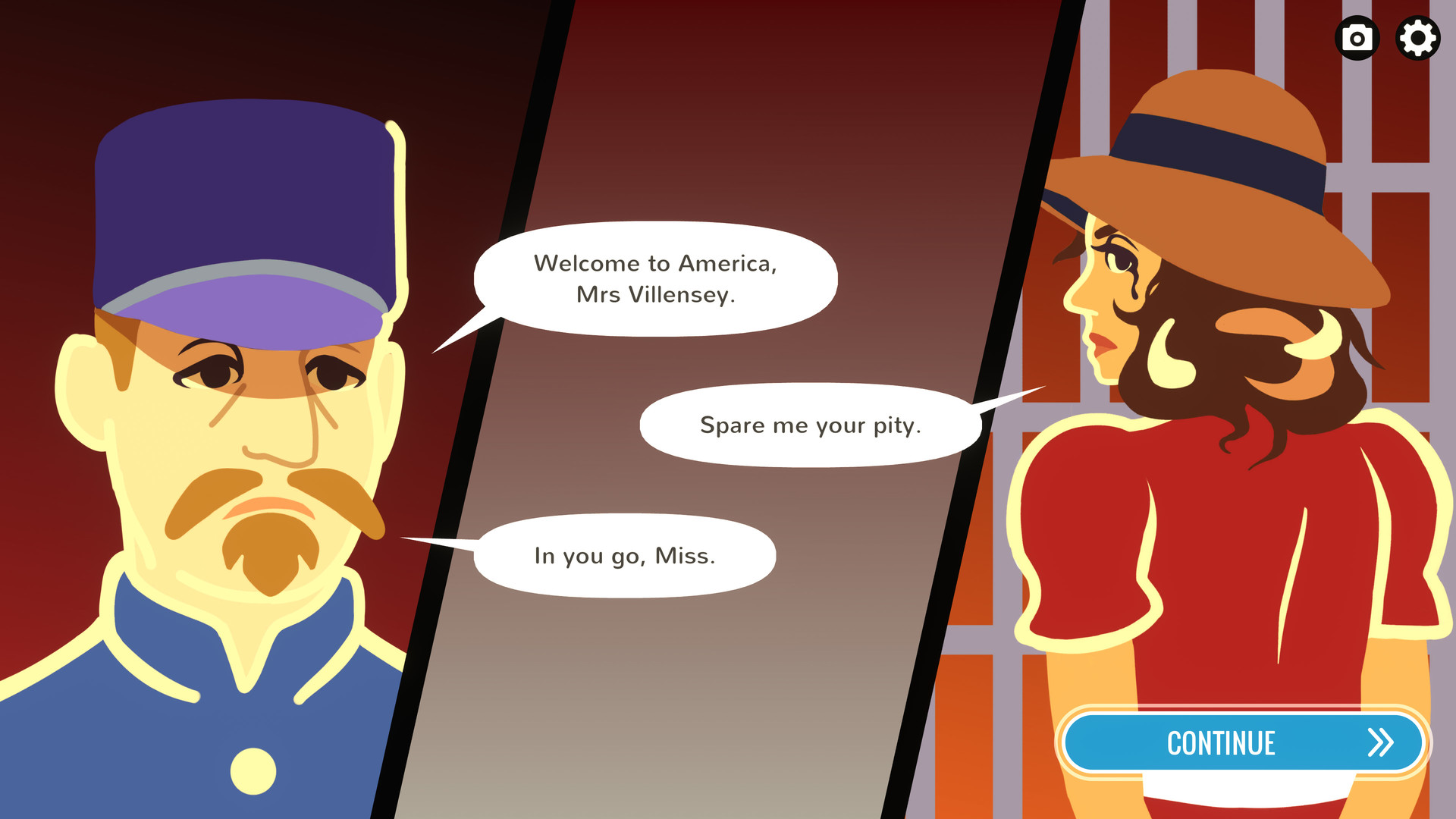
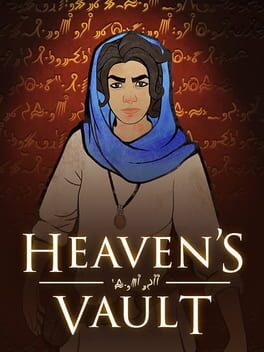
The Twist That Changes the Story You Already Read
Christie did not invent the mystery novel, but she redefined what a twist could be. 'The Murder of Roger Ackroyd' (1926) is the clearest proof: the revelation does not just surprise you, it forces an immediate re-reading of every prior chapter with completely new eyes. That retroactive reframing, where the solution changes the story you already finished, became the template for a century of puzzle fiction. 'Knives Out' and 'The Seven Deaths of Evelyn Hardcastle' owe their structures directly to this move. What Christie understood is that fair-play and shock are not opposites. The clues must be real, placed without trickery, and the reader must feel, on reflection, that they could have seen it. The genius is making that feel impossible while it is happening.
Miss Marple Knows More Than She Lets On
Miss Marple is often underestimated, including by the other characters in her novels, and that is precisely the point. Christie built her as a deliberate counterweight to the brilliant eccentric detective (Poirot, Holmes, Wimsey): Marple's method is analogy, mapping the current crime onto a remembered figure from her village. The insight is sociological rather than forensic. She understands that human nature repeats, that the cruel person in a London murder and the spiteful shopkeeper in St Mary Mead are the same type. 'A Murder Is Announced' and 'The Mirror Crack'd from Side to Side' are her finest hours: slow, domestic, and then suddenly precise as a scalpel.

'And Then There Were None' Is the Template for Survival Horror
Before slasher films, before battle-royale games, Christie wrote a story in which ten strangers are trapped on an island and killed one by one. 'And Then There Were None' (1939) is the most-sold mystery novel in history, and its influence is structural rather than superficial. The diminishing group, the growing paranoia about who among the survivors is the killer, the island as inescapable stage: these are now genre furniture in games like 'Among Us' and films like 'Ready or Not'. Christie's version is still the leanest and most ruthless, with a final-chapter solution that remains genuinely audacious 85 years later.
Poirot Is About Order Against Chaos
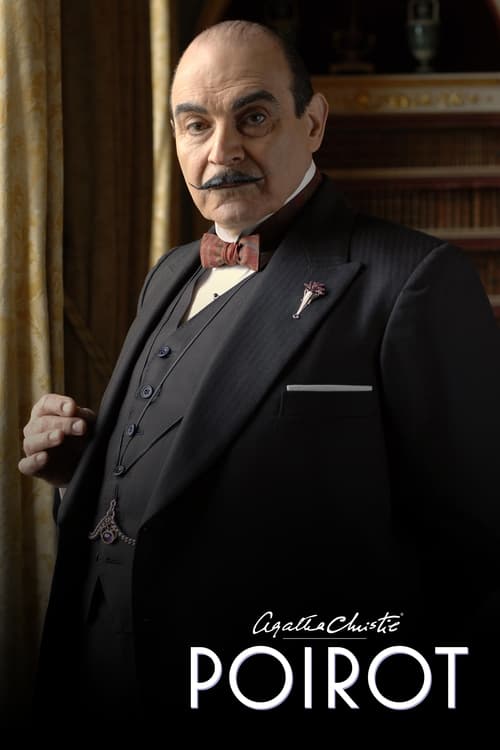
Hercule Poirot is not a hero of action but of thought, and his defining characteristic is not brilliance but order. His personal tidiness, his discomfort with any asymmetry, his careful arrangement of the facts: these are not quirks but a philosophy. Christie built him during and after the First World War, and his faith that logic can restore pattern to a shattered scene is the faith of someone who lived through chaos. The David Suchet television series (1989-2013) remains the best single adaptation of any Christie property because it understood this: Suchet's Poirot is not comic relief, he is a man with a genuine belief that reason is sufficient. 'Five Little Pigs' and 'Curtain' show Christie taking that belief seriously enough to test it to its limits.
Christie's Career in Milestones
- 1920First novel published, introducing Hercule Poirot The Mysterious Affair at Styles
- 1926The most controversial mystery ever written The Murder of Roger Ackroyd
- 1930Miss Marple's debut, in a village that reflects all of humanity The Murder at the Vicarage
- 1934The novel that made the Orient Express a byword for murder Murder on the Orient Express
- 1939The best-selling mystery novel in history, still unsurpassed for structural audacity And Then There Were None
- 1952The stage play that would become the longest-running in history
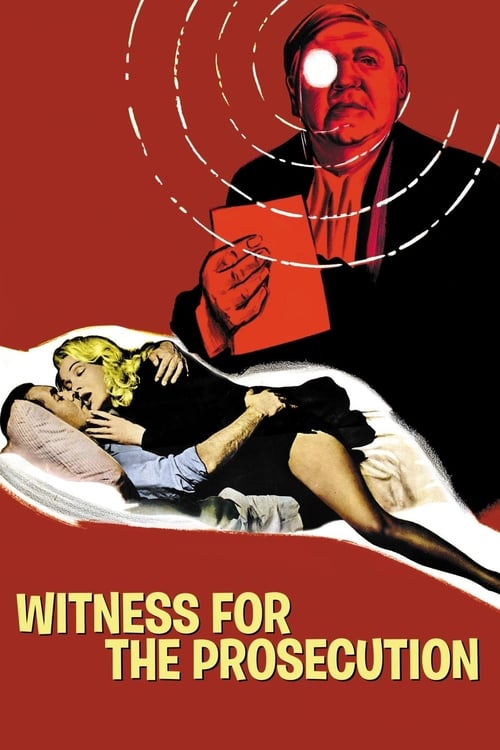
- 1957Billy Wilder's Oscar-winning courtroom adaptation Witness for the Prosecution
- 1974Poirot's final case, written in the 1940s and held until Christie's death was near Curtains
Puzzles, twists, classic whodunits
For Fans of Murder Mystery
Explore the For Fans of Murder Mystery guide →The impossible could not have happened, therefore the impossible must be possible in spite of appearances.Hercule Poirot, in 'Murder on the Orient Express'