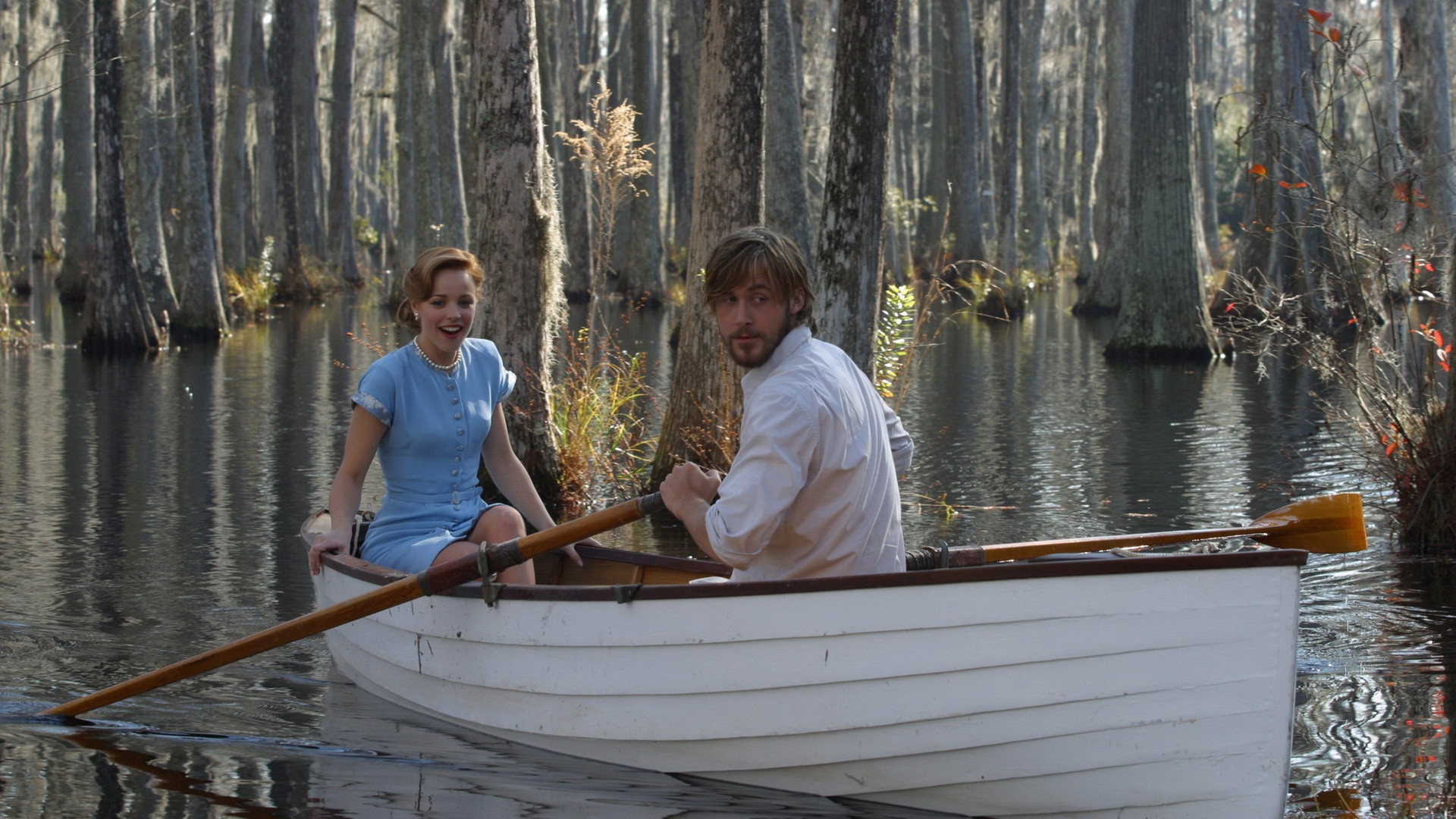

A letter that became a movie that became a cultural shorthand
Nicholas Sparks published Dear John in 2004, the story of a US Army soldier and a college student who fall in love over a single spring break, then try to hold their relationship together through years of deployment correspondence. The novel leaned on something older than itself: the "Dear John letter," a piece of American military slang dating at least to World War II, describing the letter a soldier receives from a partner back home ending the relationship. Sparks borrowed that cultural weight and turned it inside out, making the letter not the villain but the wound around which two people struggle to grow.
The book sold steadily inside Sparks's established readership but became a genuine cultural event only when Lasse Hallstrom directed the film adaptation in 2010. Starring Channing Tatum and Amanda Seyfried at the height of their early-career appeal, the film grossed over 114 million dollars worldwide against a 25 million dollar budget and briefly topped the US box office, displacing Avatar. Unlike some Sparks adaptations that spin off sequels or franchise extensions, Dear John has remained a two-item catalogue: the source novel and its single film. There is no authorised TV series, no game, no stage musical. What it has instead is an outsized cultural footprint, a specific moment in the 2000s romantic drama cycle, and a clean, undiluted story that works the same way in both versions.
Dear John Across the Years
The novel is the more complete version of this story
The film compresses and softens the novel in ways that make it more palatable and less interesting. Sparks's book has a harder moral centre: the complication involving John's father and the choices Savannah makes are given room to breathe and feel genuinely painful rather than bittersweet. The 2010 film is well-crafted and easy to watch, but readers who come to it after the novel often feel the emotional logic was smoothed out for a wider audience. Start with the book.

The film is the one most people actually mean
When someone references Dear John in a conversation about romantic films, they almost always mean the 2010 movie. Tatum and Seyfried have real chemistry, Hallstrom keeps the pace honest, and the film captures the specific early-2000s military-romance tone better than almost anything else in the genre. It is not a great film by any demanding critical standard, but it does exactly what it sets out to do, and it does it without embarrassing itself. That is harder than it looks in this genre.

If You Love Dear John: Military Romance Across Media
Stories of love strained by distance, duty, and war
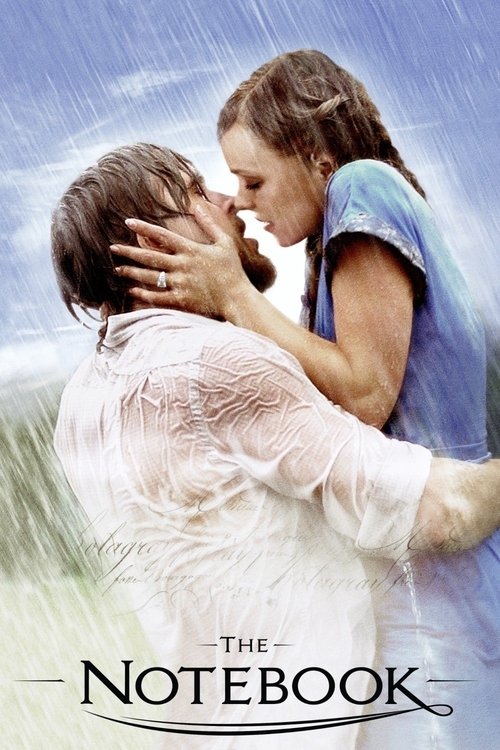



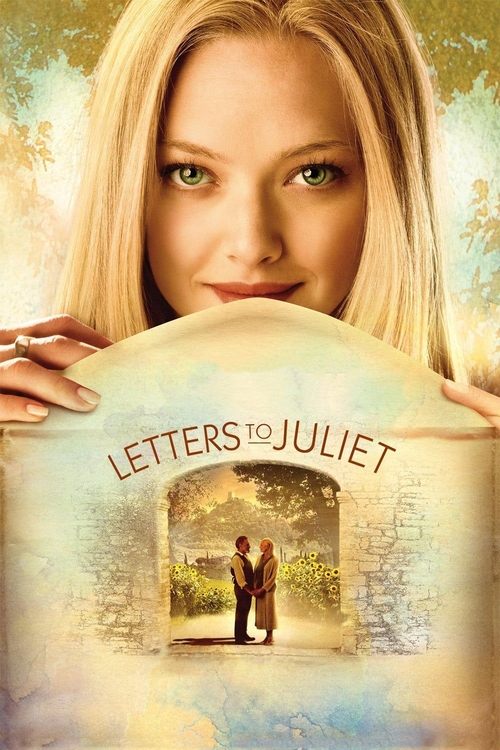
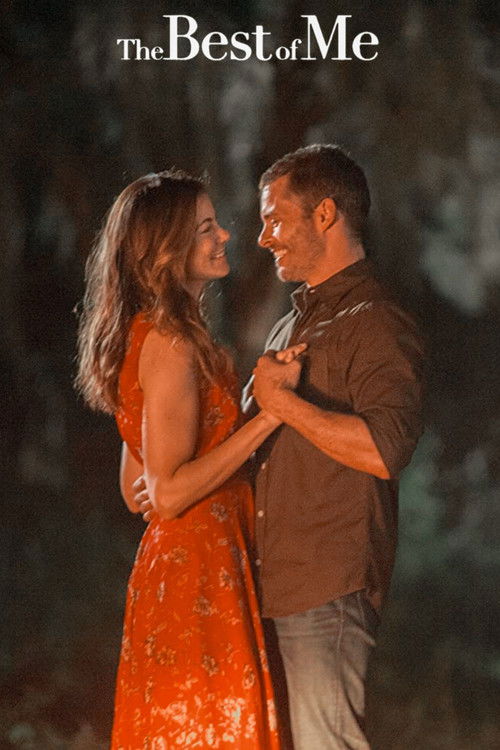

If You Love Dear John: The Nicholas Sparks Shelf
The source novels behind the adaptations


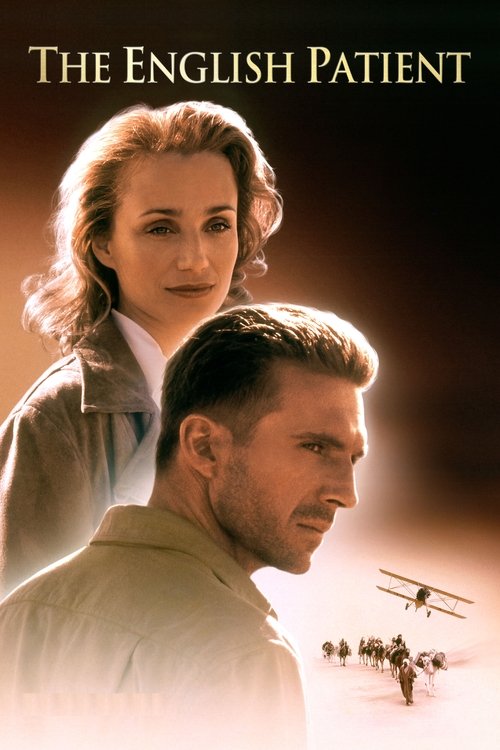
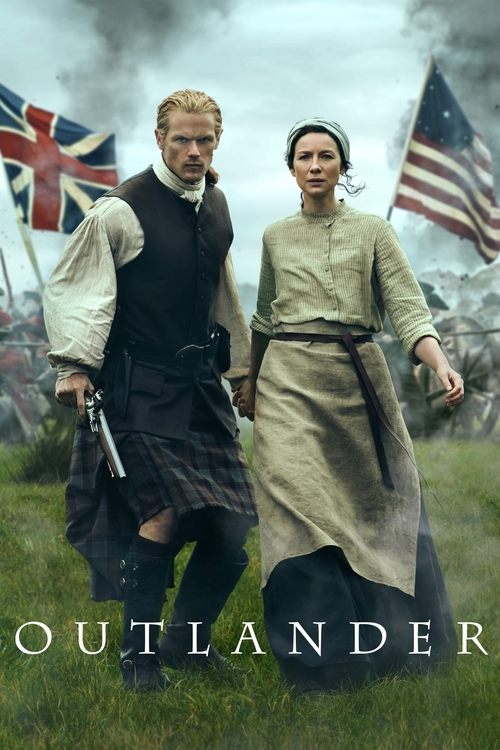
If You Love Dear John: Wartime Letters and Long-Distance Love
Books, films and series about relationships tested by separation


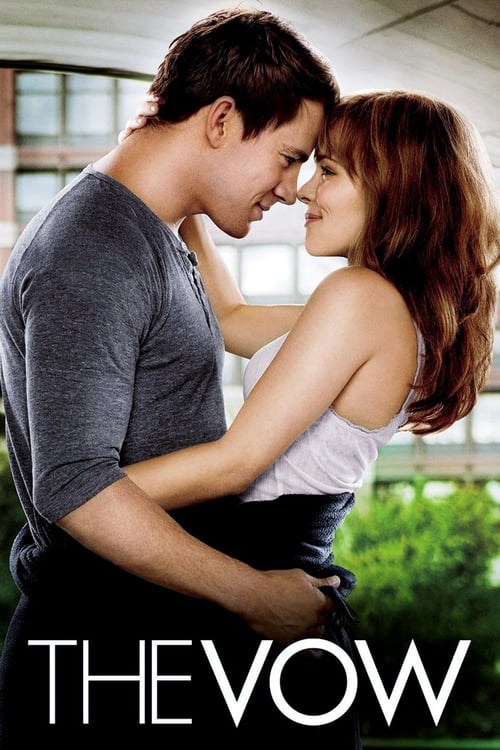
If You Love Dear John: Young Adults in Love Across Distance
Romance stories where geography and time are the antagonists