
Memory is not a recording. It is a story we tell ourselves, revised constantly, edited by desire and shaped by fear. The stories on this page know that. They build worlds out of the question of what remains when everything familiar is taken away, and the answer they keep arriving at is the same: a person without a past is not nothing. They are something new and dangerous, a self stripped of its scaffolding.
The genre stretches from Hitchcock's couch to Christopher Nolan's backwards VHS tape to a survival horror corridor lit by a single lantern. What connects them is not the mechanism of forgetting but the sensation: that pit-of-the-stomach vertigo when the ground you thought was solid turns out to be story you told yourself and half-believed.
Essential memory stories
The films, shows and games that built the genre

The one that reinvented the grammar of forgetting
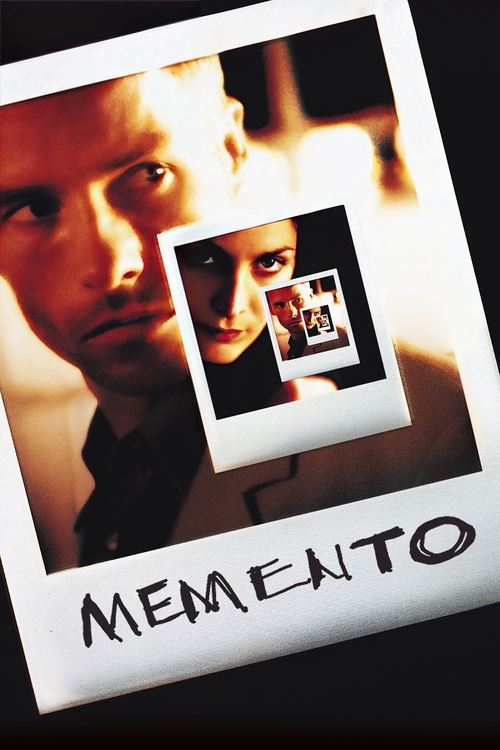
Memento does not just use amnesia as a plot engine; it restructures the whole film around the experience of having no short-term memory. You watch it the way Leonard lives it: each scene arrives with no context, each revelation undoes what you thought you knew. Nolan could have told the story chronologically and simply had a clever thriller. Instead he committed to the formal trick completely, which is why it still plays as fresh as it did in 2000. Nobody before or since has been so literal about putting the audience inside the condition.
Identity lost and found
The action and thriller films built on a blank-slate self

Two kinds of forgetting
The genre splits cleanly into two camps, and the best works tend to know which one they are in.
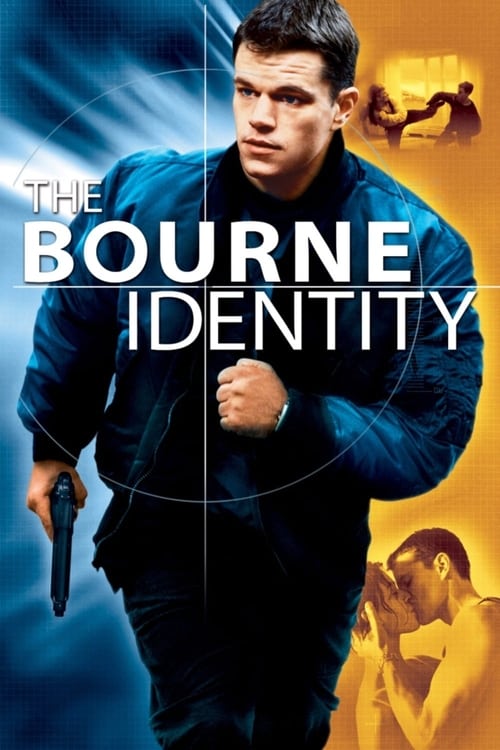
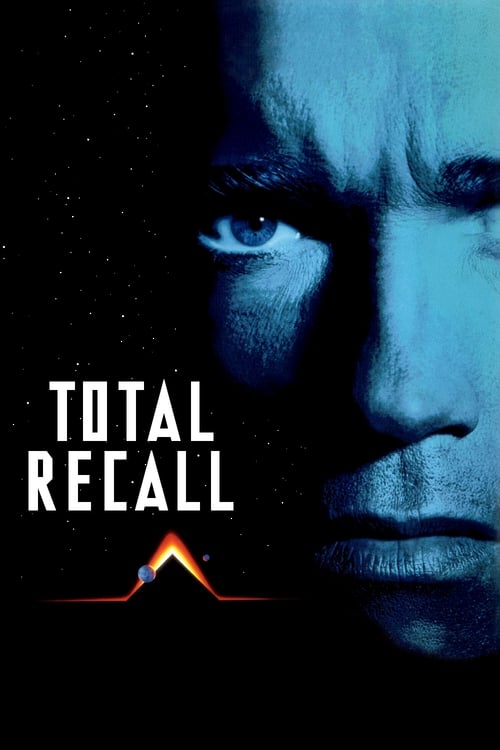
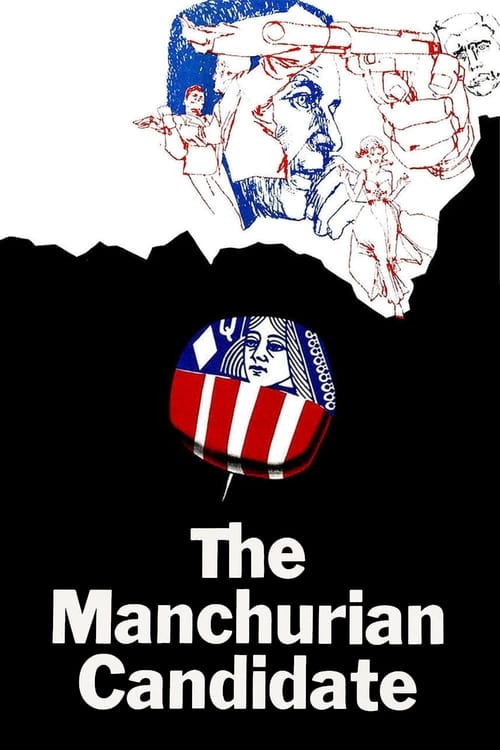
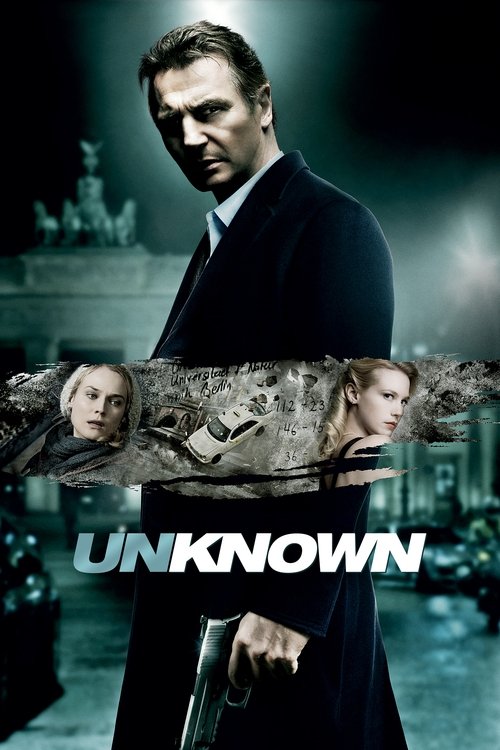
The first camp is the thriller camp: memory is taken from a character by violence, experiment or technology, and the story is about recovering it or surviving without it. The Bourne Identity, Total Recall, The Manchurian Candidate all live here. The self is a resource that other people want to control, and the plot is a fight over it.
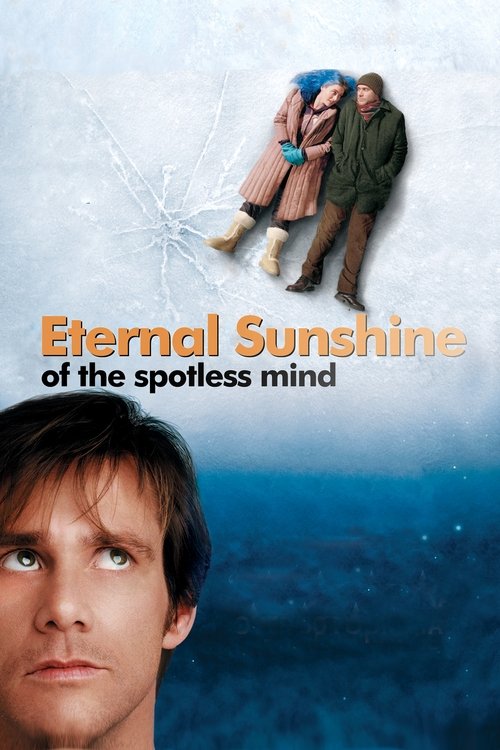
The second camp is quieter and weirder. Eternal Sunshine of the Spotless Mind, Severance, Planescape: Torment: these ask not what happens when memory is stolen but what happens when it is voluntarily surrendered, or when the self that does the forgetting turns out to be a stranger to the self left behind. This camp is not about recovery. It is about whether there is a self to recover at all.
When memory is the enemy
The stories where forgetting is a gift, a choice, or a design



Television found the creepiest angle
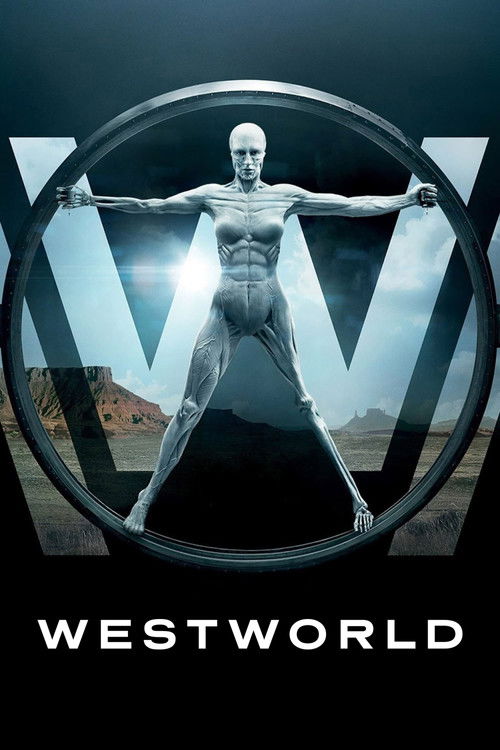
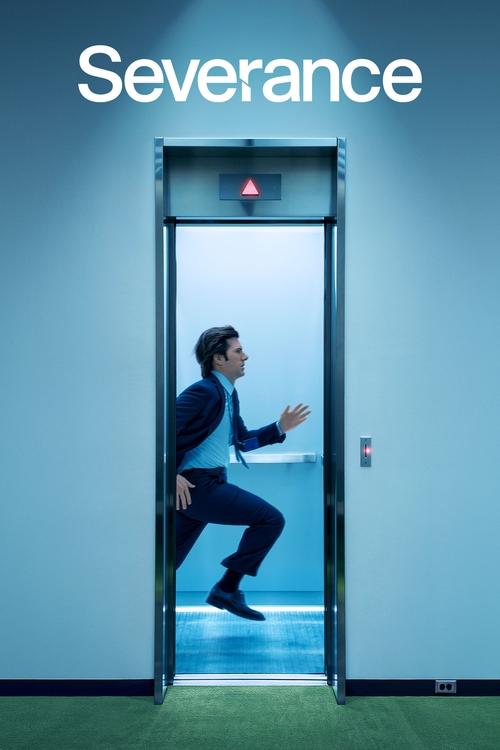
Severance takes the premise of voluntary memory partition and puts it inside the bleakest possible institution: a mid-century corporate campus where your work-self literally does not know your home-self exists. The horror is not that the surgery was done without consent; it is that it was done with consent, enthusiastically, by people who had reasons that seemed sensible at the time. Westworld runs a parallel argument about hosts whose memories are wiped between loops, and what happens when one of them starts to remember. Both shows understand something that film rarely has time to develop: that the real terror of amnesia is not forgetting who you were. It is meeting who you are now, with fresh eyes, and not being sure you like them.
The small screen, the blank slate
Series that made memory loss into long-form dread


The game that asked the hardest question
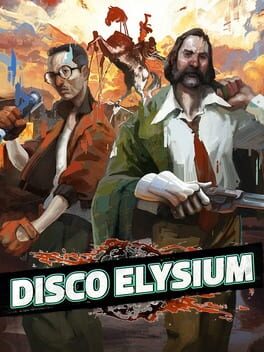
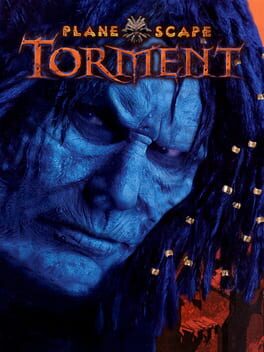
Planescape: Torment opens with a question: what can change the nature of a man? Its amnesiac protagonist, the Nameless One, has lived and died so many times across so many bodies that he can no longer find the thread connecting them. Each past version of himself left traps, gifts and enemies for whoever woke up next. The game is formally about recovering memory, but what it keeps insisting on is that the memories, when recovered, do not add up to anything stable. There is no original self underneath. There are just layers, all the way down. No game before or after has pushed the concept into philosophical territory so uncomfortable, or so honest.
Games of memory and self
The medium that let you live inside the condition
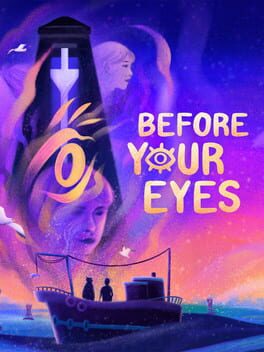
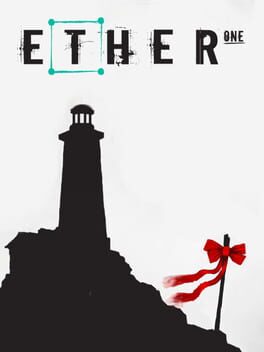
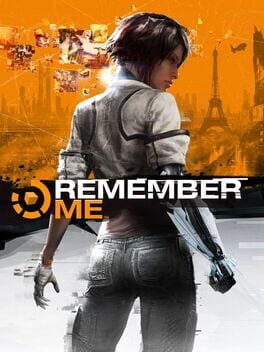
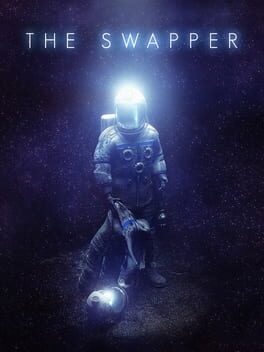


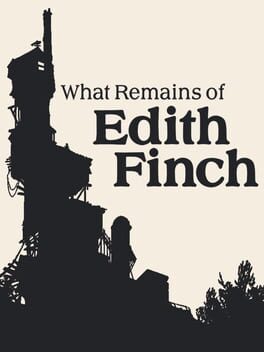
We are the sum of everything we remember. Take away the memories, take away identity. Leave it there. What you have left is not nothing. It is something stranger and more dangerous: a self without a story.On what remains when the record is wiped
On the page
Novels built on unreliable narrators who cannot trust what they remember


The book shelf
The Bourne Identity (the Ludlum novel) is the thriller bedrock: Bourne waking on a fishing boat with no name and bullet wounds in his back is one of the purest amnesia-genre setups in print. The Curious Incident is a different kind of memory story: Christopher Boone remembers everything in perfect detail but cannot read the social context around what he remembers, which makes his narration unreliable in a way that has nothing to do with forgetting. Atwood's Alias Grace turns unreliable memory into a legal question: did Grace Marks do what she says she cannot remember? Nabokov's Speak, Memory goes in yet another direction, recovering the past through prose instead of losing it, and The Secret Diary of Laura Palmer reconstructs the memory of a dead girl from journal fragments, which is the Twin Peaks method.
SJ Watson's Before I Go to Sleep and Keyes's Flowers for Algernon are both missing from the catalog in book form. Both are landmark works. Find them in a library.
The fractured mind on film
Older and deeper cuts, from Hitchcock to the 2000s