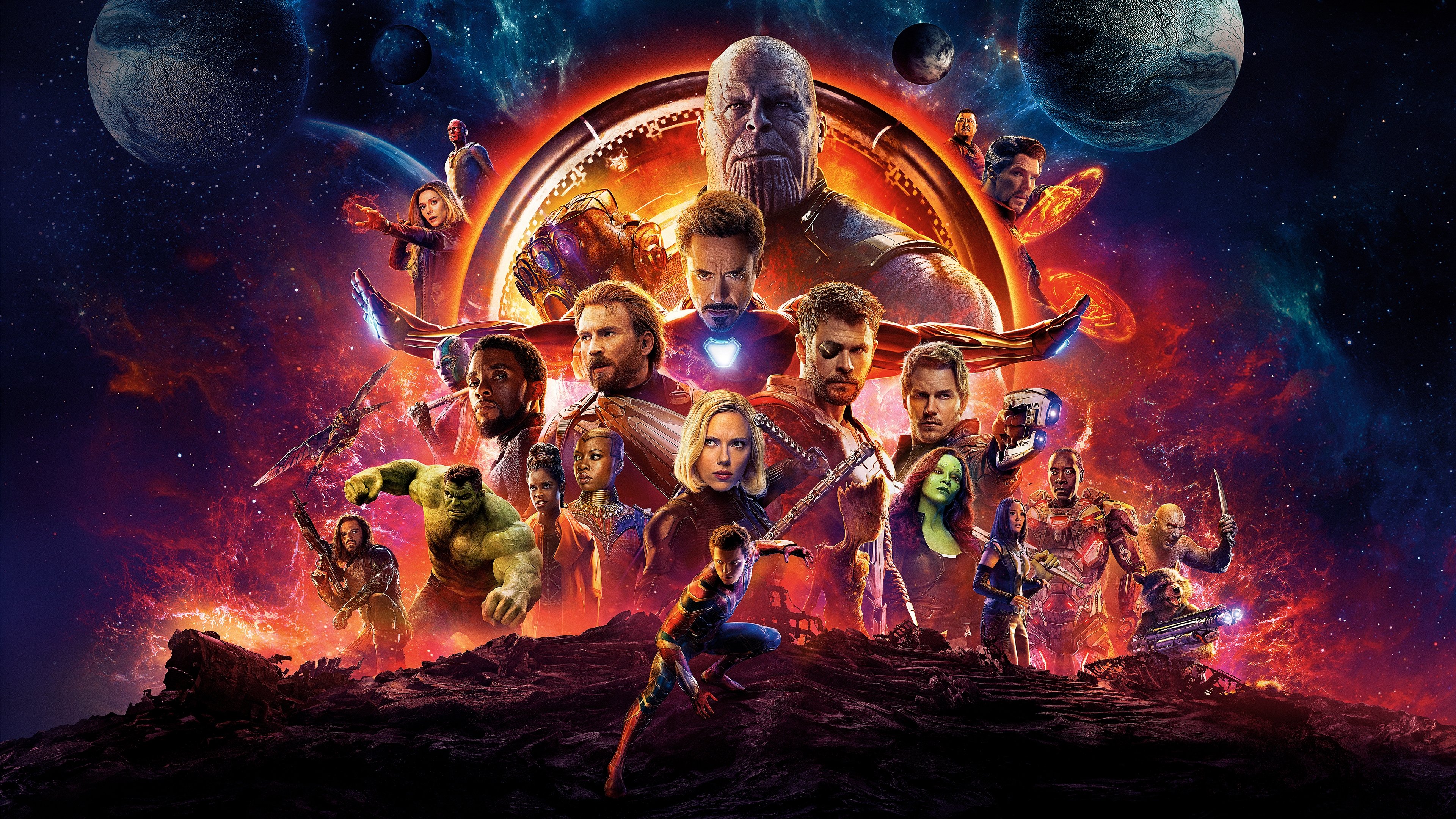

A Throwaway Comic That Conquered Pop Culture
The original Guardians of the Galaxy debuted in Marvel Super-Heroes #18 in 1969, created by Arnold Drake and Gene Colan. That team, set in the 31st century, had almost nothing in common with the group most people know today. It was a cult oddity, revived intermittently over the decades, before writer Dan Abnett and artist Andy Lanning essentially invented the modern version in 2008 as part of Marvel's post-Annihilation cosmic line. Their run assembled the ragtag crew, the raccoon, the walking tree, the tape deck, and the tone of gleeful irreverence that would define everything that followed.
When James Gunn adapted the comics for Marvel Studios in 2014, almost nobody expected it to work. Peter Quill, Gamora, Drax, Rocket, and Groot were the least-known property in the MCU at that point. The film's enormous success, built on character chemistry and an audacious needle-drop soundtrack strategy, turned a second-tier comic book into the emotional backbone of the entire Infinity Saga. The story has since moved through sequels, a holiday special, video games, animated series, and a vast library of comics, all orbiting the same core idea: that broken, lonely people can become a family.
Every Version of Guardians of the Galaxy
The source comics, films, TV series, games, and specials
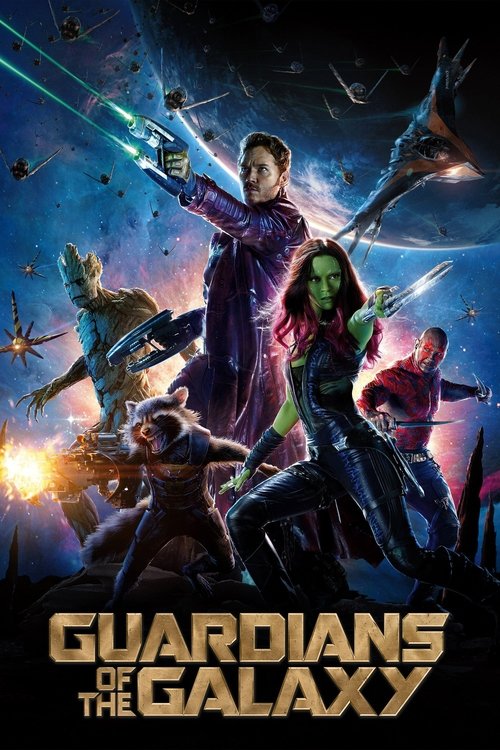 Guardians of the Galaxy
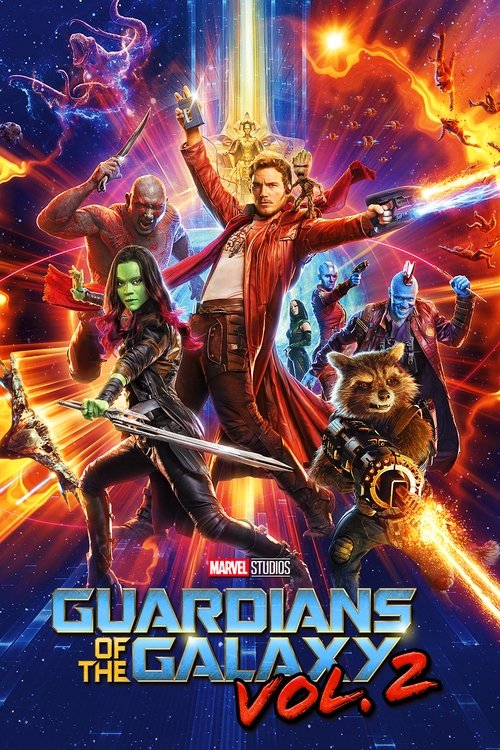 Guardians of the Galaxy Vol. 2
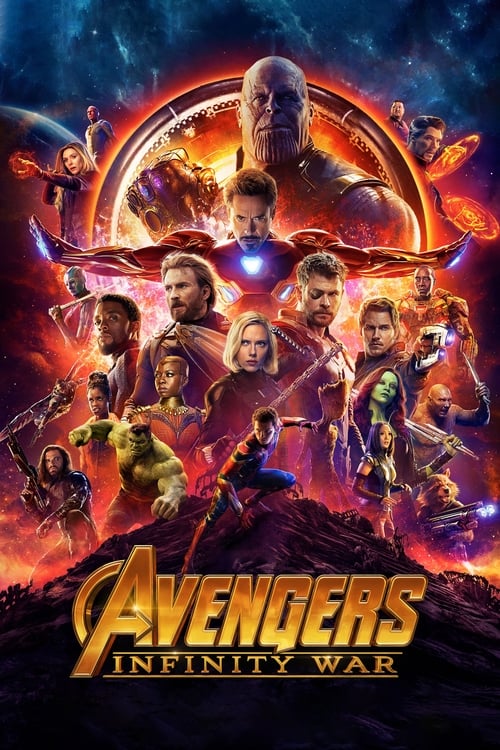 Avengers: Infinity War
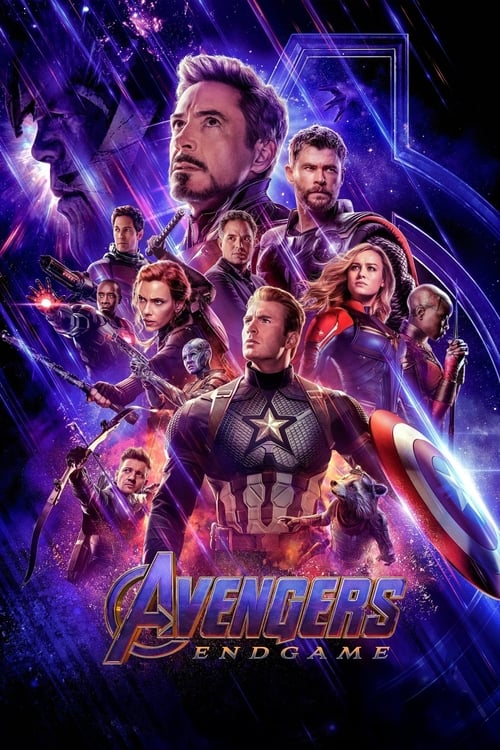 Avengers: Endgame
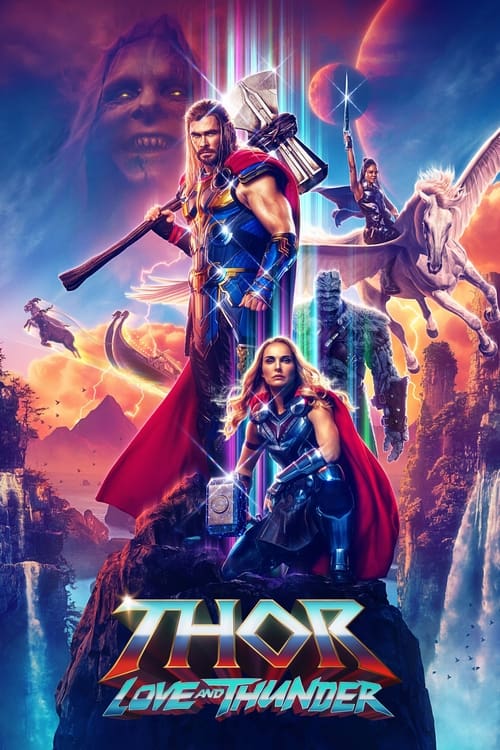 Thor: Love and Thunder
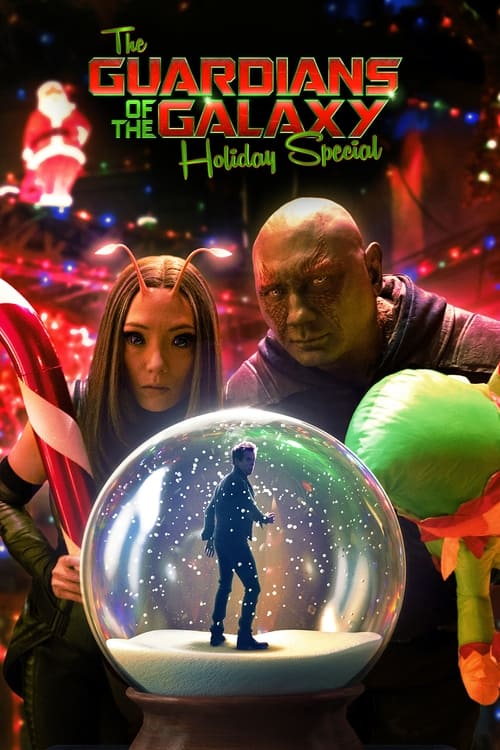 The Guardians of the Galaxy Holiday Special
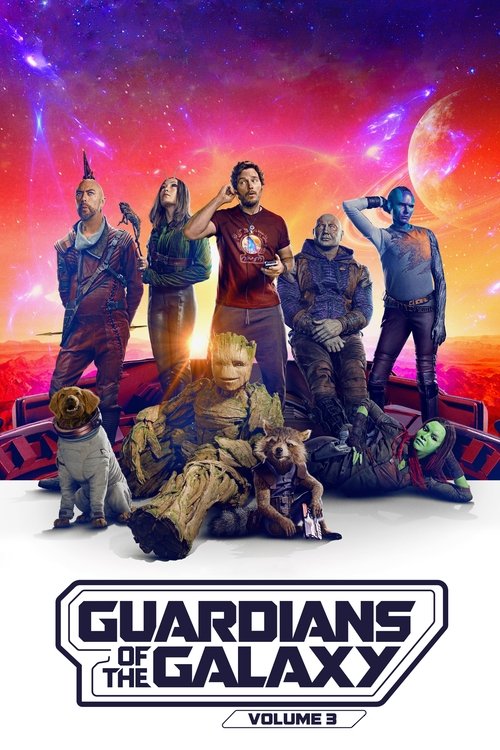 Guardians of the Galaxy Vol. 3
 Marvel's Guardians of the Galaxy
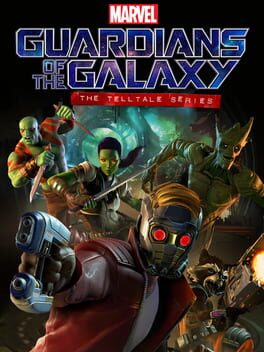 Marvel's Guardians of the Galaxy: The Telltale Series
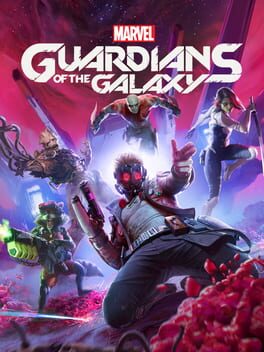 Marvel's Guardians of the Galaxy
 Annihilation omnibus
 Annihilation
Guardians of the Galaxy Across the Years
- 1969Original team debuts in Marvel Super-Heroes #18
- 1990Original team gets their first ongoing series
- 2006The Annihilation event reshapes Marvel's cosmic universe
- 2008Abnett and Lanning launch the modern team
- 2013Brian Michael Bendis begins a new ongoing series
- 2014Gunn's first film opens and becomes a cultural phenomenon
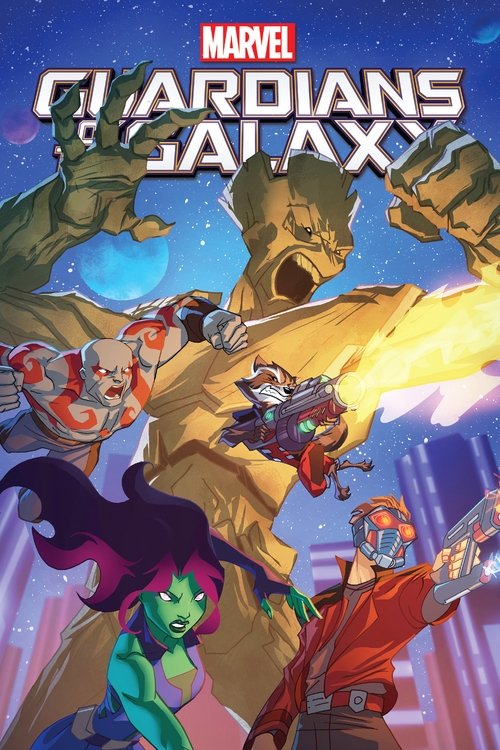
- 2015Animated TV series premieres on Disney XD
- 2017Guardians of the Galaxy Vol. 2 released; Telltale episodic game also ships
- 2021Eidos-Montreal's Guardians of the Galaxy game released to critical praise
- 2022The Guardians of the Galaxy Holiday Special arrives on Disney+
- 2023Guardians of the Galaxy Vol. 3 closes out the Gunn era
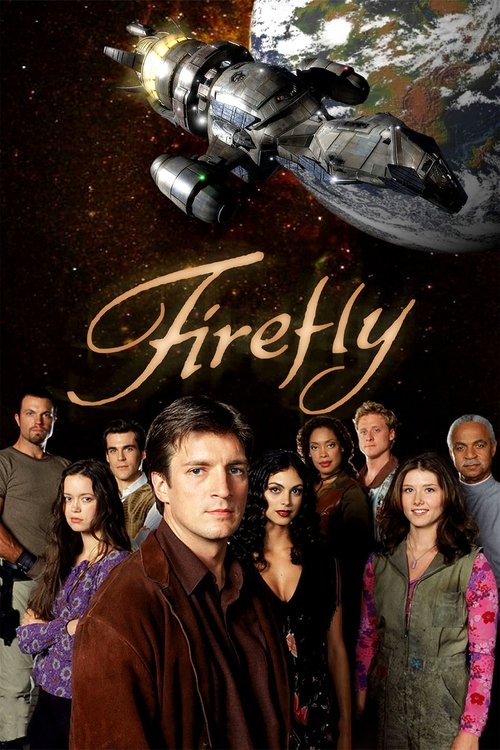
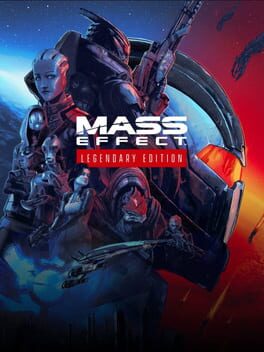
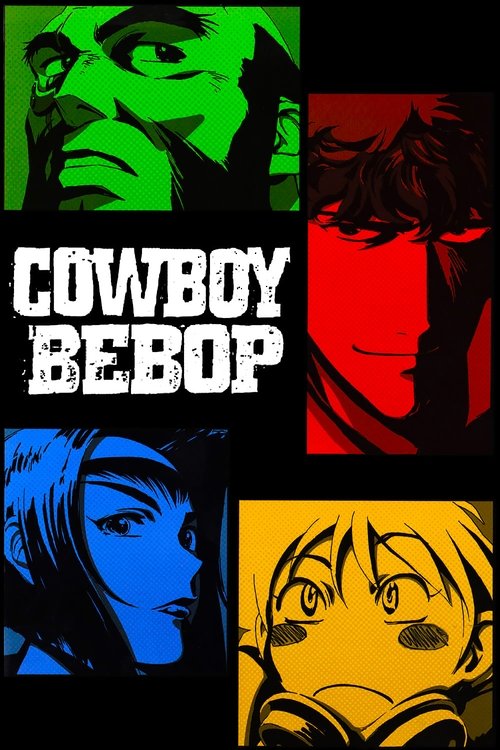
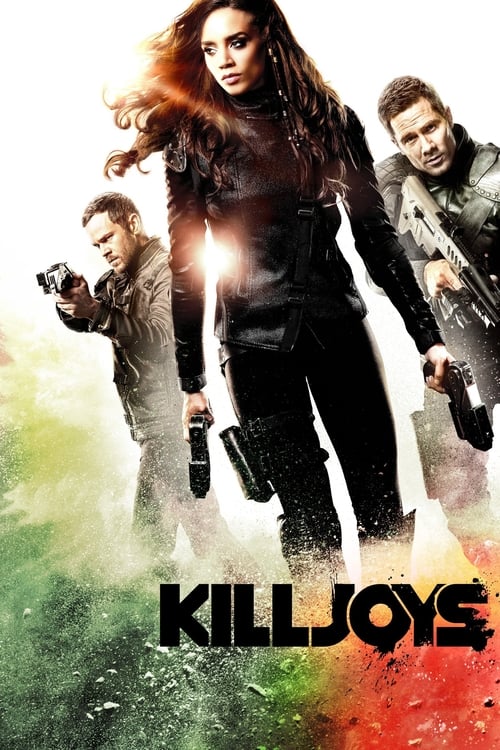
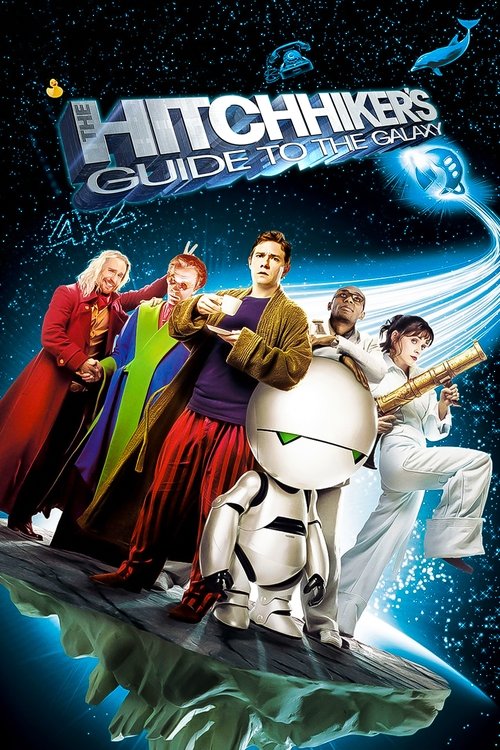
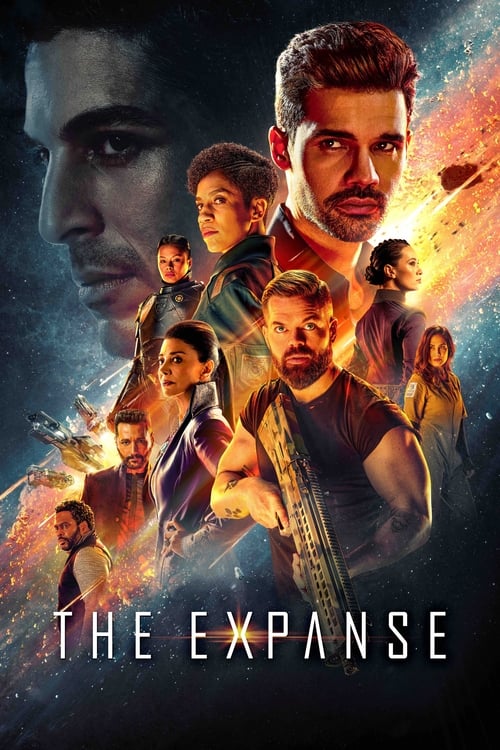
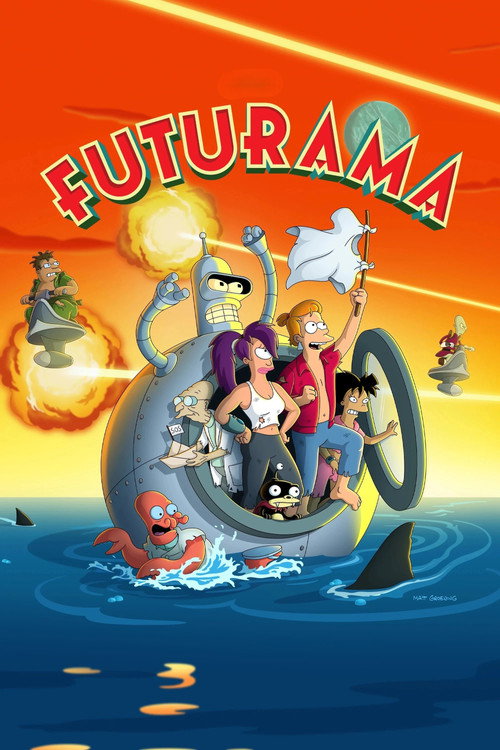
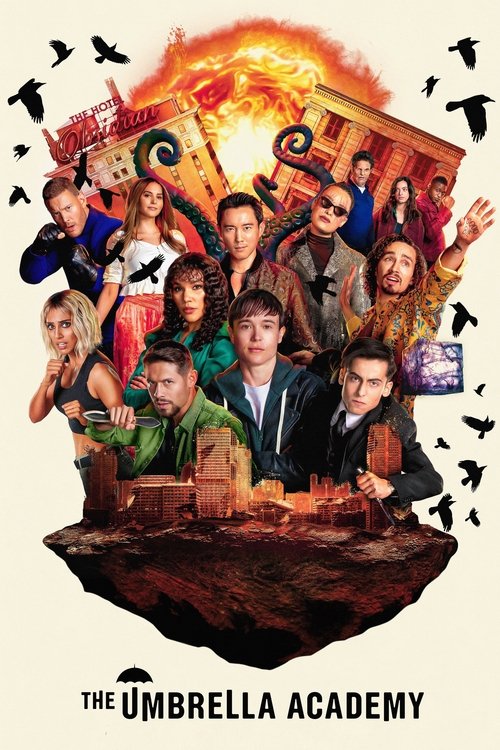
If You Love the Cosmic Family Dynamic
Misfit crews finding each other in deep space

If You Love the Needle-Drop Mixtape Aesthetic
Stories where the music is as important as the plot


If You Love the Outsiders-as-Heroes Theme
Rejects, criminals, and broken people who turn out to be the good guys


The definitive version is still the 2014 film
James Gunn's first film remains the high-water mark because it had everything to prove and no safety net. The comedy works because the grief underneath it is real: every major character is dealing with loss, and the film earns its emotional moments rather than coasting on spectacle. The choice to open with a child losing his mother, and to close on that same emotional wound, gave a film about a talking raccoon and a sentient tree genuine weight. Vol. 3 comes close and in some ways goes deeper, but it exists in the shadow of what the first film established.
The Eidos-Montreal game is the most underrated version
The 2021 Eidos-Montreal game was dismissed by players who rented it expecting an action-RPG and found a story-driven linear adventure instead. That was their loss. The writing is sharp, the character dynamics across the 15-hour campaign are genuinely funny and occasionally moving, and it captures the found-family tone of the comics as well as the films do. Peter Quill's relationship with his mother's mixtape, the team's bickering that masks real affection, and the moral choices that carry actual weight all land with more nuance than most licensed games bother attempting. It deserved a sequel.
The animated series is the version to skip
The 2015 Disney XD animated series had the unenviable job of arriving immediately after the first film's enormous success, and it shows every seam of that pressure. The character designs flatten the film's richness into Saturday-morning shapes, the scripts recycle plots without the timing that makes the jokes land, and the soundtrack strategy so central to the films' identity gets reduced to background noise. It is watchable for younger audiences new to these characters, but for anyone who came from the films or the Abnett and Lanning comics, it is a significant step down.