
A Bad Idea That Became a Great One
The Suicide Squad began as a throwaway concept: a team of expendable soldiers in The Brave and the Bold #25 (1959), written by Robert Kanigher, doing Cold War-era missions that no sane person would accept. They were human, unheroic, and likely to die. DC largely forgot them.
John Ostrander resurrected the name in 1987 and turned it into something genuinely subversive. His Squad was Task Force X: convicted supervillains coerced by the government into black-ops missions in exchange for sentence reductions. Amanda Waller, the immovable bureaucrat who ran the program, was as menacing as any villain in the cast. Ostrander's run explored moral compromise, expendability, and whether rehabilitation is real, all inside a monthly action comic. It ran until 1992 and remains the template every subsequent version has returned to.
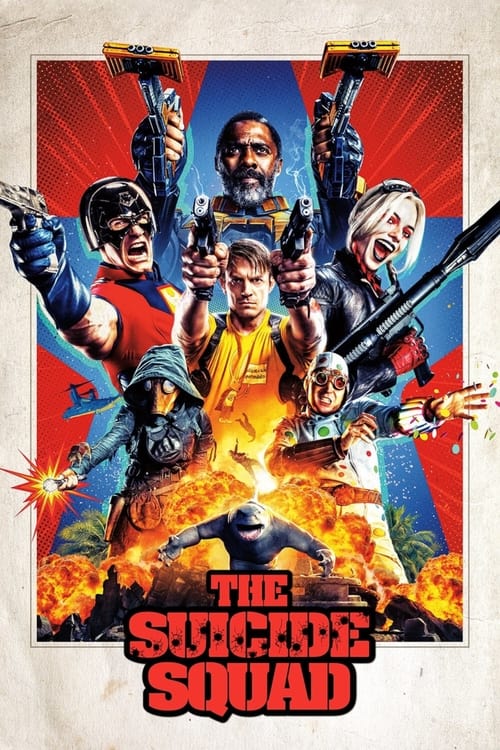
The property spent the 1990s and 2000s in relative dormancy, surfacing in cameos and crossovers, before Warner Bros. brought it to film in 2016. That first attempt was famously troubled. James Gunn's 2021 reboot found the absurdist tone that had always been latent in the premise. By then the Squad had also become the premise of one of Rocksteady's biggest (and most controversial) games. What started as a three-panel idea in a Silver Age comic now spans every major storytelling medium.
Every Version of The Suicide Squad
The source comic and every major adaptation across media


The Suicide Squad Through the Years
- 1959Original team debuts in The Brave and the Bold #25
- 1987Ostrander relaunches as Task Force X; the definitive comic run begins
- 1992Ostrander's original series ends at issue #66
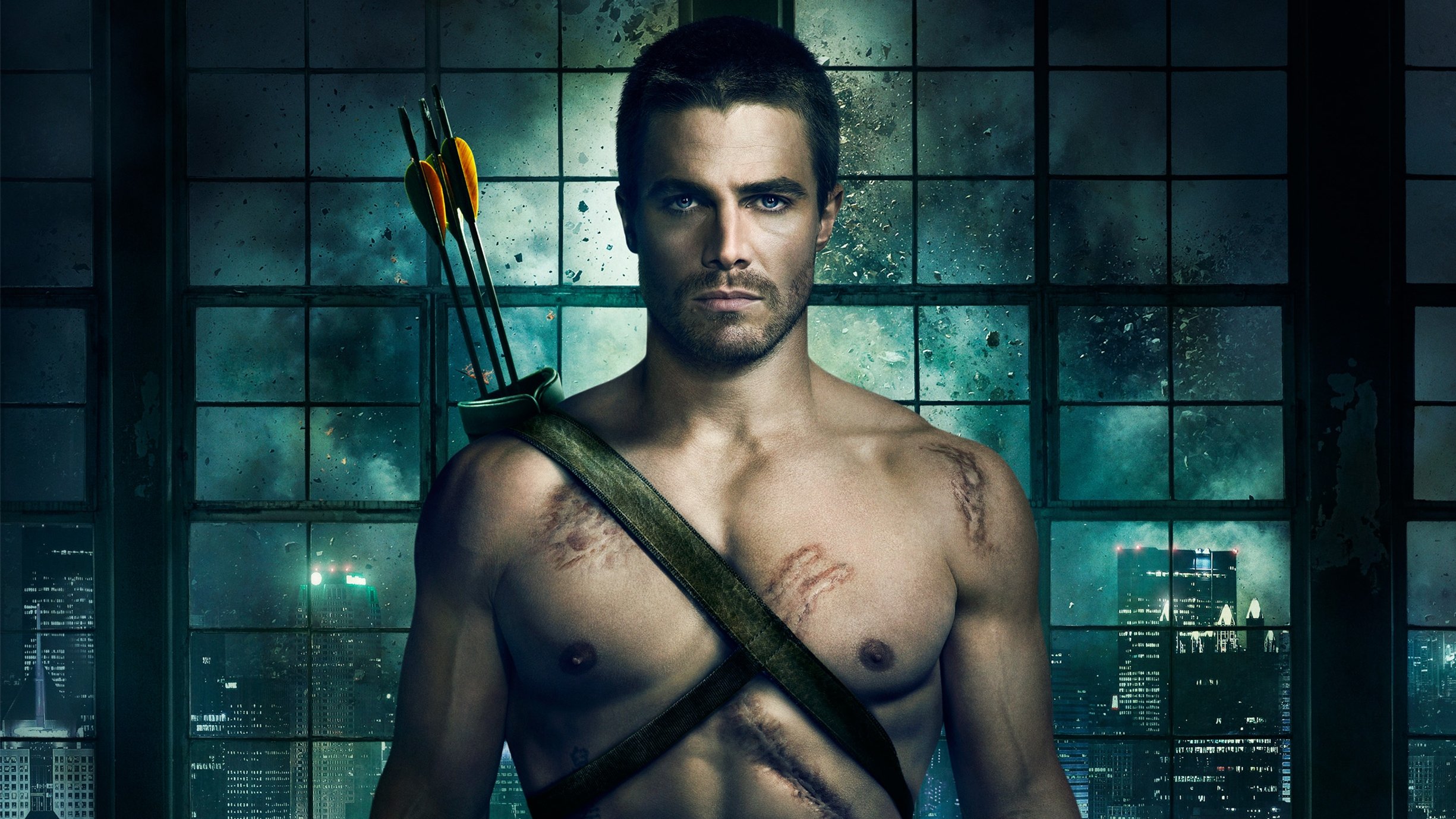
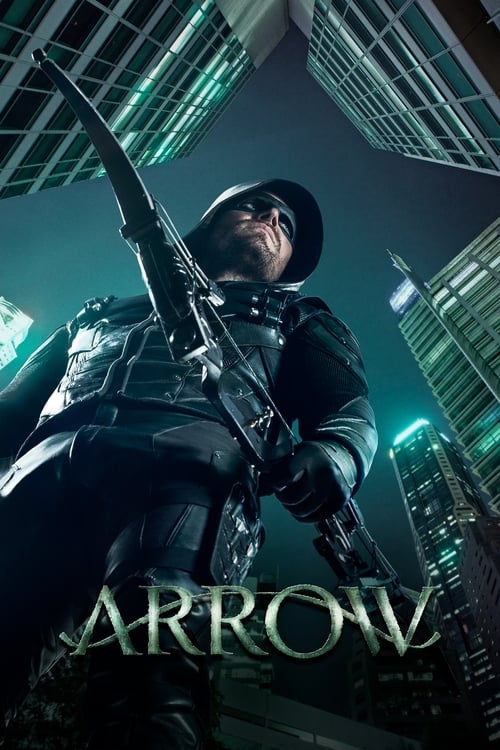
- 2013Arrow Season 2 introduces a live-action Squad arc on TV
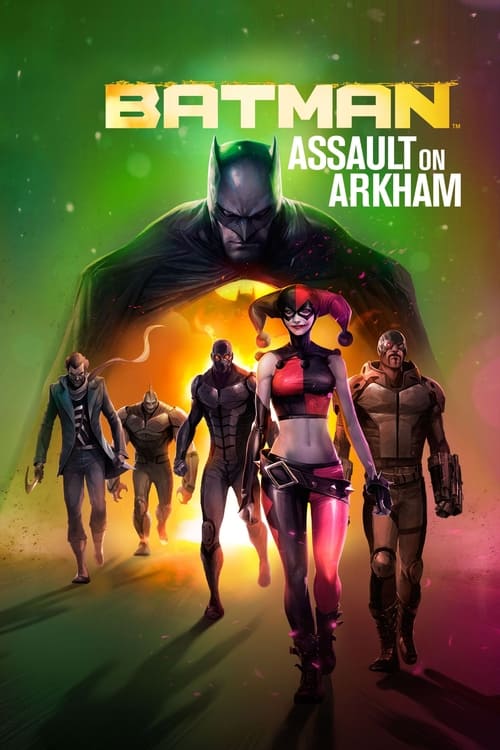
- 2014Batman: Assault on Arkham brings the Squad to animation
- 2016David Ayer's Suicide Squad theatrical release
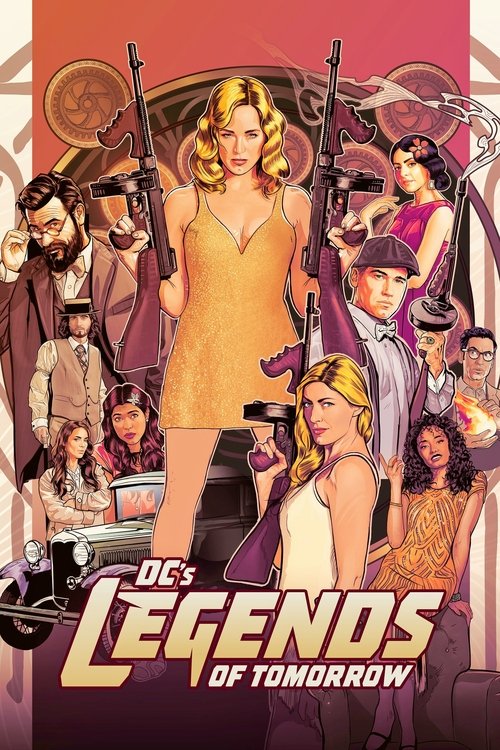
- 2016DC's Legends of Tomorrow features recurring Task Force X storylines
- 2021James Gunn's The Suicide Squad: the bloodier, funnier reboot
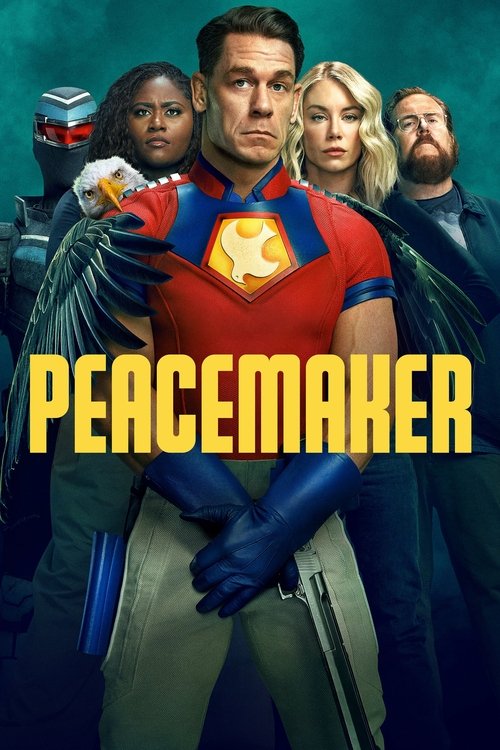
- 2022Peacemaker HBO Max series expands Gunn's Squad universe
- 2024Suicide Squad: Kill the Justice League released by Rocksteady
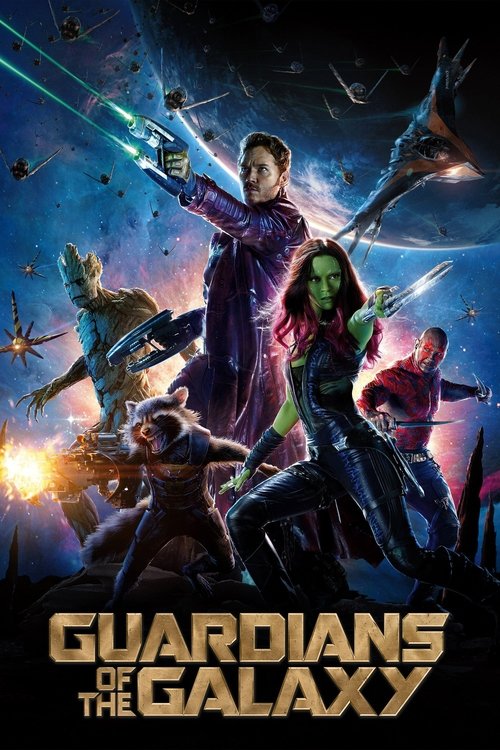
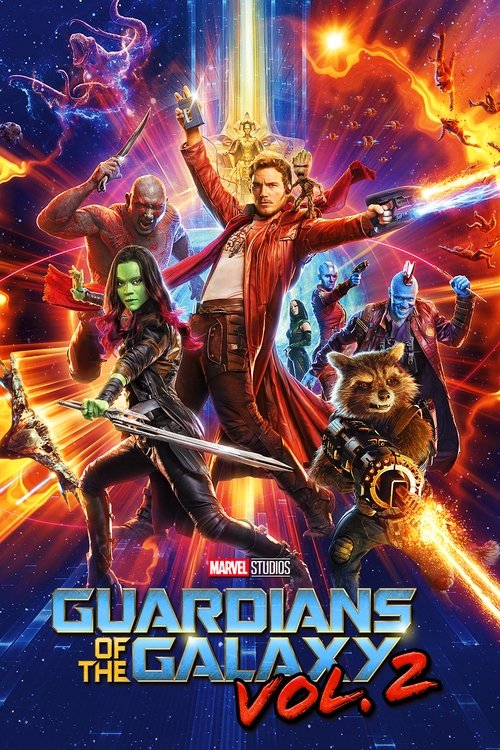
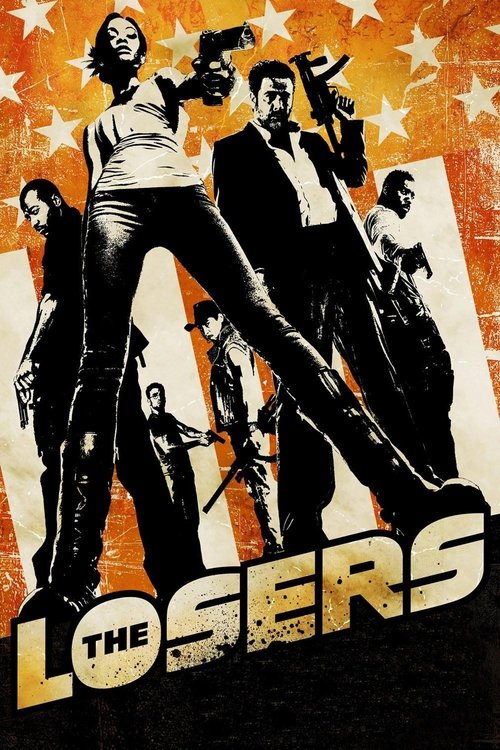
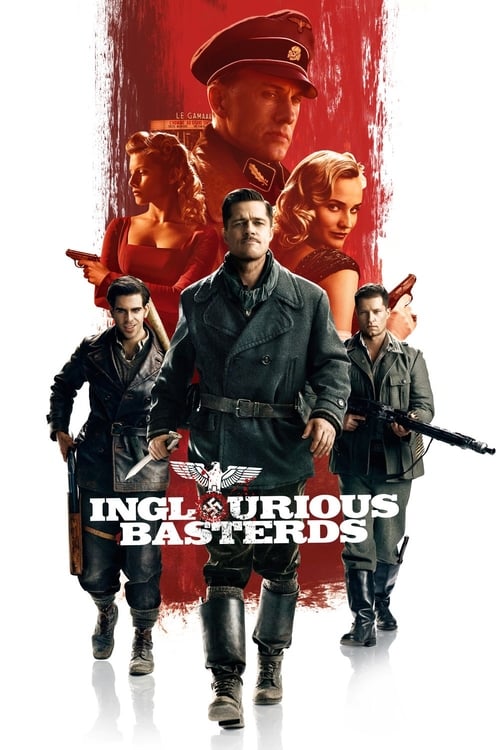
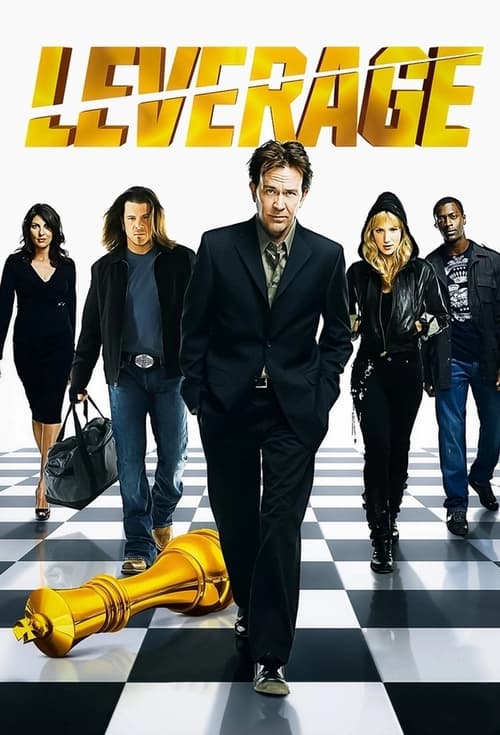
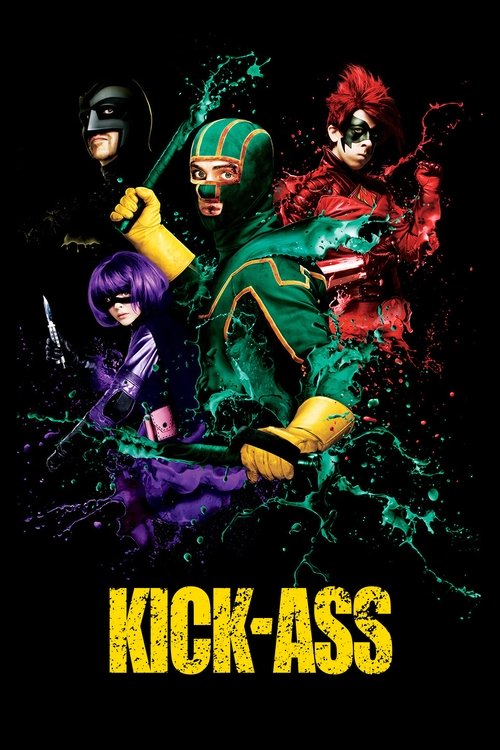
If You Love the Supervillain Team Premise
Stories built around criminals, antiheroes, and people who do bad things for complicated reasons


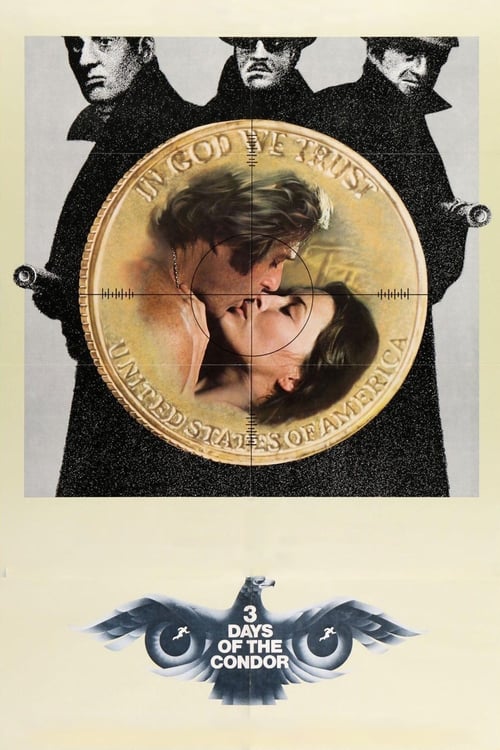
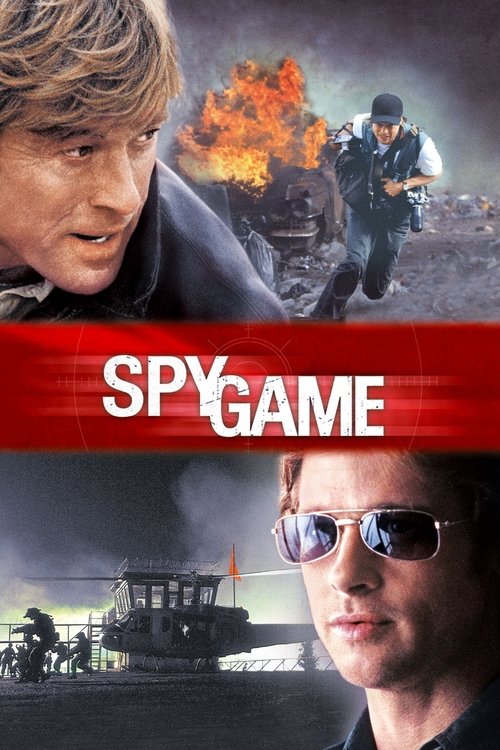
If You Love the Black-Ops and Government Conspiracy Side
Covert operations, morally compromised handlers, and missions that officially never happened

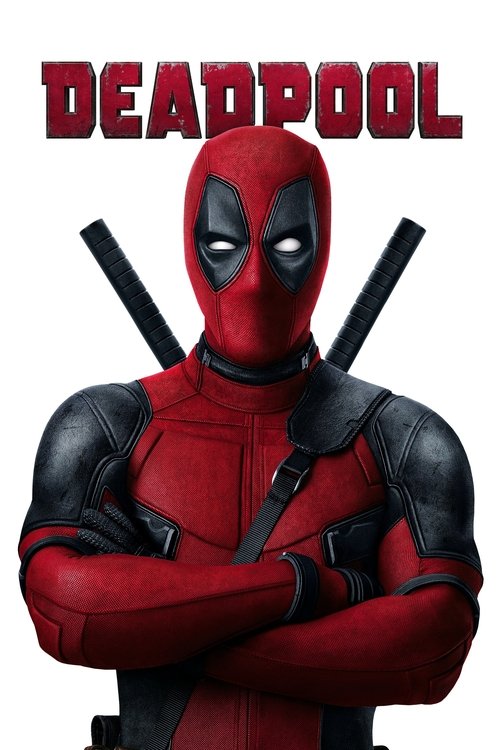
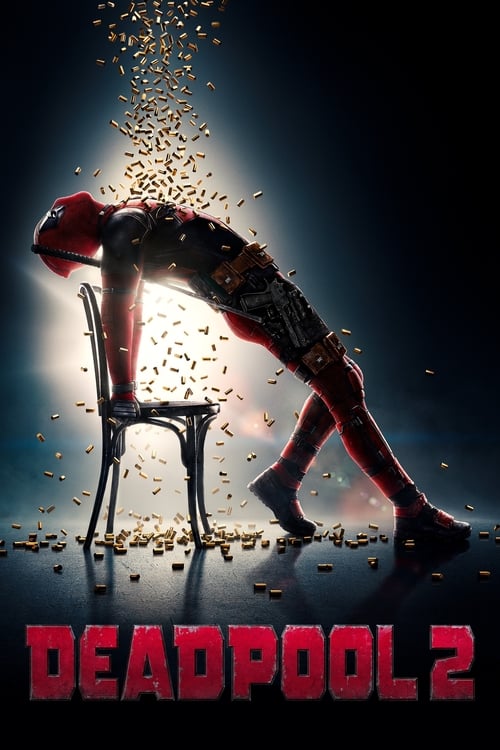
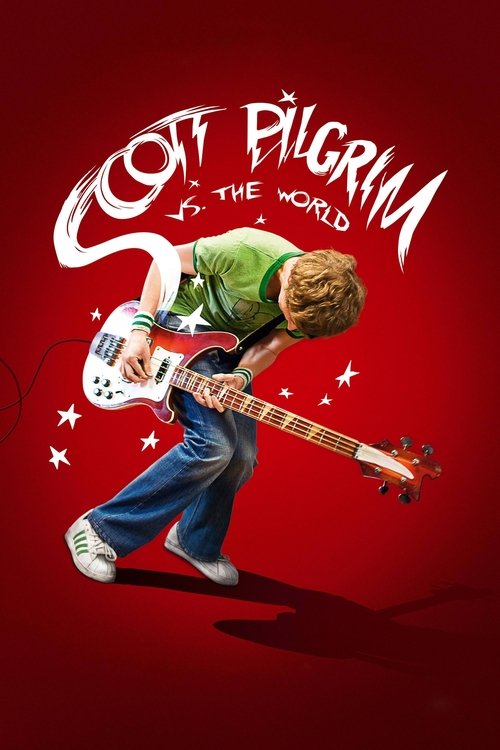
If You Love James Gunn's Tone: Violent, Funny, Surprisingly Emotional
Genre films that balance gore and laughs with genuine character stakes


If You Love the Amanda Waller Power Dynamic
Stories where the most dangerous person in the room never throws a punch


The Definitive Version: James Gunn's The Suicide Squad (2021)
Gunn's R-rated reboot did what the 2016 film kept failing to do: it committed to the premise. Characters die, sometimes immediately and pointlessly, which is exactly the point. The Suicide Squad has always been about expendability and institutional cynicism, and Gunn found the absurdist register that makes that bearable to watch. Idris Elba's Bloodsport and Margot Robbie's Harley Quinn finally got material worthy of their casting. The Starro sequence is one of the most visually inventive things in any DC film.
The Underrated One: Batman: Assault on Arkham (2014)
This direct-to-video animated film is nominally a Batman story, but the Squad does most of the work, and it is genuinely good. The voice cast is strong, the heist mechanics are clean, and the tone walks the adult-animation line without tipping into gratuitousness. It predates the live-action films and demonstrates that the Task Force X premise works just as well in animation as in live action. Most people who watched the 2016 film never looked back at this one.
The One to Think Hard About: Suicide Squad: Kill the Justice League (2024)
Rocksteady's game had the right ingredients: the Arkhamverse's earned goodwill, a genuinely interesting premise in killing your own heroes, and Kevin Conroy's final performance as Batman. The live-service structure, however, worked against everything that made Rocksteady's earlier Batman games memorable. The story is solid; the game design around it is a different question. Worth experiencing for the Conroy scenes and the ending, which is braver than anyone expected.