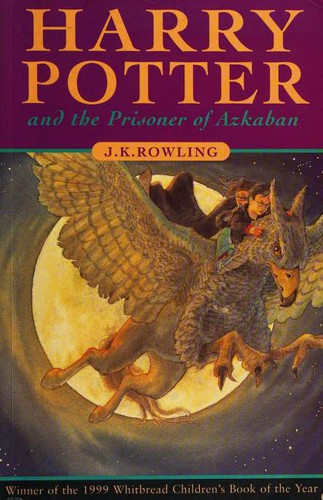

The book that changed everything
Harry Potter and the Prisoner of Azkaban was published by Bloomsbury in the UK in July 1999 and by Scholastic in the US the same month. It won the Whitbread Children's Book Award that year, and it arrived at the moment the series was pivoting from charming children's fare into something genuinely darker. The story introduces Sirius Black, Remus Lupin, and the Dementors of Azkaban, and it contains the series' most structurally ambitious plot device: time travel via a Hermione-worn Time-Turner that loops the last act back on itself.
Unlike most blockbuster novels of the era, Prisoner of Azkaban never became a comic book series and was never adapted for television as a standalone piece. Its life across media has been concentrated but significant: a prestige film directed by Alfonso Cuaron, a video game adaptation tied to that film, extensive audio presentations by Jim Dale and Stephen Fry, and its story folded into the LEGO games and the broader Harry Potter mobile universe.
What travels from version to version is the tone: autumnal, slightly paranoid, preoccupied with the difference between guilt and innocence. Cuaron understood this better than anyone.
Every version of Prisoner of Azkaban
The source novel, every adaptation, and every retelling across media

Prisoner of Azkaban across time
- 1999Novel published (UK/US), wins Whitbread Children's Book Award Harry Potter and the Prisoner of Azkaban
- 1999Stephen Fry audiobook (UK) Harry Potter and the Prisoner of Azkaban
- 1999Jim Dale audiobook (US) Harry Potter and the Prisoner of Azkaban
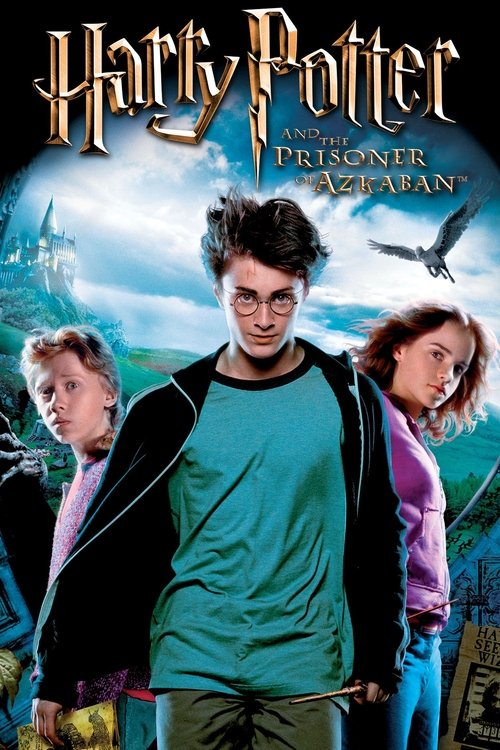
- 2004Alfonso Cuaron's film released Harry Potter and the Prisoner of Azkaban
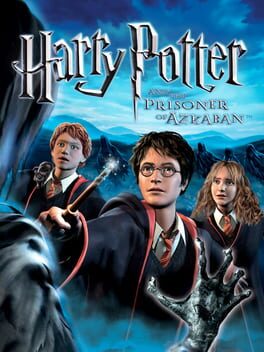
- 2004Film video game tie-in (EA Games) Harry Potter and the Prisoner of Azkaban
- 2004John Williams composes the film score
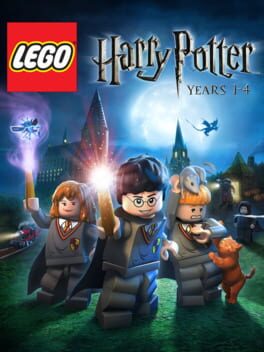
- 2010LEGO Years 1-4 covers Azkaban chapters LEGO Harry Potter: Years 1-4
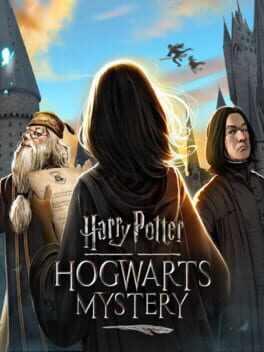
- 2018Hogwarts Mystery mobile game draws on full series lore Harry Potter: Hogwarts Mystery
- 2022Magic Awakened card game draws on full series
The definitive version is Cuaron's film
Alfonso Cuaron took over from Chris Columbus and made a film that feels nothing like the first two, in the best possible way. The Hogwarts in Prisoner of Azkaban is a real, weather-beaten place: students wear street clothes under their robes, trees sway in real wind, and the Dementors move with an unhurried, genuinely horrible logic. John Williams, scoring his third Potter film, produced his most interesting work for the series. The time-loop finale is one of the few Hollywood studio films to trust its teenage audience completely. Every subsequent Potter film was measured against this one and, with a single exception, fell short.
The underrated version: Stephen Fry's audiobook
Stephen Fry's narration of the UK audiobooks is a genuine performance, not a reading. By the third book he has found a distinct voice for every major character, and his Hagrid and Snape are arguably more vivid than the film versions. The audiobook format also rewards the time-loop structure: hearing the same scene twice, narrated at the same pitch and pace, makes the mechanics of the Time-Turner feel earned rather than convenient. For anyone who grew up with these books but has not revisited them as an adult, the Fry recordings are the best re-entry point in the catalog.
The one to skip: the 2004 tie-in video game
The film tie-in game (EA Games, 2004) is competent by the standards of licensed movie games, which is not high praise. It follows the film's plot mechanically, strips out the ambiguity and mood that make the story work, and replaces the time-loop with a linear stealth sequence. LEGO Harry Potter: Years 1-4 covers the same ground with far more wit and none of the padding. Unless you have strong nostalgia for early-2000s EA Harry Potter games, this one has not aged well.
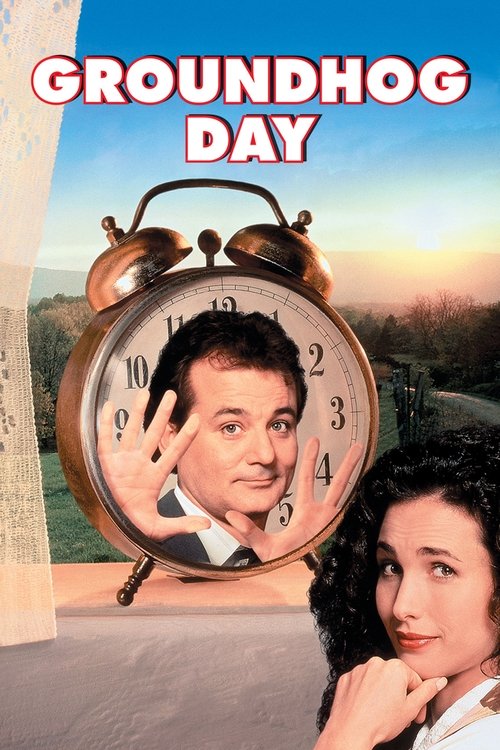
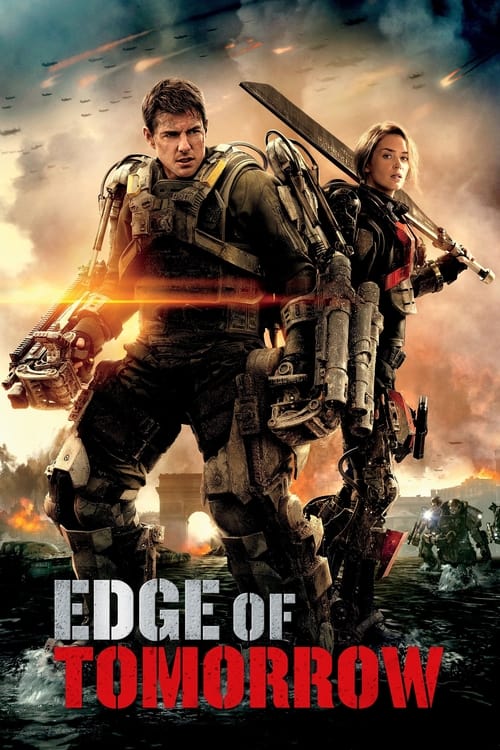
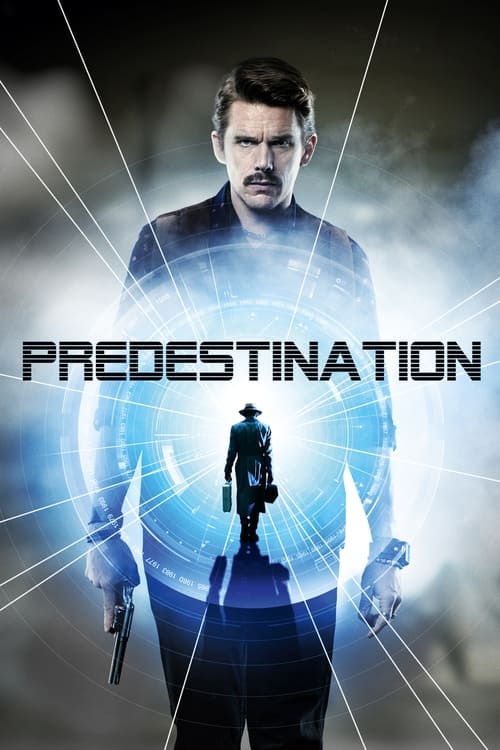
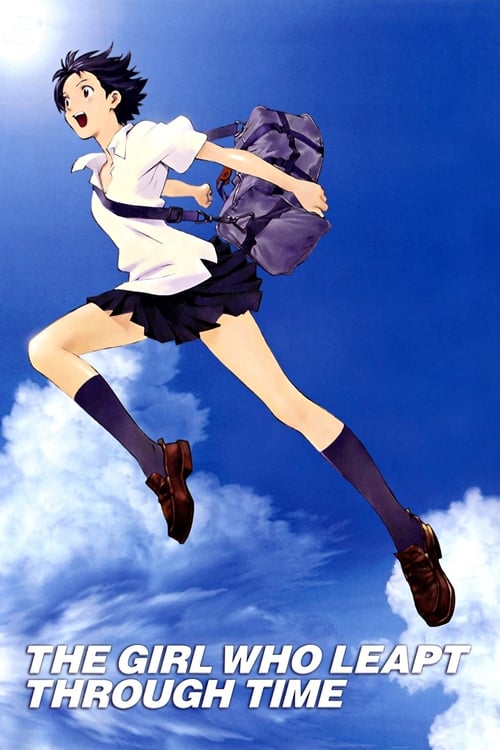
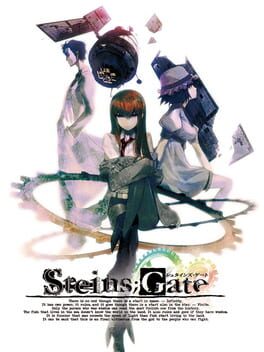
If you love the time-loop finale
Stories built on the same structural trick: a second pass that reframes everything




If you love Sirius Black and Remus Lupin
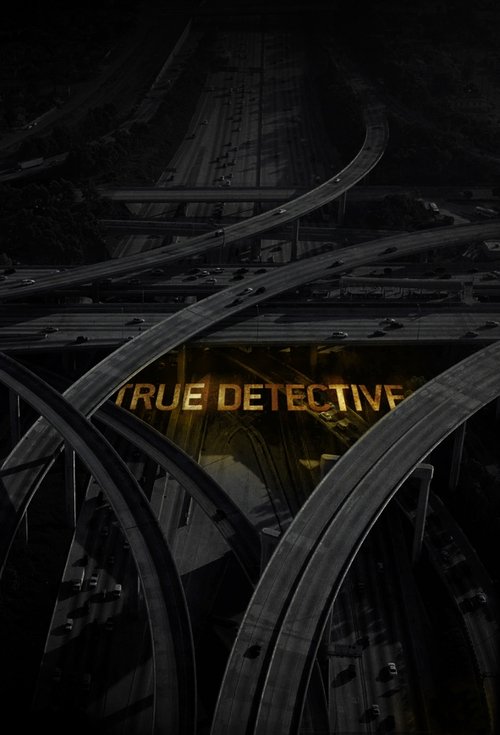
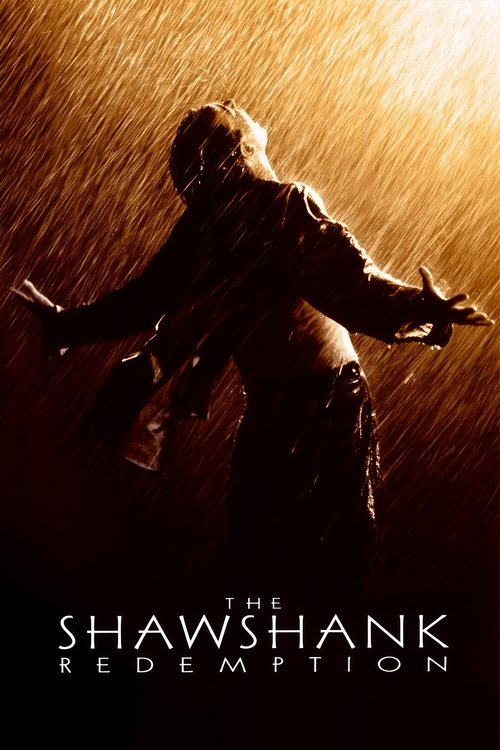
Stories about wrongly accused outcasts, unlikely mentors, and loyalty tested by betrayal

If you love the Dementors
Dark fantasy and horror that uses dread, psychological weight, and creatures of pure despair


More Magic and Time-Bending Tales
Epic Fantasy
Explore the Epic Fantasy guide →Happiness can be found even in the darkest of times, if one only remembers to turn on the light.Albus Dumbledore, Harry Potter and the Prisoner of Azkaban (film, 2004)