
A Long Weekend in New Hampshire
Joyce Maynard published Labor Day in 2009, through William Morrow. It is a short, unshowy novel narrated by a man named Henry looking back on the five days that changed his thirteenth year: the Thursday before Labor Day weekend, 1987, when a bleeding stranger named Frank approached him and his mother Adele in a store and asked for a lift. Frank was an escaped convict. Adele was a divorced woman who had barely left the house in years. What followed, over a single long weekend in a rural New Hampshire town, was something between a kidnapping and a love story, told through the eyes of a boy who understood far less than he thought and far more than any adult gave him credit for.
Maynard's gift has always been the close register of domestic life: the specific weight of a bowl of peach pie filling, the sound of a screen door, the way children absorb adult grief without being told it exists. Labor Day is her most concentrated performance of that gift. The story never left New Hampshire in the novel, and it has never strayed far from Maynard's original vision across its adaptations. The screen life of Labor Day is slim by Hollywood standards: one film, one audiobook, and the novel itself in several editions. There was no franchise, no sequel, no television series. For a story about stillness and enclosure, that restraint feels right.
Labor Day across time
Maynard's story works because it refuses to explain itself. Frank is not made innocent by the novel, and Adele is not made foolish. The boy just watches and remembers.A reader response to the slimness of Labor Day's media footprint
The film is better than its reputation
Jason Reitman's 2013 film holds a 34% on Rotten Tomatoes, which tells you more about the critical mood of that awards season than about the actual picture. Kate Winslet gives one of her most physically committed performances as Adele, a woman whose depression is written into her posture and breath rather than announced in dialogue. Josh Brolin plays Frank as a man of careful, earned tenderness. The pie scene, which became the film's cultural shorthand (and its punchline for detractors), is genuinely affecting on screen. Reitman shoots New Hampshire in late summer with the same cramped attentiveness Maynard brought to the prose. The film is slow, deliberately so. Audiences who arrived expecting thriller mechanics were disappointed. Audiences who arrived expecting Maynard got something close to what she wrote.

The novel is the only version you need
Maynard's prose operates at a frequency that adaptation can only approximate. The novel is told entirely from adult Henry's retrospective voice, which means the reader understands things the boy could not name at the time. The film, narrated by Tobey Maguire as adult Henry, tries to preserve this structure, but the camera keeps showing us what Henry could not see and Maynard kept deliberately off the page. At 244 pages, the novel reads in a single sitting. That compression is the story. Nothing in the screen version matches the last chapter.

The audiobook is the underrated version
Wilson Bethel narrates the audiobook with the restraint the material demands. He does not sentimentalize Frank or patronize Adele. Because the novel is already a memory being voiced aloud by an older man, the audiobook format suits the text better than silent reading in some ways: you feel the distance between the boy experiencing events and the adult recounting them. For a story in which tone carries as much weight as event, having a single, steady voice hold it together pays off.
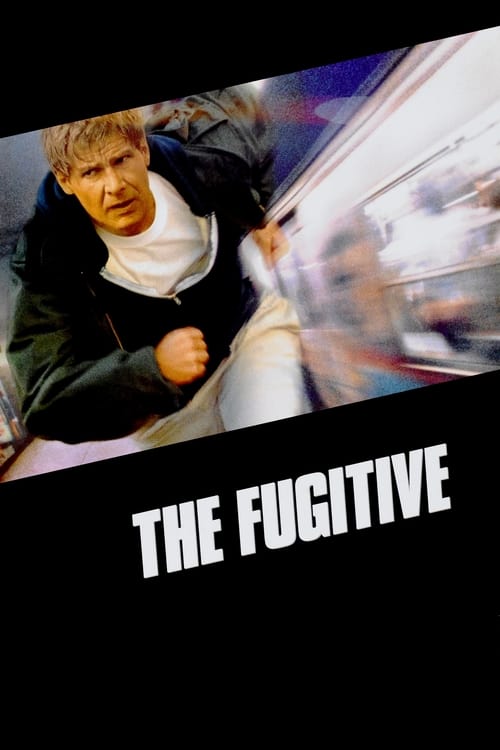
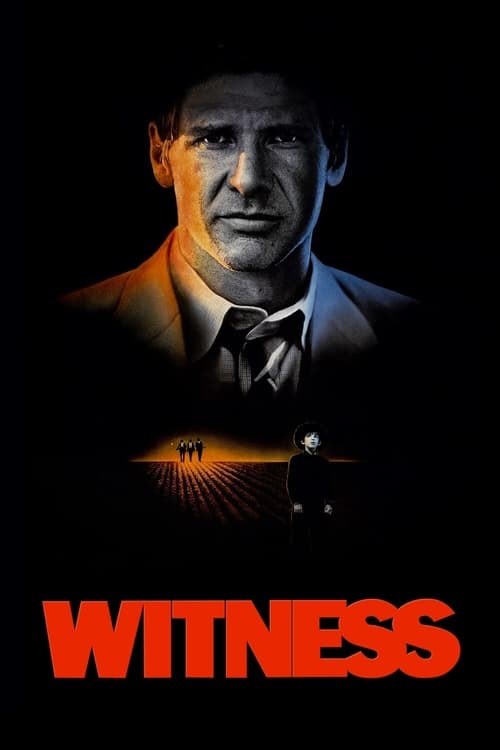
If you love Labor Day: fugitives and found families
Films about outsiders who briefly remake a household

If you love Labor Day: late-summer dread and small-town secrets
Stories where a season's end brings something irreversible


If you love Labor Day: Joyce Maynard and her literary neighbours
Novelists working the same domestic-dread frequency

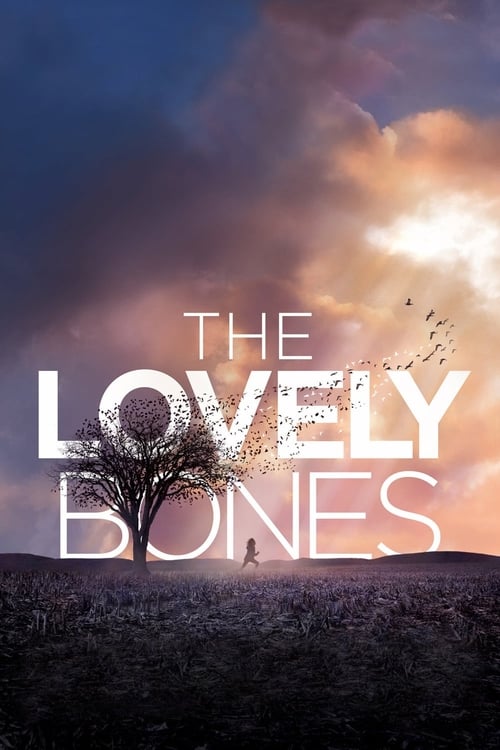
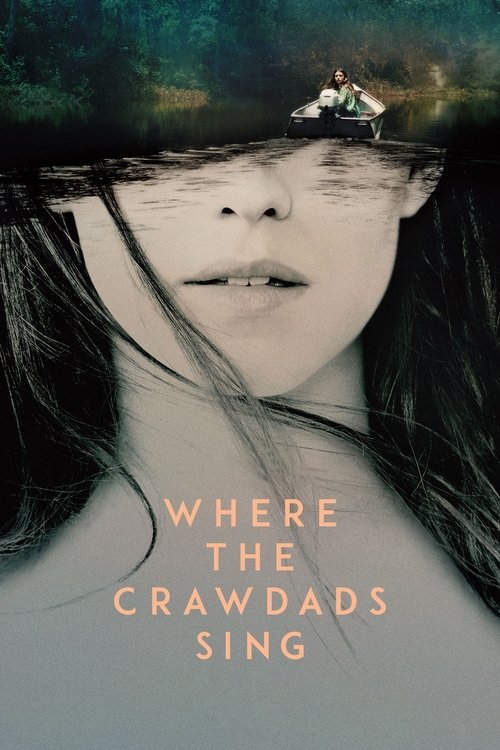
If you love Labor Day: women alone, and the men who arrive uninvited
Domestic thrillers and quiet character studies on the same theme