
A story that knows exactly what it's doing
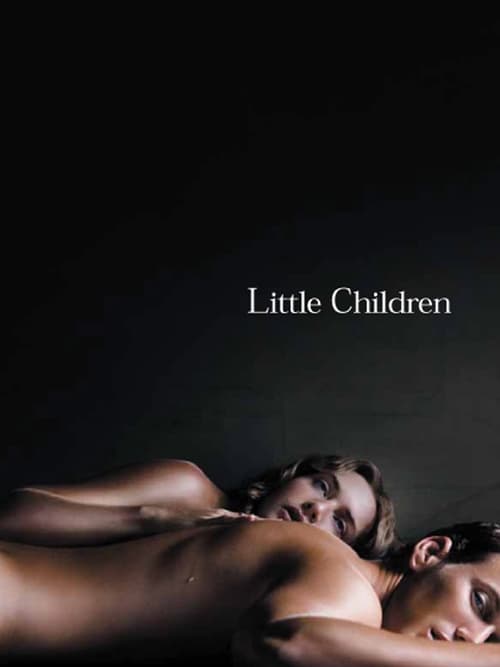
Tom Perrotta published Little Children in 2004, a novel set in an unnamed Boston-area suburb where two unhappily married parents fall into an affair while their toddlers play at the community pool. What made the book distinctive was its structure: chapter headings drawn from the language of children's books, a wry omniscient narrator who comments on the action like a bemused anthropologist, and a third strand involving a convicted sex offender newly returned to the neighborhood. Perrotta wasn't writing a thriller or a melodrama. He was writing a comedy of stalled development, about adults who never quite made it out of adolescence, still waiting for their real lives to begin.
The novel was adapted in 2006 by director Todd Field (In the Bedroom) and Perrotta himself, who co-wrote the screenplay. Field kept the novel's unusual narration device, hiring Will Lyman to read passages of voiceover throughout the film, a choice that could have been precious but instead gives the movie its strange, fable-like quality. Kate Winslet received an Academy Award nomination for her performance as Sarah Pierce. Patrick Wilson played Brad Adamson, the beautiful, directionless stay-at-home father the neighborhood mothers have nicknamed the Prom King. Jackie Earle Haley received a Best Supporting Actor nomination and won the National Society of Film Critics award for his portrayal of Ronnie McGorvey.
That is the complete adaptation history. One novel. One film. No television series, no remake, no stage production in wide release. For a story this sharply executed, two is arguably the right number.
Little Children across the years
- 2004Tom Perrotta publishes the novel Little children
- 2006Todd Field's film adaptation, co-written with Perrotta Little Children
- 2006Kate Winslet and Jackie Earle Haley receive Oscar nominations
- 2006Jackie Earle Haley wins National Society of Film Critics Best Supporting Actor
The film is the definitive version
Todd Field and Perrotta made a film that improves on the novel in one key respect: it externalizes the book's satirical distance through casting and performance rather than prose commentary. Kate Winslet makes Sarah's desire feel real and costly rather than observed from above. The voiceover, which should not work, creates a hypnotic estrangement that makes the film feel like nothing else released that decade. Watch this first.
The novel earns its own read
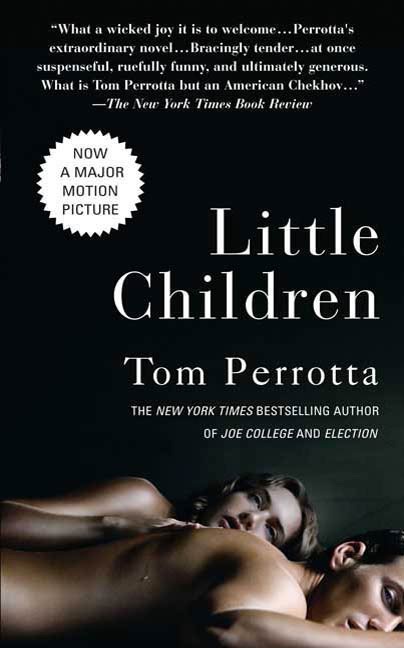
Perrotta's prose has a quality Field's film cannot fully replicate: the chapter headings styled after children's primers (The Prom King, The Appliance of Science, The Next Right Thing) give the novel a dry, patient rhythm that accumulates slowly. His narration is warmer toward the characters than the film's cooler detachment suggests. If the film made you want more time in this world, the novel delivers it.
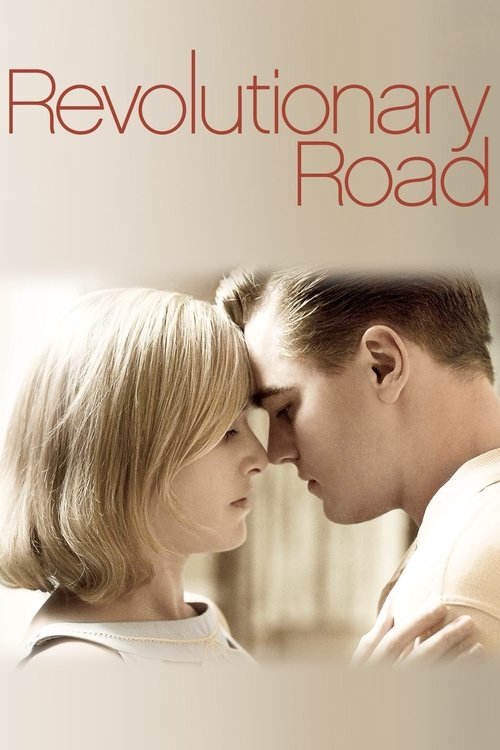
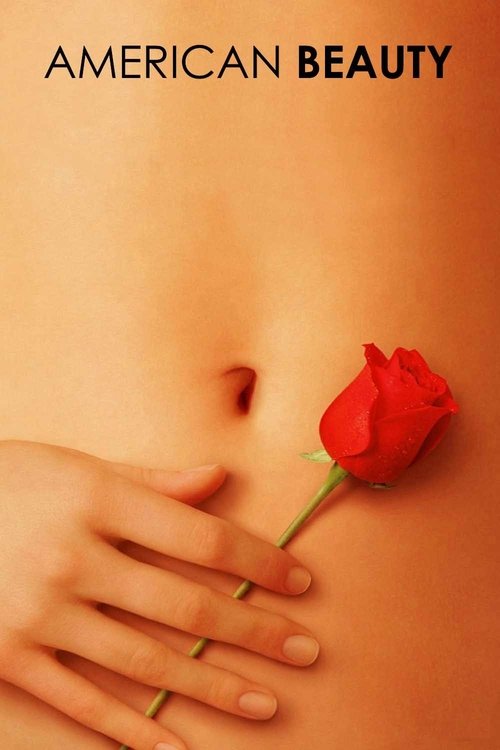
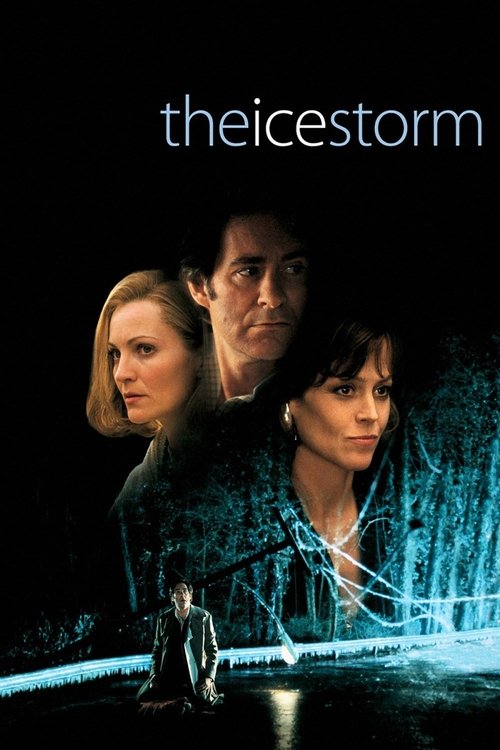
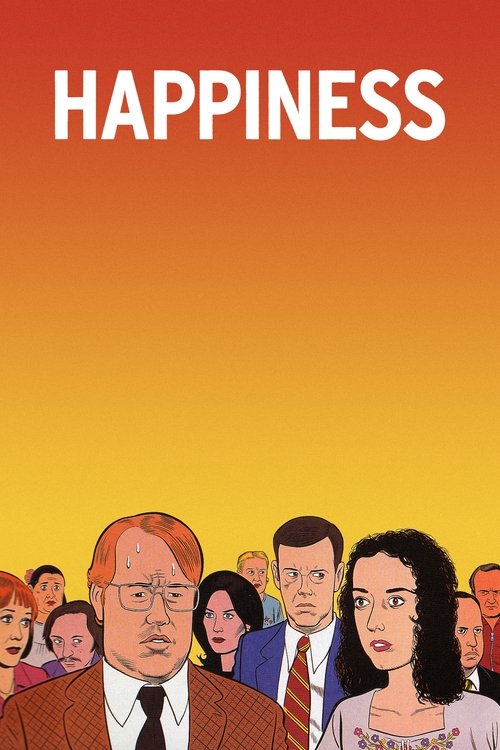
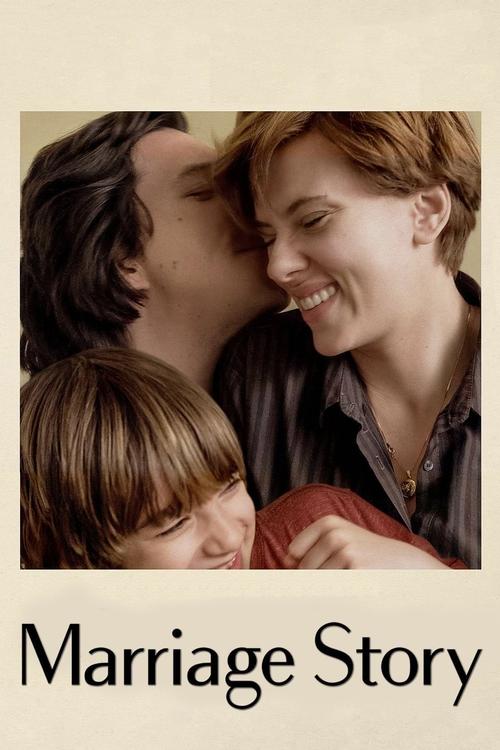
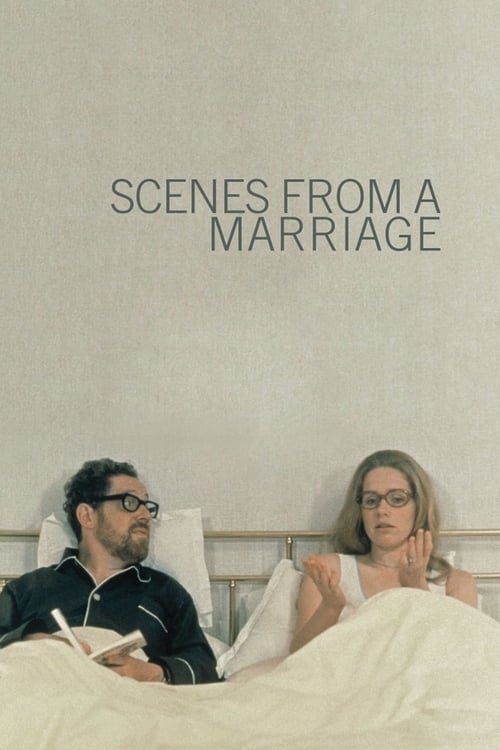
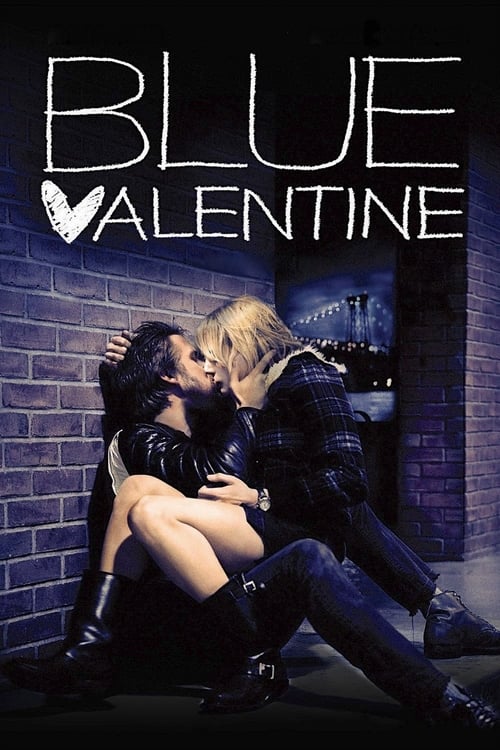
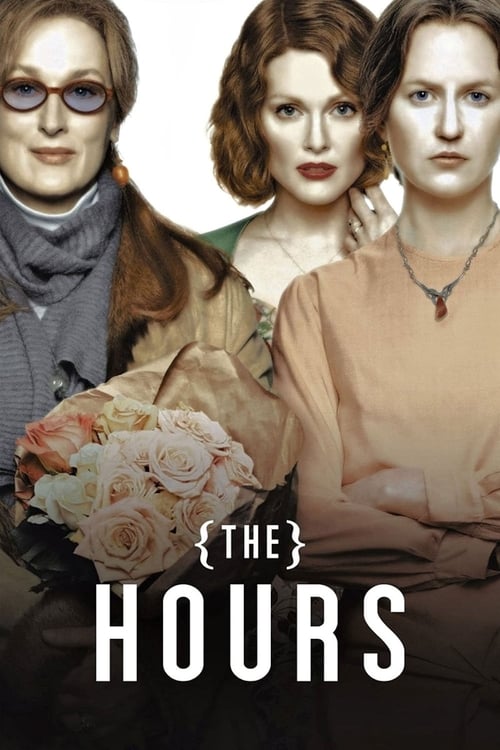
If you love Little Children: suburban lives under pressure
Quiet desperation, repressed desire, and the violence underneath manicured lawns


If you love Little Children: Todd Field and Tom Perrotta's other work
The director's unflinching eye and the novelist's suburban lens




If you love Little Children: adults who never grew up
Characters stuck between the life they have and the one they imagined

If you love Little Children: moral complexity and the sex offender subplot
Stories that refuse easy judgment about transgression and community fear