
The novel that named a feeling
Richard Yates published Revolutionary Road in 1961, and it failed commercially on arrival. It was nominated for the National Book Award, praised quietly by serious readers, and then largely forgotten for three decades. Yates wrote it as a diagnosis: of postwar American optimism curdling into private despair, of two people, Frank and April Wheeler, who tell themselves they are different from their neighbors on a Connecticut street called Revolutionary Road, and who discover, in the worst way, that they are not.
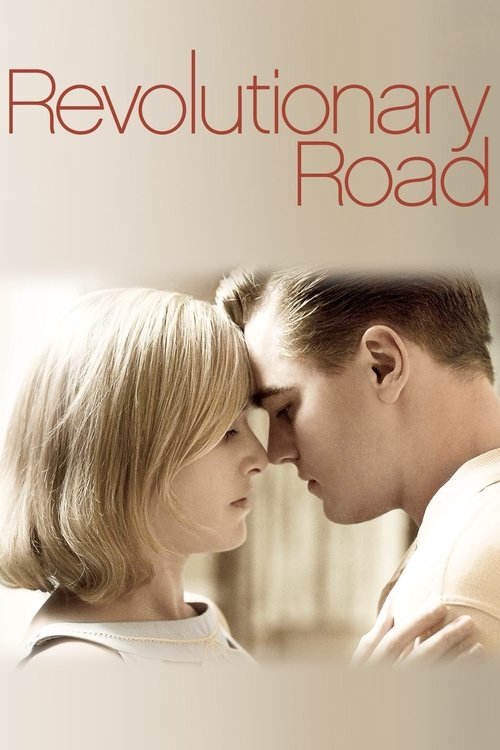
The novel has exactly one major screen adaptation: Sam Mendes's 2008 film, which reunited Titanic leads Leonardo DiCaprio and Kate Winslet eleven years after that film. That reunion was the story the press cared about. The film itself is colder and more pitiless than the marketing suggested. Beyond those two works, Revolutionary Road exists as a cultural touchstone rather than a franchise. There is no TV series, no stage musical, no graphic novel. The story is too internal, too relentlessly unpleasant in its pleasures, to invite easy adaptation or sequel thinking.
What it has generated instead is a long, real influence on American fiction and film: stories about marriage, suburbia, thwarted ambition, and the particular cruelty of couples who bring out each other's worst clarity. That lineage is worth tracing.
Revolutionary Road across the decades
- 1961Richard Yates publishes the novel Revolutionary road
- 1961National Book Award nomination (loses to Walker Percy's The Moviegoer)
- 2001Vintage Contemporaries reissue introduces a new generation of readers
- 2005DiCaprio and Winslet attached; Sam Mendes to direct
- 2008Film released; Kate Winslet wins the Golden Globe for Best Actress Revolutionary Road
- 2008Yates's back catalog reprinted worldwide following film release
- 2009Kate Winslet wins the Academy Award for Best Actress (for The Reader, not this film, to widespread industry surprise)
The definitive version: Yates's novel
The novel is the thing. Yates writes with a controlled fury that no film adaptation can fully replicate, because so much of the book's devastation lives in close third-person narration: in the subtle distortions both Frank and April apply to the same events, in the gap between what they believe about themselves and what the prose shows us about them. The 2008 film is well-made and the performances are committed, but it necessarily externalizes what Yates keeps ferociously interior. Read the book first, or instead.

The film earns more than it got
Sam Mendes's 2008 adaptation was reviewed as a prestige disappointment, overshadowed by the DiCaprio-Winslet reunion story and arriving in the same awards season as Slumdog Millionaire and The Curious Case of Benjamin Button. Revisiting it now, DiCaprio gives one of his least actorly performances, and Winslet is devastating. The film's problem is not the leads but a tendency to signal emotional states that the novel trusted the reader to discover. Still, it is serious, well-crafted work that deserved a longer shelf life than it got.
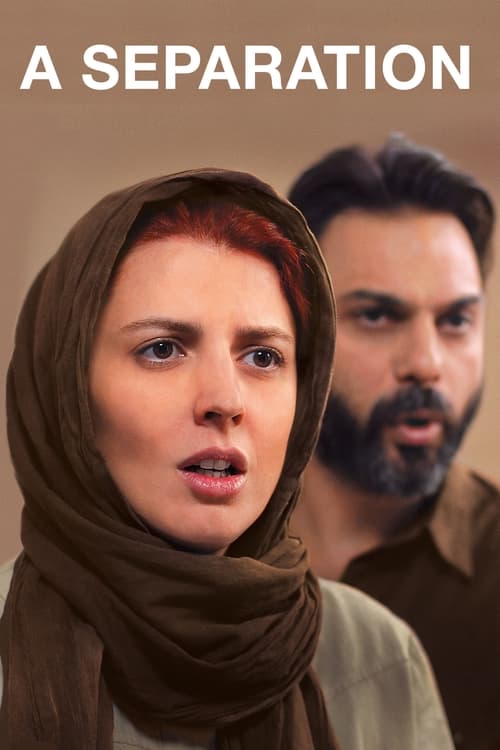
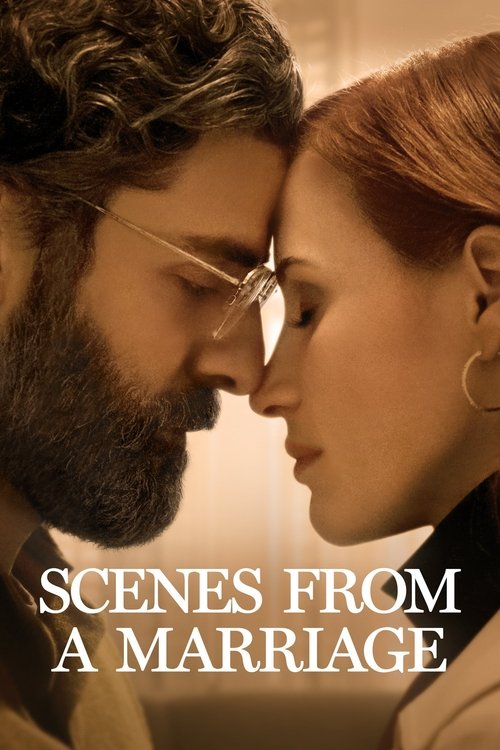
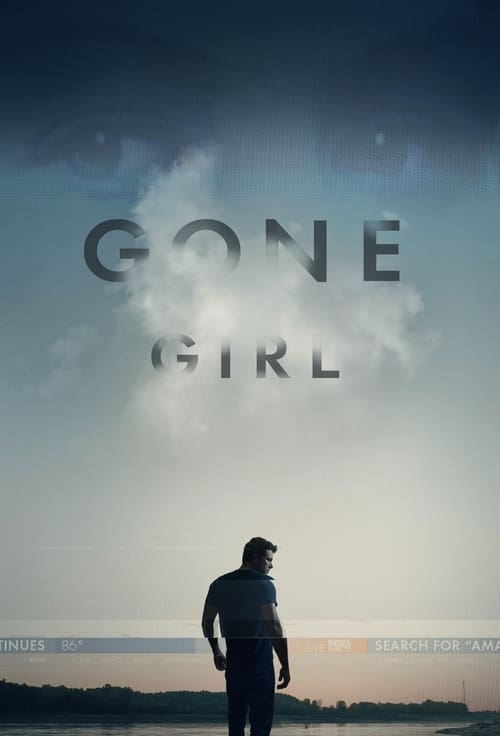
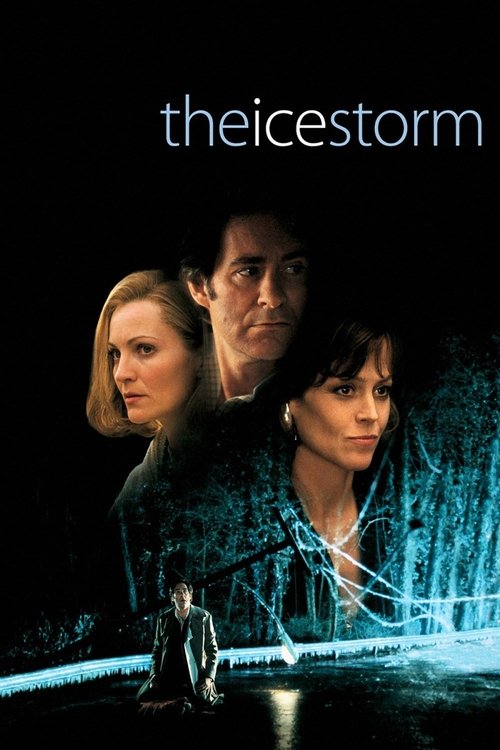
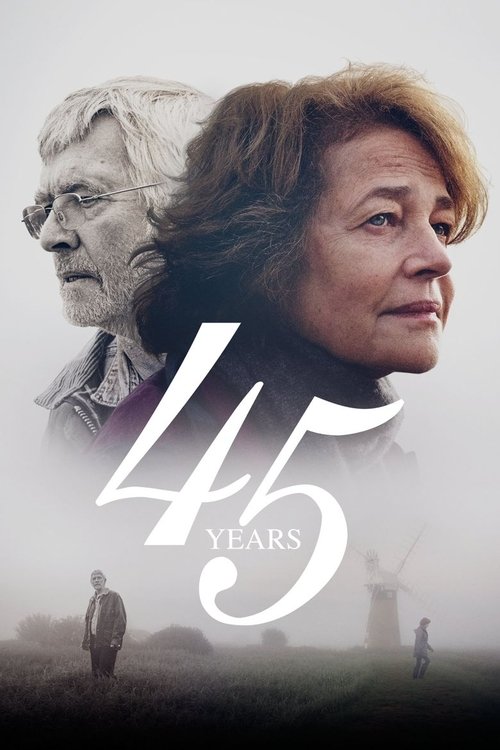
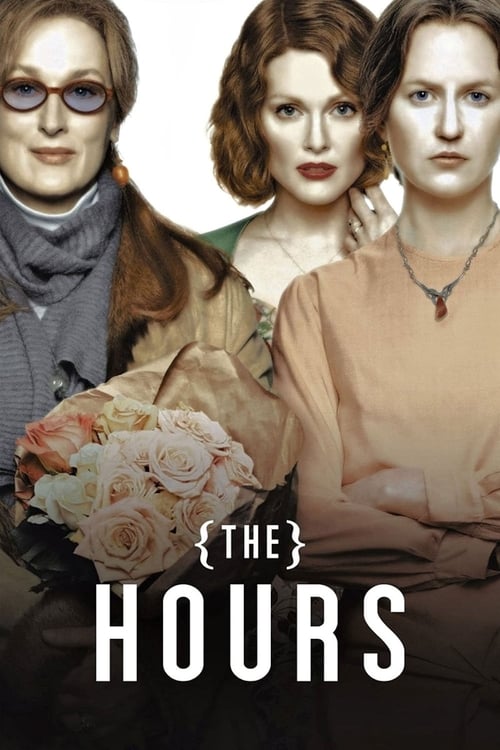
If you love Revolutionary Road: the marriage under pressure
Films and novels about couples who reveal themselves to each other in the worst ways
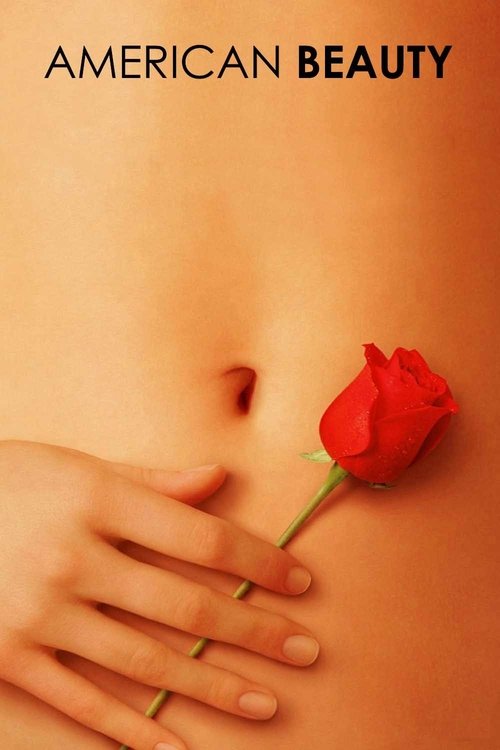
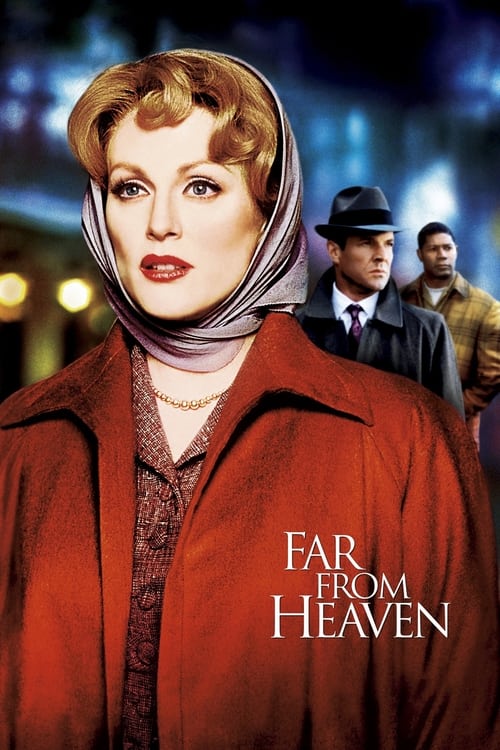
If you love Revolutionary Road: suburban suffocation
Stories about the gap between the life people perform and the life they actually want

If you love Revolutionary Road: Richard Yates's world on the page
Yates's own novels, and fiction in his direct line


Yates's great subject was the distance between who Americans imagined themselves to be and who they actually were. No one has written that gap more precisely, or more painfully.Blake Bailey, Yates's biographer
If you love Revolutionary Road: thwarted ambition and missed lives
Stories about people who chose the wrong door, or had it chosen for them