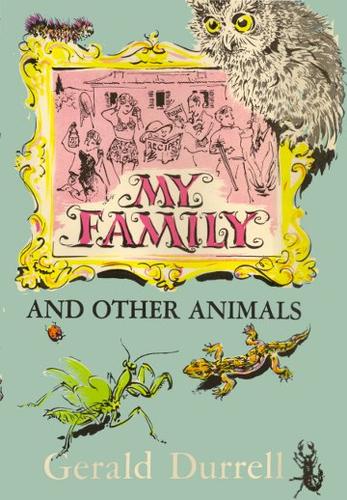

A boy, his animals, and his impossible family
In 1956, a young Englishman named Gerald Durrell published My Family and Other Animals, a memoir about the five years his eccentric family spent on the Greek island of Corfu between 1935 and 1939. He was ten years old when they arrived. His widowed mother, his pompous older brother Lawrence (already nursing literary ambitions), his sister Margo, and his brother Leslie all crowded into a succession of sun-bleached villas while Gerald roamed the hills collecting scorpions, owls, and tortoises. The book is three things at once: a loving natural history of Corfu, a family comedy of manners, and a portrait of a child's absolute certainty that the natural world is more interesting than people. It became a classic.
The story's warmth and its built-in ensemble cast (the squabbling siblings, the long-suffering locals, the eccentric tutors) made it irresistible to television. Two BBC adaptations followed, decades apart, along with a feature-length television film. Each version had to decide the same question: whose story is this, really? Gerald's or the family's? The answers differ, and the differences tell you a lot about each era's taste.
Every version of My Family and Other Animals
The source and every screen adaptation


My Family and Other Animals across the decades
- 1935The Durrell family arrives in Corfu; Gerald begins collecting animals
- 1956Gerald Durrell publishes the memoir My Family and other Animals
- 1969BBC television serial adaptation
- 1987BBC television film adaptation
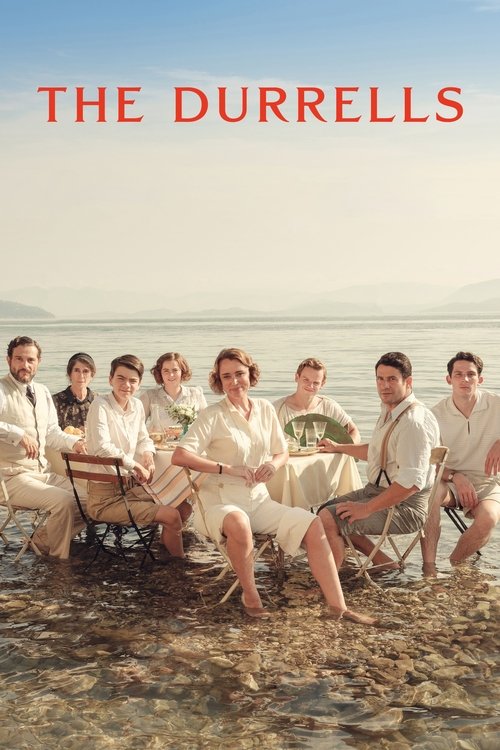
- 2016ITV series begins, drawing on all three Corfu memoirs The Durrells
- 2019The Durrells in Corfu concludes after four series The Durrells
The definitive version: the book, not any adaptation
Every screen version softens or simplifies what Durrell actually wrote. The 1956 memoir has a texture no adaptation has matched: it moves between precise zoological observation and high farce without warning, and Durrell's prose voice is both wry and genuinely tender. The family squabbles are funnier on the page because they are rendered as reported absurdity rather than dramatised sitcom. If you have only seen the ITV series, My Family and Other Animals the book will feel like a different work entirely.
The most watchable adaptation: The Durrells in Corfu (2016-2019)
The Durrells in Corfu, written by Simon Nye, is not a faithful adaptation, but it is a very good television drama. It draws on all three Corfu books, invents scenes and relationships generously, and turns the mother Louisa into the centre of the story rather than a background figure. Keeley Hawes grounds the whole thing. Four series is generous and the show earns most of it. It is warmer and more sentimental than the book, which is a reasonable trade given how well it works on its own terms.
If you love the Corfu years: other sun-soaked coming-of-age memoirs and adaptations
Childhood, heat, and the consolations of the natural world

If you love Gerald the naturalist: wildlife, obsession, and the pleasure of collecting
For readers and viewers who came for the animals

If you love the family comedy: eccentric British households and their consequences
Chaos, siblings, and the particular misery of being related to writers


Animals, memoirs, and gentle classics
Every Version of All Creatures Great and Small (All Creatures Great and Small #1-2)
Explore the Every Version of All Creatures Great and Small (All Creatures Great and Small #1-2) guide →Gerald Durrell managed something almost impossible: a nature book that is also a family novel that is also a comedy. Most adaptations pick one of those three and let the other two drift.CrossBinge editorial