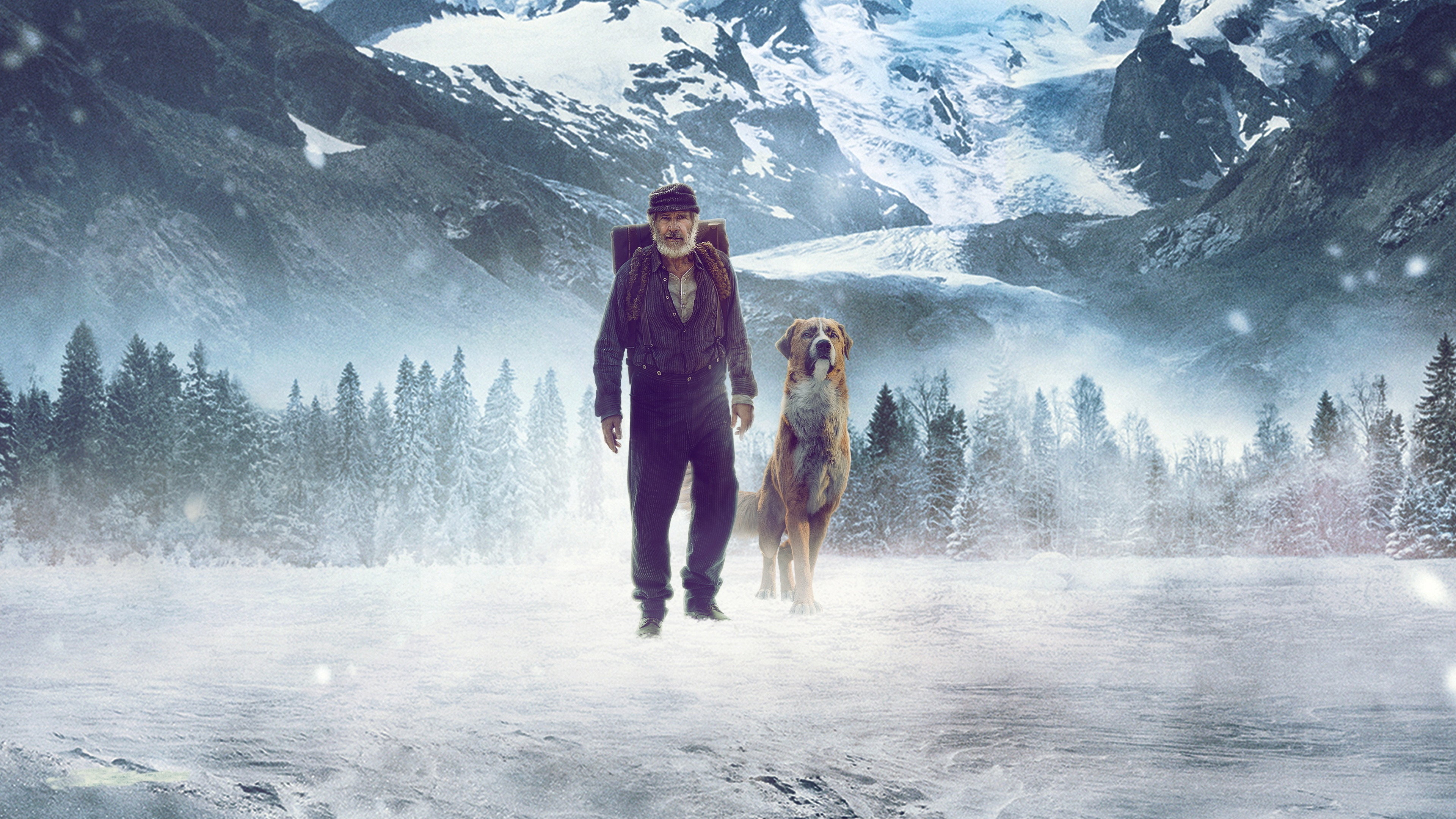

From the Klondike to every screen
Jack London published The Call of the Wild in 1903, first serialized in The Saturday Evening Post before Macmillan released it as a novel that summer. London drew on his own experience in the Klondike Gold Rush of 1897-98, and the story of Buck, a domesticated California dog stolen and sold into Yukon sled-dog service, sold out its first print run on day one. It remains one of the best-selling American novels ever written.
The appeal to adaptation is obvious: a wordless protagonist, pure elemental setting, and a clean arc from civilized comfort to primal freedom. Hollywood came for it almost immediately, in the silent era, and has returned in roughly every generation since. The versions range from a surprisingly faithful 1923 Jack Mulhall silent feature to a CGI-heavy 2020 family film, with a Toei Animation take, a Rutger Hauer TV movie, and a Rick Schroder cable production scattered across the decades in between. No two filmmakers have agreed on what the book is actually about.
Every version of The Call of the Wild
The source novel and every screen adaptation
![The Call of the Wild [adaptation]](https://covers.openlibrary.org/b/id/9378473-L.jpg)
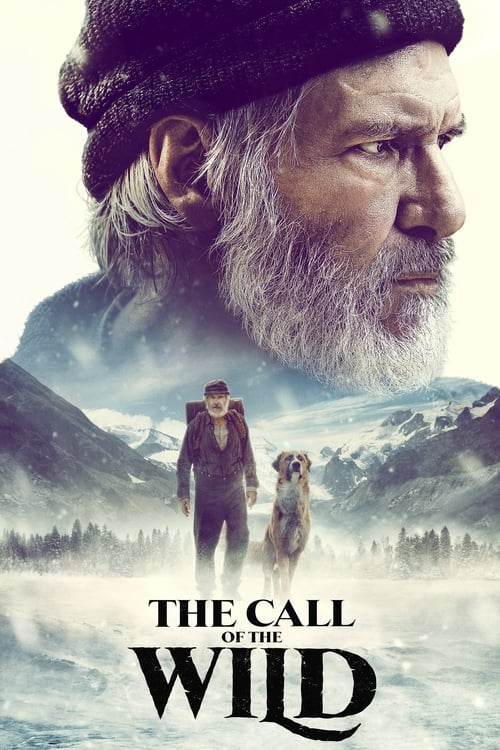
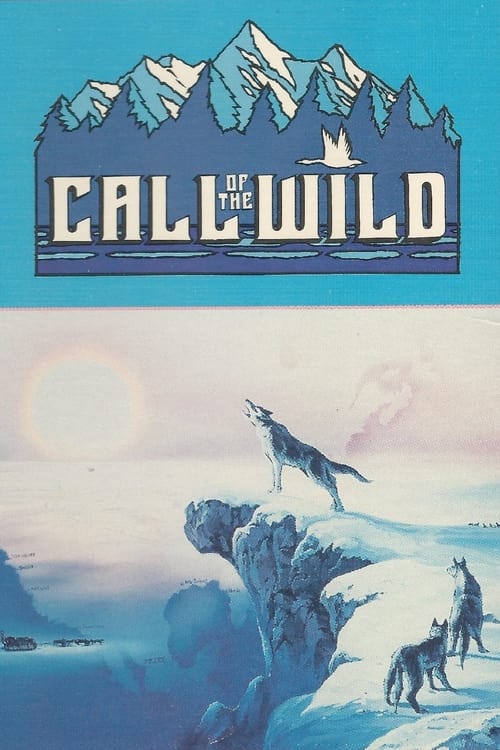
A century of adaptations
- 1903Jack London publishes the novel
- 1923First faithful silent feature, directed by Fred Jackman, starring Jack Mulhall as Thornton
- 1935Clark Gable and Loretta Young in William Wellman's loose but magnetic studio adaptation
- 1972European co-production with Charlton Heston, filmed partly on location
- 1976Made-for-TV adaptation starring John Beck
- 1981Toei Animation's Howl Buck, a faithful and notably brutal Japanese anime feature
- 1993Cable TV movie starring Rick Schroder as Thornton, directed under the Alan Smithee pseudonym
- 1996Direct-to-video animated feature with original songs
- 1997Dog of the Yukon TV movie with Rutger Hauer as Thornton, narrated by Richard Dreyfuss
- 2020Disney theatrical release co-starring Harrison Ford, with a fully CGI Buck
The definitive version is still the 1935 film
William Wellman's 1935 adaptation takes liberties London's estate reportedly hated, folding in a human romance and a gold-rush adventure plot that buries the novel's animal-psychology focus. None of that matters. Clark Gable is so relaxed and magnetic that the film holds up as pure Hollywood craft, and the location photography in the actual Yukon gives it a physical weight no later version has matched. It is the one to watch if you only watch one.
The 1981 anime is the strangest and most faithful adaptation nobody has seen
Toei Animation's The Call of the Wild: Howl Buck from 1981 is the version that gets closest to what London actually wrote. It follows the novel's plot without the romantic subplot filmmakers keep grafting on, it does not soften the violence of sled-dog servitude, and its ending, with John Thornton killed and Buck running free with the wolves, lands as genuinely affecting rather than merely picturesque. It circulates in English dub on VHS rips and is worth tracking down precisely because so few people know it exists.
The 2020 version asks you to forget Buck is a real dog
The Harrison Ford 2020 theatrical release is a competent family film that cannot get past its central problem: Buck is fully computer-generated, a remarkably expressive CGI creation that nonetheless reads at every moment as animated. London's entire novel depends on the reader believing in Buck's physical reality and inner life. When you can see the rendering budget at work, that belief collapses. The film is not bad, but it is the version that most thoroughly misses the point.
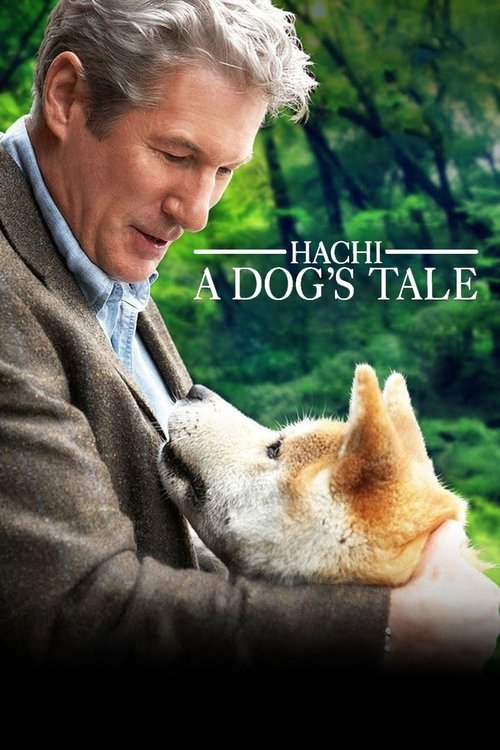
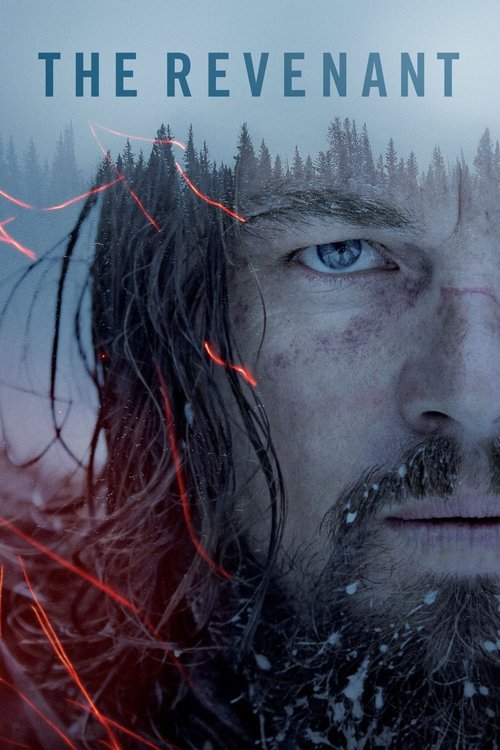
If you love the wilderness survival arc
Stories about humans and animals pushed to the edge of the livable world
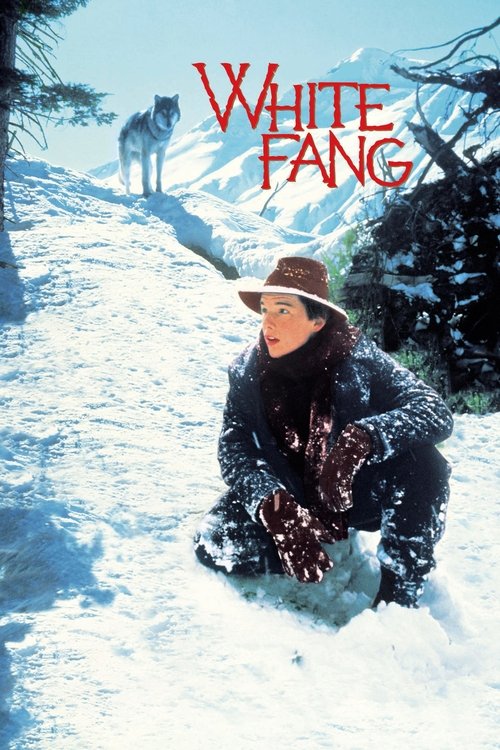
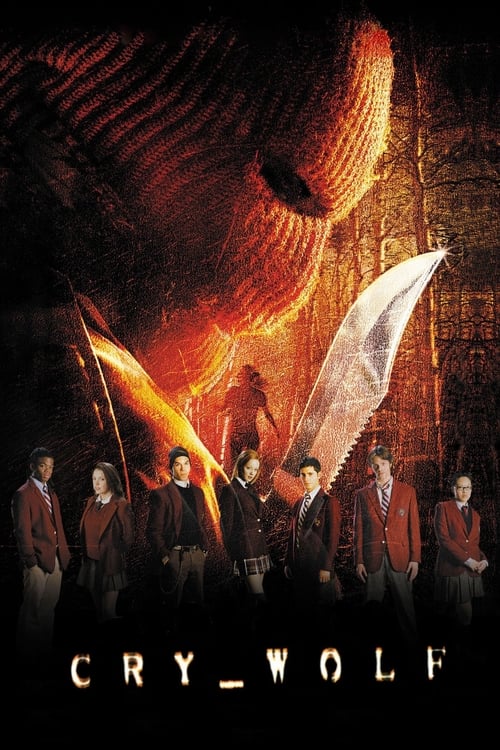
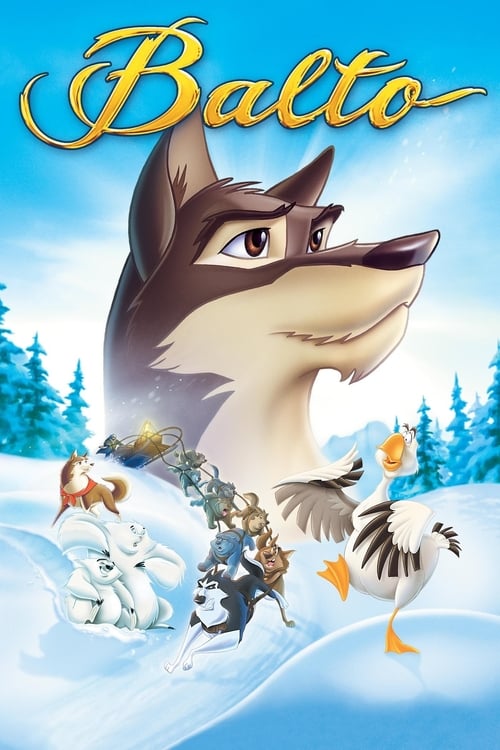
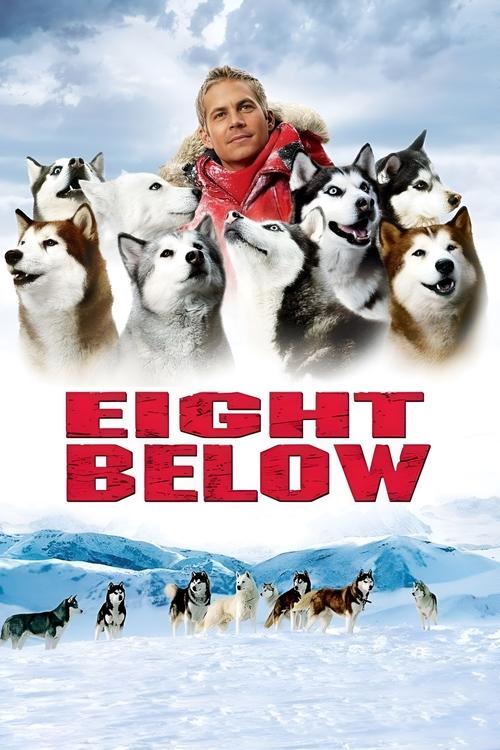
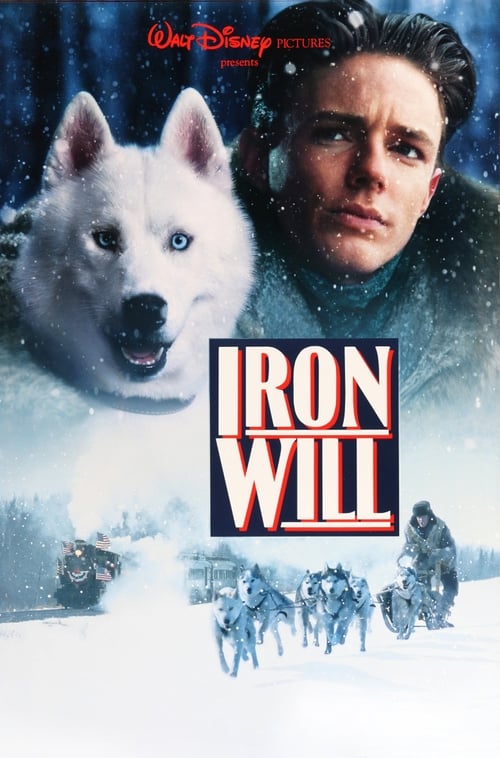
If you love the Klondike Gold Rush setting
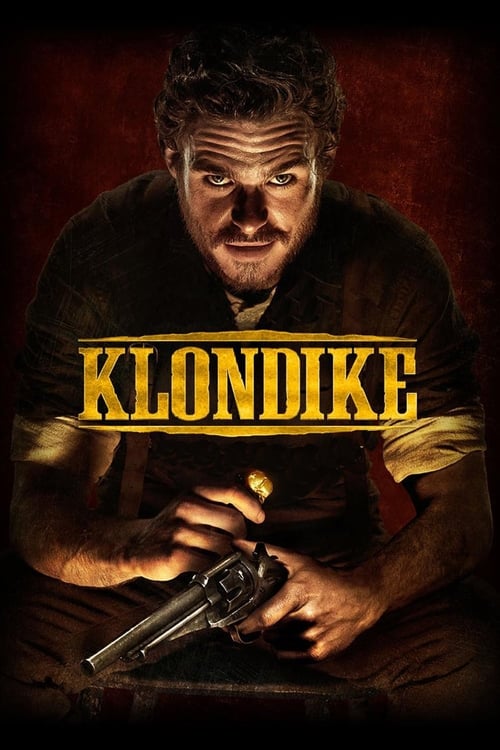
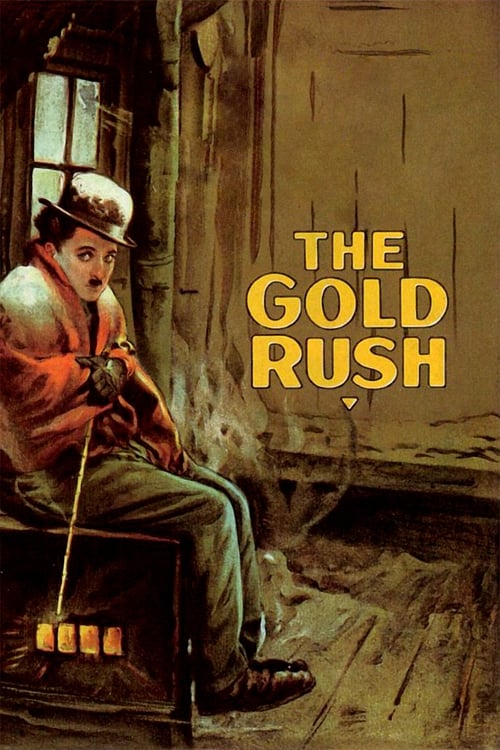
The lawless north, the frozen frontier, the get-rich hunger
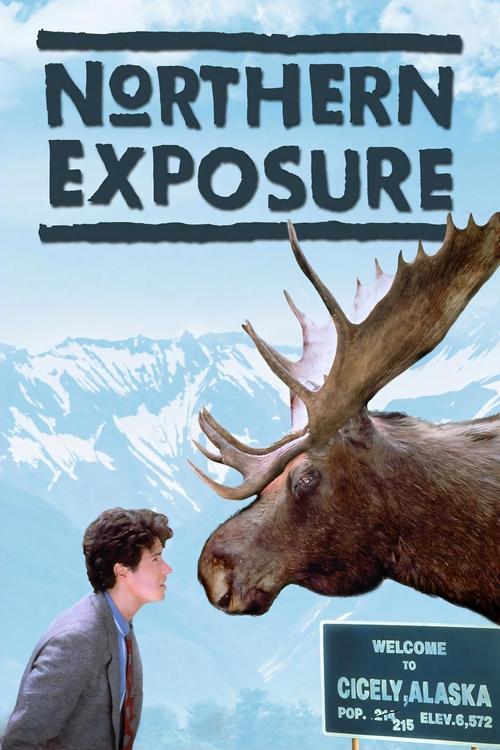
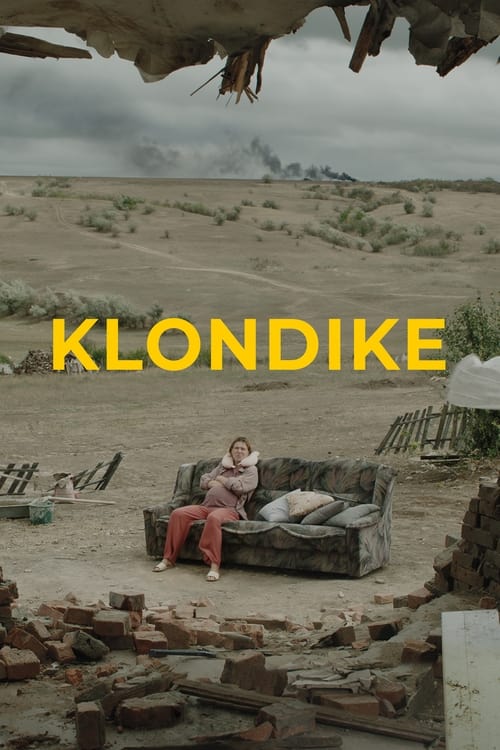
If you love the feral-freedom theme
Characters, human and animal, who return to something wilder than civilization
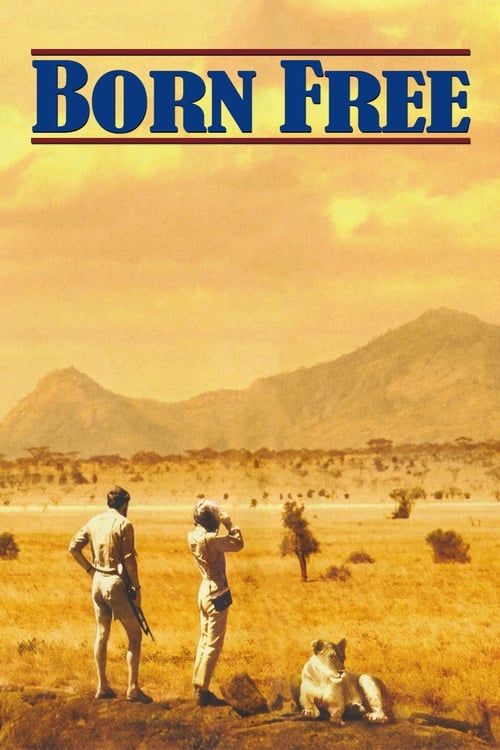
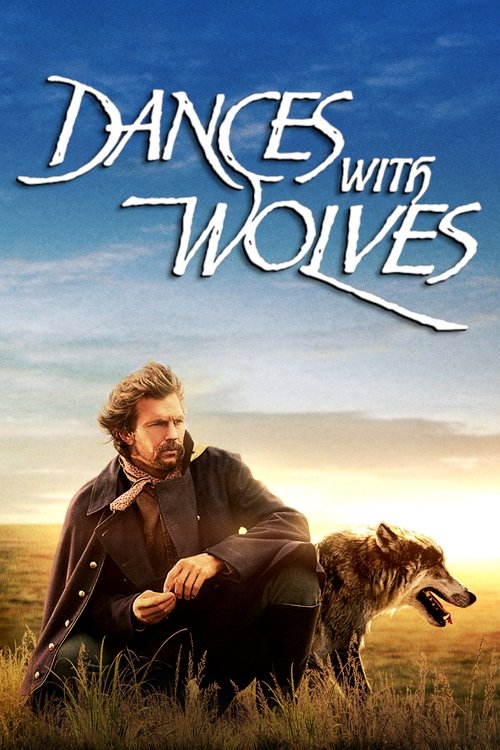

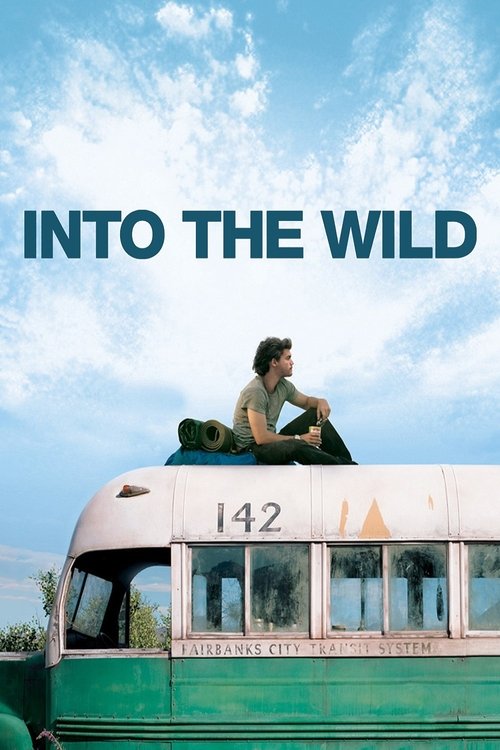
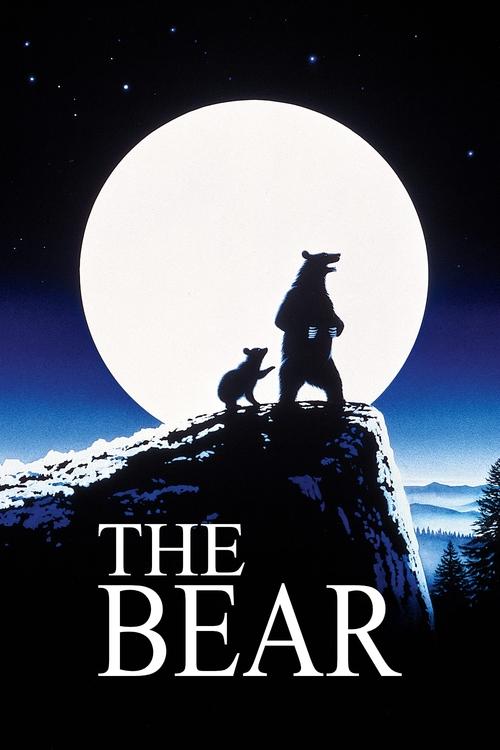
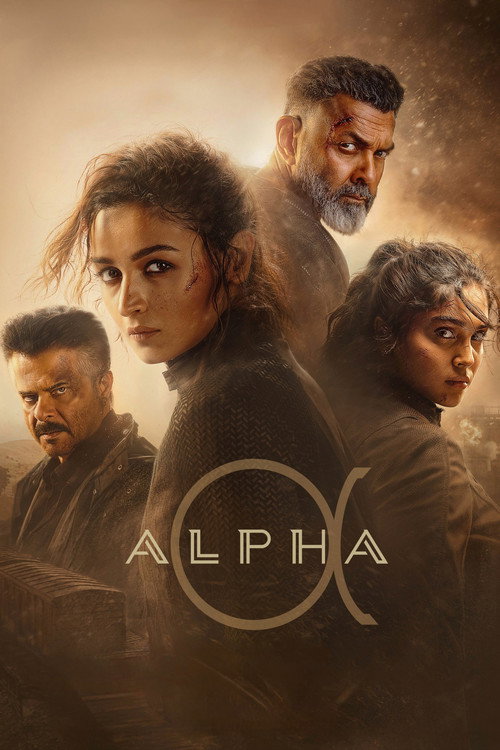
More Wilderness and Frontier Tales
Wilderness Survival
Explore the Wilderness Survival guide →London said he intended Buck as a symbol of the wild instinct that modern civilization suppresses in all of us. Every generation of filmmakers has tried to film that idea and found it just slightly out of reach.CrossBinge editors