

Where It Started
Saturday Night Live is not adapted from anything. It began as an original idea: Lorne Michaels pitched NBC on a live, weekly comedy-variety show hosted by young writers and cast members who would do it themselves, without a star anchor. The first episode aired October 11, 1975, with George Carlin as host, a cast that included Chevy Chase, John Belushi, Dan Aykroyd, Gilda Radner, Jane Curtin, Laraine Newman, and Garrett Morris, and a mandate to be funny in ways that television had never quite allowed before.
What nobody anticipated was that the show would become a production engine. The sketches that landed hardest kept getting requested, and eventually the network started asking whether they could be something more. By 1980, the Blues Brothers were a movie. By 1992, Wayne and Garth were playing to multiplexes. Over five decades, SNL sketches have generated films, a revival series, oral histories, documentaries, and a dramatized film about the show itself. The original broadcast is still running.
Every Version of Saturday Night Live
The show, its spinoff films, the revival series, and the screen story of the night it all began

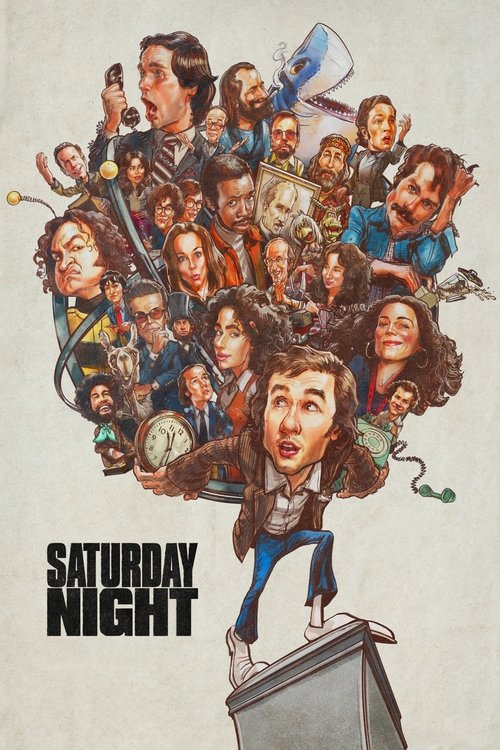
SNL Across Media: A Timeline
- 1975Saturday Night Live premieres on NBC Saturday Night Live
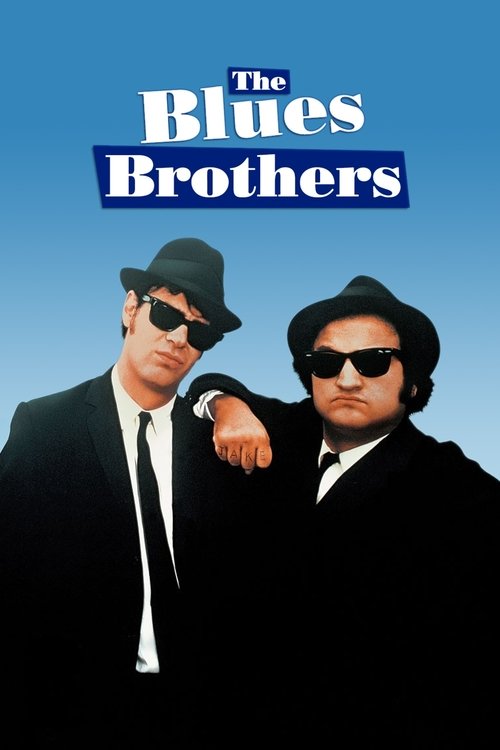
- 1980Blues Brothers sketch becomes a film The Blues Brothers
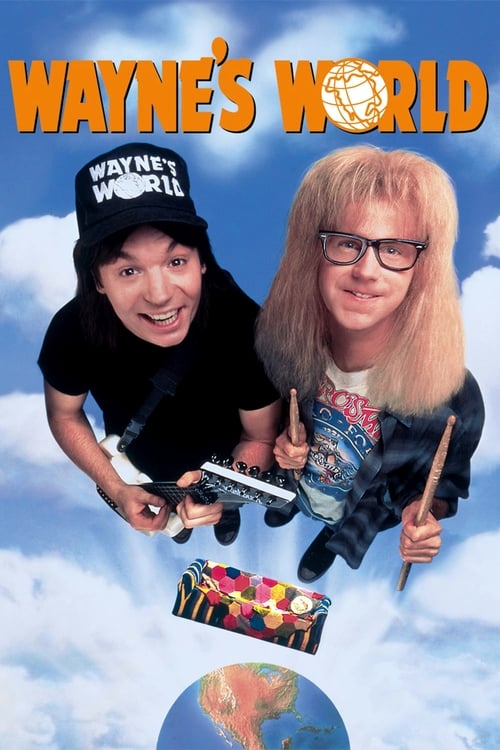
- 1992Wayne's World opens wide Wayne's World
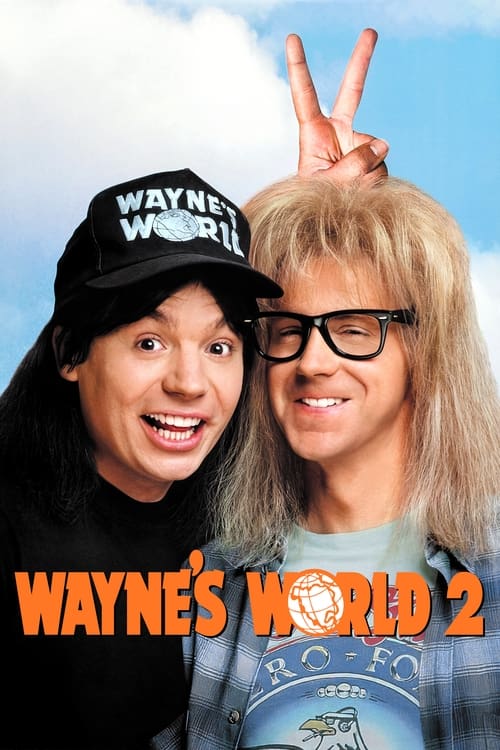
- 1993Wayne and Garth return; Coneheads land on the big screen Wayne's World 2
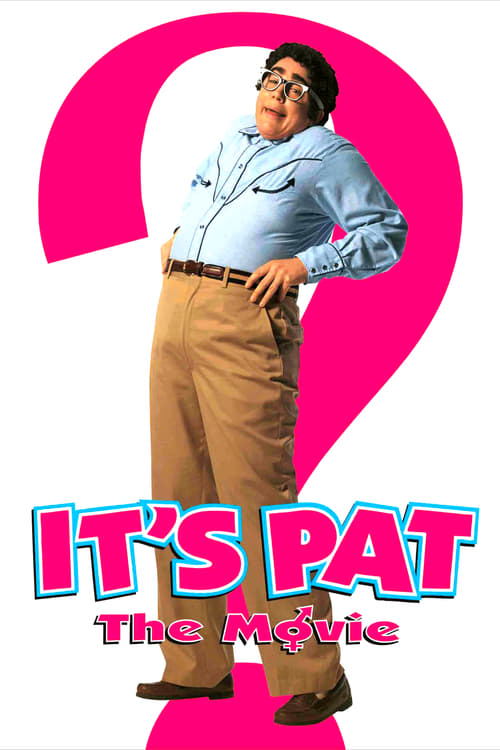
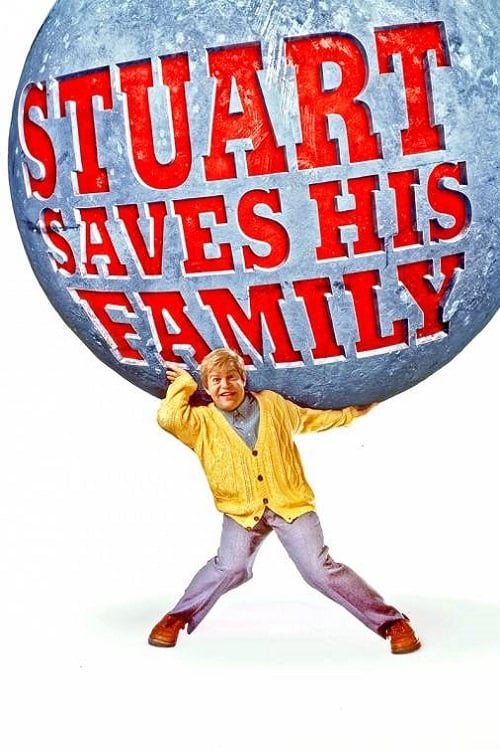
- 1994It's Pat and Stuart Saves His Family round out the first wave of sketch films
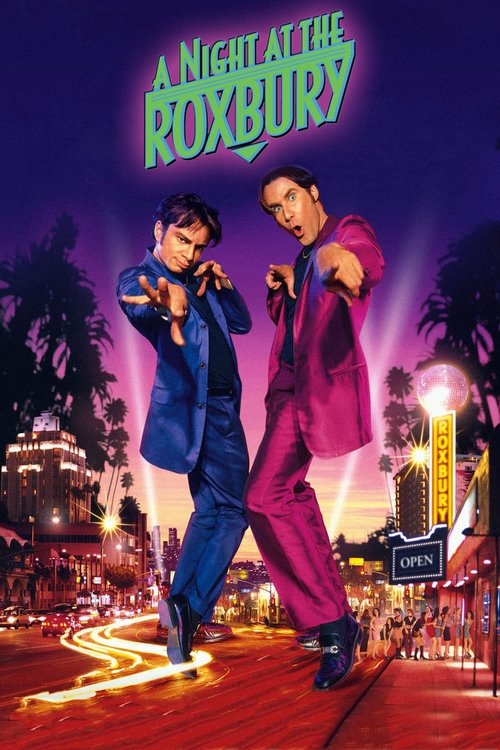
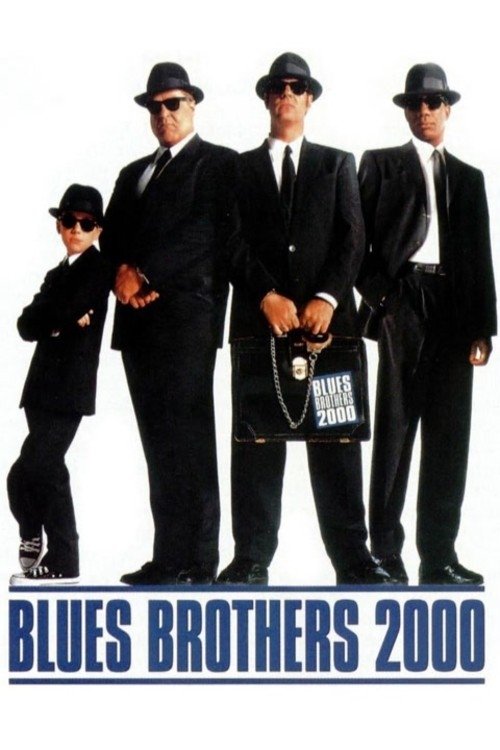
- 1998A Night at the Roxbury and Blues Brothers 2000 A Night at the Roxbury
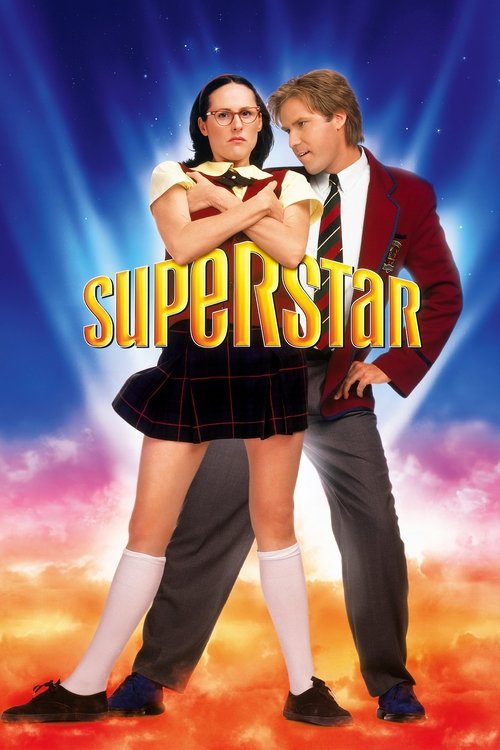
- 1999Superstar (Mary Katherine Gallagher) Superstar
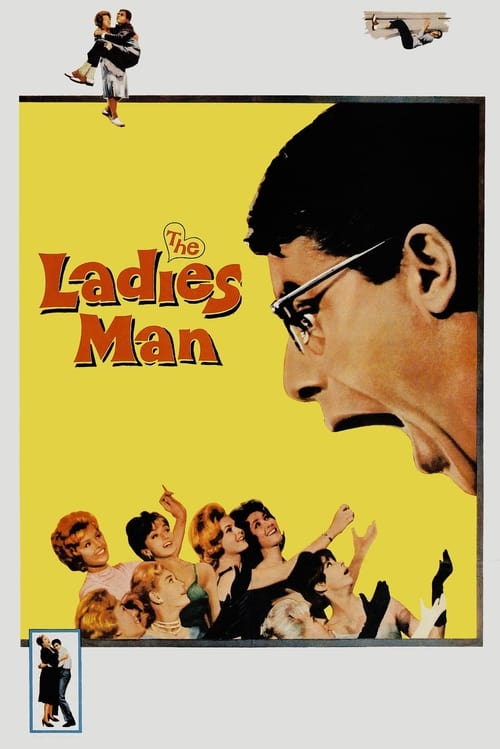
- 2000The Ladies Man closes the first cycle of sketch films The Ladies Man
- 2002Live from New York oral history published
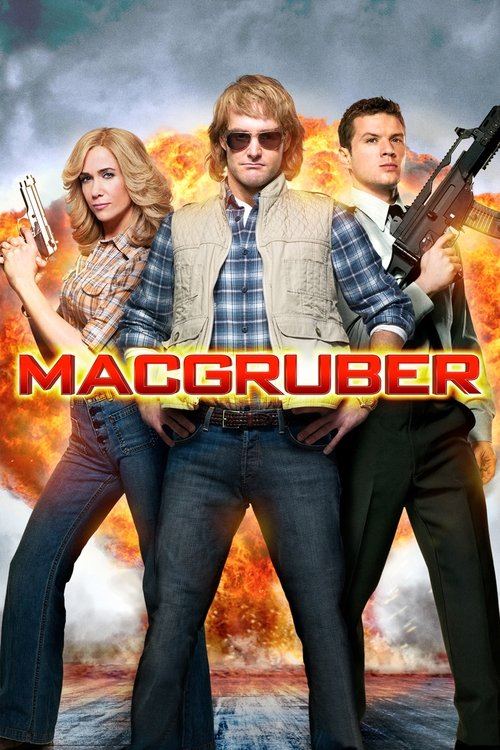
- 2010MacGruber becomes a feature film MacGruber
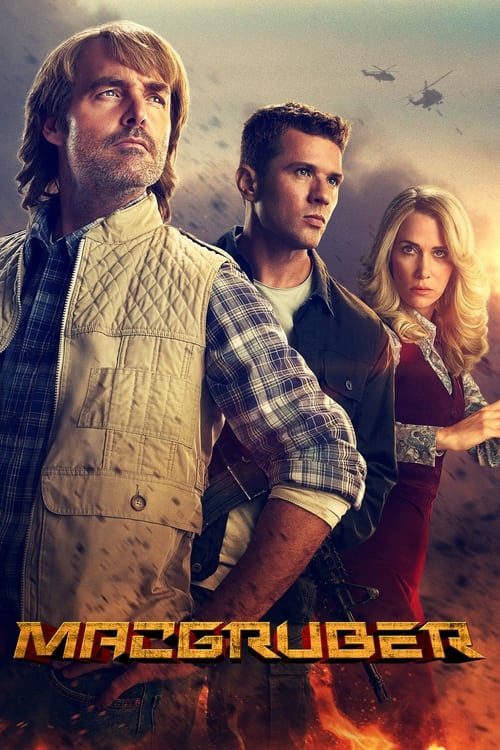
- 2021MacGruber returns as a Peacock limited series MacGruber
- 2024Saturday Night dramatizes the chaotic first broadcast Saturday Night
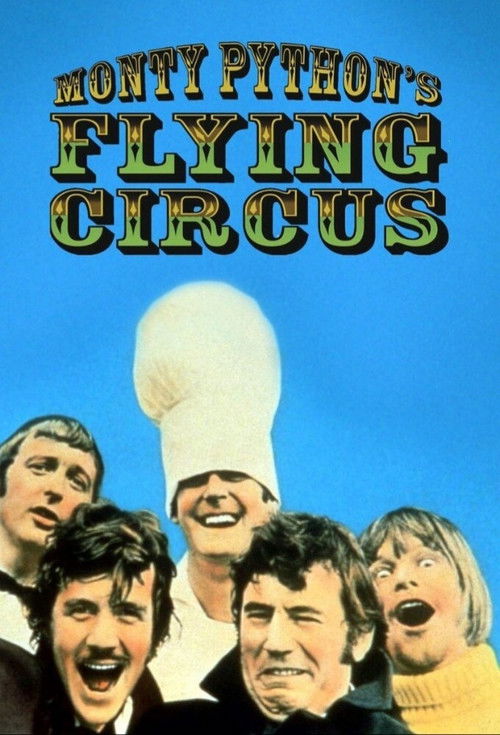
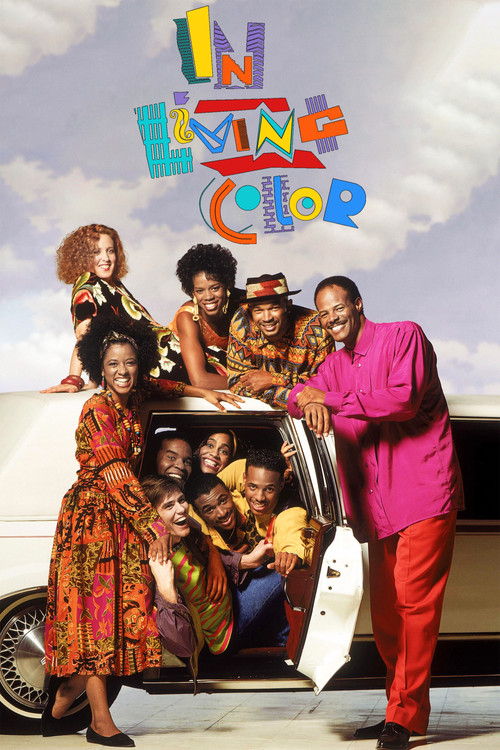
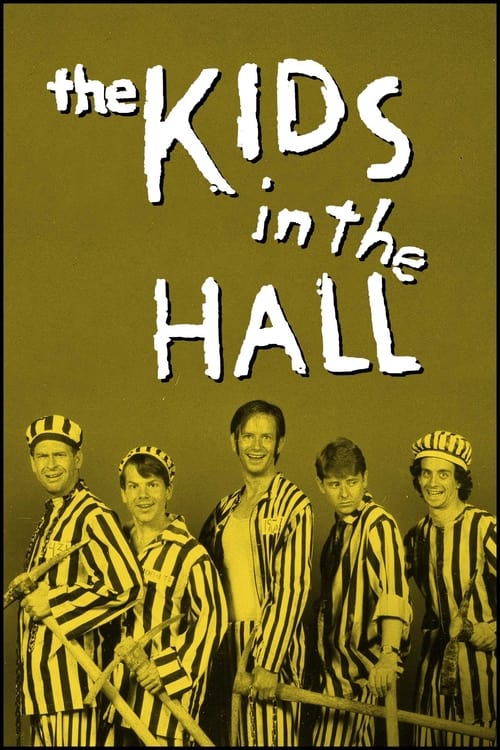
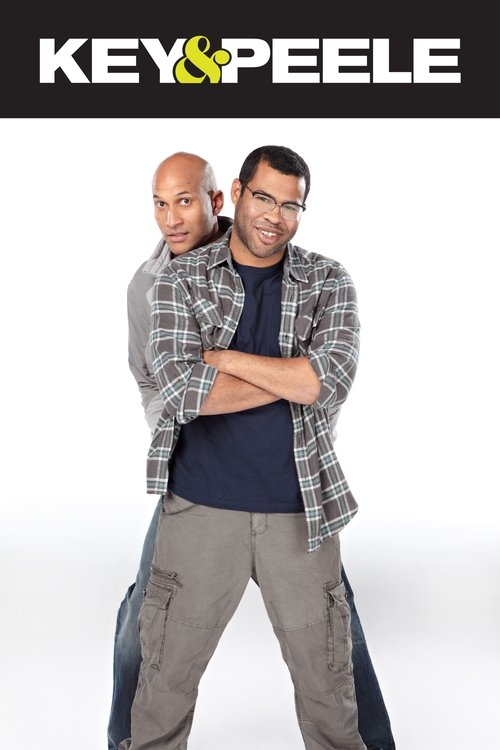
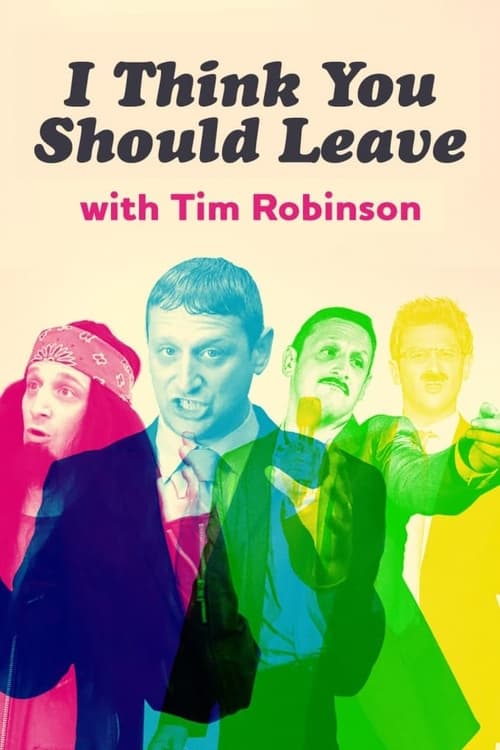
If you love SNL: The Great Sketch Comedy Ensembles
Live, taped, and anarchic, these shows share SNL's belief that the best comedy comes from people who can write and perform

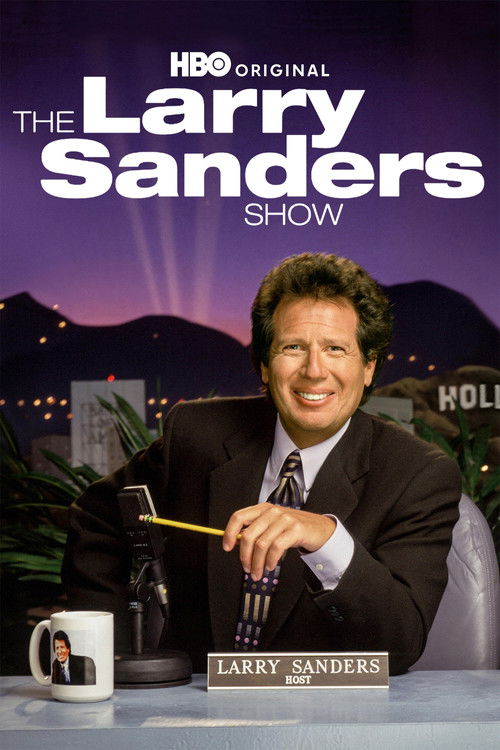
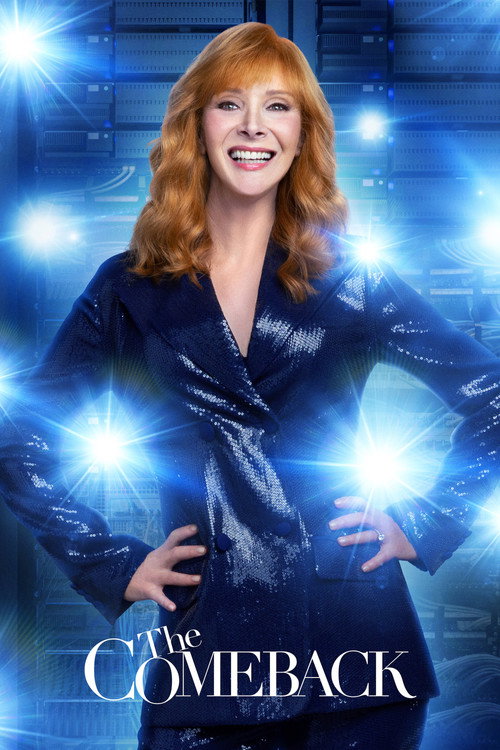
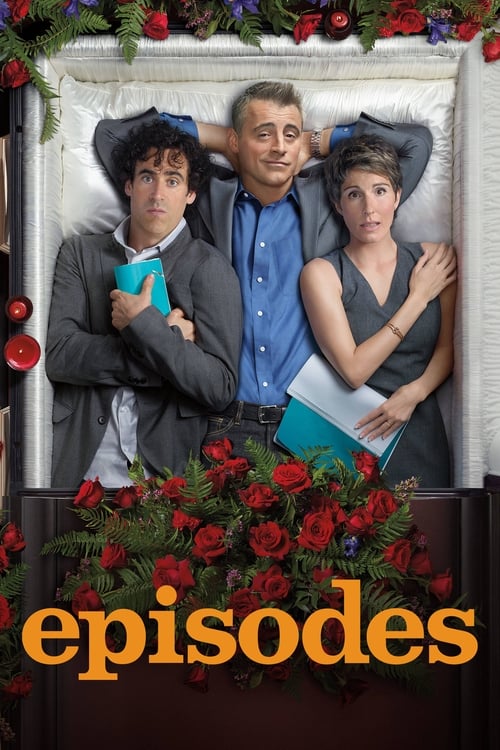
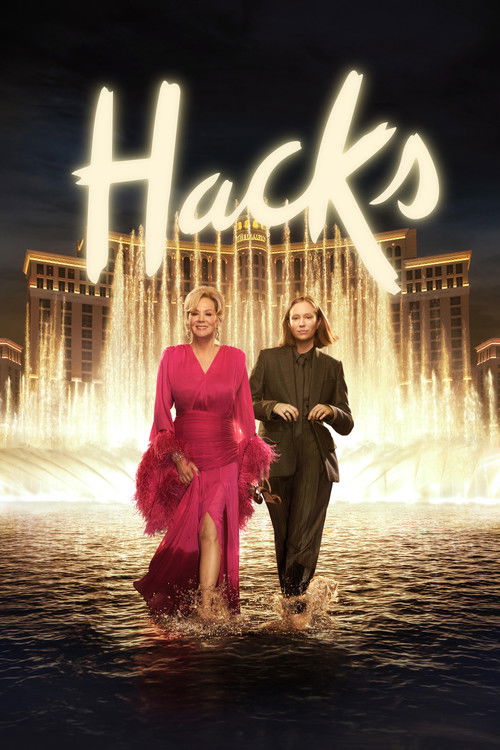
If you love SNL: Behind the Curtain of Live Television
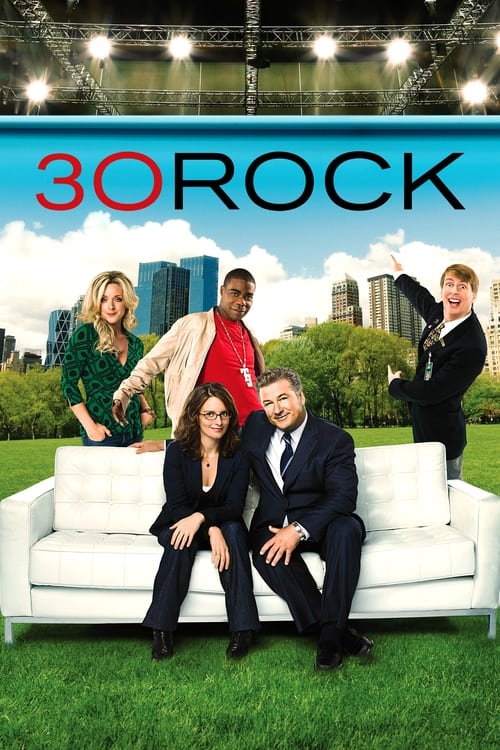
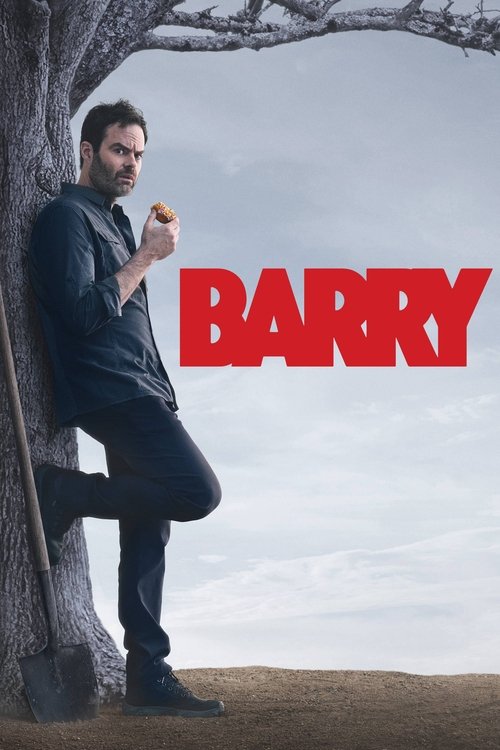
The absurdity and pressure of making comedy in real time, on camera, in front of people who expect it to be funny
If you love the Blues Brothers: Music-Driven Film Comedy
The Blues Brothers is the rare SNL spinoff that transcended its sketch origins. These films share the same love of performance and road-movie energy

The definitive version is still the live show, in the seasons when the cast was hungry
No spinoff has matched the original broadcast at its peak. The show's first five seasons (1975 to 1980) and the Eddie Murphy era (1980 to 1984) set the terms of American comedy in ways no single film has replicated. The pressure of live television, the genuine uncertainty of whether a sketch would land, the cast writing all week and performing with no safety net: none of the films get near that. Wayne's World comes closest to capturing the original spirit, because it kept the low-fi absurdity of the sketch intact rather than inflating it into something grander.
The most underrated entry is Saturday Night (2024), a film almost nobody saw
Jason Reitman's film compresses the entire first broadcast into a single 90-minute real-time sprint through Studio 8H, and it captures the institutional panic, the creative chaos, and the specific absurdity of trying to do something new on a medium that rewards caution. It is not a biopic; it is a thriller with punch lines. It deserved a wider audience than it found.
Skip It's Pat and most of the mid-90s sketch films
The wave of sketch-to-film adaptations between 1993 and 2000 mostly demonstrated that a three-minute sketch premise does not have the structural load-bearing capacity of a feature film. It's Pat is the clearest example: the joke was always that you would never know, and stretching that into 77 minutes removes the only reason the sketch worked. A Night at the Roxbury and Coneheads have their defenders, but they are curiosities rather than films. The Blues Brothers is the exception that proves the rule, and it worked because Aykroyd and Landis treated it as an actual movie, not a sketch with more room.