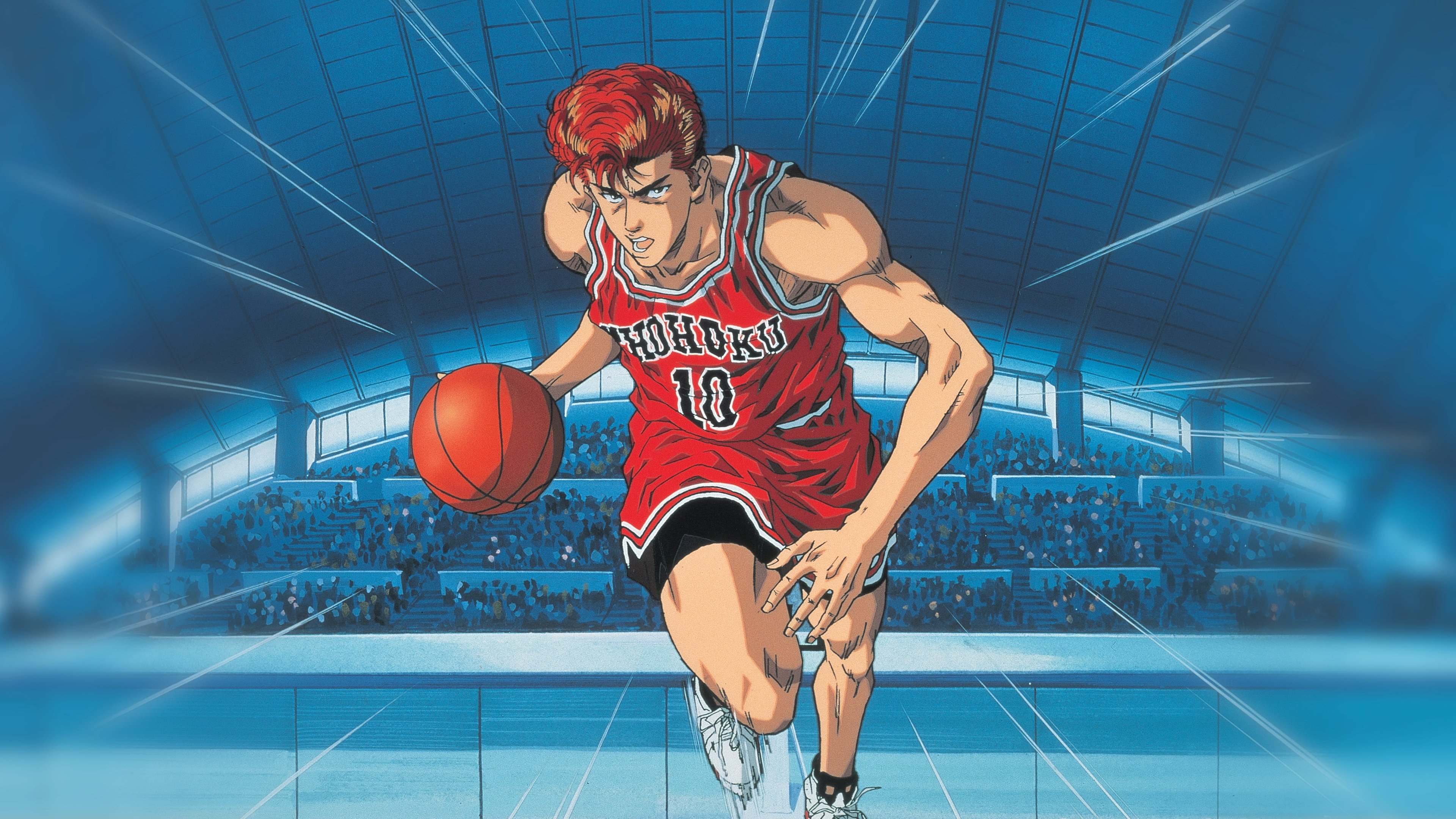

From a one-shot to 157 million copies
Slam Dunk began with a prototype. In the summer of 1990, Takehiko Inoue published a one-shot called Aka ga Suki in Weekly Shonen Jump Special, sketching the rough outlines of a red-haired delinquent and a girl named Haruko. That autumn, the full series launched in Weekly Shonen Jump and ran until June 1996, producing 31 collected volumes and selling over 157 million copies worldwide. The premise was deliberately simple: Hanamichi Sakuragi, a fight-prone high school misfit with zero basketball knowledge, joins the Shohoku High School team to impress a girl and finds something he is actually made for.
Inoue's timing was serendipitous. Basketball was ascending in Japan in the early 1990s, fuelled partly by the NBA's global expansion and the arrival of Michael Jordan on the world stage. Slam Dunk met that wave and helped accelerate it, credited by many in Japan with driving a generation to pick up the sport. Toei Animation adapted the manga almost in real time, premiering the TV series in October 1993 while the manga was still running, and releasing four short theatrical films between 1994 and 1995. Video games arrived on the Super Famicom and other platforms through the mid-1990s.
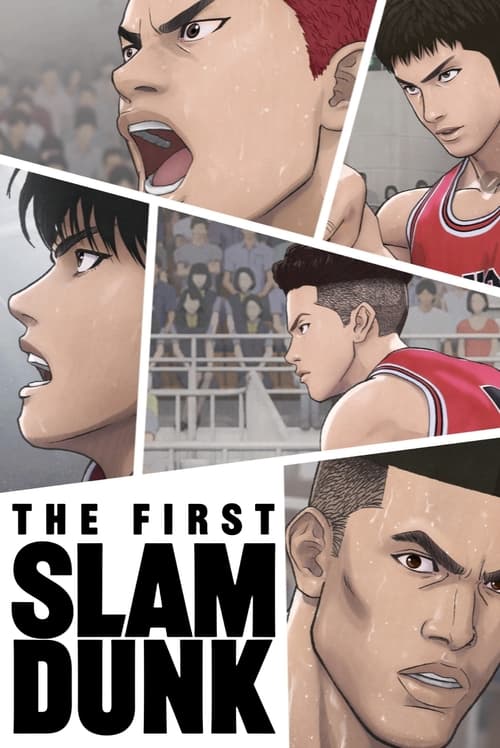
Then the series went quiet for more than two decades. Inoue moved on to Vagabond and Real, and the anime never covered the manga's climactic final arc. It was not until 2022 that Inoue himself returned to direct The First Slam Dunk, an animated film that retells the story's pivotal match from the point of view of point guard Ryota Miyagi. The film replaced the entire original voice cast, blended 2D and CG animation, and opened on December 3, 2022 in Japan, where it outperformed both Demon Slayer and Suzume at the box office that season.
Every version of Slam Dunk
The source manga, the TV series, four theatrical shorts, and the 2022 feature


Slam Dunk across the decades
- 1990One-shot prototype, Aka ga Suki, published in Shonen Jump Special
- 1990Slam Dunk manga serialization begins in Weekly Shonen Jump
- 1993TV anime premieres on Fuji TV, produced by Toei Animation (101 episodes)
- 1994First theatrical short released (March)
- 1994Second theatrical short released (July)
- 1994Super Famicom game Shikyou Gekitotsu!! released by Bandai
- 1995Third and fourth theatrical shorts released
- 1995Super Famicom game SD Heat Up!! released
- 1996Manga ends in Weekly Shonen Jump (June); TV anime concludes (March)
- 2022The First Slam Dunk theatrical film, directed by Inoue himself, released December 3
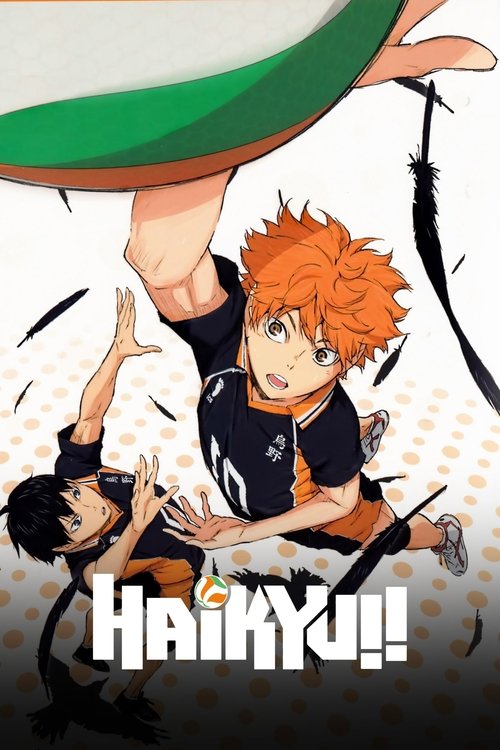
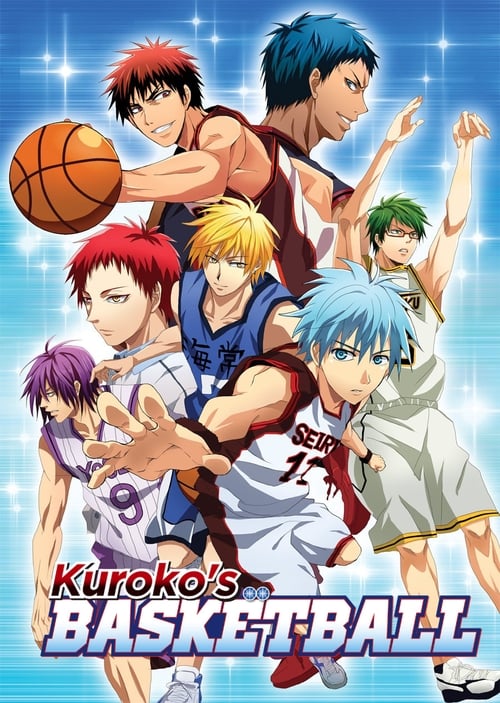
If you love Slam Dunk: sports anime that changed the genre
Series that share its spirit of underdogs, rivalry, and growth
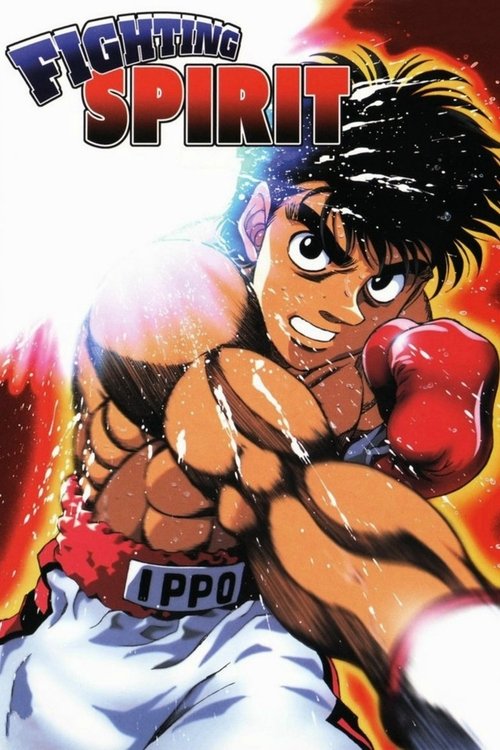
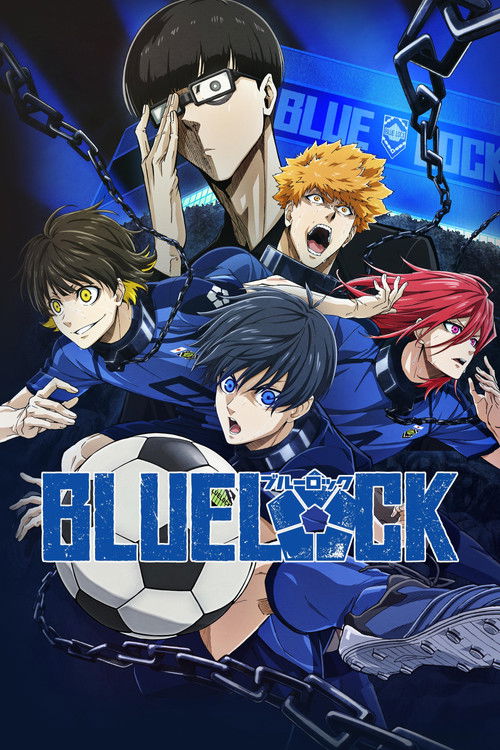
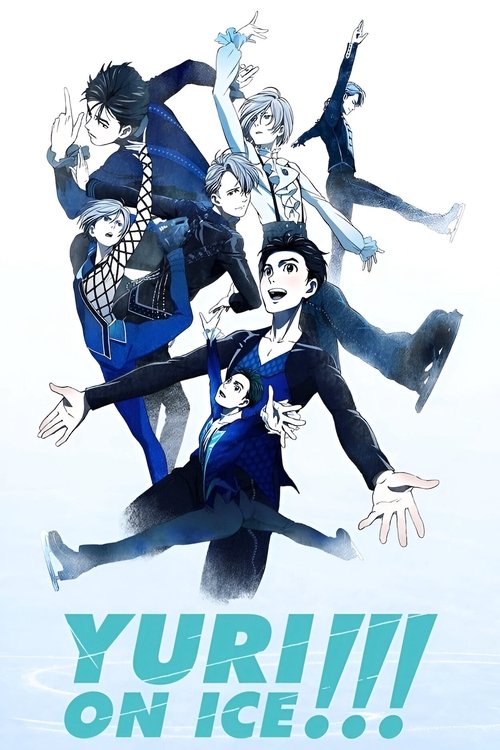
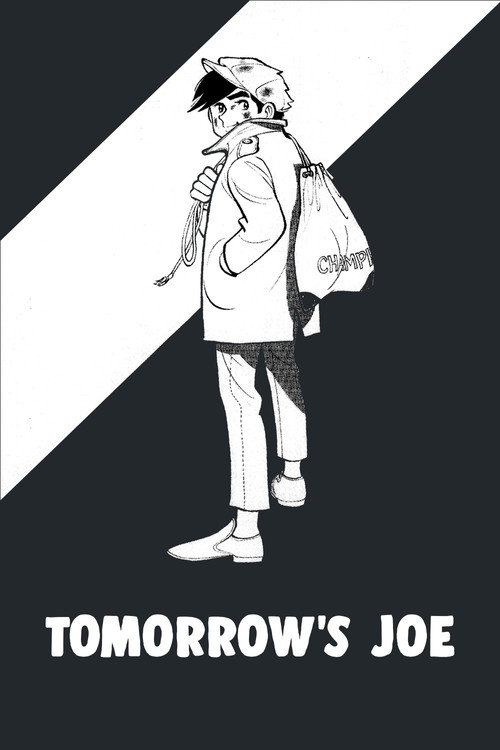
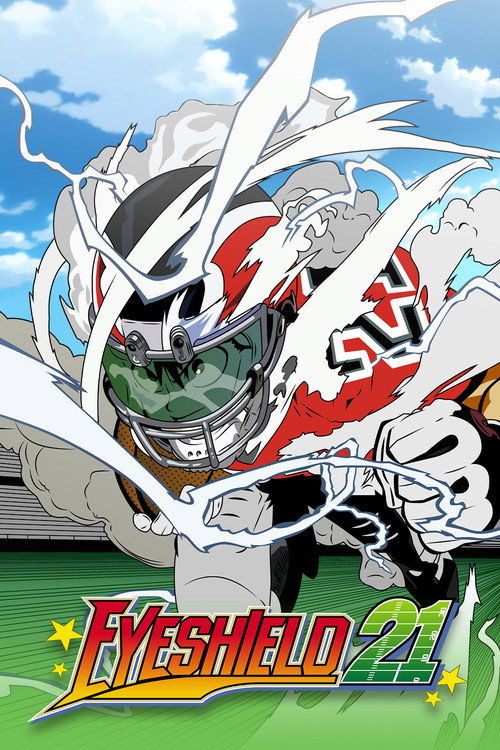
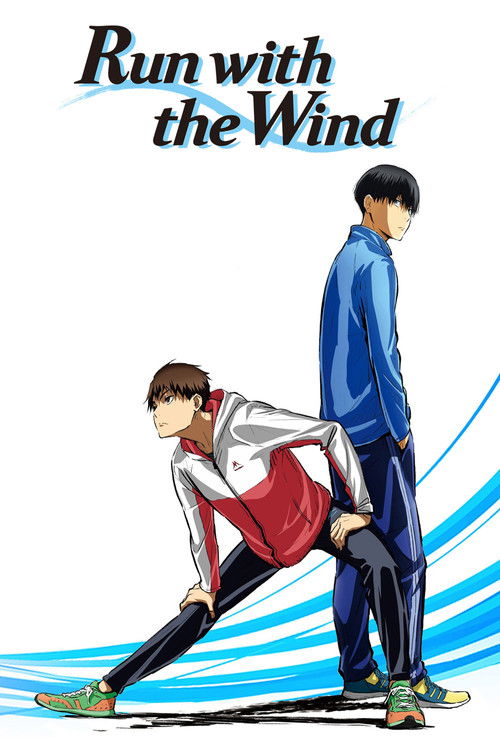
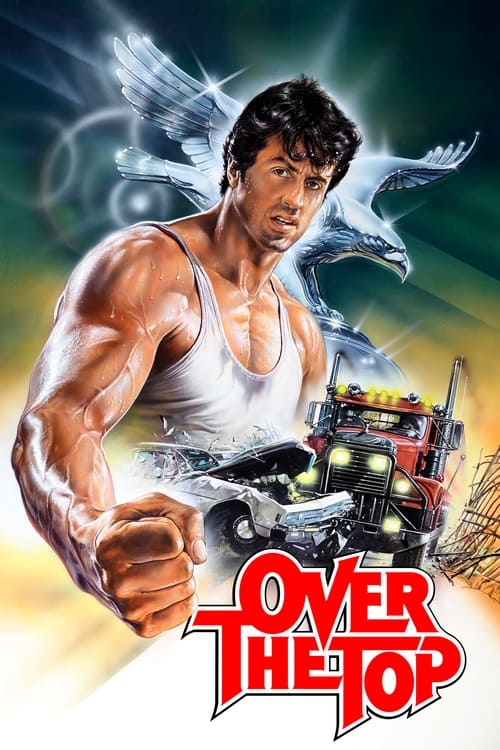
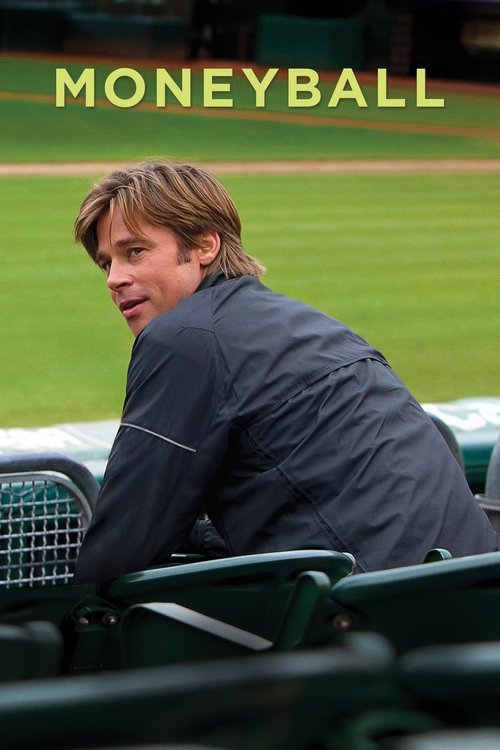
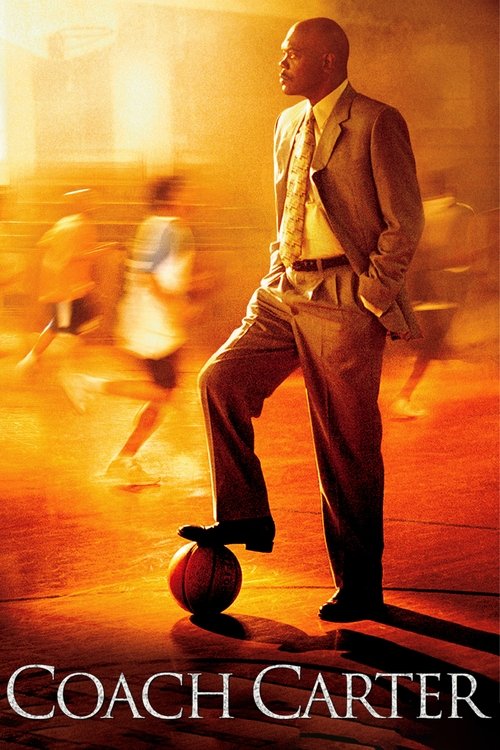
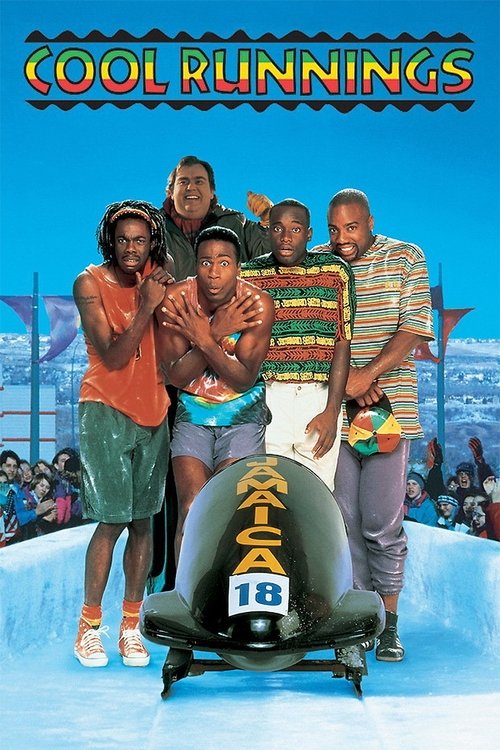
If you love Slam Dunk: stories about misfits finding their sport
Films about late bloomers and self-discovery through competition
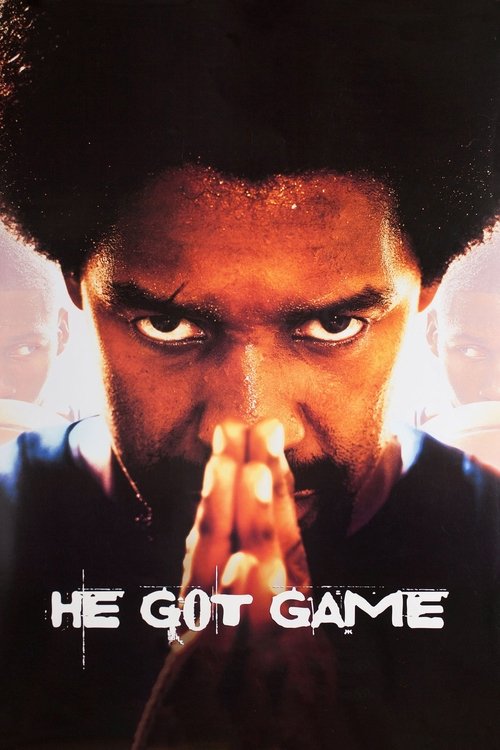

The definitive version: The First Slam Dunk (2022)
Inoue spent 26 years before returning to his own story, and the result is the version that finally covers what the 1990s anime never reached: the Sannoh match. By recentering the narrative on Ryota Miyagi instead of Sakuragi, the film gains an emotional specificity the TV series, with its broader comedic focus, never quite achieved. The CG-assisted animation during game sequences is the best basketball put on film in any medium. It earned a 100% critics score on Rotten Tomatoes and outperformed every other animated release in Japan that season.
The underrated version: the original manga
Most Western fans encountered Slam Dunk through the anime, which aired out of order or in dubbed form across Asia. The manga is considerably sharper: Inoue's draftsmanship grew visibly issue by issue, and the final arc covering the National Tournament, which the anime never adapted, is where the story reaches its full emotional weight. Reading the manga is the only way to see how it ends.
The one to approach carefully: the 1990s TV anime
The 101-episode Toei anime is perfectly watchable as nostalgia and captures the comedy and early warmth of the manga well. But it padded the runtime with filler, never reached the manga's climax, and replaced the manga's increasingly refined art with the looser production values typical of mid-1990s weekly animation. Start here only if you want the full, slow-burn experience. Otherwise, read the manga first and watch the 2022 film.