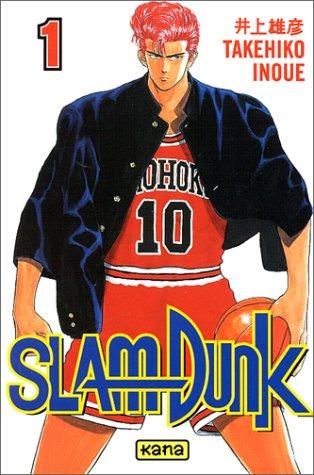

Slam Dunk arrived in Weekly Shonen Jump in 1990 and did something almost no sports manga had managed before: it made basketball feel like life. Hanamichi Sakuragi is not a chosen one. He is a brawler who joins the Shohoku High basketball team entirely to impress a girl, and the comedy of his ignorance collides head-on with the genuine passion of teammates who have given years to the sport. What emerges over 276 chapters is a story about what it costs to learn something from scratch, about egos cracking open to reveal real desire, and about the specific joy of a team clicking into place at exactly the right moment. The 1993-1996 anime brought that drama to millions of viewers across Asia, and Inoue's 2022 theatrical film The First Slam Dunk reframed the Sannoh match through Ryota Miyagi's eyes and proved the property still hits harder than almost anything in sports animation. If you love Slam Dunk, you love the sweat behind the highlight reel.
Essential Slam Dunk
The core of the franchise, across every form it has taken



Similar Anime: Sports, Grit, and Growth
Series that chase the same feeling of underdogs finding their game
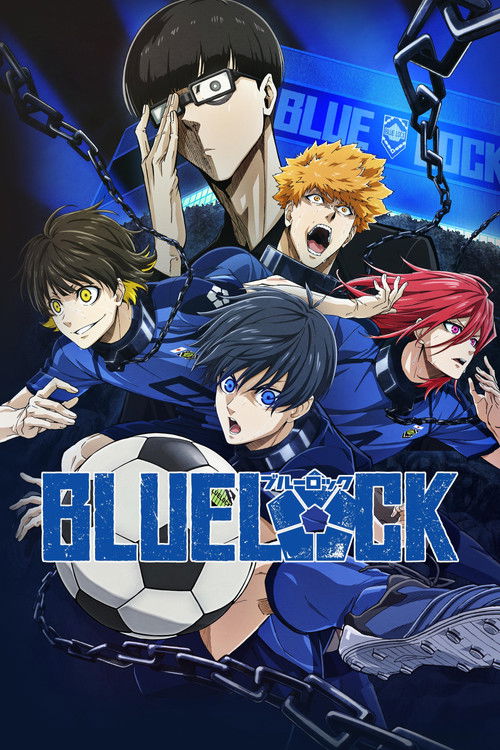
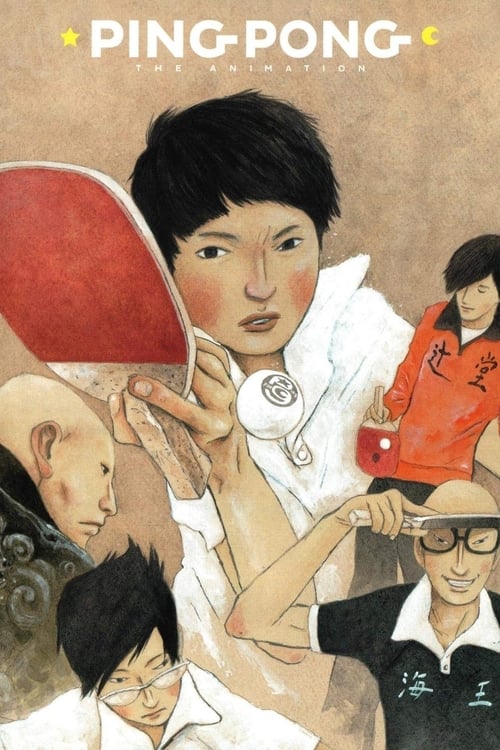

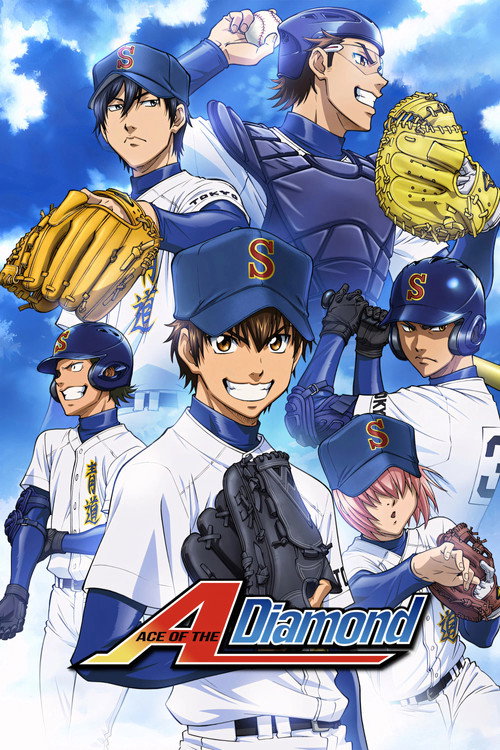
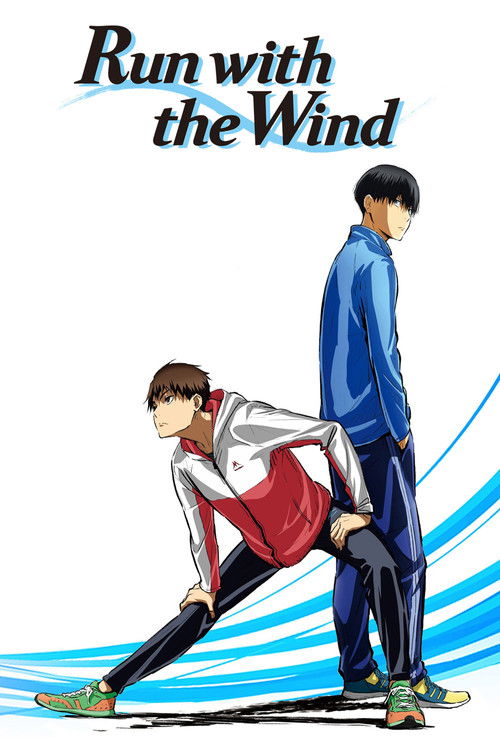
Films with the Same Drive
Basketball and sports movies built on character, not just competition
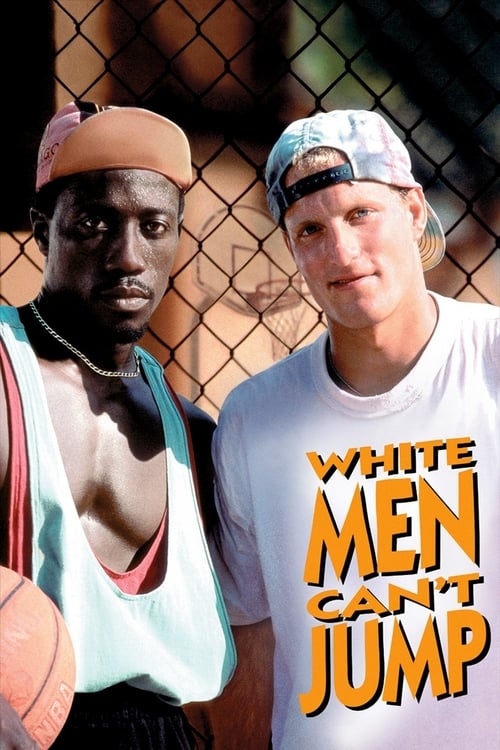
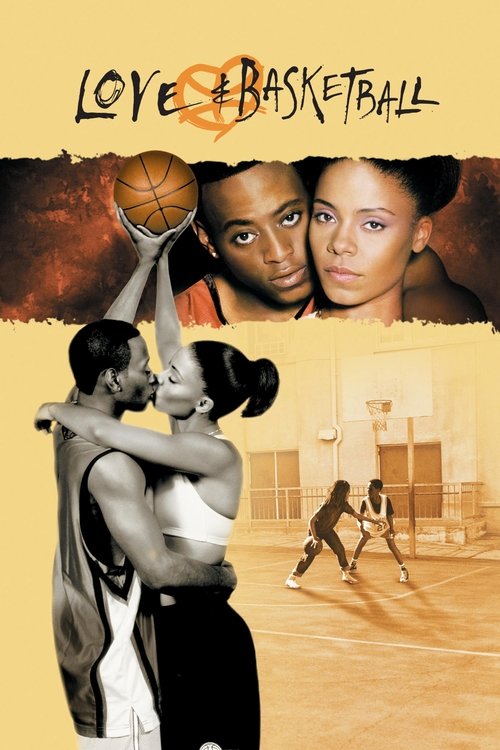
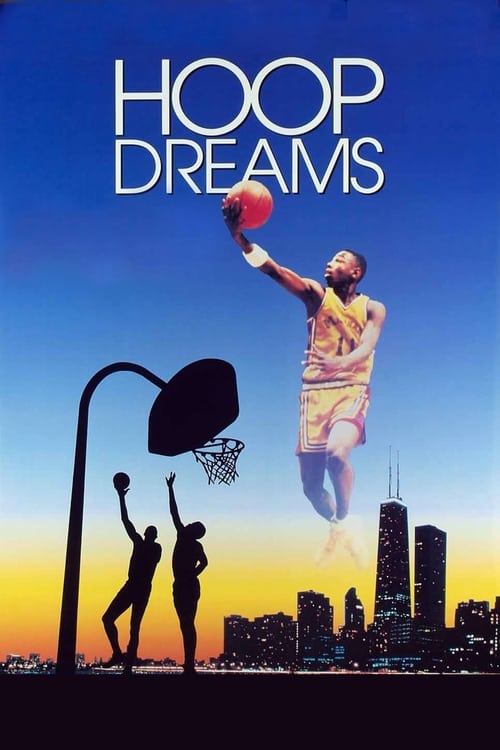

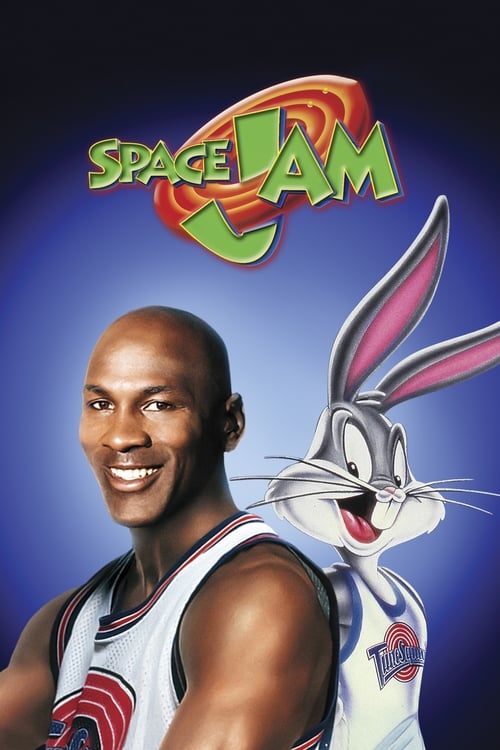
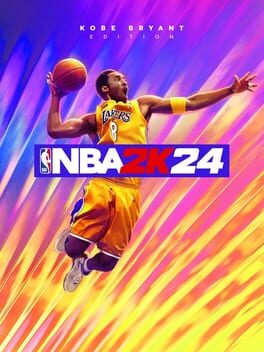
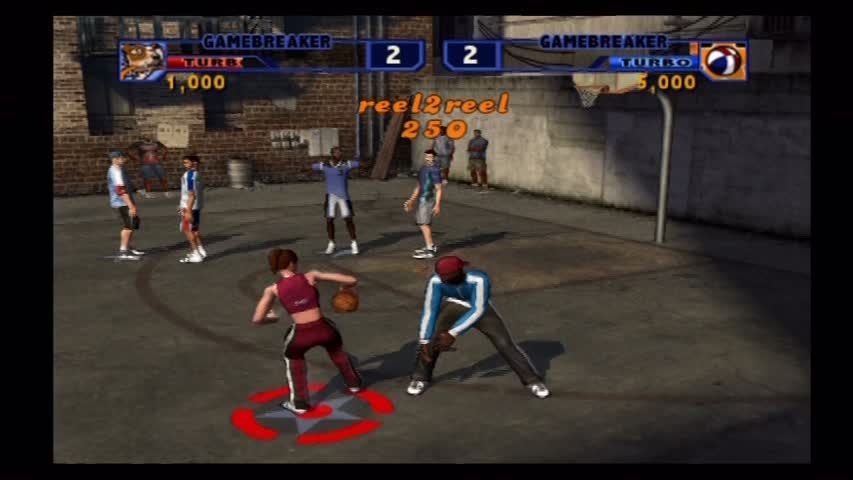
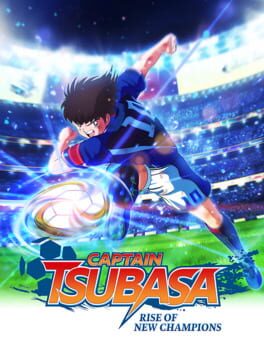
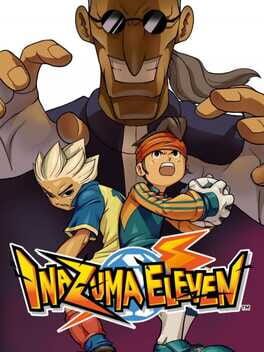
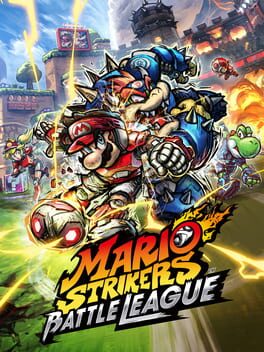
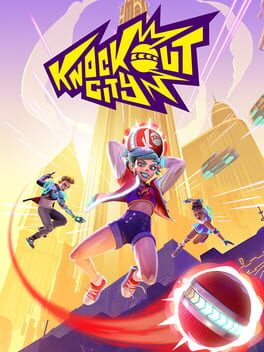
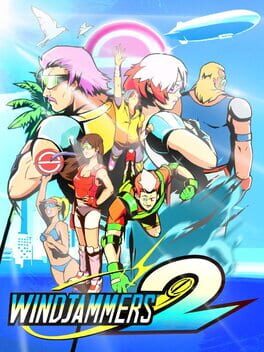
Games for the Competitive Instinct
Sports and team games that reward the same hunger for mastery
The Shohoku Bench Scene Is Anime's Best Minute
The moment that separates Slam Dunk from the rest of the sports genre is not a slam dunk. It is a bench scene. Hanamichi fouling out, or Rukawa grinding through exhaustion, or Akagi barking at a squad that almost believes in itself but not quite. Inoue understood that the spaces between plays carry as much weight as the plays themselves. No other manga in the genre has matched his feel for how team dynamics actually fracture and reform under pressure.
Vagabond Shows Where Inoue Went Next
After Slam Dunk ended in 1996, Takehiko Inoue turned to Miyamoto Musashi in Vagabond and to wheelchair basketball in Real. Both are slower, heavier, and structurally different from the high-school rush of Slam Dunk, but they carry the same preoccupation: what does it mean to commit your body and will to a single discipline? Vagabond in particular is one of the most visually accomplished manga ever drawn, and it rewards the patience that Slam Dunk built in you.
The First Slam Dunk Earned Its Tears
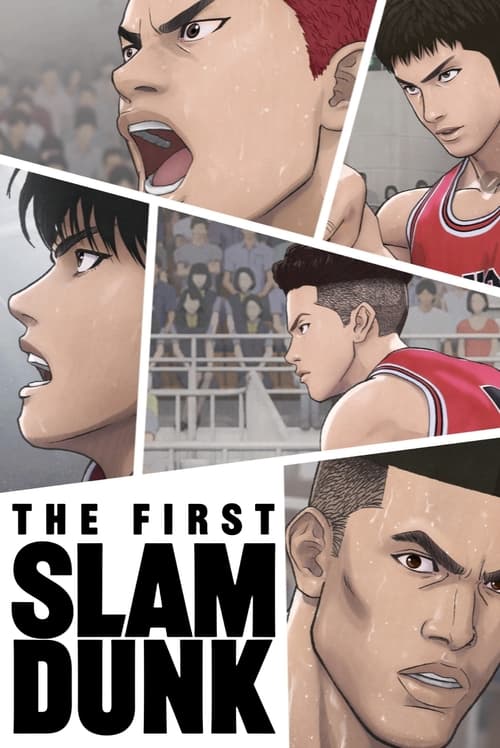
When Inoue announced he was directing a Slam Dunk film himself, expectations were divided. The 2022 result, The First Slam Dunk, recut the story around Ryota Miyagi, a character who had always stood slightly to the side of the manga's spotlight. The film uses that reframing to say something the manga never had room for: grief, family, and why some people need basketball to be more than a game. It is the rare franchise return that adds depth rather than nostalgia.
Slam Dunk Through the Years
- 1990Manga debut in Weekly Shonen Jump Slam Dunk, Vol. 1
- 1993Anime adaptation begins, airing 101 episodes Slam Dunk
- 1994Four theatrical short films released in Japan Slam Dunk Ernest
- 1996Manga concludes with the Sannoh match
- 2022Inoue directs feature film, retelling the Sannoh match through Miyagi The First Slam Dunk
Sports manga, underdog teams
For Fans of Haikyuu
Explore the For Fans of Haikyuu guide →Slam Dunk did not teach a generation to love basketball. It taught them to love characters who love basketball, which is a harder and more lasting trick.CrossBinge editors