
The story that started with a real competition
Sound! Euphonium began as a light novel series by Ayano Takeda, first published in 2013 by Takarajimasha. Takeda drew directly on her own experience as a euphonium player in a high school concert band, and the Kyoto Uji landscape where much of the story unfolds is entirely real. The central premise is deceptively simple: Kumiko Oumae, a first-year at Kitauji High School, rejoins concert band despite a complicated relationship with her instrument, and is slowly pulled into the collective obsession of chasing gold at the national competition.
What Takeda captured was the social texture of a competitive ensemble rather than an inspirational-sports arc. The unspoken politics, the gap between ambition and ability, the way adolescent identity gets bound up in a single activity. That specificity is what made the novels adaptable. Kyoto Animation acquired the rights, and the 2015 anime became one of the studio's defining achievements. From there the property expanded into films, a sequel series, a second novel continuity, and eventually a full reboot spanning ten years of releases.
Sound! Euphonium across the years
- 2013Original light novel published by Takeda Ayano (Takarajimasha)
- 2015KyoAni's first anime season covers Kitauji's road to nationals Sound! Euphonium
- 2016Two compilation films recap Season 1 for Japanese theatres; Season 2 covers the second-year arc Sound! Euphonium
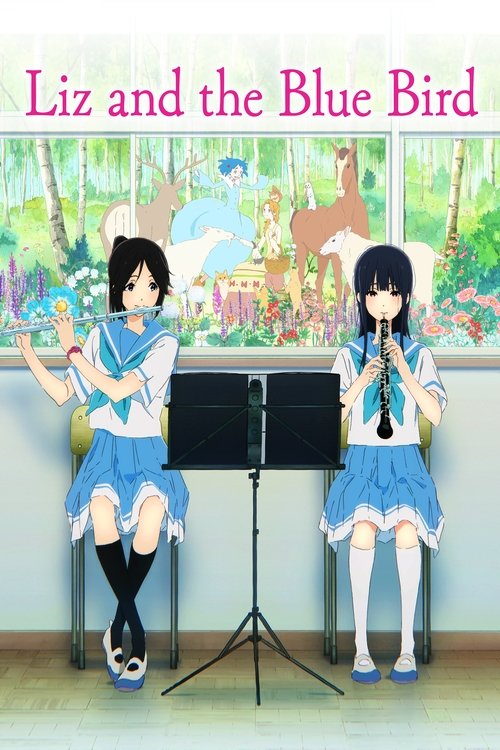
- 2018Naoko Yamada's spin-off film follows oboist Mizore and flautist Nozomi in a quieter, more intimate register Liz and the Blue Bird
- 2019Theatrical film Our Promise: A Brand New Day adapts the second novel's third-year opening; a Season 2 compilation follows Sound! Euphonium the Movie - Our Promise: A Brand New Day
- 2024Third and final anime season covers Kumiko's third year and brings the series to a close Sound! Euphonium
Liz and the Blue Bird is the definitive version
Director Naoko Yamada's 2018 spin-off film takes two secondary characters from Season 2 and builds something that stands entirely on its own. Working with composer Akito Matsuda rather than the series' regular score, shot in a quieter and more naturalistic visual register than the main series, Liz and the Blue Bird is a 90-minute study in how two people can love each other and still be pulling in different directions. It is the version of this world that feels least like anime and most like lived experience. You do not need to have watched a single episode first.
The first season is the right place to start, full stop
There is a temptation to treat Sound! Euphonium as a property where you should "do your homework" first. Ignore it. Season 1 is the genuine entry point, and it earns its reputation without any foreknowledge. The competition arc gives the show narrative spine, but what makes it hold up is Kumiko herself: a narrator who is neither the protagonist who wills things into being nor the sideline observer, but something more honest. She is perceptive in ways that create problems for her. Kyoto Animation's production, particularly the use of naturalistic movement in ensemble scenes, was a technical statement in 2015, and it still reads as one.

The compilation films exist for completionists only
The three compilation theatrical films (Welcome to the Kitauji High School Concert Band, Todokanai Melody, May the Melody Reach You) recut the television seasons into theatrical packages with minor additional footage. They exist primarily as re-release vehicles for the Japanese theatrical market. None of them add enough to justify watching before or alongside the series itself. Start with Season 1 and return to these only if you want every frame of animation in the story.
If you love the competition arc
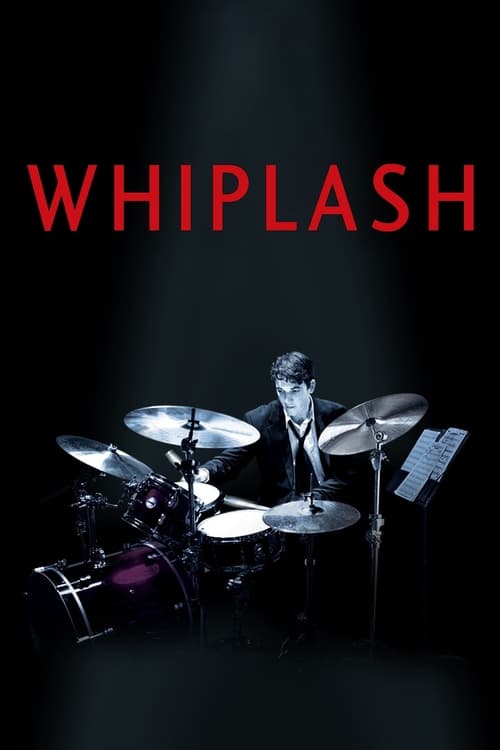
Stories about the grind toward a single high-stakes performance






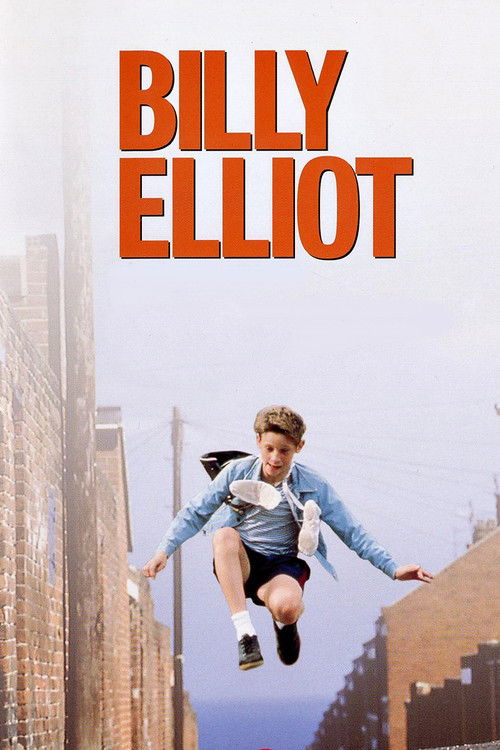
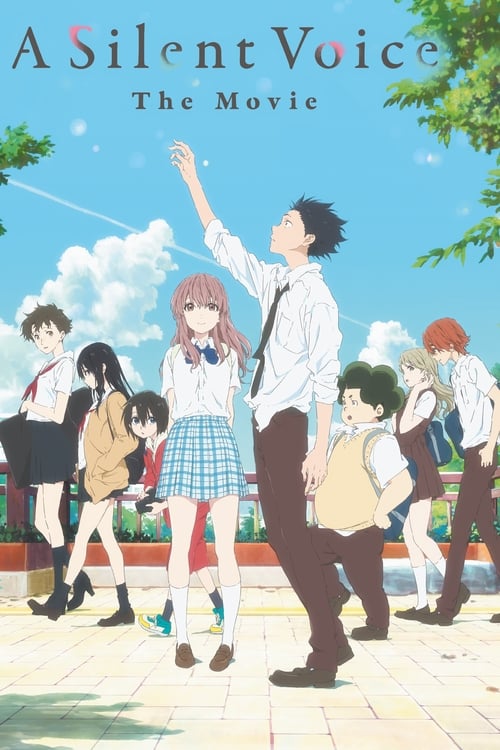
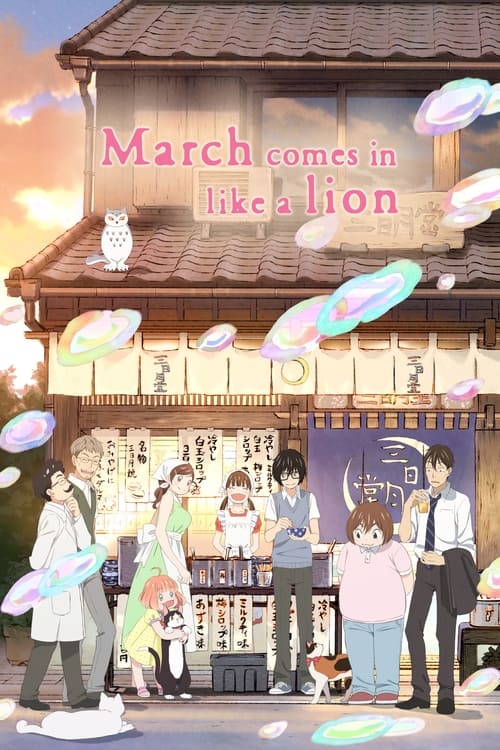
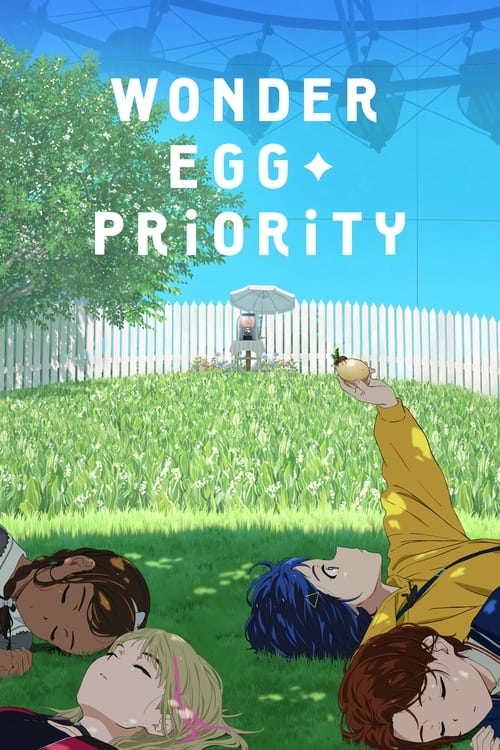
If you love the quiet character study
Fiction where the real drama is interior, not on the stage




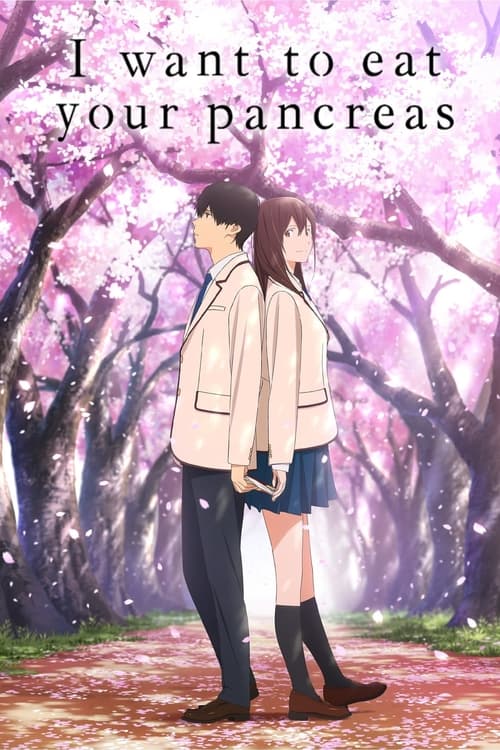
If you love KyoAni at their best
Other Kyoto Animation productions worth your time