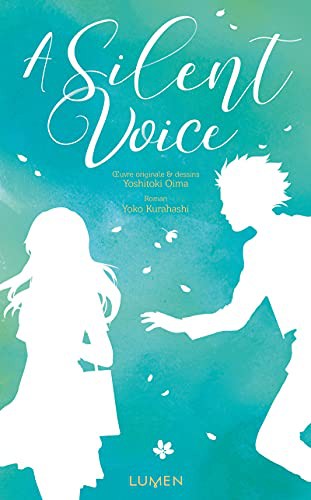

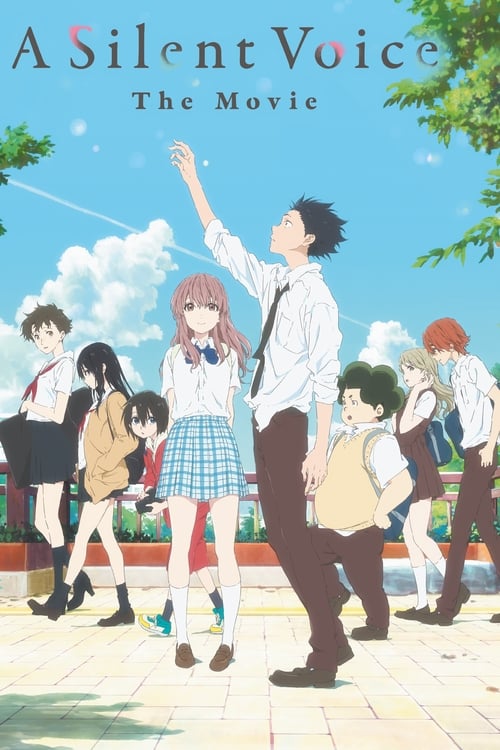
Yoshitoki Oima's manga, and Naoko Yamada's 2016 film adaptation, follow Shoya Ishida: a boy who bullied a deaf classmate, Shoko Nishimiya, and spent his adolescence carrying the weight of what he did. A Silent Voice is not a redemption arc handed out cheaply. It sits with social isolation, self-loathing, and the difficulty of genuine apology. Its audience is not limited to anime fans. Anyone who has ever been cruel, or been on the receiving end of cruelty, and wondered whether that damage is permanent, will find something here that feels uncomfortably true.
Essential A Silent Voice
The source manga and the film itself, for the complete experience
Anime That Hurt Just as Much
Series and films built around emotional honesty and social pain
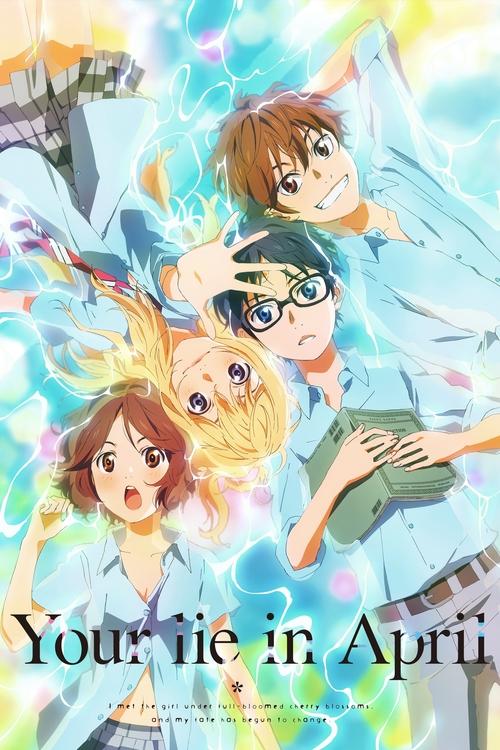
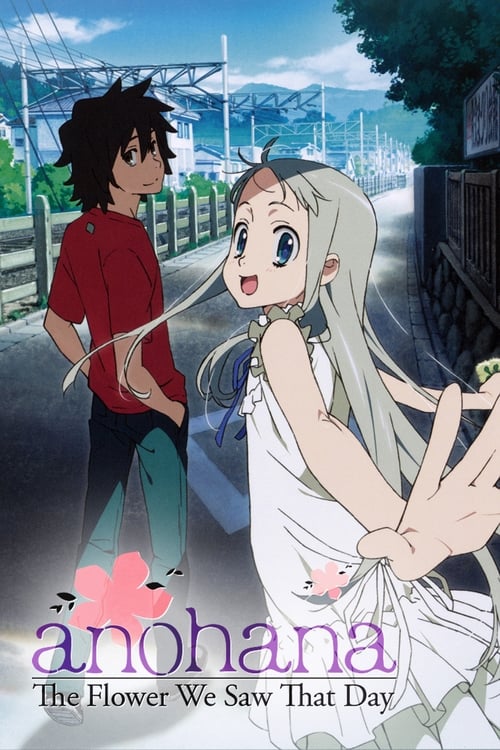
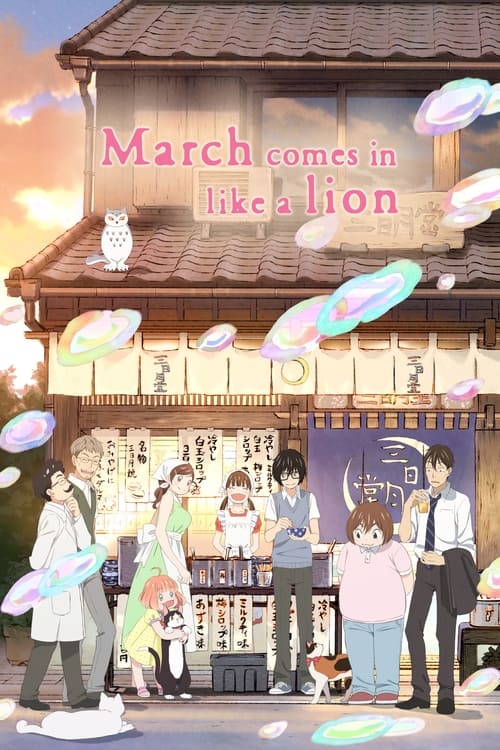
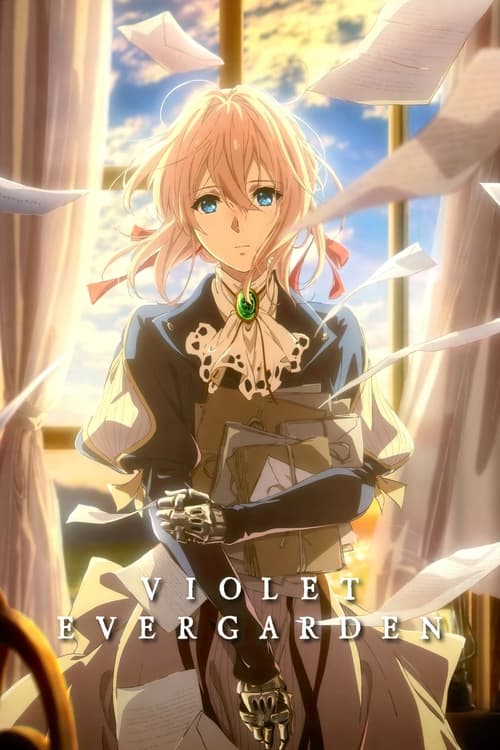


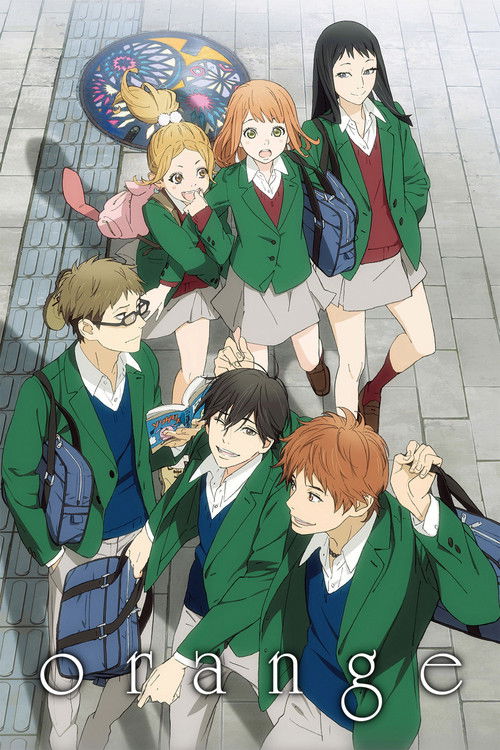

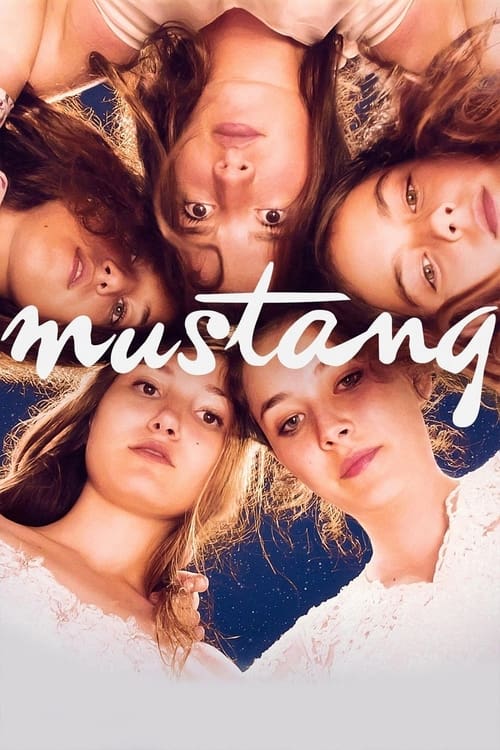
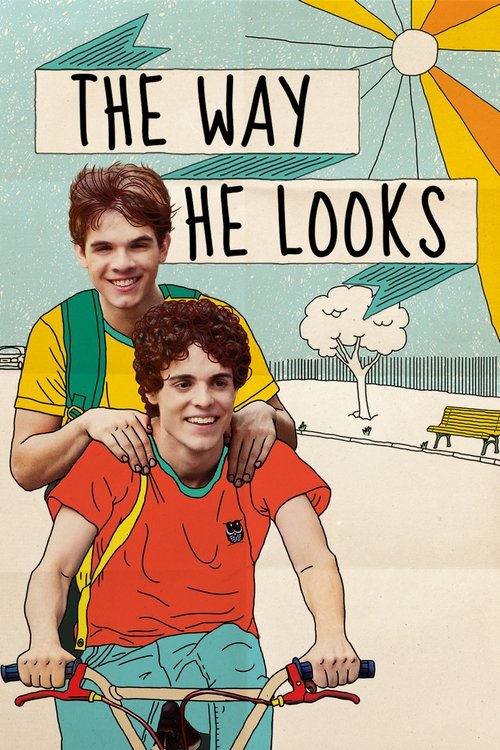
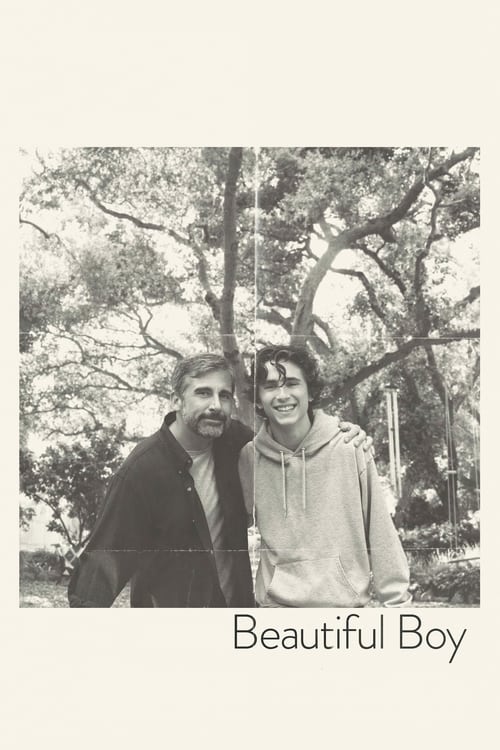
Films That Carry the Same Weight
Live-action cinema about guilt, forgiveness, and the cost of silence
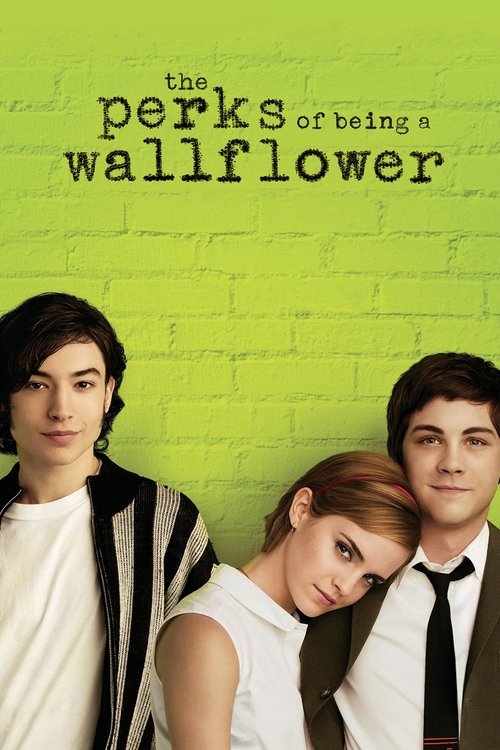
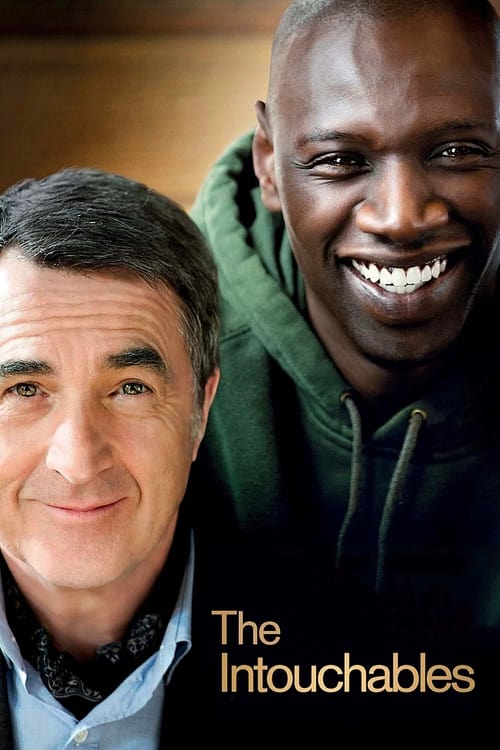

Manga and Light Novels for the Same Reader
Source material and companion reads for fans of emotionally raw storytelling


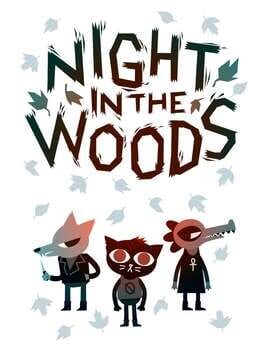
Games That Require Emotional Investment
Narrative games where character and consequence matter as much as mechanics

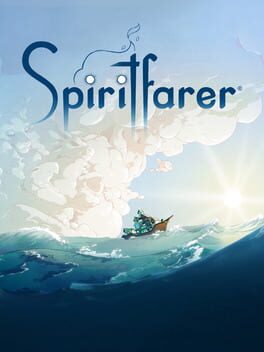
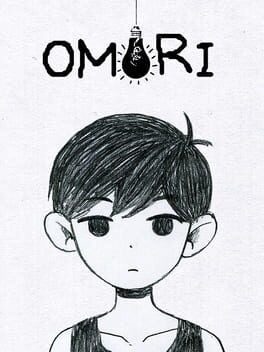


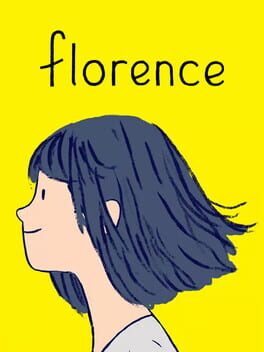

Yamada's Direction Is the Film's Real Subject
Naoko Yamada frames almost every scene from below eye level or at an angle that cuts faces out of the shot. Characters speak to the floor, to hands, to nowhere. That choice is not aesthetic quirk: it is the visual language of shame. The film teaches you to read body language instead of faces, which is exactly what Shoko's world asks of Shoya. By the third act, when characters finally make eye contact, it earns every second.
The Manga Goes Further Than the Film Can
Oima's seven-volume manga has space the film compresses away: Shoya's family, the extended cast of classmates who stood by or participated, and Shoko's complicated relationship with her own deafness and sense of self-worth. The film is the sharper emotional punch. The manga is the fuller, more uncomfortable account. Both are worth your time, in either order.
Omori Occupies the Same Psychological Space
Omori is a pixel-art RPG about repressed guilt and the gap between the self you show the world and the one you cannot face. Like A Silent Voice, it refuses to let its protagonist off the hook easily. The tone is gentler than the subject matter warrants, and then it is not. If you can handle the film's ending, Omori will find new places to press.
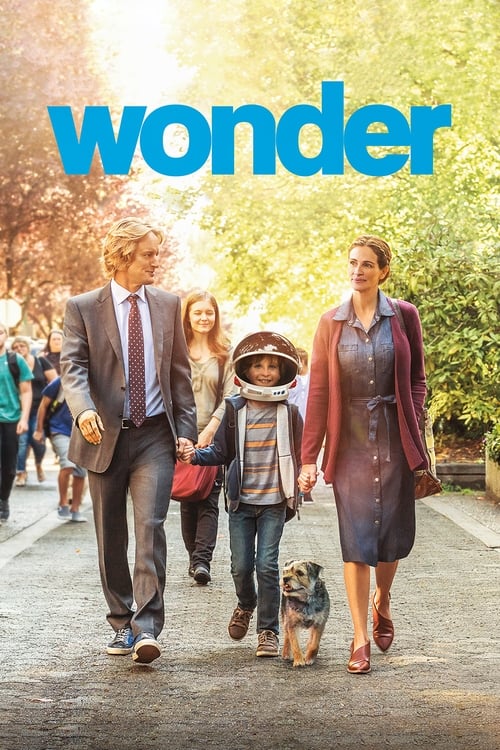
Wonder Translates the Core Feeling to Live Action
Stephen Chbosky's Wonder covers adjacent ground: a child who is visibly different navigating a school that does not know how to treat him, told partly from the perspective of those around him rather than just his own. It is less formally daring than Yamada's film and more openly sentimental, but it handles the bystander question (what do you owe someone who is being mistreated in front of you?) with more directness than most.
A Silent Voice Across Media
- 2013Yoshitoki Oima's manga begins serialization in Weekly Shonen Magazine
- 2014One-shot version receives the Kodansha Manga Award nomination
- 2016Kyoto Animation releases the theatrical film directed by Naoko Yamada A Silent Voice: The Movie
- 2017Film wins the Animation of the Year award at the Japan Academy Film Prize
- 2017Liz and the Blue Bird announced, a spiritual companion film by Yamada Liz and the Blue Bird
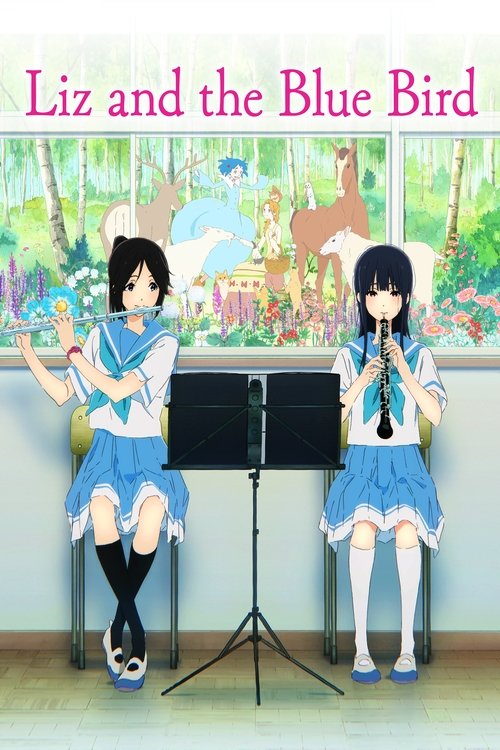
- 2018Liz and the Blue Bird released, following minor characters Mizore and Nozomi from the Silent Voice school Liz and the Blue Bird
- 2019Yamada leaves Kyoto Animation following the July 2019 arson attack
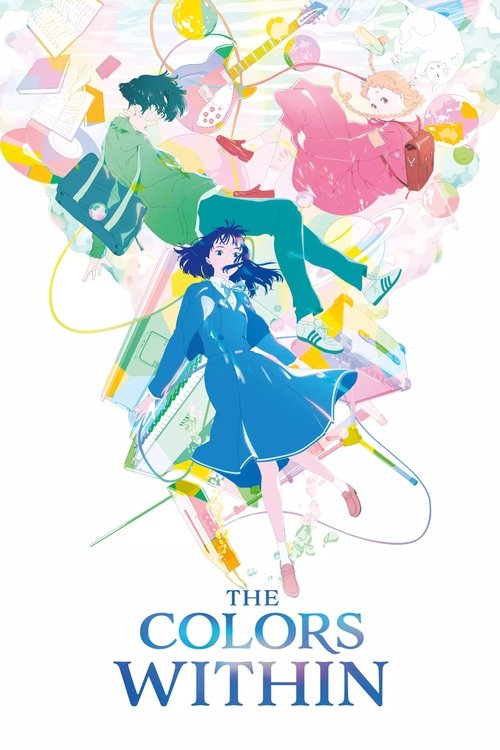
- 2024Naoko Yamada returns with The Colors Within, her first film at Science SARU The Colors Within
Guilt, growing up, quiet anime
For Fans of Fruits Basket
Explore the For Fans of Fruits Basket guide →The film does not ask whether Shoya deserves forgiveness. It asks whether he can learn to forgive himself without making that the person he wronged's responsibility.CrossBinge editorial